Overcoming Debt Obstacles: Strategies for Financial Freedom
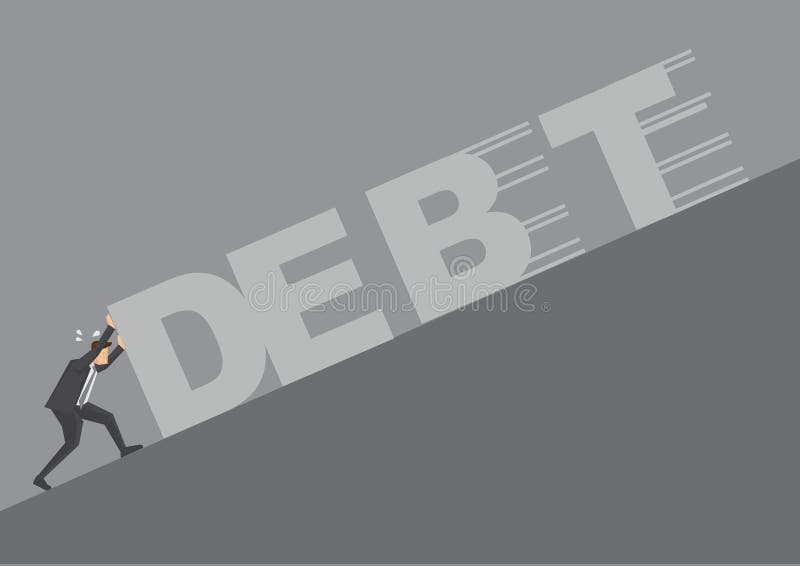
Are you struggling with debt? Do you feel overwhelmed by the weight of your financial obligations? You're not alone. Millions of Americans face debt challenges every day, but there is hope. With the right strategies and techniques, you can overcome debt obstacles and achieve financial freedom.
The Importance of Financial Planning
Financial planning is essential for overcoming debt obstacles. It involves setting clear goals, creating a budget, and developing a plan to achieve financial stability. Without a solid plan, it's easy to fall back into old habits and accumulate more debt. But with a well-thought-out plan, you can take control of your finances and make progress towards your goals.
Strategies for Overcoming Debt Obstacles
- Reduce and Manage Debt: One of the first steps in overcoming debt obstacles is to reduce and manage your debt. This involves creating a list of all your debts, prioritizing them, and developing a plan to pay them off.
- Improve Financial Literacy: Financial literacy is essential for making informed decisions about your money. It involves understanding concepts such as budgeting, saving, and investing.
- Develop a Budget: A budget is a crucial tool for managing your finances. It involves tracking your income and expenses, and making adjustments to ensure that you're living within your means.
- Build an Emergency Fund: An emergency fund is essential for covering unexpected expenses and avoiding debt. Aim to save 3-6 months' worth of living expenses in a readily accessible savings account.
- Invest in Your Future: Investing in your future involves taking advantage of tax-advantaged accounts such as 401(k) or IRA, and developing a long-term investment strategy.

Internal and External Obstacles to Overcoming Debt
Internal obstacles to overcoming debt include lack of motivation, poor financial habits, and emotional struggles. External obstacles include economic uncertainty, employment changes, and unforeseen expenses.
- :
- Emotional Struggles: Debt can be emotionally taxing, leading to feelings of anxiety, guilt, and shame. It's essential to address these emotions and develop coping strategies.
- Poor Financial Habits: Developing healthy financial habits requires discipline and commitment. It involves creating a budget, tracking expenses, and making adjustments to achieve financial stability.
- Lack of Motivation: Overcoming debt requires motivation and a clear sense of purpose. It's essential to set realistic goals and celebrate achievements along the way.
- External Obstacles:
- Economic Uncertainty: Economic uncertainty can make it challenging to overcome debt. It's essential to develop a plan for managing debt during periods of economic uncertainty.
- Employment Changes: Employment changes can disrupt your income and make it challenging to manage debt. Develop a plan for managing debt during periods of unemployment or financial instability.
- Unforeseen Expenses: Unforeseen expenses can arise at any time, making it challenging to manage debt. Develop a plan for dealing with unexpected expenses and avoid going into further debt.
Conclusion
Overcoming debt obstacles requires a comprehensive approach that involves financial planning, budgeting, and developing healthy financial habits. It also requires addressing internal and external obstacles to achieving financial stability. By following the strategies outlined in this article, you can take control of your finances and achieve financial freedom.