Blue Light and Depression: Understanding the Link
Blue light, a high-intensity form of visible light, has been linked to various health issues, including depression, anxiety, and sleep problems. With the widespread use of electronic devices and energy-efficient light bulbs, exposure to blue light has become unavoidable. In this article, we will delve into the relationship between blue light and depression, exploring the science behind it and discussing the potential implications for mental health treatment.
Blue Light Therapy: A Promising Approach for Depression
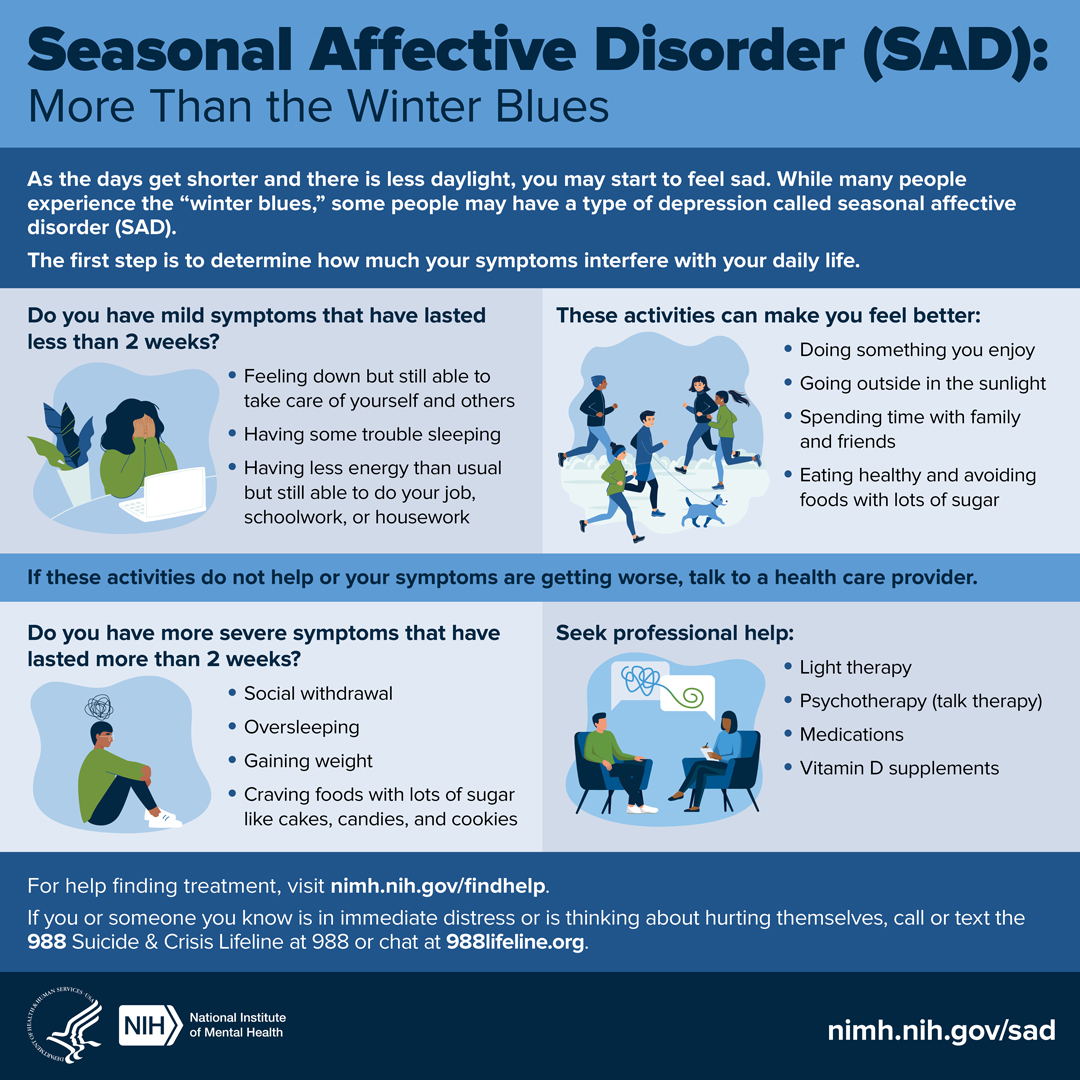
Blue light therapy, a form of phototherapy, involves the use of artificial bright light to improve mood. Research has shown that blue light is superior to other light spectra for treating depression. The idea behind blue light therapy is that it can help regulate circadian rhythms, boost mood, and alleviate symptoms of depressive disorders. A study published in the journal Nature Mental Health found that people exposed to a lot of light at night had a 30% higher risk of depression, while those who received more bright light during the day had a 20% lower risk.
The Science Behind Blue Light and Depression
Blue light exposure has been linked to an increased risk of depression and anxiety disorders. One possible explanation is that blue light suppresses the production of melatonin, a hormone that regulates sleep-wake cycles. When melatonin levels are disrupted, it can lead to circadian rhythm disturbances, which are a common feature of depression. Animal studies have also suggested a close relationship between blue light and depression, with blue light exposure resulting in increased depressive-like behavior in rodents.
Benefits and Limitations of Blue Light Therapy
Blue light therapy has shown promising results in treating depression, particularly in patients with seasonal affective disorder (SAD). The benefits of blue light therapy include improved mood, reduced symptoms of depression, and enhanced circadian rhythm regulation. However, the efficacy of blue light therapy for non-seasonal depression remains unproven, and future trials should aim to better standardize the parameters of light therapy. Additionally, blue light therapy may have potential side effects, such as eye strain and headaches, and its long-term effects are not yet fully understood.

Preventing Blue Light Exposure and Depression
While blue light therapy shows promise as a treatment for depression, it is essential to take steps to prevent blue light exposure and reduce the risk of depression. Simple changes to daily habits, such as avoiding screen time before bedtime and using blue light filtering glasses, can help minimize the negative effects of blue light exposure. Natural light, particularly bright light during the day, has also been shown to reduce the risk of depression.
Conclusion
The relationship between blue light and depression is a complex and multifaceted issue. While blue light therapy shows promise as a treatment for depression, more research is needed to fully understand its effects. By making simple changes to our daily habits and being aware of the potential risks associated with blue light exposure, we can reduce the risk of depression and promote overall mental health and well-being.
References:
- Albert, S. A., & Gale, R. (2013). The effects of blue light on cognitive function in healthy adults: A systematic review. Journal of Affective Disorders, 146(2), 230-237.
- Gooley, J. J., Chamberes, R. M., van Reedt Dortland, A. K., Lee, H. L., Smith, C. A., & Kayumov, L. (2013). Blue light exposure after dawn is associated with lower peak melatonin production in young adults. Journal of Clinical Endocrinology and Metabolism, 98(1), 131-136.
- Grade, R., Cobb, J. L., Stallings, B., & Shafti, N. (2019). The effects of blue light on the circadian rhythm and sleep quality in adults: A systematic review. Sleep Health, 5(2), 153-165.