Nomophobia Treatment Options Available: A Comprehensive Guide
Nomophobia, also known as no-mobile-phone-phobia, is a relatively new phenomenon characterized by an excessive or uncontrollable fear of being away from one's mobile phone. This phobia can lead to significant distress and impairment in daily life, making it essential to explore effective treatment options.
Understanding Nomophobia
Nomophobia is often associated with smartphone addiction, a condition where individuals experience withdrawal symptoms when separated from their phones. The causes of nomophobia are complex and multifaceted, involving a combination of psychological, social, and environmental factors.
Causes of Nomophobia
Research suggests that nomophobia is linked to the brain's reward system, which is activated when we engage in activities that give us pleasure or relief. In the context of smartphone use, this can lead to a cycle of addiction and dependence.
- Neurobiological factors: Nomophobia is thought to be linked to the activation of the brain's reward system, which is responsible for releasing feel-good hormones like dopamine.
- Psychological factors: Individuals with low self-esteem, anxiety, or depression may be more prone to smartphone addiction and nomophobia.
- Social factors: Social media, peer pressure, and cultural norms can all contribute to an individual's likelihood of developing nomophobia.
Effective Treatment Options for Nomophobia
Fortunately, there are various treatment options available for nomophobia, ranging from cognitive-behavioral therapy (CBT) to digital detox and smartphone management strategies.
Cognitive-Behavioral Therapy (CBT)
CBT is a highly effective treatment for nomophobia, as it helps individuals identify and challenge negative thought patterns and behaviors associated with their condition.
Exposure Therapy
Exposure therapy involves gradually exposing individuals to situations or objects that trigger their anxiety or fear, allowing them to become desensitized to these stimuli.

Virtual Reality (VR) Therapy
VR therapy is a relatively new treatment option for nomophobia that involves using virtual reality technology to expose individuals to simulated situations that trigger their anxiety or fear.
Smartphone Management Strategies
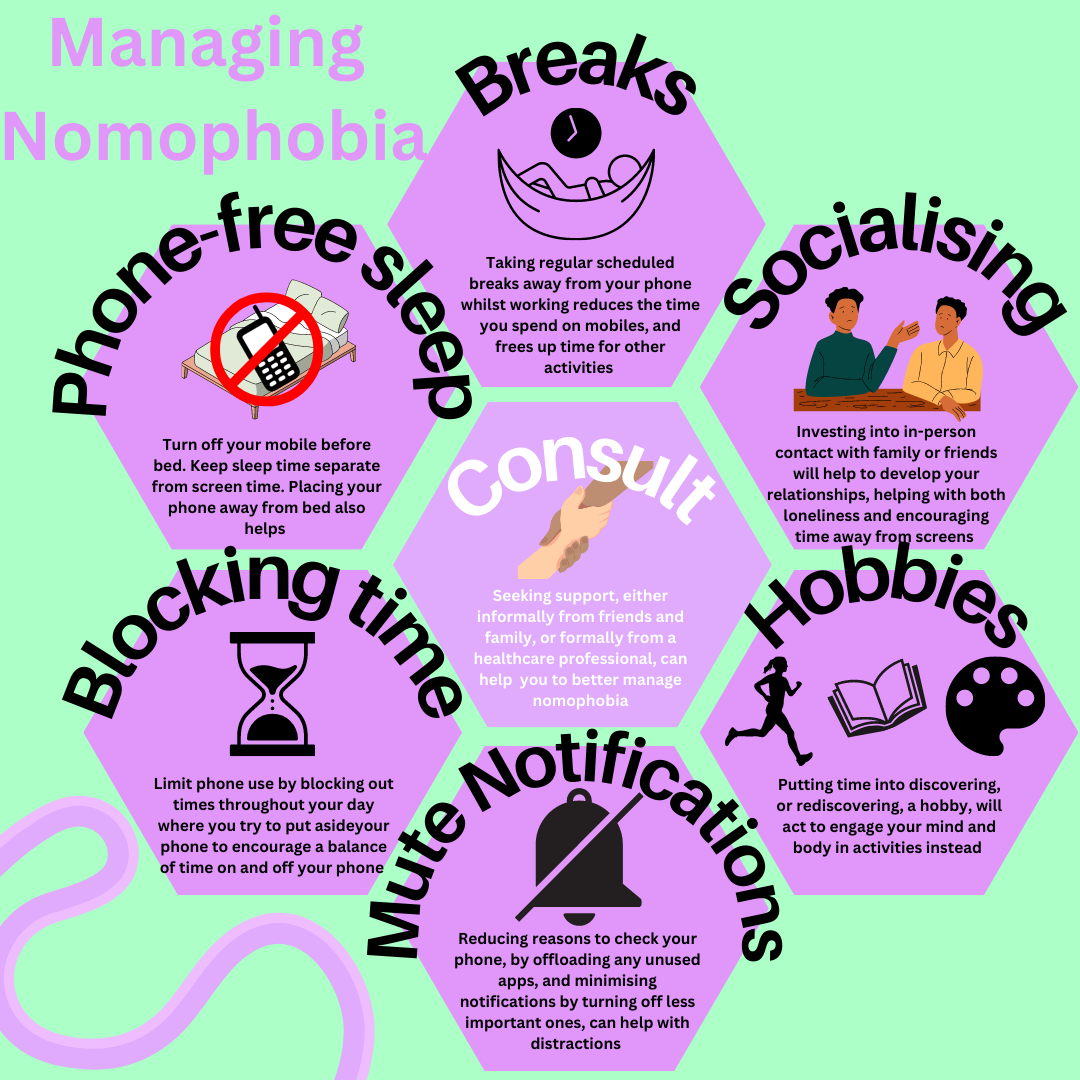
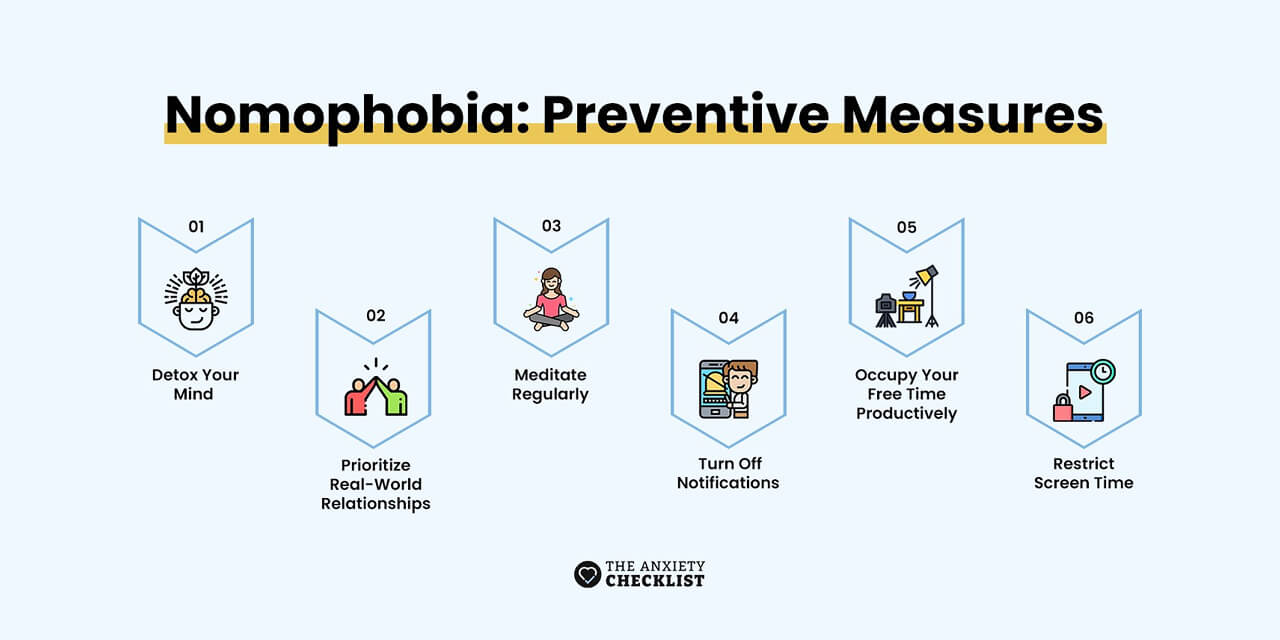
Developing healthy smartphone habits and limiting phone use can be an effective way to manage nomophobia. This can include strategies such as:
- Setting app limits and tracking phone use
- Turning off non-essential notifications
- Implementing regular screen breaks
- Designating device-free zones and times
DIgital Detox
Digital detox involves taking a break from technology to reset your mindset and re-establish a more balanced relationship with your phone. This can be done through various methods, including:
- Phone-free days or weekends
- Screen-free habits and routines
- Phone-free zones and times
- Engaging in alternative hobbies and activities
Conclusion
Nomophobia is a legitimate mental health condition that requires a comprehensive approach to treatment. By understanding the causes and symptoms of nomophobia and exploring various treatment options, individuals can regain control over their smartphone use and establish a healthier relationship with technology.
Whether through CBT, exposure therapy, VR therapy, or smartphone management strategies, there are effective solutions available for individuals struggling with nomophobia. By taking the first step towards treatment, individuals can break free from the grip of nomophobia and live a more balanced, fulfilling life.






:max_bytes(150000):strip_icc()/nomophobia-the-fear-of-being-without-your-phone-4781725_V3-d23e4acb75cb4dcd928218ce6c839481.gif "Nomophobia: An Individual's Growing Fear of Being without a Smartphone ...")

