How to Learn Python Quickly: Unlocking Your Coding Potential
Are you eager to become a proficient Python programmer, but struggling to find the right resources and learning strategies? Look no further! In this comprehensive guide, we'll share expert tips and tricks to help you learn Python quickly and efficiently. Whether you're a complete beginner or an experienced programmer looking to improve your skills, this article will provide you with the knowledge and confidence to master Python programming.
Why Learn Python Quickly?
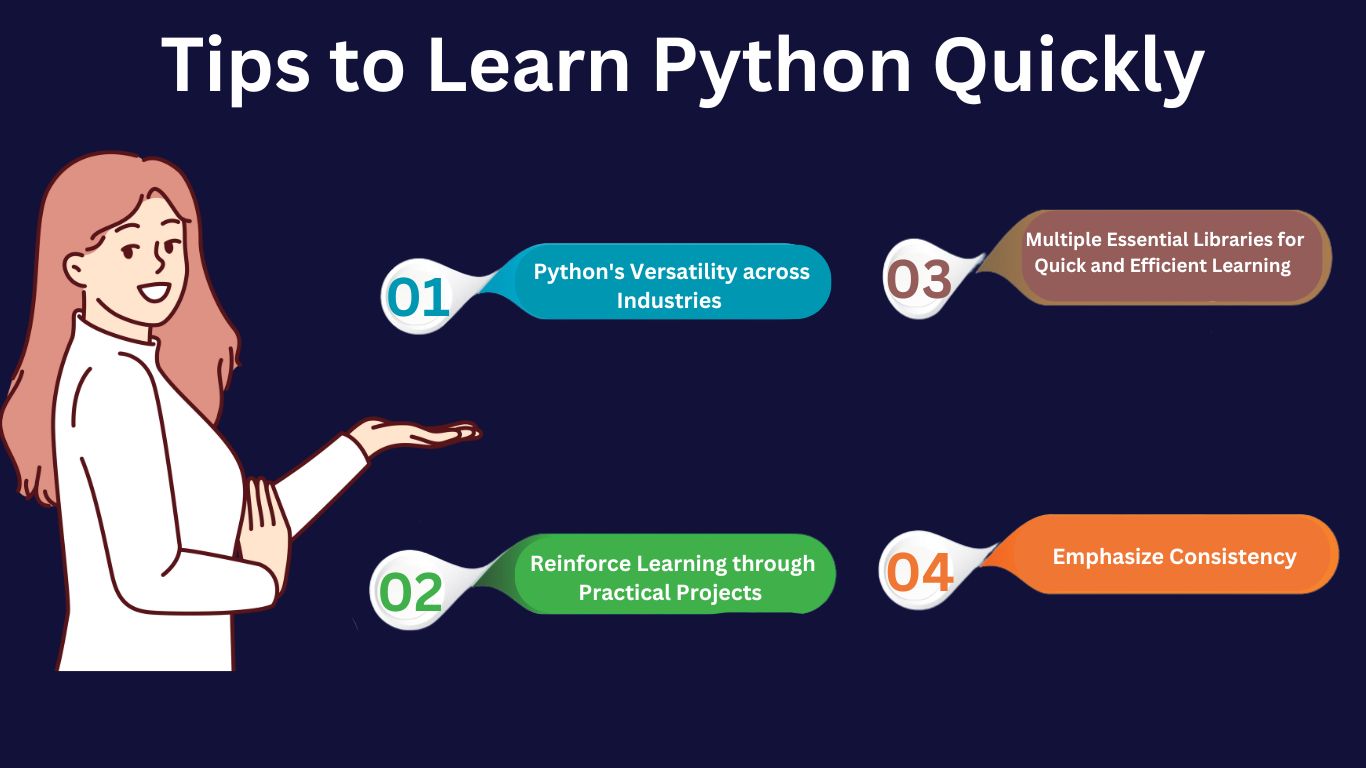
With the increasing demand for Python skills in the job market, learning this programming language can be a game-changer for your career. Python is a versatile language used in web development, data analysis, machine learning, and more. By learning Python quickly, you can:
- Expand your professional opportunities
- Enhance your problem-solving skills
- Stay competitive in the job market
- Explore exciting applications in data science, AI, and more
Effective Learning Strategies
To learn Python quickly, you need to adopt a structured and focused approach. Here are some effective learning strategies to get you started:
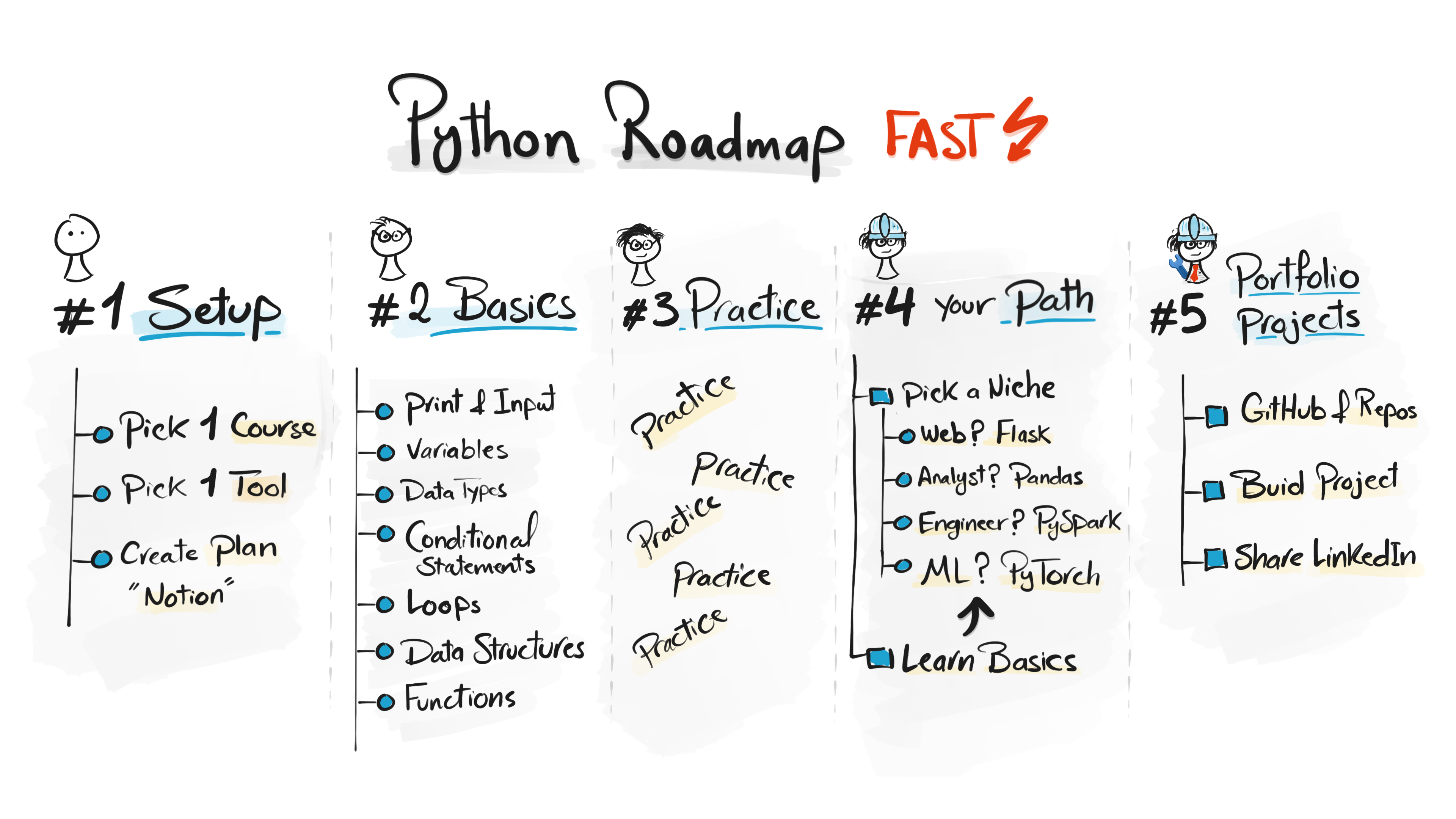
- Start with interactive courses: Websites like Codecademy, DataCamp, and Python.org offer interactive Python courses that allow you to learn by coding.
- Practice regularly: Set aside time each day or week to practice coding and solve problems.
- Build real-world projects: Apply your Python skills to real-world projects that interest you, such as web development, data analysis, or machine learning.
- Use powerful libraries: Familiarize yourself with popular Python libraries like NumPy, pandas, and Flask to simplify your coding workflow.
- Join online communities: Participate in online forums, Reddit, and social media groups to connect with other Python enthusiasts and get help when needed.
Mastering Key Concepts

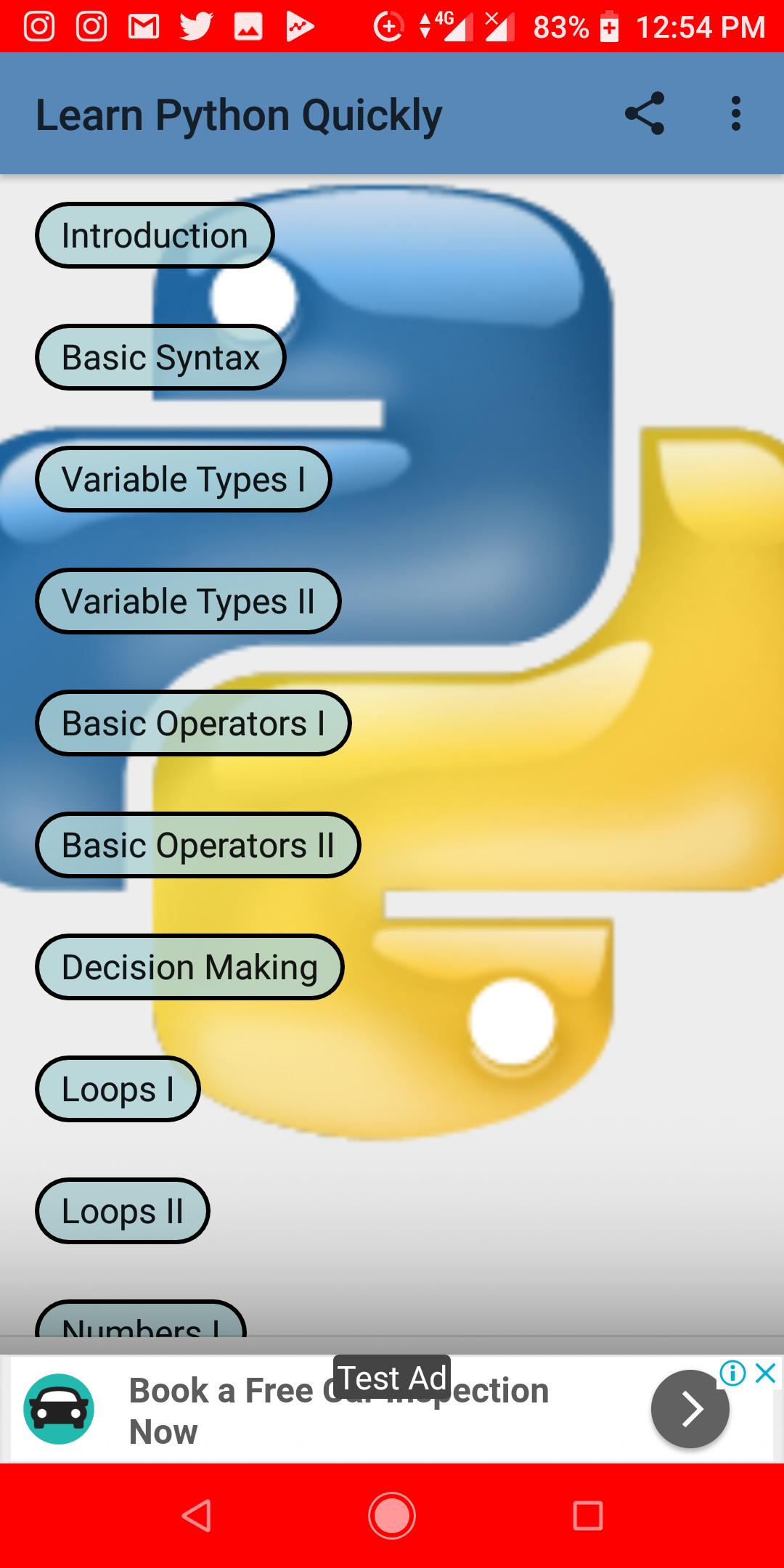
To learn Python quickly, it's essential to focus on key concepts and build a strong foundation. Here are some crucial areas to concentrate on:
- Data types and variables: Understand the different data types in Python and how to declare and use variables.
- Control structures: Master if-else statements, for loops, and while loops to control the flow of your code.
- Functions and modules: Learn how to define and use functions, as well as how to import and use external modules.
- Object-Oriented Programming (OOP): Understand the basics of OOP and how to apply it to Python programming.
Additional Tips and Resources
Here are some additional tips and resources to help you learn Python quickly:
- Read books and tutorials: Supplement your learning with books, tutorials, and guides to deepen your understanding of Python topics.
- Watch videos and online courses: Utilize online courses and YouTube videos to get a visual understanding of Python concepts and applications.
- Use online compilers and IDEs: Take advantage of online compilers and Integrated Development Environments (IDEs) like Visual Studio Code or PyCharm to streamline your coding experience.
- Participate in coding challenges: Join online coding challenges to test your skills, learn from others, and stay motivated.
Conclusion
Learning Python quickly requires a combination of effective learning strategies, a solid foundation in key concepts, and a willingness to practice and apply your knowledge. By following the tips and resources outlined in this guide, you'll be well on your way to becoming a proficient Python programmer and unlocking your coding potential.
Remember, learning a programming language takes time and effort. Stay committed, stay curious, and enjoy the journey of mastering Python programming!