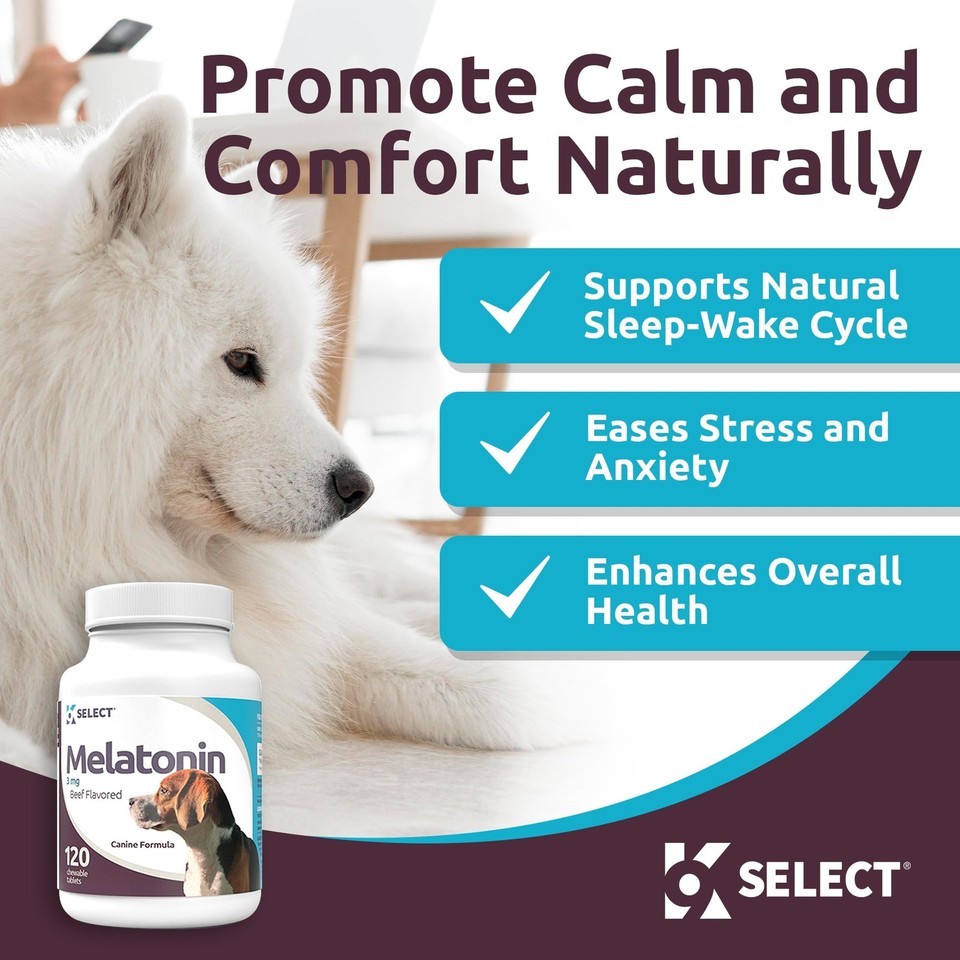
Using Melatonin with Dogs: A Comprehensive Guide
Melatonin is a hormone supplement commonly associated with regulating the sleep cycle in humans. However, its use for dogs has been gaining popularity in recent years, particularly for its potential benefits in treating anxiety, sleep disorders, and other behavioral issues. In this article, we will delve into the world of using melatonin with dogs, exploring its benefits, dosage, and side effects.
Benefits of Using Melatonin with Dogs
Melatonin has been shown to have various benefits for dogs, including:
- Improving sleep quality and duration
- Reducing anxiety and stress
- Alleviating hair loss (alopecia)
- Helping with phobias and separation anxiety
While melatonin is generally safe for dogs, it's essential to consult with a veterinarian before administering it to your pet. They can help determine the appropriate dosage based on your dog's size, age, and health conditions.
How Much Melatonin to Give Your Dog
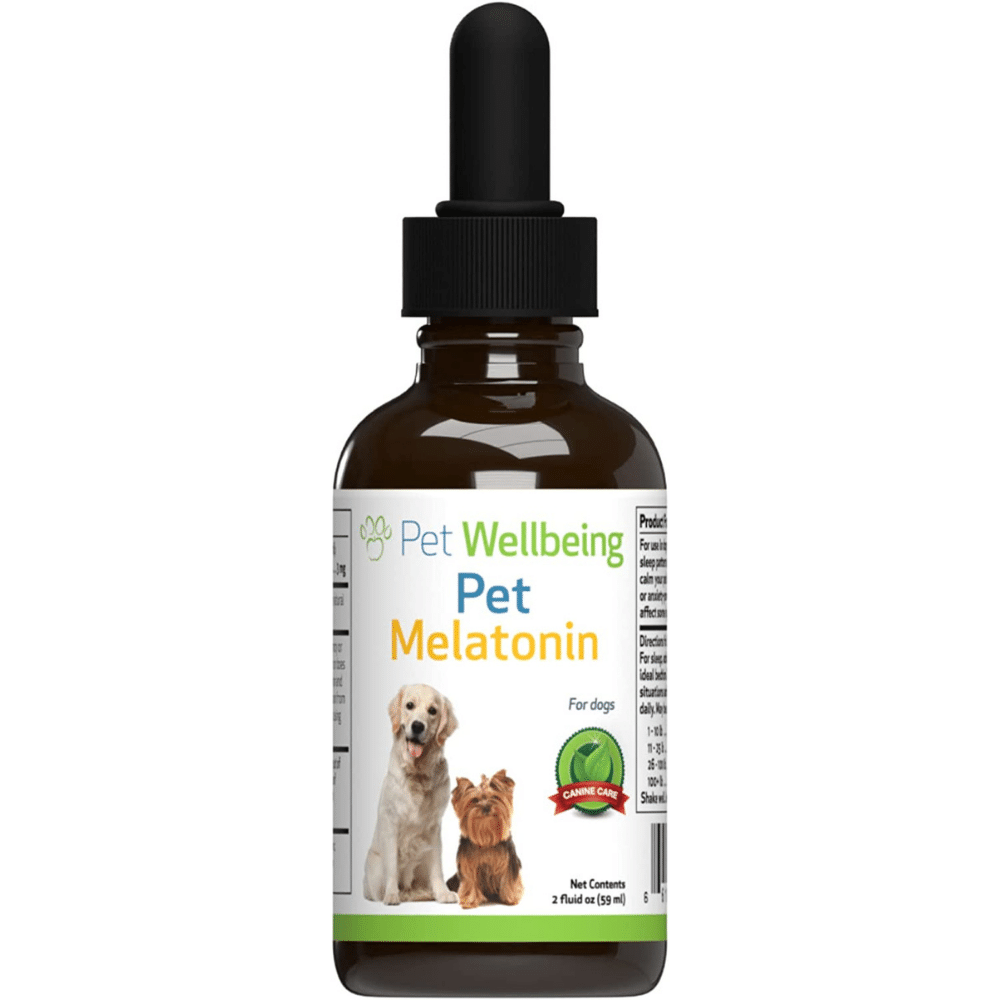
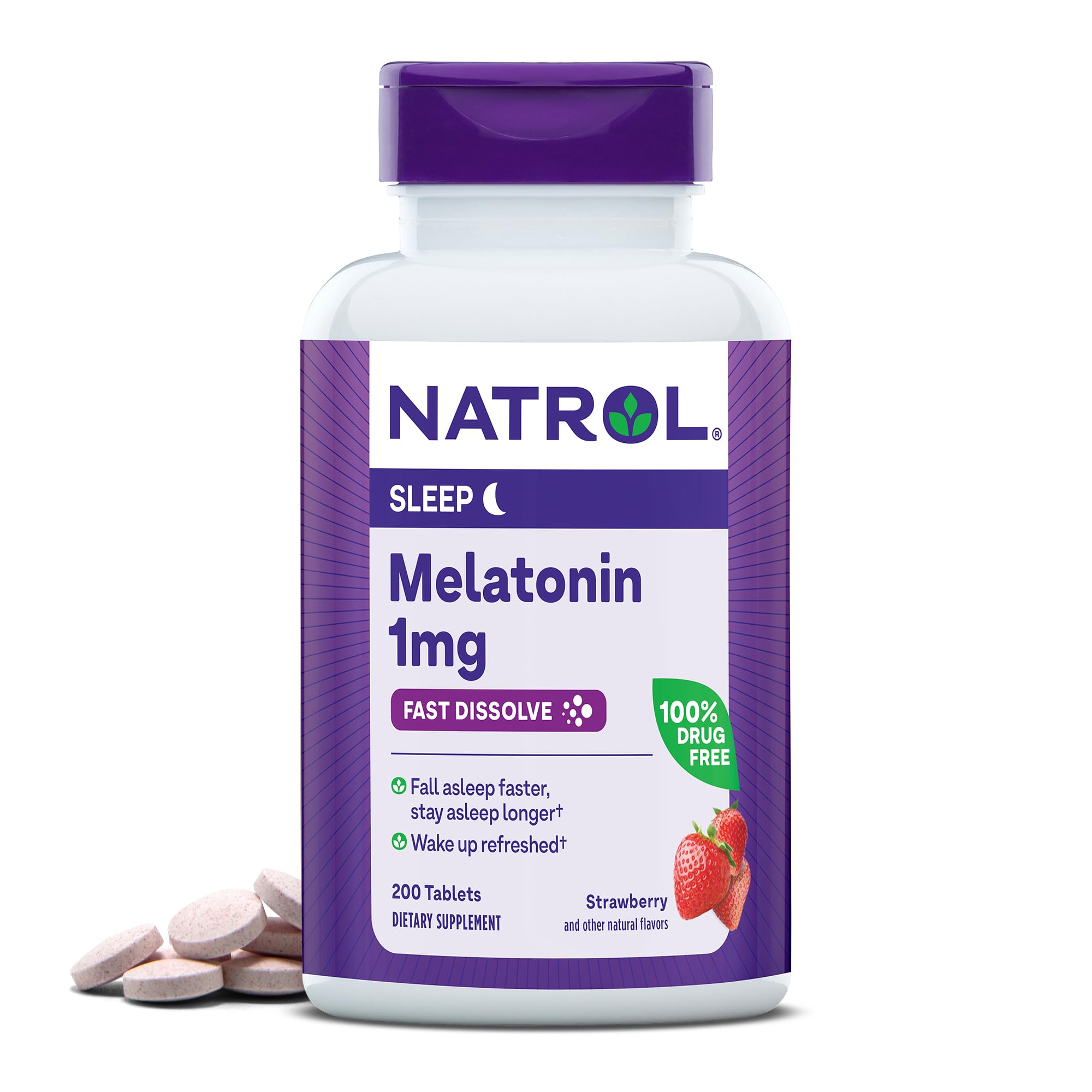
The dosage of melatonin for dogs depends on their weight, with the typical range being between 1mg and 6mg. It's crucial to choose a melatonin product specifically designed for dogs, as human products can contain xylitol, which is toxic to dogs.
When choosing a melatonin product for your dog, look for the following:
- A product specifically labeled as "for dogs"
- A clear dosage chart based on weight
- A reputable manufacturer with positive reviews
Side Effects of Melatonin in Dogs
While melatonin is generally safe for dogs, it can cause some side effects, including:
- Drowsiness
- Diarrhea
- Loss of appetite
- Stomach upset
It's essential to monitor your dog's behavior and adjust the dosage as needed. If you notice any unusual side effects or concerns, consult with your veterinarian immediately.
Choosing the Right Melatonin Product for Your Dog
When selecting a melatonin product for your dog, consider the following:
- Look for products containing only natural ingredients
- Avoid products containing xylitol or other toxic substances
- Choose a product with a clear dosage chart
- Consult with your veterinarian for recommendations
Alternatives to Melatonin for Dogs
If your dog is experiencing anxiety or stress, consider alternative supplements, such as:
- L-Theanine
- Calcium
- Magnesium
- Chamomile
These supplements can help promote relaxation and reduce anxiety in dogs.
Conclusion
Using melatonin with dogs can be a safe and effective way to address various behavioral issues, including anxiety, sleep disorders, and hair loss. However, it's essential to consult with a veterinarian before administering melatonin to your dog. With the right dosage and product, melatonin can help your furry friend lead a happier, healthier life.





:max_bytes(150000):strip_icc()/Melatonin-side-effects-7068990_txt_final-29e3d836062d4aed9a5fdaff03dfdc61.png "Healthcare & Patient Services | Mount Sinai - New York")