How to Get a Notary License: A Comprehensive Guide
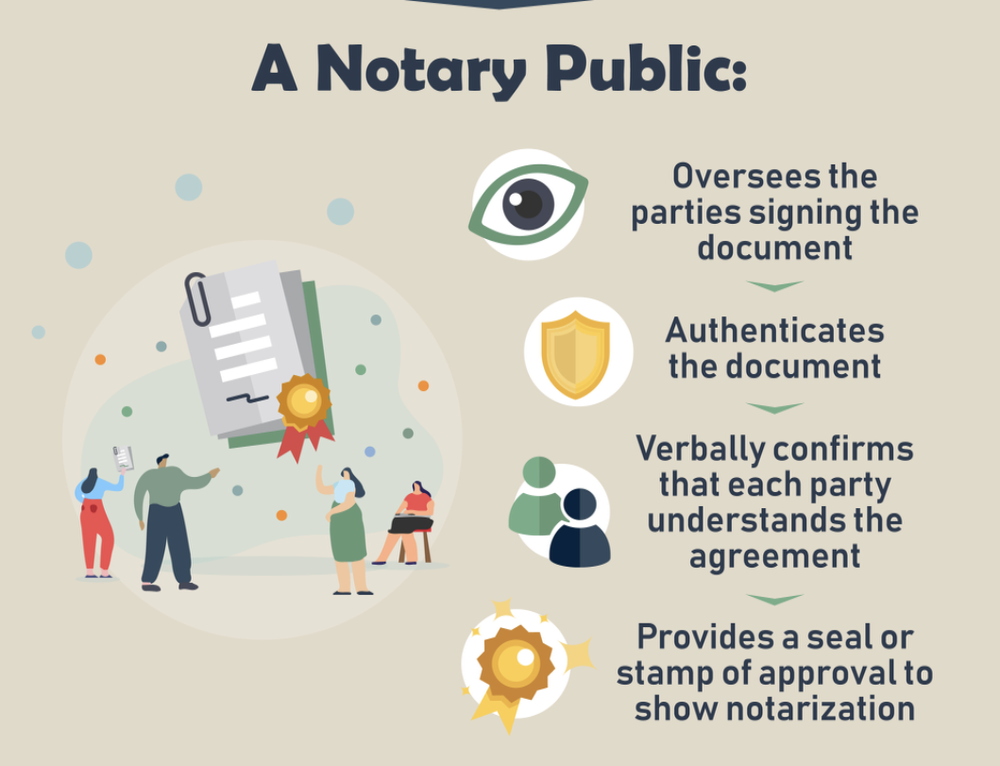
Are you interested in becoming a notary public and serving your community as an impartial witness in legal matters? Obtaining a notary license can be a valuable way to earn extra income in a credible and long-standing profession. In this article, we will guide you through the steps to obtain your notary license, covering everything from basic requirements to setting up your practice and maintaining your license.
Basic Requirements
Before we dive into the steps to obtain a notary license, it's essential to understand the basic requirements. To become a notary public, you must meet the following requirements:
- Be 18 years of age or older; li>Be a legal California resident;
- Complete a course of study approved by the Secretary of State;
- Satisfactorily complete and pass a written examination prescribed by the Secretary of State;
- Clear a background check;
These requirements may vary depending on your state, so be sure to check with your local government for specific requirements.
Steps to Obtain a Notary License
Once you have met the basic requirements, you can follow these steps to obtain a notary license:
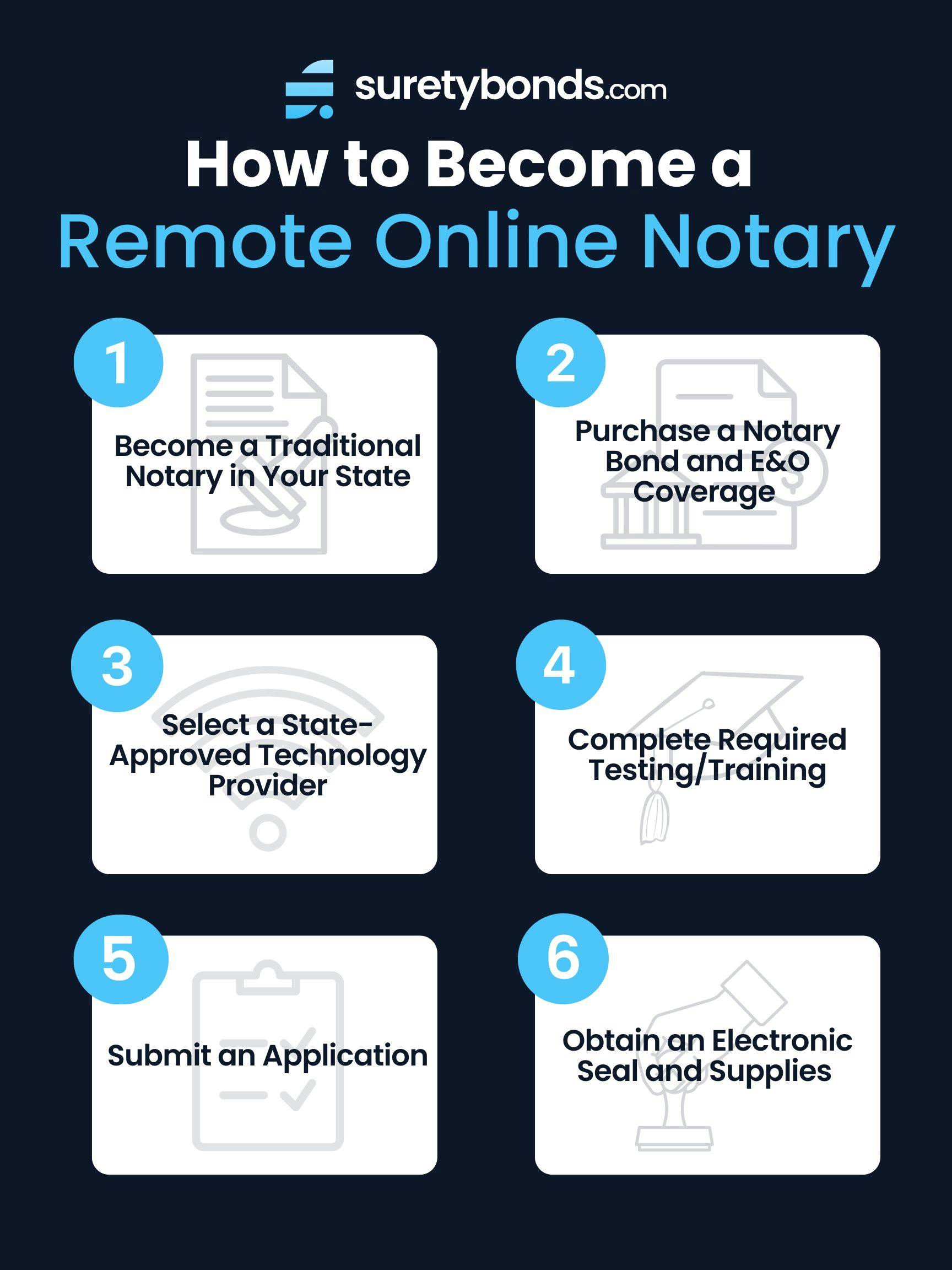
Step 1: Meet the Basic Requirements
As mentioned earlier, you must meet the basic requirements to qualify for a notary license. This includes being at least 18 years old, being a legal resident of your state, and passing a background check.
Step 2: Complete a Course of Study
Next, you will need to complete a course of study approved by your state's Secretary of State. This course will cover the laws and regulations governing notaries public, as well as the ethics and procedures involved in notarizing documents.
Step 3: Pass a Written Examination
After completing your course of study, you will need to pass a written examination prescribed by your state's Secretary of State. This examination will test your knowledge of the laws and regulations governing notaries public.

Step 4: Obtain a Background Check
Before you can be commissioned as a notary public, you will need to clear a background check. This will involve submitting your fingerprints and undergoing a thorough background investigation.
Step 5: Apply for a Notary License
Once you have completed the above steps, you can apply for a notary license. You will need to submit an application to your state's Secretary of State, along with any required fees and documentation.
Renewing Your Notary License
Once you have obtained your notary license, you will need to renew it periodically to maintain your commission. The renewal process typically involves submitting a renewal application and paying any required fees. In some states, you may also be required to complete continuing education courses to stay up-to-date on the latest laws and regulations governing notaries public.
Benefits of Becoming a Notary Public
There are many benefits to becoming a notary public, including:
- Opportunities to earn extra income;
- The ability to help prevent fraud and identity theft; li>The satisfaction of serving your community as an impartial witness in legal matters;
- Flexibility in choosing your own hours and clients; li>Opportunities to build professional relationships and network with other professionals in the field;
In conclusion, obtaining a notary license can be a valuable way to earn extra income and serve your community. By following the steps outlined in this article, you can become a commissioned notary public and enjoy the many benefits that come with this profession.
How to Get a Notary License: Additional Resources
For additional information and resources on obtaining a notary license, check out the following:
- State government websites: Your state's government website can provide information on the requirements and application process for obtaining a notary license.
- Notary public associations: Notary public associations, such as the National Notary Association (NNA), can provide information and resources on notary laws, regulations, and best practices.
- Notary public courses and training: Online courses and training programs can provide you with the knowledge and skills you need to become a commissioned notary public.
- Notary public software and tools: Notary public software and tools, such as notary public journals and notary public stamps, can help you manage your notary business and stay organized.