The Dark Side of Connectivity: FOMO and its Impact on Mental Well-being
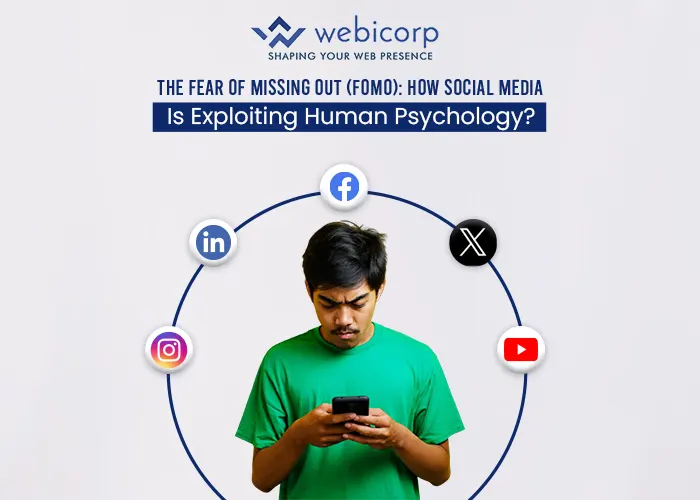
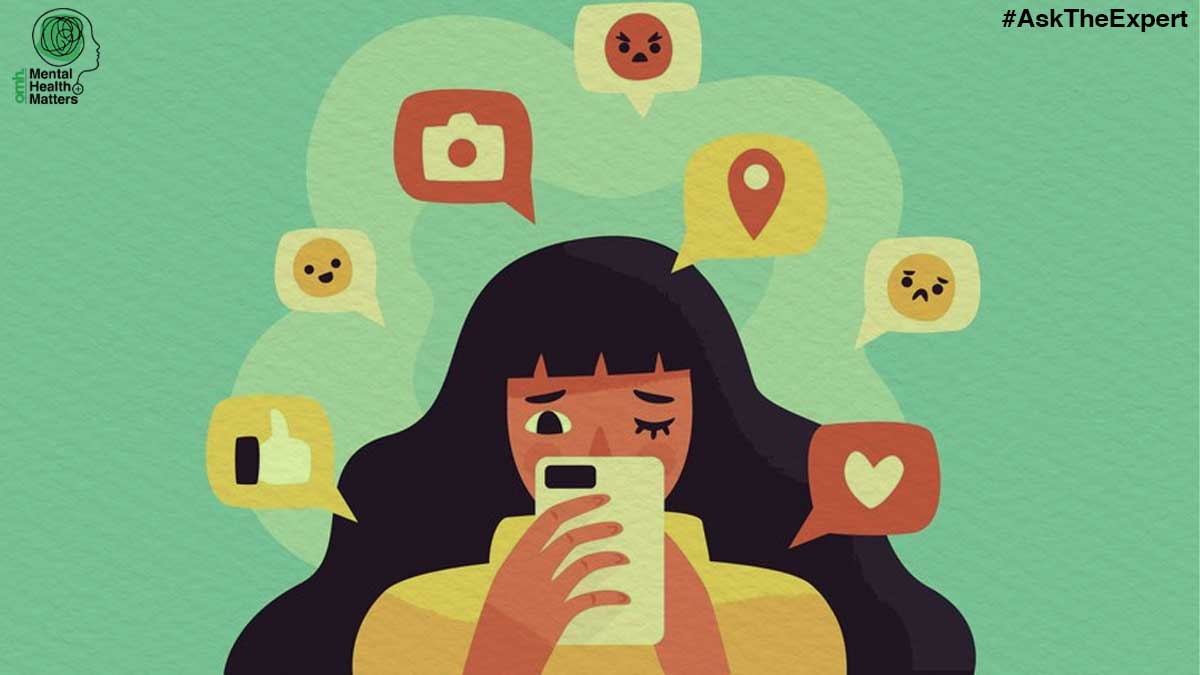
In today's hyper-connected world, social media has become an integral part of our lives. While it offers numerous benefits, such as staying connected with friends and family, sharing experiences, and gaining access to information, it also poses significant risks to our mental well-being. One of the most insidious effects of social media is the phenomenon of Fear of Missing Out (FOMO), which can have far-reaching consequences for our emotional and mental health.
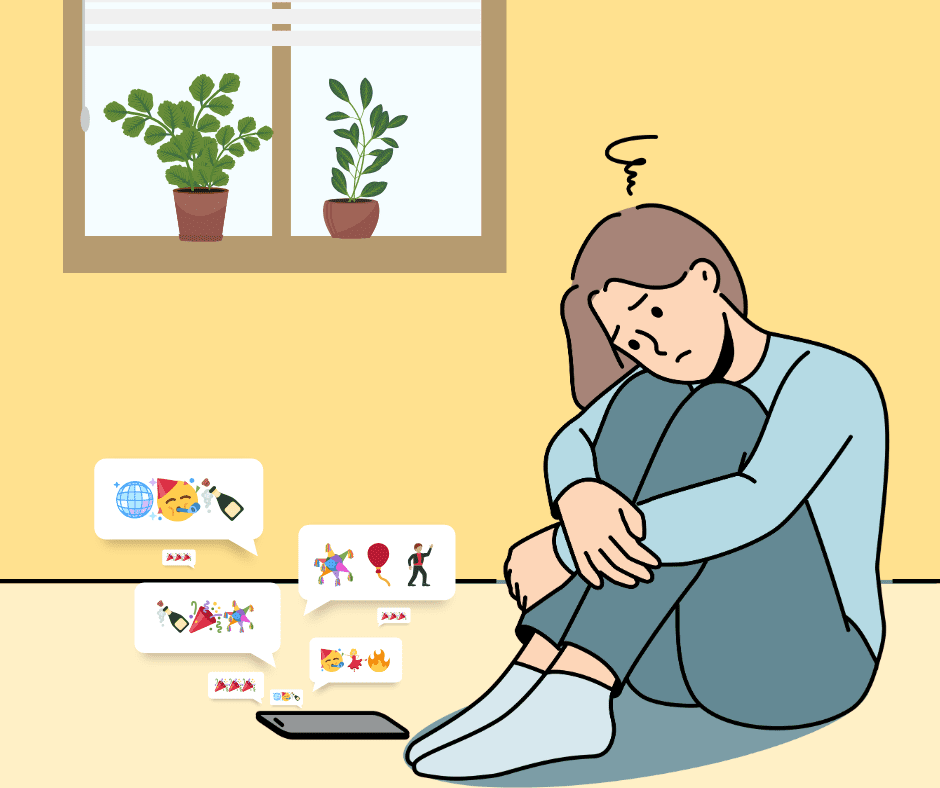
FOMO is characterized by the anxiety that others are having more rewarding experiences than oneself, often fueled by social media. This pervasive sense of missing out can significantly impact our emotional well-being, leading to increased anxiety, depression, and diminished self-esteem. But what exactly is FOMO, and how does it affect our mental health?
What is FOMO?
The term FOMO was first coined in 2004 by psychologist Dan Herman and was used to describe the anxiety people felt when they thought others might be experiencing events or experiences they were not. FOMO is often triggered by social media, where people post updates, photos, and other information that can create feelings of inadequacy or FOMO.
While FOMO can be triggered by various situations, such as missing out on social events or not feeling included in a group, it is most commonly associated with social media use. The constant stream of updates, tweets, and posts can create a sense of FOMO, as people feel pressure to stay connected and avoid missing out.
The Impact of FOMO on Mental Health
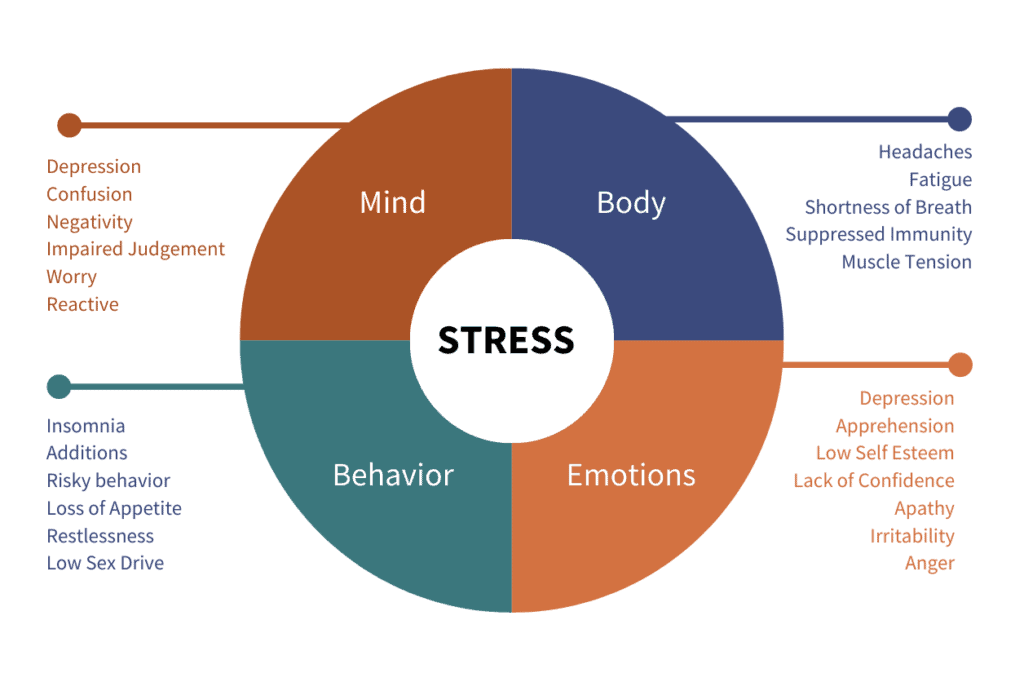
The effects of FOMO on mental health are multifaceted and far-reaching. Some of the most significant consequences include:
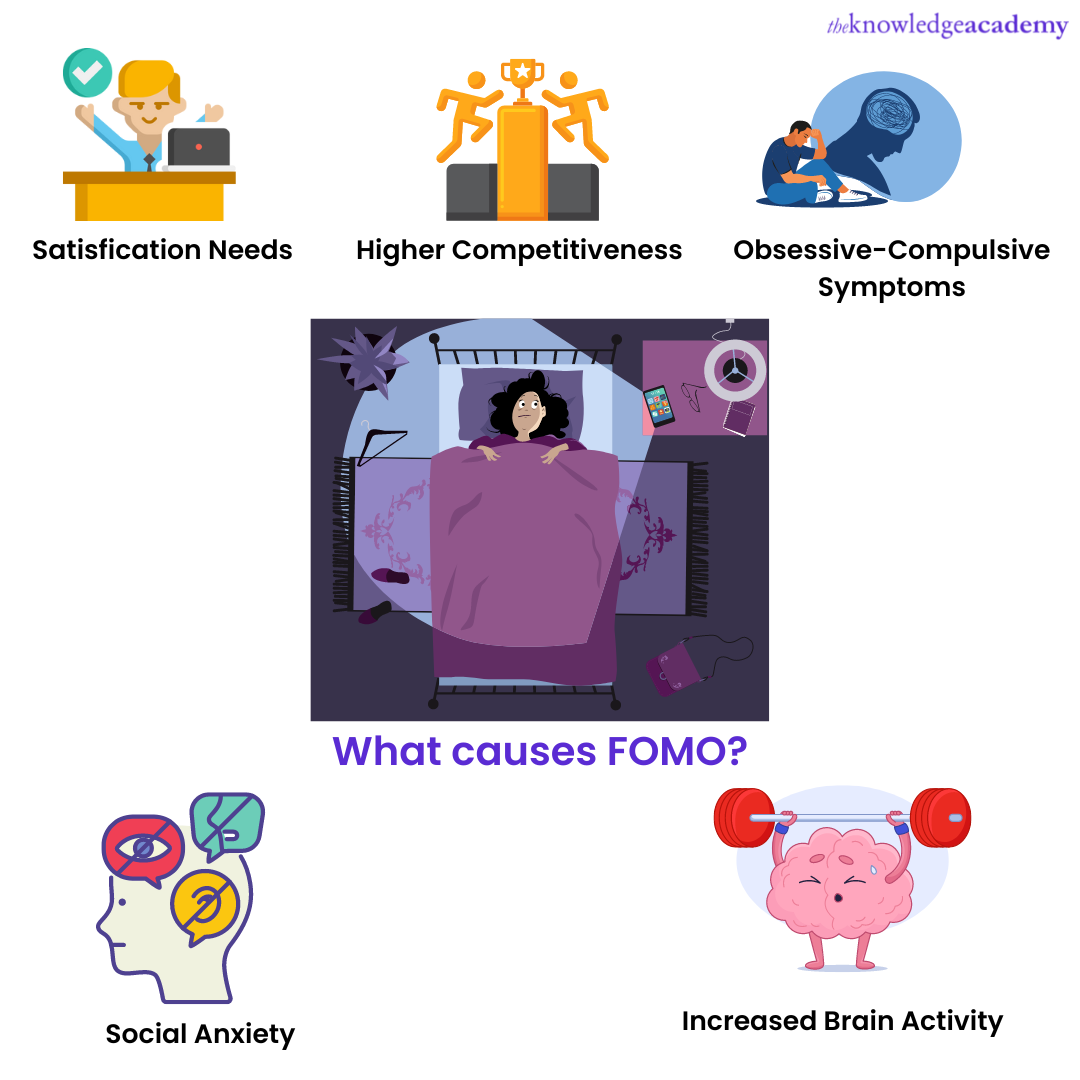
- Anxiety and Stress**: FOMO can lead to increased anxiety and stress levels, as people feel pressure to stay connected and avoid missing out.
- Depression**: FOMO can contribute to feelings of inadequacy, low self-esteem, and depression, as people compare their lives to others on social media.
- Sleep Disturbances**: Social media use, particularly in the hours leading up to bedtime, can disrupt sleep patterns and lead to insomnia and other sleep-related problems.
- Social Isolation**: FOMO can lead to social isolation, as people become increasingly focused on their digital lives and neglect in-person relationships.
- Decreased Productivity**: FOMO can distract people from their work, school, or other activities, leading to decreased productivity and performance.
Coping with FOMO
While FOMO can be challenging to manage, there are several strategies that can help mitigate its effects:
- Mindfulness**: Practicing mindfulness can help people become more aware of their thoughts and feelings, reducing the impact of FOMO.
- Social Media Detox**: Taking breaks from social media can help reduce the pressure to stay connected and avoid FOMO.
- Boundaries**: Establishing boundaries around social media use, such as setting limits on screen time or avoiding social media before bedtime, can help reduce anxiety and stress.
- Self-Compassion**: Practicing self-compassion and self-care can help people develop a more positive self-image and reduce the likelihood of FOMO.
Conclusion
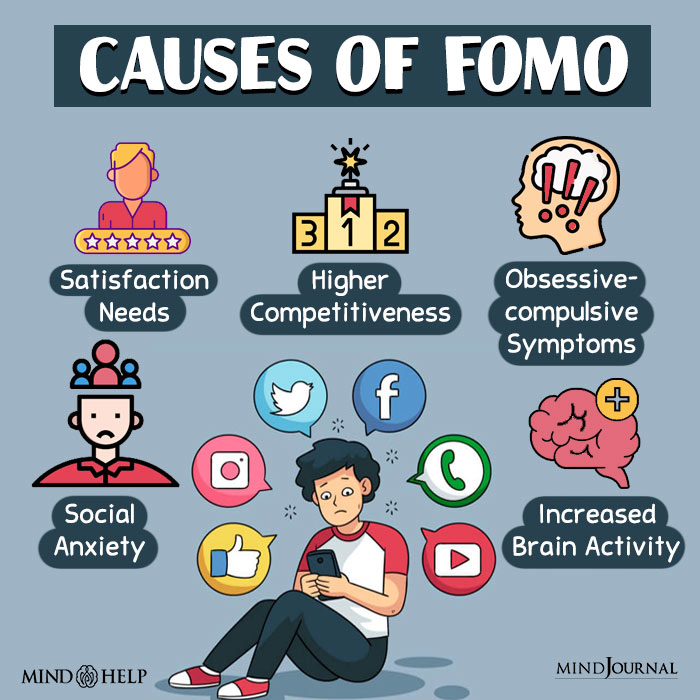
FOMO is a pervasive phenomenon that can have significant consequences for our mental health. By understanding the causes and effects of FOMO, we can take steps to mitigate its impact. By practicing mindfulness, setting boundaries, and prioritizing self-care, we can reduce the pressure to stay connected and avoid missing out. In doing so, we can build greater resilience and improve our overall mental well-being.