Acne Treatment for Bumps on Skin: Causes, Types, and Remedies
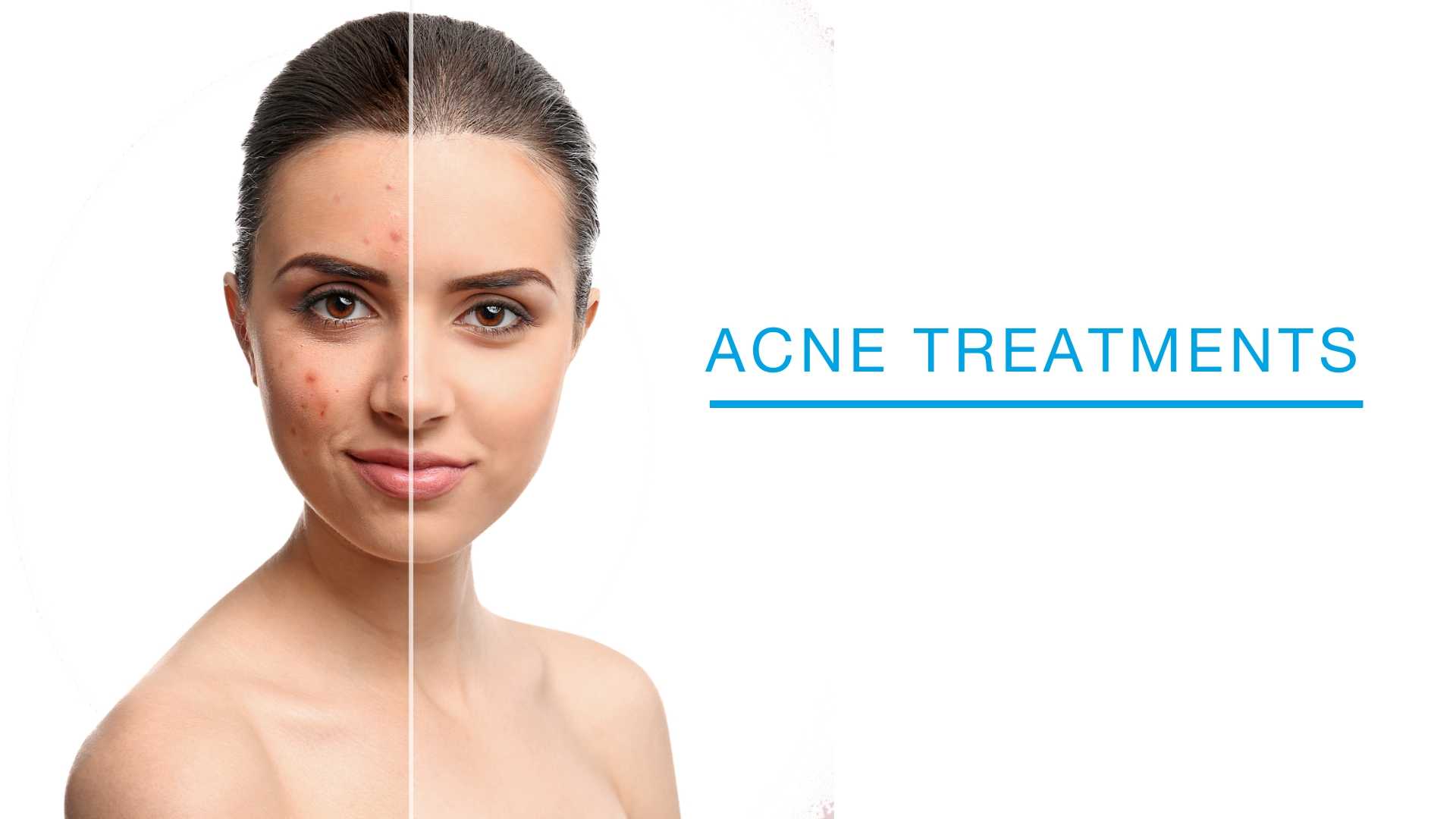
Acne is a common skin condition characterized by the appearance of bumps on the skin, which can be painful, unsightly, and distressing. With various types of acne existing, finding the right treatment for bumps on your skin can be a challenge. This article will explore the causes, types, and remedies for acne bumps, providing you with a comprehensive guide to tackle this skin issue effectively.
Causes of Acne Bumps
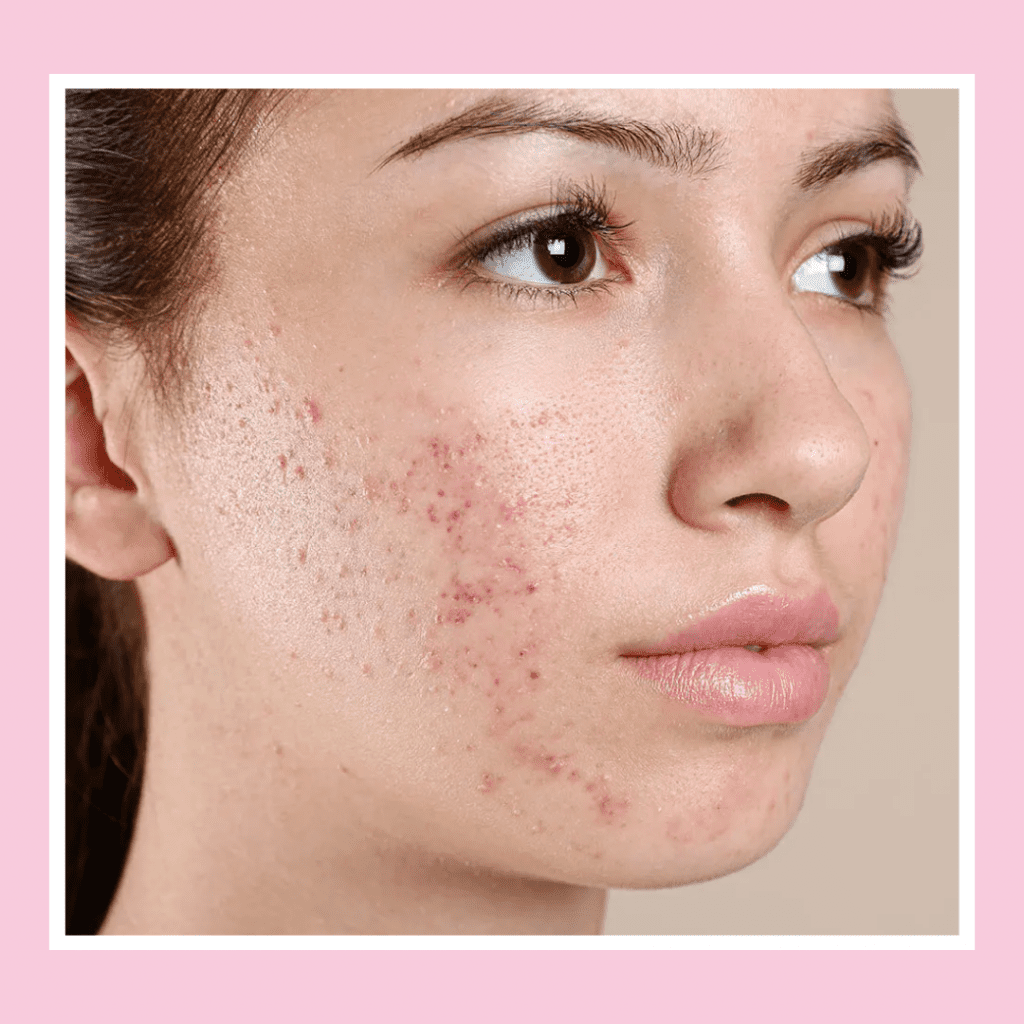
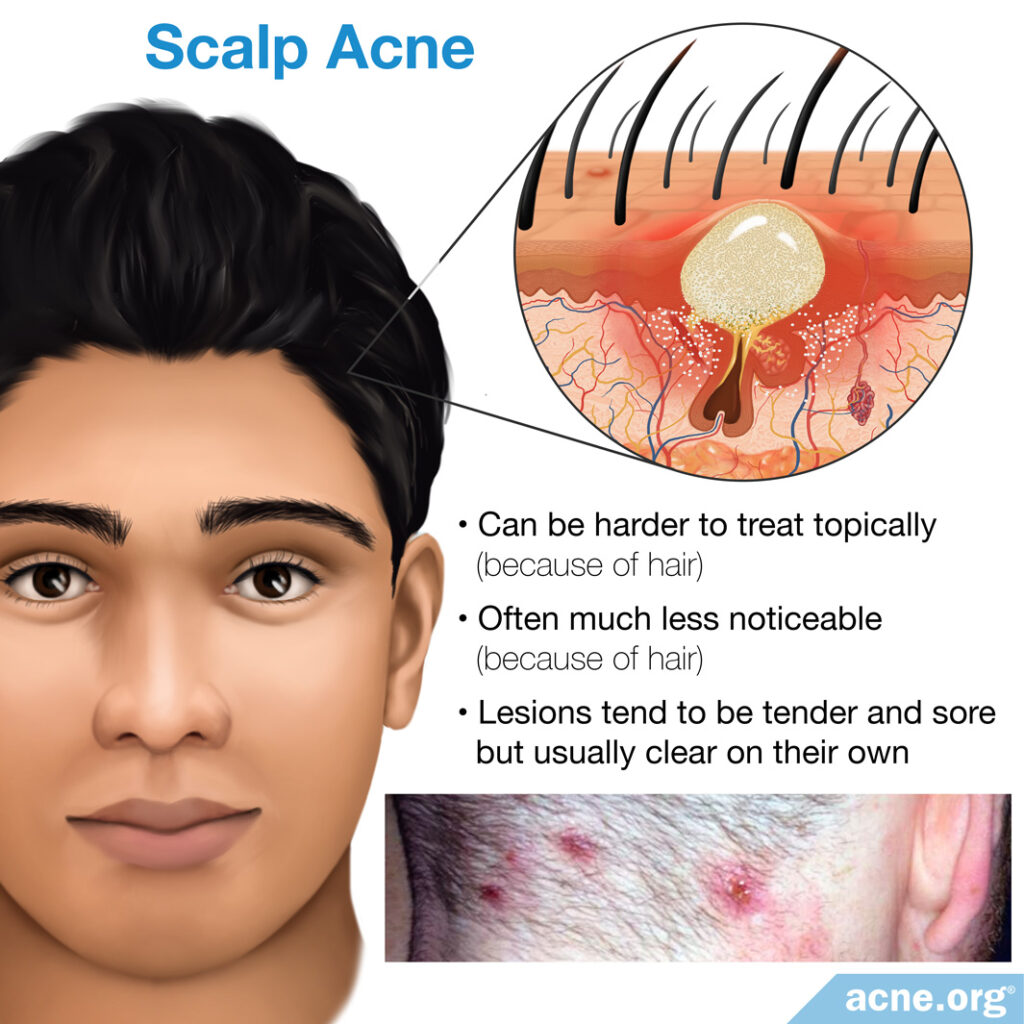
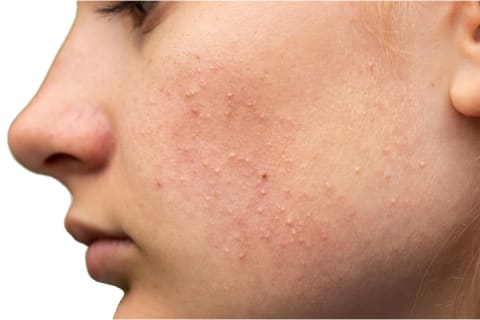
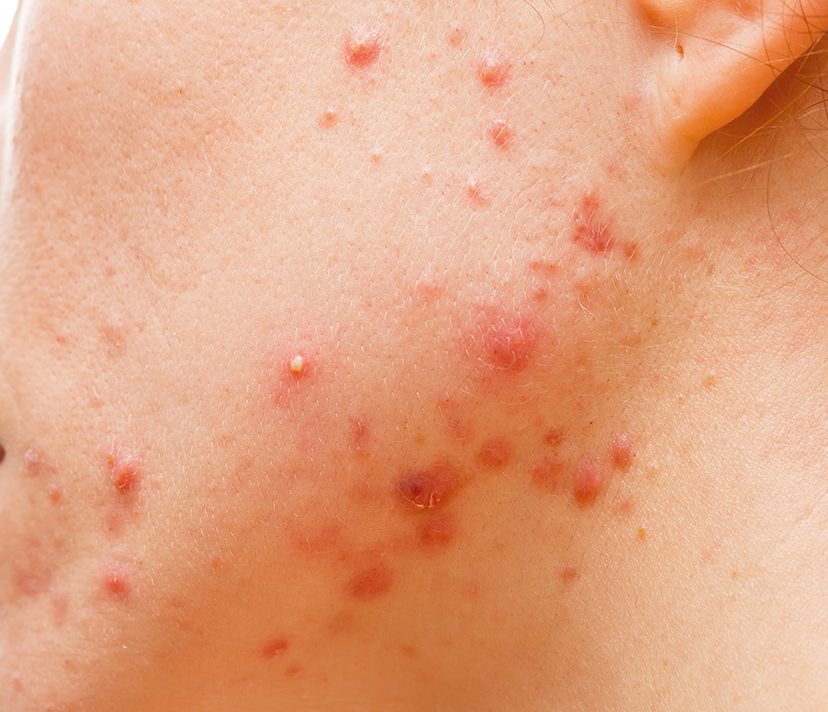
Acne forms when the skin's pores become clogged with a combination of oil, dead skin cells, and bacteria. This clogging can lead to the formation of various types of acne bumps, including papules, pustules, cysts, and nodules. Inflammatory acne, a type of acne, occurs when pores become filled with a mixture of dead skin cells, oil, and bacteria, causing red, swollen, and sore bumps or pus-filled pimples (pustules) or pus-free bumps (papules).
Oil production and hormonal changes can also contribute to acne. During puberty, hormonal fluctuations can lead to increased sebum production, which can clog pores and cause acne. Similarly, stress, certain medications, and genetics can also increase the risk of developing acne.
Types of Acne Bumps
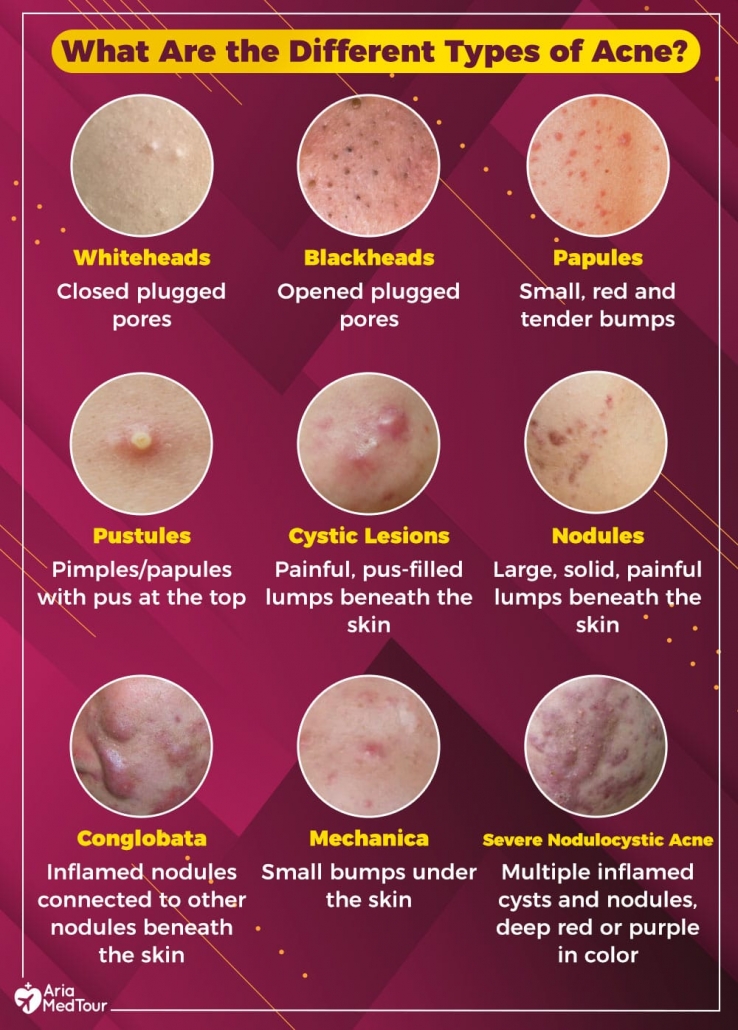
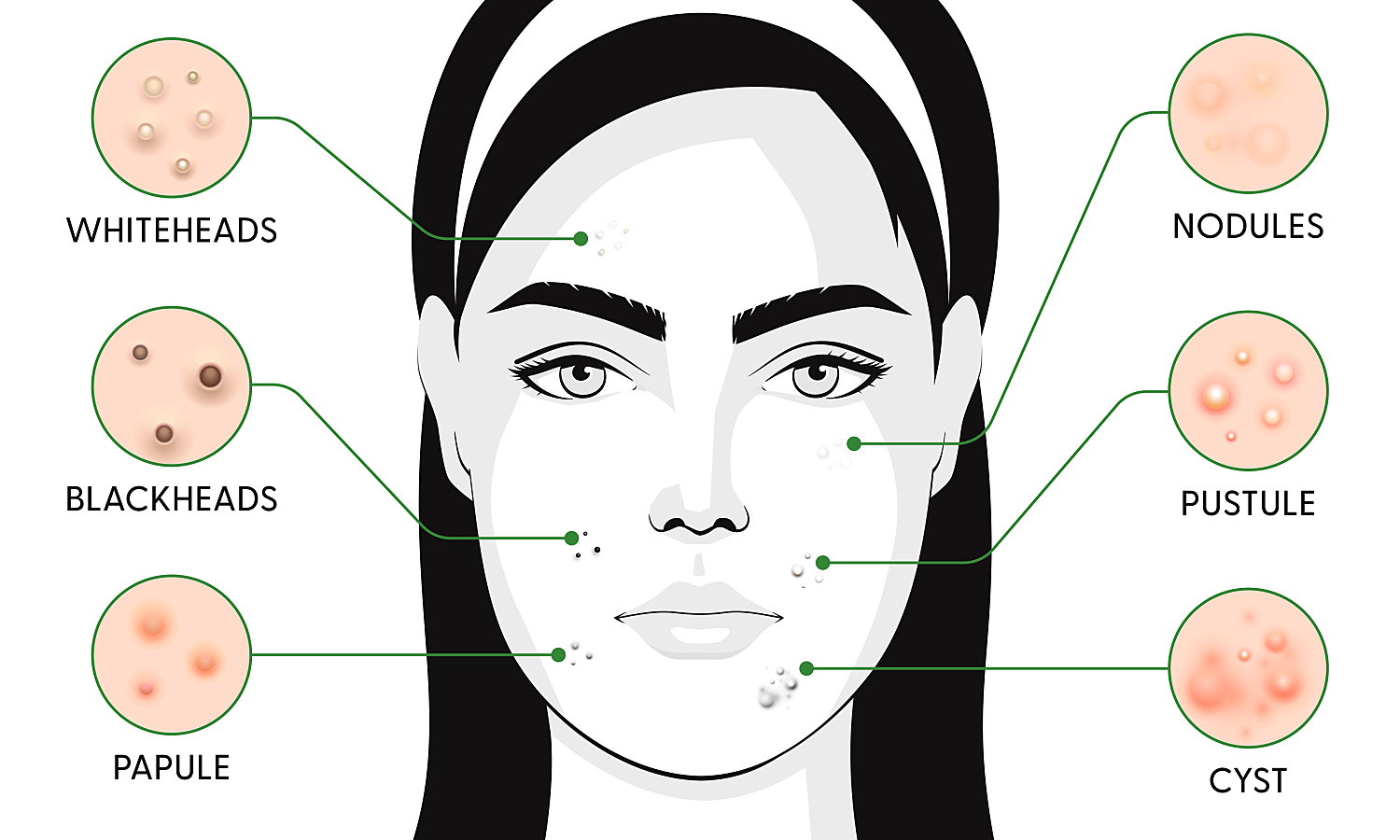
Acne can manifest in various forms, and identifying the type of acne you have is crucial in selecting the most effective treatment. Some common types of acne bumps include:
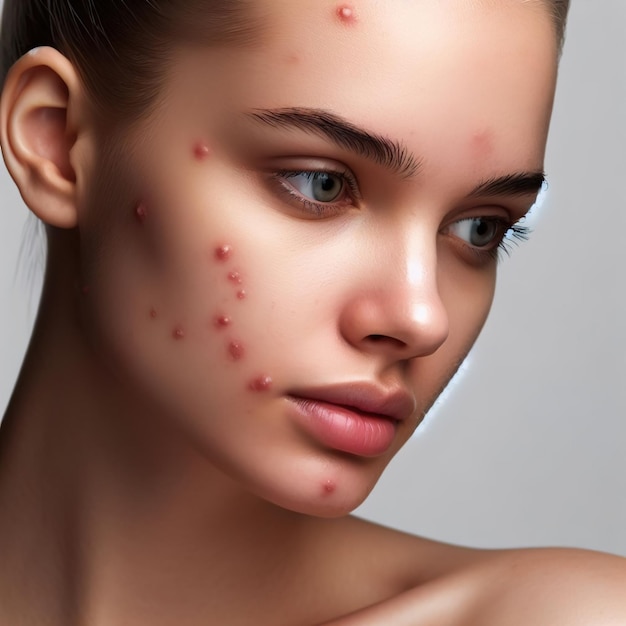
- Papules: Small, pink or red bumps that can feel tender to the touch
- Pustules: Red, tender bumps with white pus
- Nodules: Hard, inflamed, and painful knots deep in the skin
- Cysts: Large, red, painful, and pus-filled breakouts deep in the skin
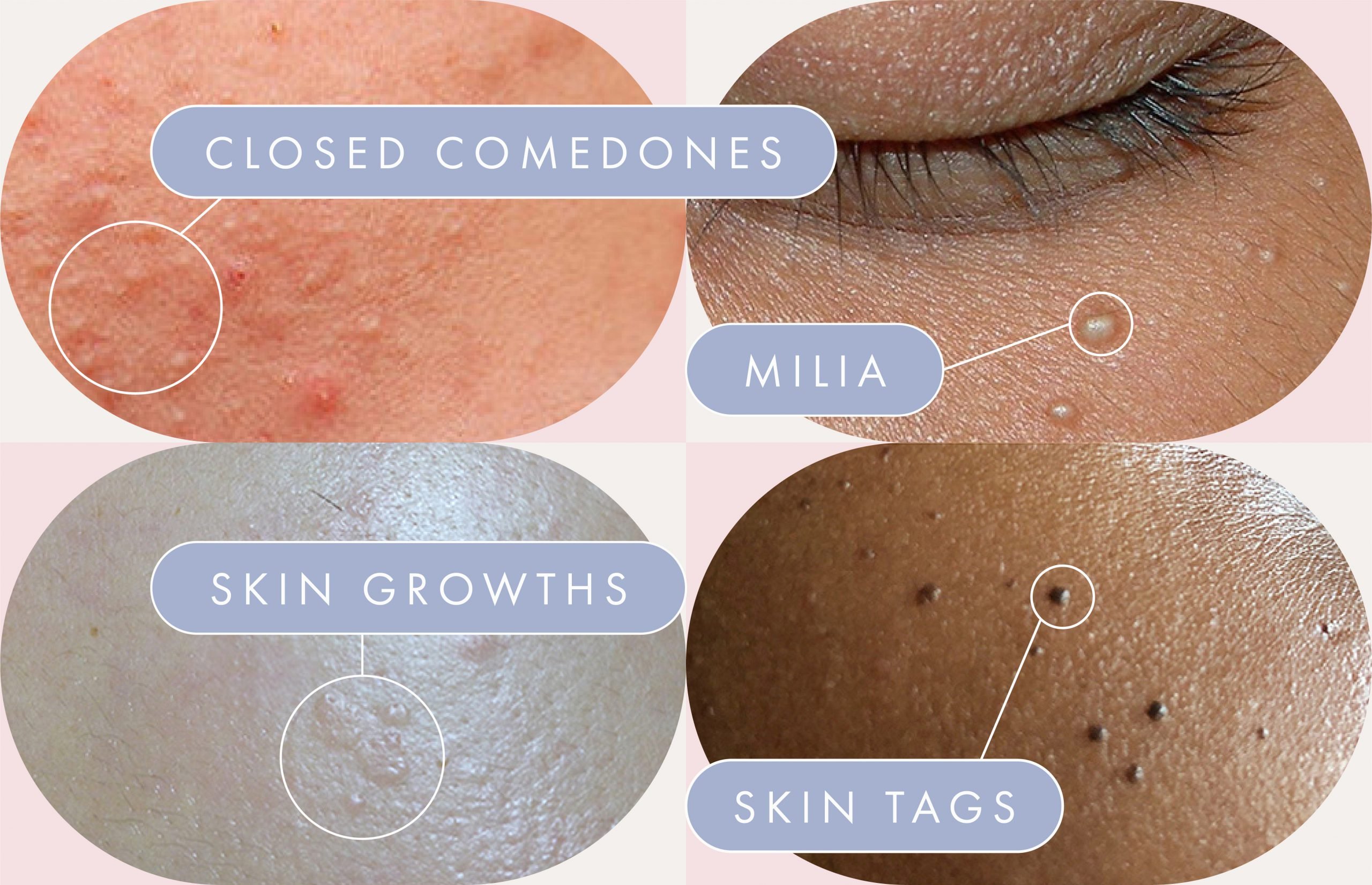
- Comedonal Acne: Clogged pores (blackheads and whiteheads)
- Rosacea: Redness, acne-like bumps, and sometimes small, pus-filled bumps
Treatment Options for Acne Bumps
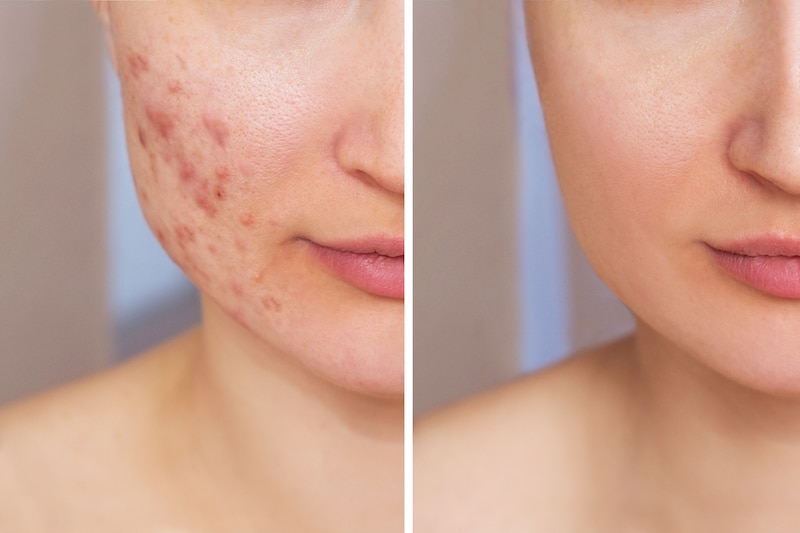
While over-the-counter acne treatments containing benzoyl peroxide and salicylic acid can help with mild to moderate acne, more severe cases may require prescription medication. Antibiotics, retinoids, and isotretinoin may be prescribed to treat inflammatory acne, while cortisone injections can be used for severe cysts and nodules.
In addition to medical treatments, there are several natural remedies that can help alleviate acne bumps. These include:
- Green tea: Its antioxidant properties can help reduce inflammation and prevent scarring
- Tea tree oil: Known for its antibacterial properties, tea tree oil can help control bacteria that cause acne
- Ice: Applying ice can reduce redness and inflammation
- Exfoliation: Regular exfoliation with a gentle scrub or chemical exfoliant can help remove dead skin cells and unclog pores
Preventing Acne Bumps
Preventing acne bumps from forming can be easier than treating them. Here are some tips to help keep your skin clear:
- Wash your face twice a day with a gentle cleanser
- Use non-comedogenic products that won't clog pores
- Exfoliate regularly to prevent dead skin cells from clogging pores
- Keep your hair clean and avoid touching your face
- Reduce stress through relaxation techniques like meditation or yoga
Conclusion
Acne bumps can be a frustrating and distressing skin issue, but with the right knowledge and treatment, it's possible to tackle them effectively. By understanding the causes and types of acne, you can select the most suitable treatment and take preventative measures to keep your skin clear. Remember, patience and persistence are key, and it may take time and a combination of treatments to achieve the desired results.