Setting Screen Time Limits for Kids at Home: Everything You Need to Know
As a parent, managing your child's screen time can be a daunting task. With the rise of technology and the constant availability of screens, it's easy for kids to get sucked into the vortex of endless scrolling, gaming, and video-watching. But excessive screen time can have serious consequences on a child's physical and mental health, social skills, and academic performance.
Why Setting Screen Time Limits is Important
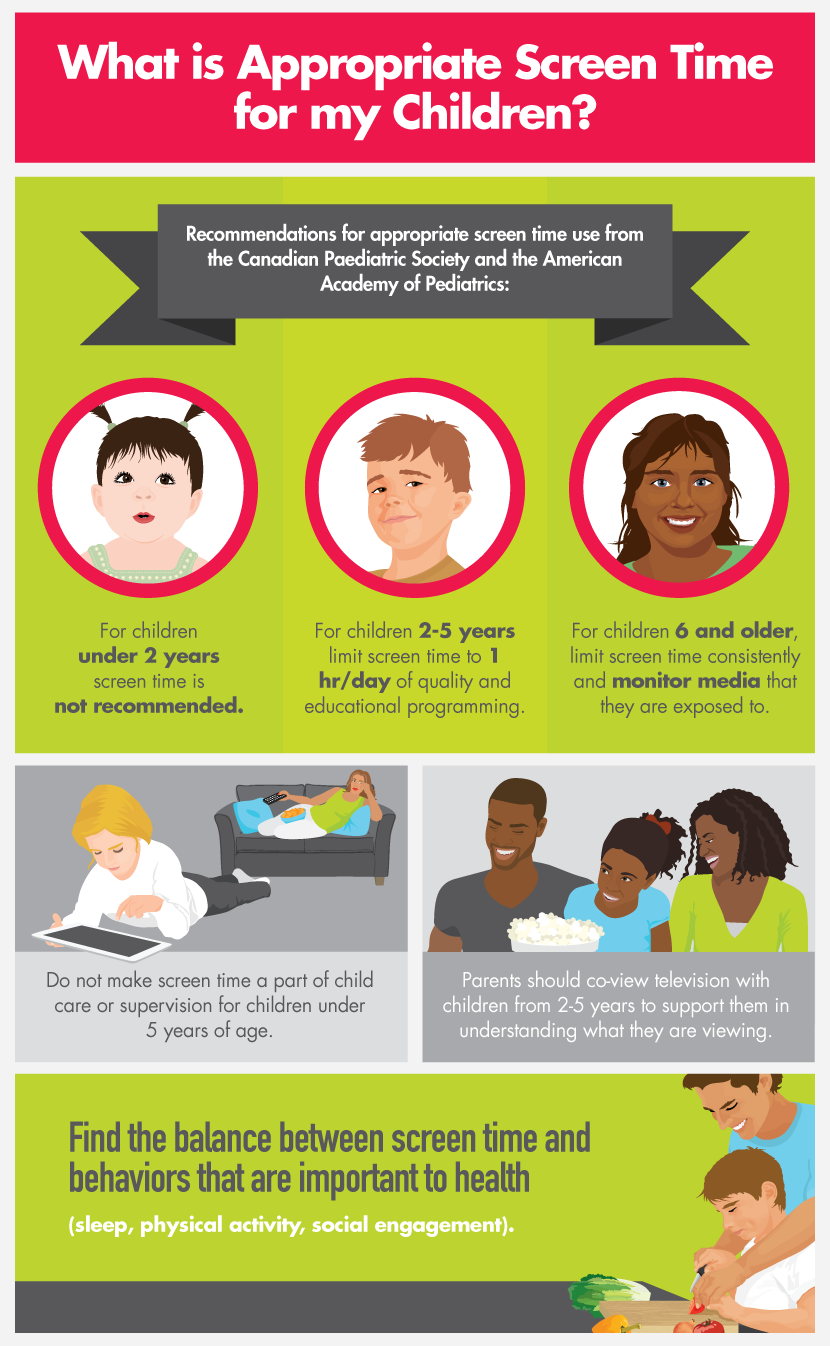
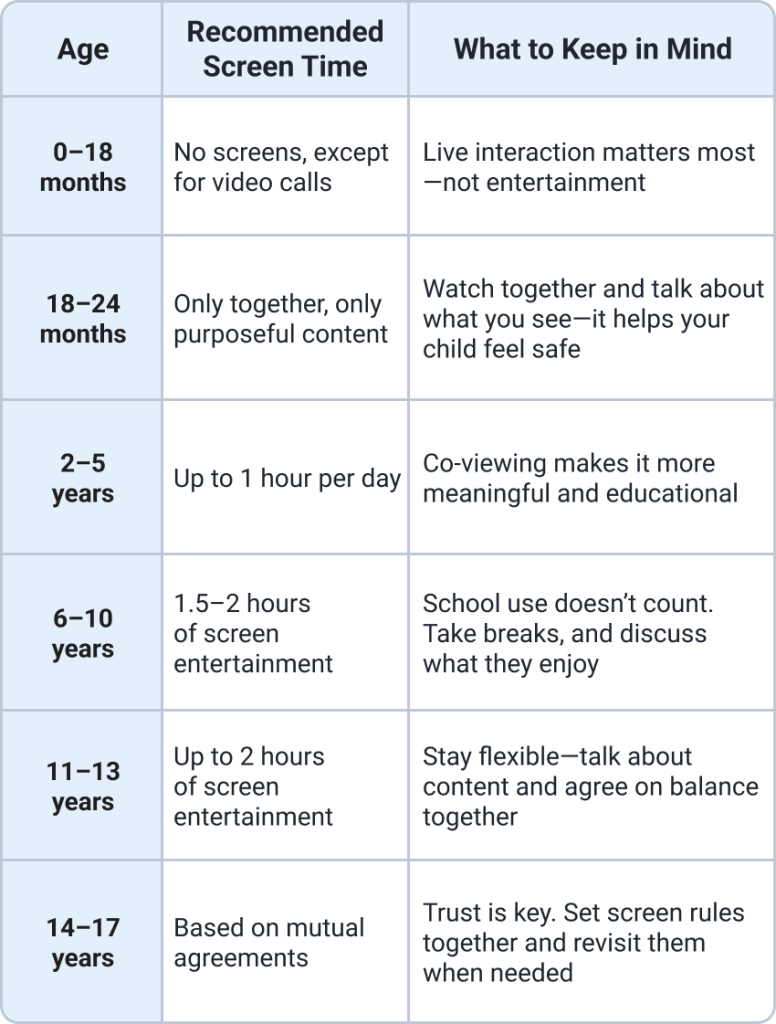
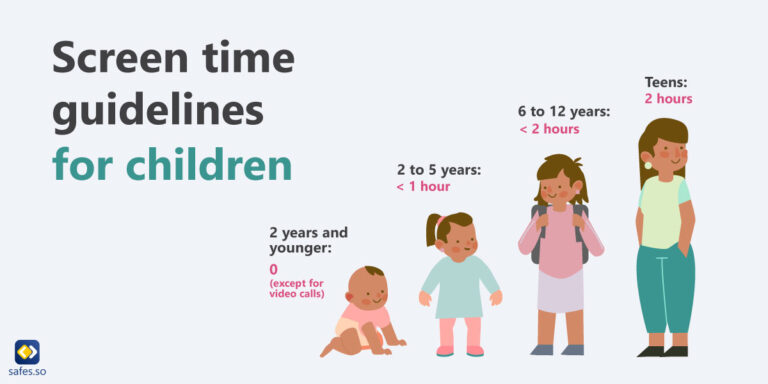
The American Academy of Pediatrics (AAP) recommends setting limits on children's screen time to ensure they engage in a balanced and healthy lifestyle. The guidelines suggest that children under 18 months should avoid screens altogether, except for video chatting with loved ones. For children aged 2-5, screen time should be limited to one hour per day of high-quality educational content, with parents actively involved. For children 6 and older, screen time should be consistent with their individual needs and developmental stage.
Screen Time Guidelines by Age
- Under 18 Months: Avoid screens altogether, except for video chatting with loved ones.
- 18-24 Months: Some high-quality educational content with an adult.
- 2-5 Years: Limit screen time to one hour per day of high-quality educational content, with parents actively involved.
- 6 and Older: Set consistent limits that ensure screen time doesn't interfere with sleep, physical activity, or other important behaviors.
Signs Your Child is Spending Too Much Time on Screens
Excessive screen time can lead to a range of negative effects, including:
- Near-sightedness and vision problems.
- Weight gain and obesity.
- Reduced sleep quality and duration.
- Increased risk of addiction, depression, and anxiety.
- Decreased social skills and relationships.
Setting Reasonable Screen Time Limits
So, how do you set reasonable screen time limits for your child? Here are some tips:
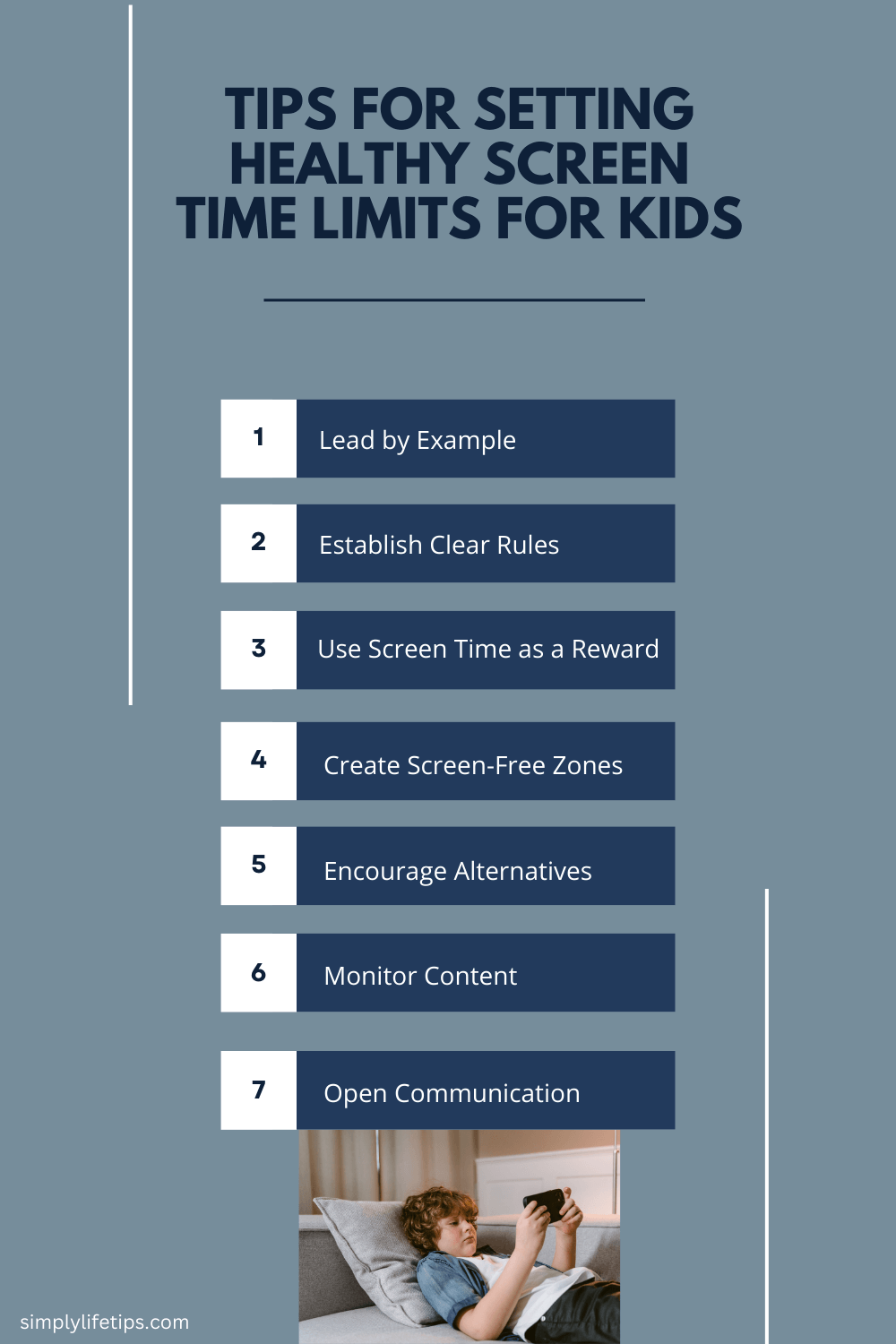
- Create a family media plan that outlines screen-free zones and times.
- Set limits based on your child's age and developmental stage.
- Establish screen-free times, such as during meals or before bedtime.
- Encourage physical activity and outdoor play.
- Monitor and engage with your child's screen time.
Strategies for Reducing Screen Time
Reducing screen time can be challenging, but here are some strategies to help you get started:
- Replace screens with other activities, such as reading, drawing, or building.
- Set clear rules and consequences for excessive screen time.
- Encourage physical activity and outdoor play.
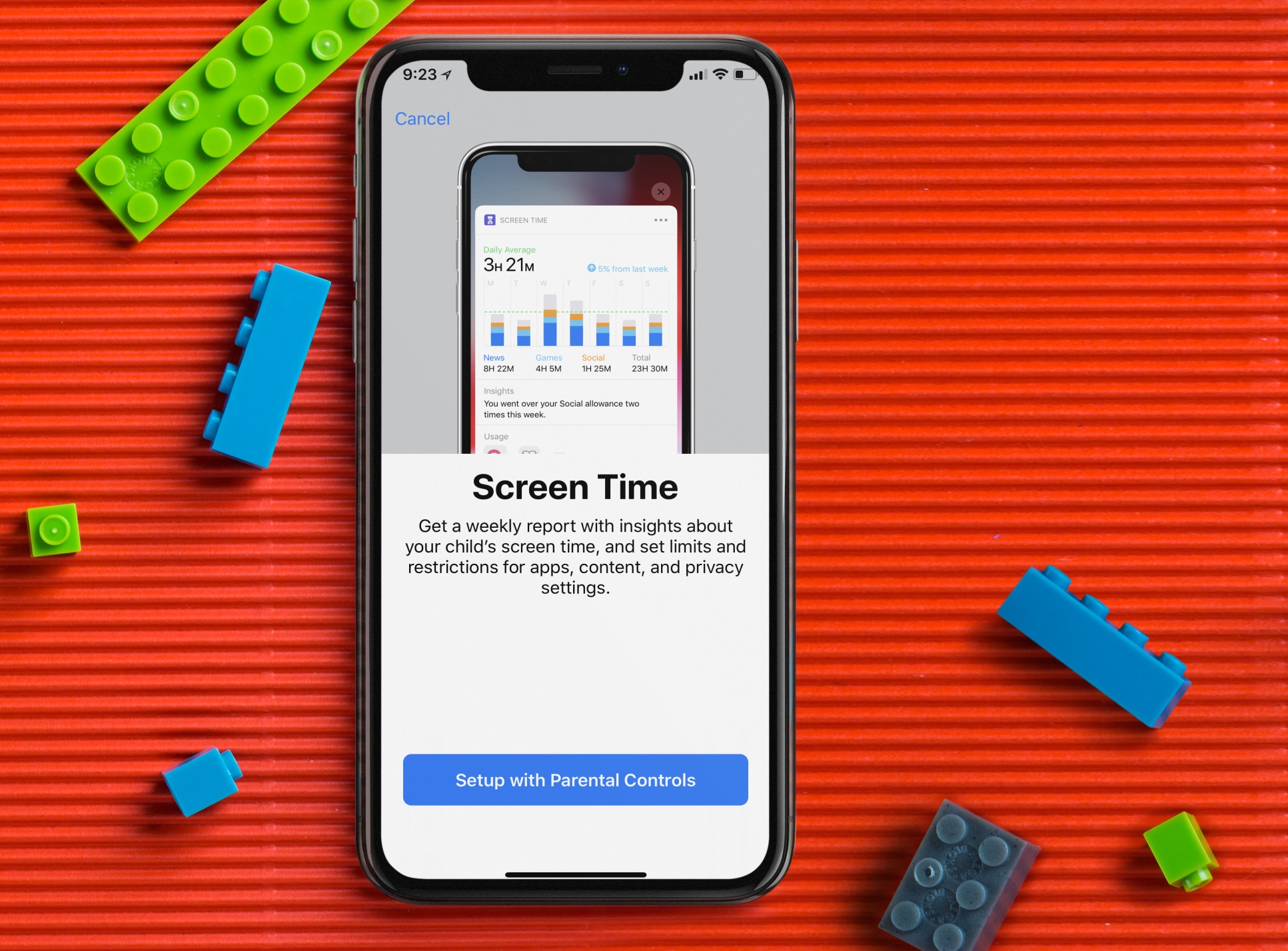
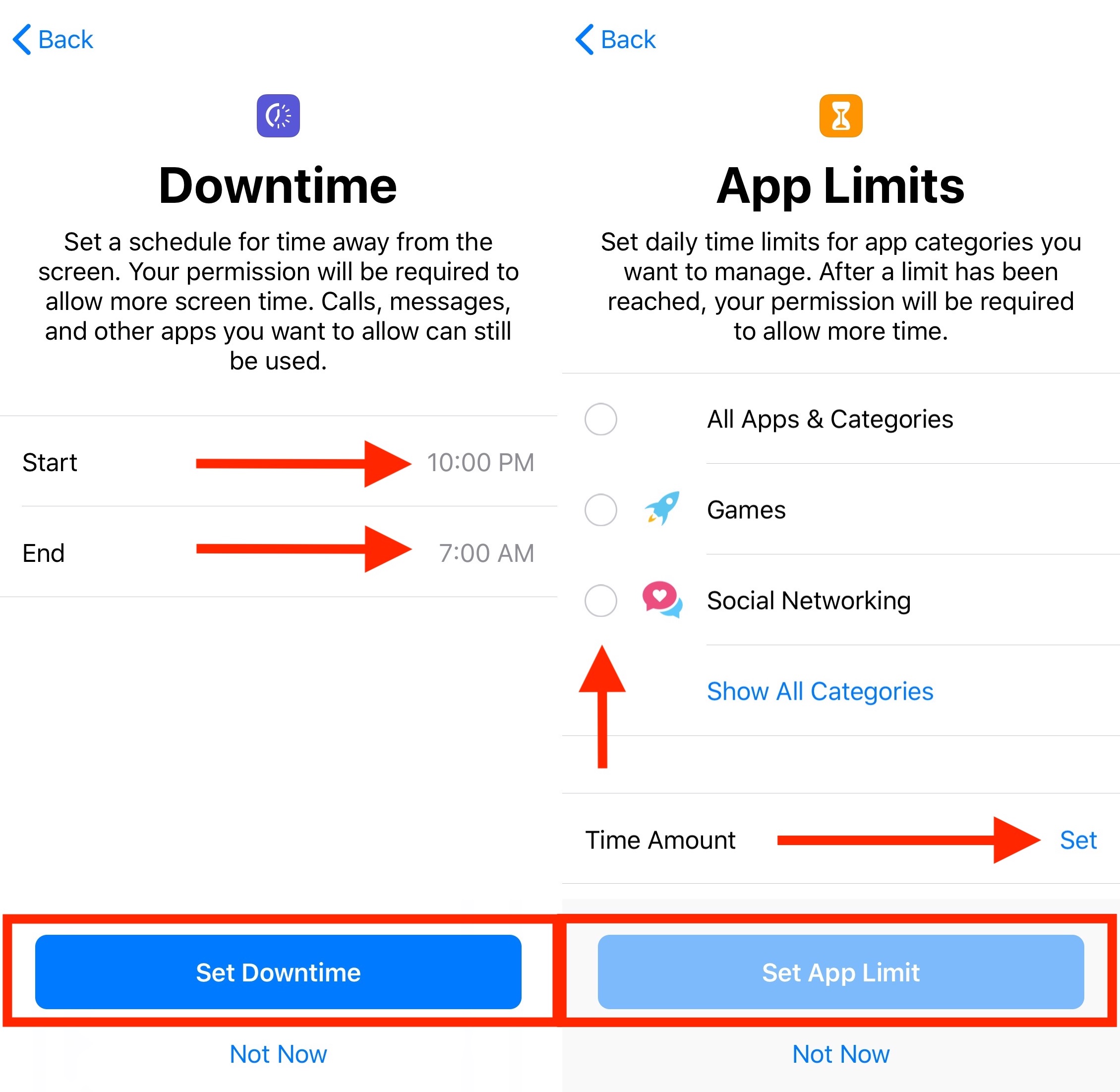
- Use parental control software to limit screen time.
- Prioritize family time and engage in activities together.
Conclusion
Setting screen time limits is an essential part of raising healthy and happy children. By understanding the effects of excessive screen time and implementing strategies to reduce it, you can help your child develop a balanced and healthy lifestyle. Remember, every child is different, and what works for one child may not work for another. Be flexible, communicate with your child, and prioritize their well-being.