How to Get a Job in a Dermatology Services Industry
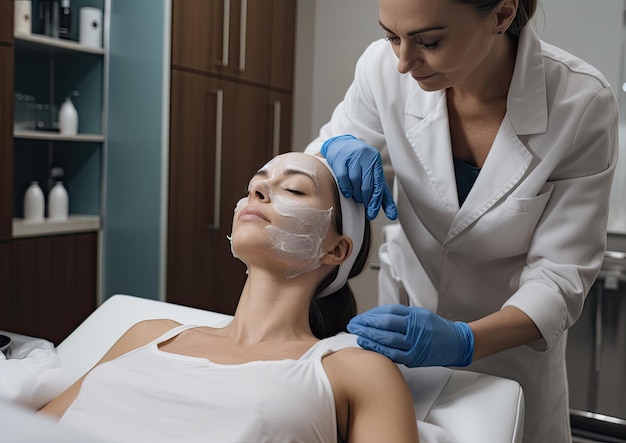
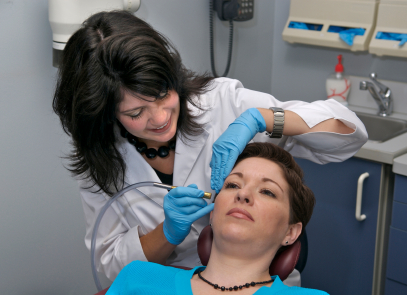
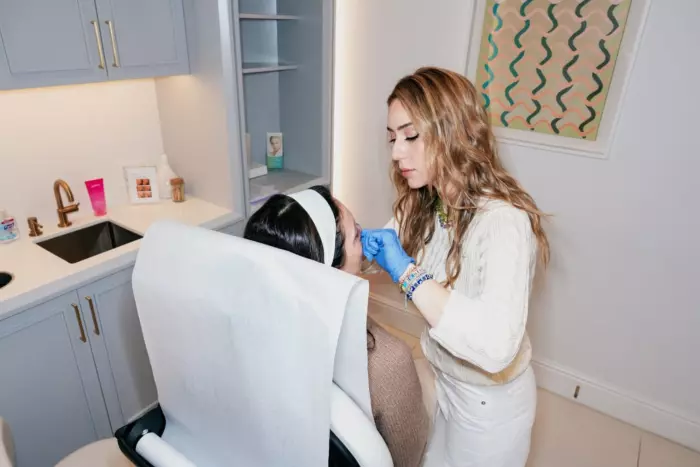
Dermatology is a medical specialty that deals with the diagnosis and treatment of disorders and diseases related to the skin, hair, and nails. The dermatology industry is a rapidly growing field with a wide range of career opportunities for professionals who are passionate about skin health and patient care. If you're interested in pursuing a career in the dermatology services industry, here's a step-by-step guide to help you get started.
Step 1: Meet the Basic Requirements
To become a dermatologist or a dermatology professional, you typically need to have a strong foundation in the sciences, particularly biology, chemistry, and physics. A bachelor's degree in a relevant field such as biology, chemistry, or a related field is usually required. Many aspiring dermatologists also choose to pursue a master's or doctoral degree in a related field to gain advanced knowledge and skills.
Step 2: Pursue a Medical Degree
To become a dermatologist, you'll need to earn a medical degree (M.D. or D.O.) from an accredited medical school. This typically involves four years of undergraduate studies followed by four years of medical school. During medical school, you'll study a wide range of subjects, including anatomy, biochemistry, pharmacology, and pathology.
Step 3: Complete a Dermatology Residency Program
After medical school, you'll need to complete a dermatology residency program, which typically lasts three to four years. This hands-on training provides valuable experience in diagnosing and treating skin conditions, as well as developing the skills necessary to become a confident and competent dermatologist.
Step 4: Gain Experience
After completing a residency program, you can gain experience by working as a dermatology fellow, assistant, or associate. This will help you build your skills and knowledge in the field and prepare you for a career as a dermatologist.
Step 5: Obtain Licensure and Certification
Most states require dermatologists to be licensed to practice medicine. You'll need to pass the United States Medical Licensing Examination (USMLE) and obtain a medical license from the state in which you plan to practice. Additionally, you may choose to become certified by the American Board of Dermatology (ABD) or the American Osteopathic Board of Dermatology (AOBD).

Step 6: Network and Join Professional Organizations
Joining professional organizations, such as the American Academy of Dermatology (AAD) or the Skin Cancer Foundation, can help you stay up-to-date on the latest research and developments in the field, network with other professionals, and participate in continuing education opportunities.
Step 7: Stay Current with Continuing Education
To maintain your licensure and stay current with the latest advancements in the field, you'll need to complete continuing education courses and stay up-to-date with the newest treatments, medications, and technologies.
Benefits of a Career in Dermatology
The dermatology services industry offers many benefits for professionals, including:
- Work-life balance: Dermatologists often have a better balance between work and personal life due to the relatively stable schedule of an office-based practice.
- Flexible scheduling: Many dermatologists enjoy flexible scheduling, allowing them to create a schedule that works for them.
- Opportunities for specialization: Dermatology is a diverse field with many subspecialties to choose from, offering opportunities for professionals to specialize and become experts in a specific area.
- Good compensation: Dermatologists are generally well-compensated, with salaries ranging from $200,000 to over $600,000 depending on experience and location.
Types of Dermatology Jobs
There are many types of dermatology jobs, including:
- Dermatologist: A medical doctor specializing in the diagnosis and treatment of skin, hair, and nail disorders.
- Dermpathologist: A pathologist who specializes in the examination and study of skin tissue samples.
- Dermatology research assistant: An assistant who works alongside researchers in the field of dermatology.
- Medical dermatology assistant: A healthcare professional who assists dermatologists with patient care and office duties.