The Entrepreneurial Journey: Navigating the Path to Success
The entrepreneurial journey is a complex and multifaceted path that requires resilience, grit, and a growth mindset. It involves identifying opportunities, taking calculated risks, and navigating the challenges that come with building and growing a business. In this article, we will explore the different stages of the entrepreneurial journey, the rewards and risks involved, and provide actionable strategies for success.
Understanding the Entrepreneurial Journey
The entrepreneurial journey refers to the path an individual takes in starting and growing a new business venture. It encompasses the various stages, decisions, and actions involved in entrepreneurship, from idea generation to business launch and beyond. The journey is unique to each entrepreneur and is shaped by their experiences, skills, and circumstances.
Stages of the Entrepreneurial Journey
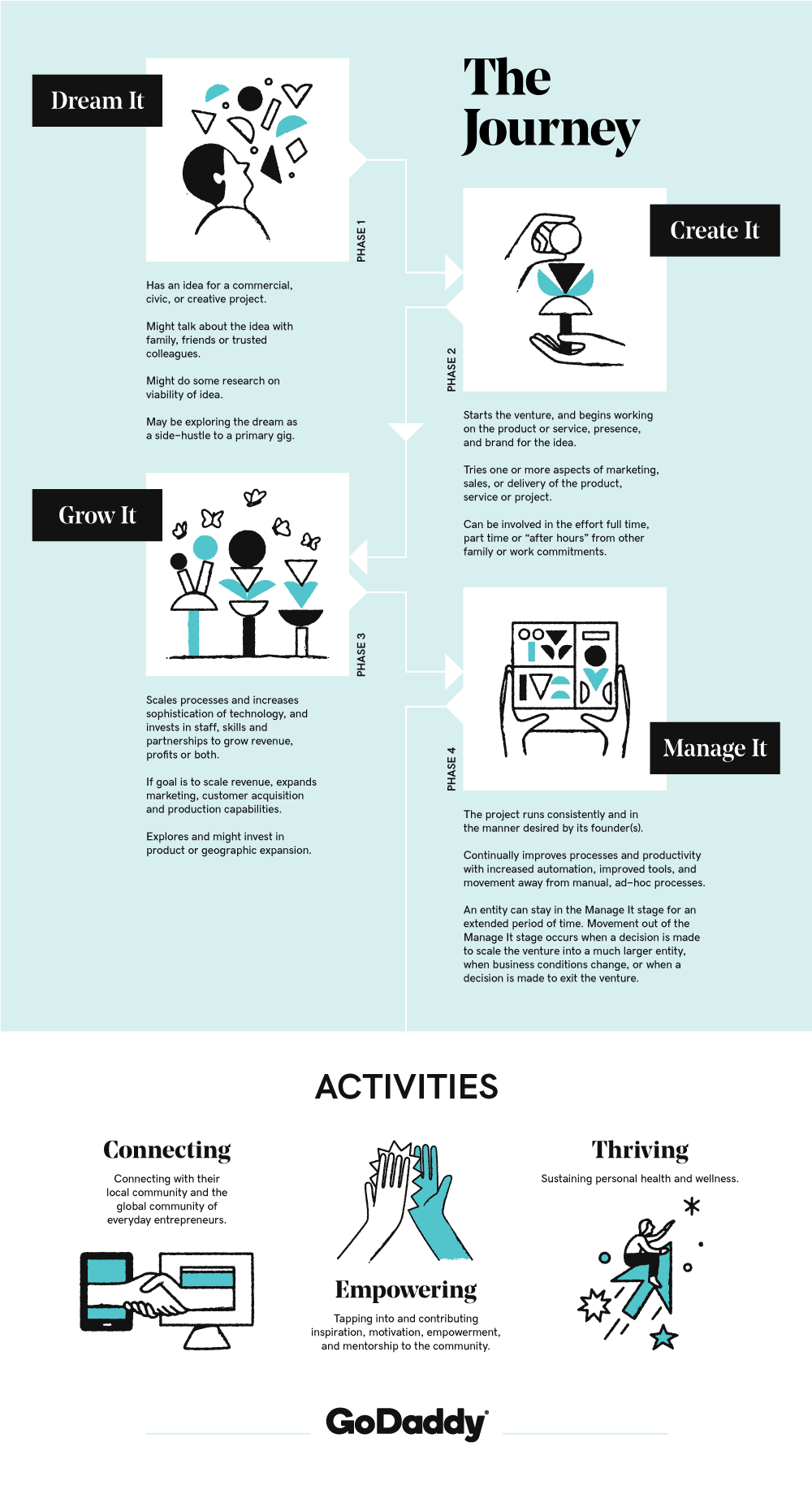
Research has identified several stages of the entrepreneurial journey, including:
- Pre-startup stage: This is the initial stage where entrepreneurs identify opportunities, conduct market research, and develop a business plan.
- Startup stage: This stage involves launching the business, securing funding, and building a team.
- Growth stage: In this stage, the business expands its operations, hires more staff, and scales its operations.
- Maturity stage: At this stage, the business has achieved stability and is focused on maintaining its market share and exploring new opportunities.
- Exit stage: This is the final stage where entrepreneurs exit the business, either through sale, merger, or liquidation.
Actionable Strategies for Success
To navigate the entrepreneurial journey successfully, entrepreneurs need to possess certain skills and qualities, including:

- Resilience**: The ability to bounce back from failures and setbacks.
- Grit**: The determination and perseverance required to achieve long-term goals.
- Growth mindset**: The willingness to learn, adapt, and evolve in response to changing circumstances.
- Strategic thinking**: The ability to make informed decisions and create a clear vision for the business.
- Networking**: The ability to build relationships, collaborate with others, and access resources and expertise.
Rewards and Risks of the Entrepreneurial Journey
The entrepreneurial journey offers many rewards, including:
- Autonomy**: The freedom to pursue one's passions and create something from scratch.
- Financial rewards**: The potential for high returns on investment and financial independence.
- Personal growth**: The opportunity to develop new skills, build confidence, and achieve personal milestones.
- Impact**: The ability to create jobs, stimulate economic growth, and make a positive impact on society.
However, the entrepreneurial journey also involves risks, including:
- Financial risk**: The potential for financial losses, debt, and bankruptcy.
- Time commitment**: The need to invest significant time and effort into building and growing the business.
- Uncertainty**: The unpredictability of market conditions, customer behavior, and regulatory changes.
- Emotional stress**: The pressure to perform, the fear of failure, and the emotional toll of entrepreneurship.
Conclusion
The entrepreneurial journey is a complex and multifaceted path that requires resilience, grit, and a growth mindset. By understanding the different stages of the journey, developing the necessary skills and qualities, and being aware of the rewards and risks involved, entrepreneurs can increase their chances of success and achieve their goals.







.png "Embarking on the Entrepreneurial Journey: Beginner's Guide")