Reducing Attention Span: Understanding the Science and Taking Control
In today's fast-paced digital age, it's no secret that our attention spans have taken a hit. With the constant stream of notifications, social media updates, and breaking news, it's becoming increasingly challenging to focus on a single task for an extended period. But is it too late to take control of our attention span and improve our productivity?
The Alarming Decline of Attention Span
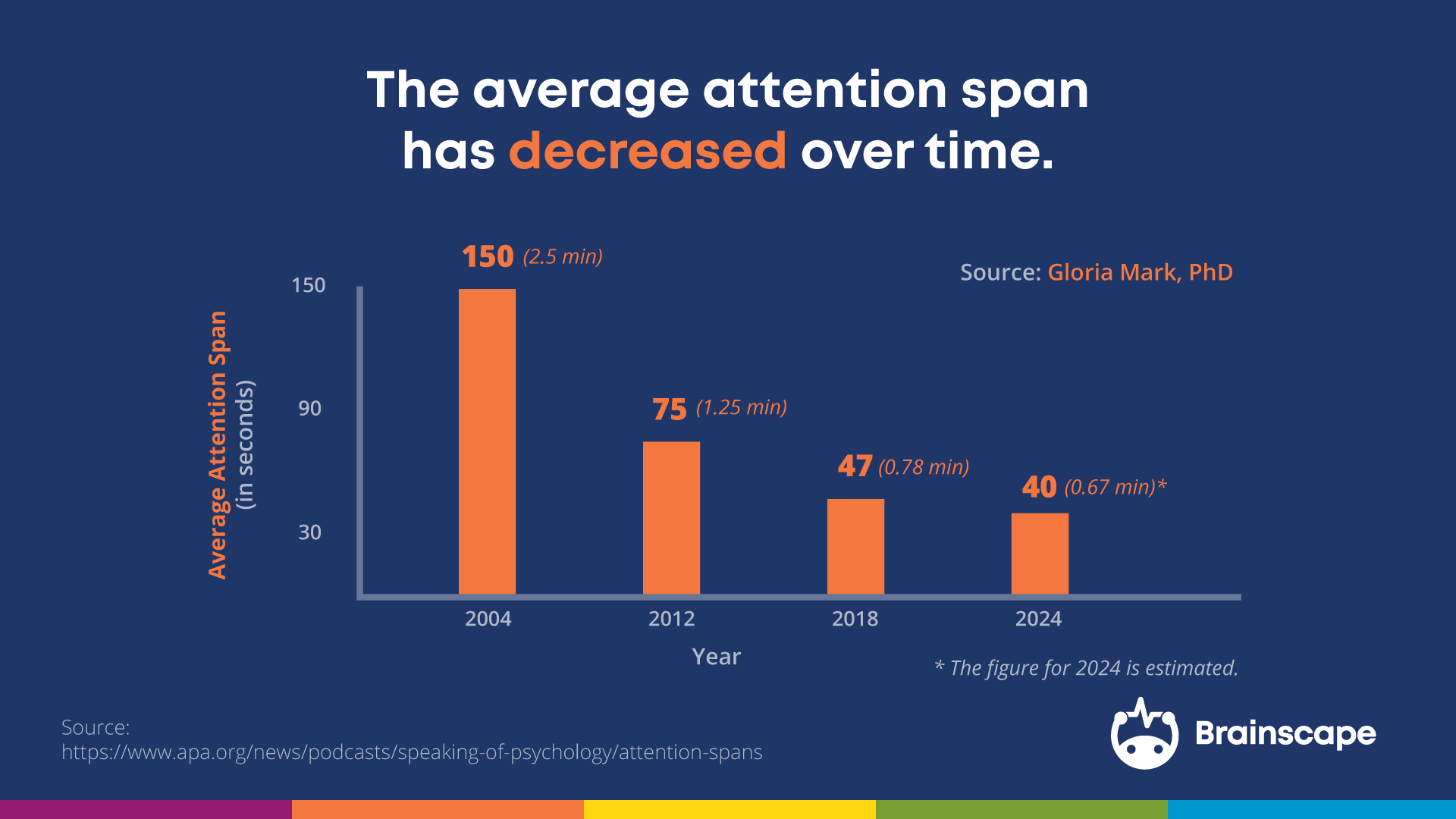
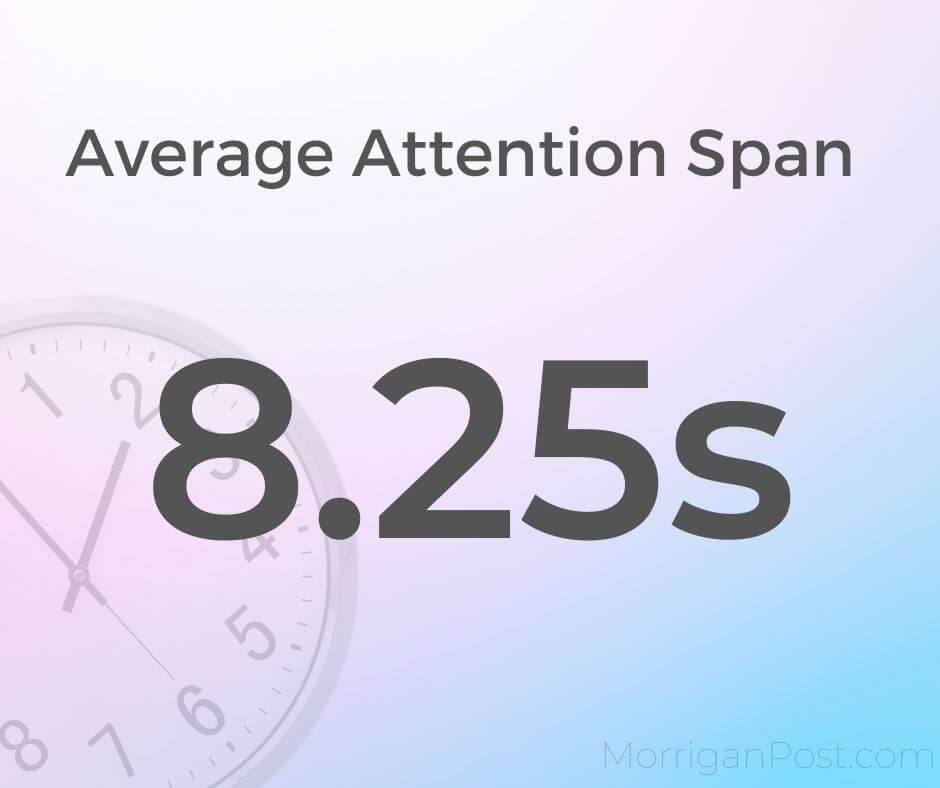
Research suggests that our attention spans have decreased significantly over the past few decades. A study by Microsoft Canada found that since 2000, the average attention span of a person has dropped from 12 seconds to 8 seconds. This decline is not just a matter of personal concern; it has severe implications for our daily lives, work performance, and overall well-being.
The Causes of Reducing Attention Span
So, what's behind this alarming decline in attention span? Several factors contribute to this phenomenon, including:
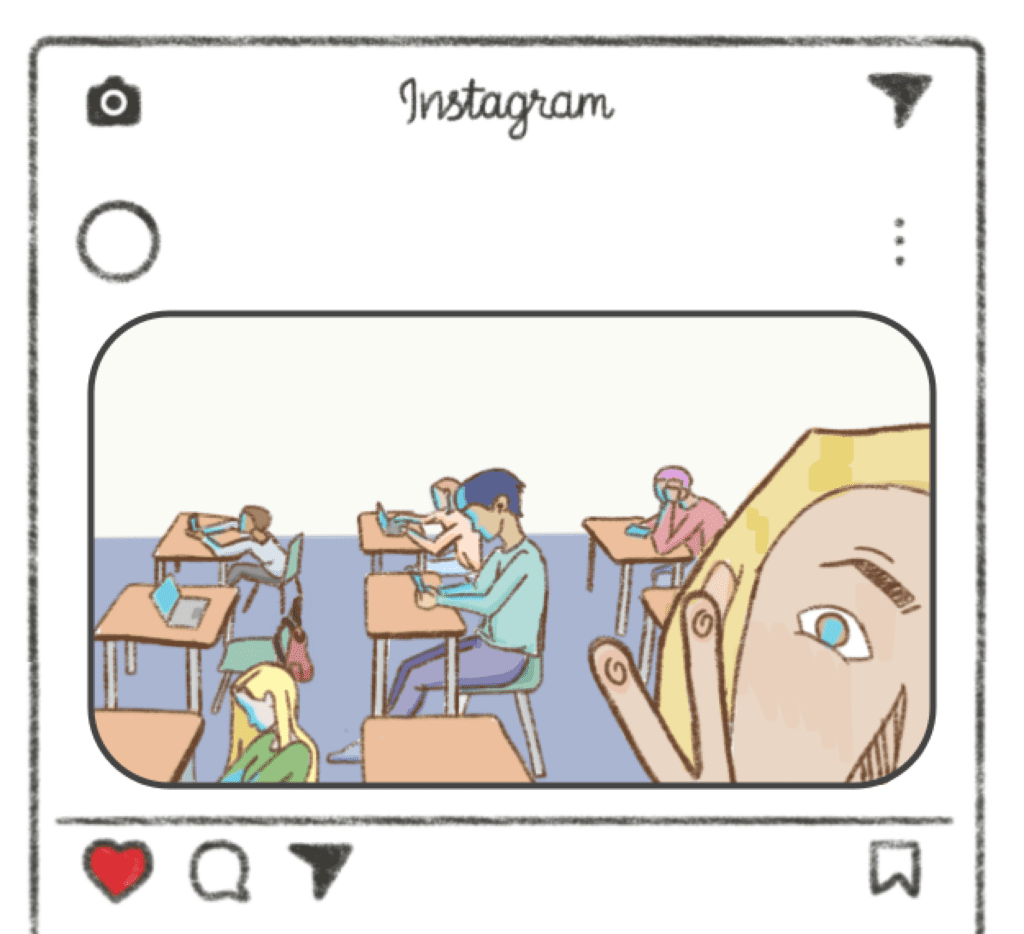
- Constant Technology Use: The constant stream of notifications, emails, and social media updates can be overwhelming, making it difficult to focus on a single task.
- Multitasking: Trying to juggle multiple tasks at once can impair memory and reduce attention span, leading to decreased productivity.
- Stress and Anxiety: Chronic stress and anxiety can negatively impact our ability to focus and maintain attention.
- Lack of Sleep: Insufficient sleep can impair cognitive function, leading to reduced attention span and decreased productivity.
- Poor Diet: A diet lacking essential nutrients and antioxidants can negatively impact brain function and attention span.
The Consequences of Reducing Attention Span
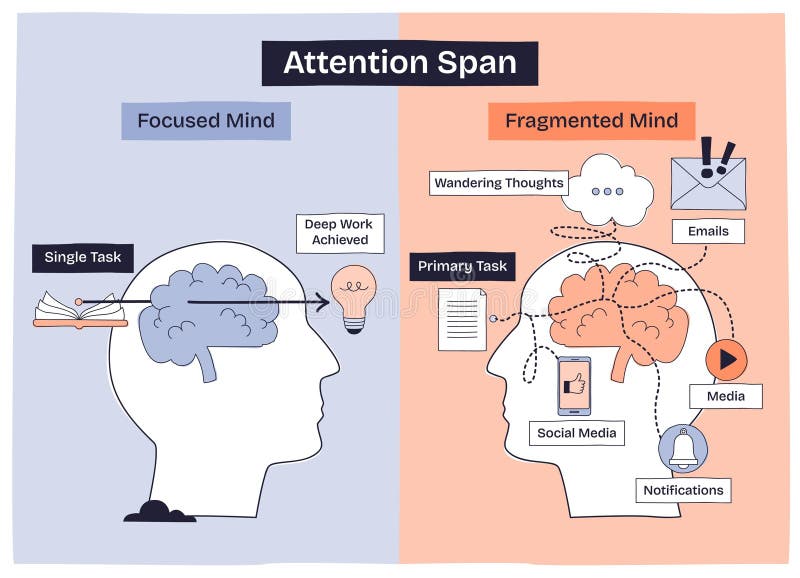
A short attention span can have severe consequences, including:
- Decreased Productivity: Reduced attention span can lead to decreased productivity, lower quality work, and increased stress levels.
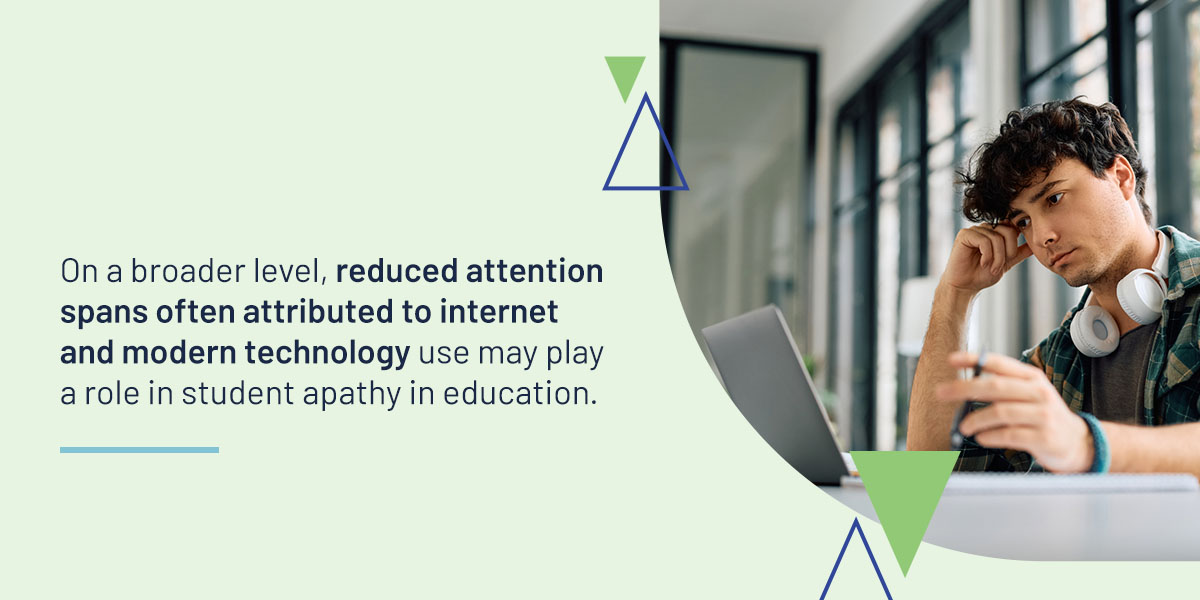
- Poor Academic Performance: Short attention span can negatively impact academic performance, leading to lower grades and decreased motivation.
- Impaired Cognitive Function: Chronic attention span decline can lead to impaired cognitive function, including memory loss and decreased problem-solving skills.
- Mental Health Issues: Chronic stress and anxiety caused by reduced attention span can lead to mental health issues, including depression and anxiety disorders.
Taking Control of Your Attention Span
While it's challenging to completely reverse the decline of attention span, there are several strategies that can help improve focus and productivity:
- Practice Mindfulness: Regular mindfulness practice can help improve attention and reduce stress levels.
- Set Clear Goals: Setting clear goals and priorities can help maintain focus and reduce distractions.
- Use the Pomodoro Technique: Breaking tasks into shorter intervals with regular breaks can help improve focus and reduce burnout.
- Exercise Regularly: Regular exercise can improve cognitive function and reduce stress levels.
- Get Enough Sleep: Prioritizing sleep and establishing a consistent sleep schedule can help improve attention span and overall well-being.
Conclusion
In conclusion, reducing attention span is a complex issue with severe consequences. However, by understanding the science behind this phenomenon and implementing effective strategies, we can take control of our attention span and improve our productivity. Remember, it's never too late to start making positive changes and improving your focus and attention span.