Design for Happiness: A Key to User-Centered Design and Long-Term Success
As designers, we often focus on creating products and services that are functional, efficient, and aesthetically pleasing. However, we tend to overlook one critical aspect: the impact of our designs on human happiness. In recent years, there has been a growing recognition of the importance of designing for happiness, and its potential to drive long-term success. In this article, we will explore the concept of design for happiness, its benefits, and practical strategies to incorporate it into your design practice.
What is Design for Happiness?
Design for happiness refers to the process of creating products, services, and experiences that promote positive emotions, well-being, and satisfaction. It involves understanding the needs, desires, and aspirations of users and designing solutions that meet those needs and create a sense of happiness. The Delft Institute of PositiveDesign has developed a framework for designing for happiness, which includes three components: 24 positive emotions, 24 social behaviors, and 24 positive experiences.
- The 24 positive emotions include feelings such as joy, contentment, and excitement.
- The 24 social behaviors include actions such as sharing, collaborating, and helping others.
- The 24 positive experiences include positive experiences such as achieving a goal, enjoying a hobby, or spending time with loved ones.
Benefits of Designing for Happiness
Designing for happiness offers several benefits, including:
- Increased user engagement and satisfaction
- Improved brand loyalty and retention
- Enhanced user experience and well-being
- Increased productivity and effectiveness
- Competitive advantage and market differentiation
Practical Strategies for Designing for Happiness

So, how can you start designing for happiness? Here are some practical strategies:
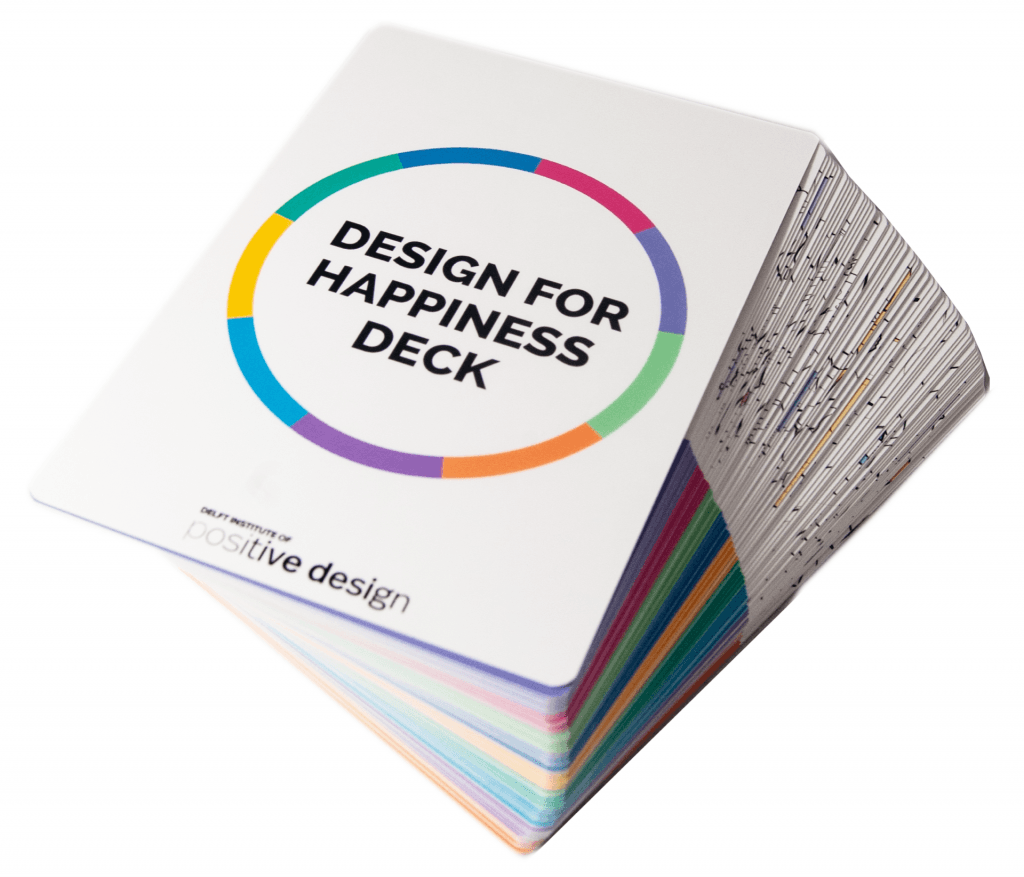
- Use the Design for Happiness Deck: The Design for Happiness Deck is a tool that helps designers, researchers, educators, and teams create products and services that foster human happiness. It consists of 72 cards, grouped into three evidence-based happiness components: 24 positive emotions, 24 social behaviors, and 24 positive experiences.
- Conduct user research: Understand your users' needs, desires, and aspirations to design solutions that meet those needs and create a sense of happiness.
- Focus on positive experiences: Design experiences that create positive emotions, such as joy, contentment, and excitement.
- Encourage social behaviors: Design solutions that encourage social behaviors such as sharing, collaborating, and helping others.
- Measure and evaluate: Measure and evaluate the impact of your design on user happiness and well-being.
Conclusion
Design for happiness is a critical aspect of user-centered design and long-term success. By understanding the needs, desires, and aspirations of users and designing solutions that meet those needs and create a sense of happiness, designers can create products and services that promote positive emotions, well-being, and satisfaction. The Design for Happiness Deck is a practical tool that can help designers, researchers, educators, and teams create products and services that foster human happiness. By incorporating the strategies outlined in this article, you can start designing for happiness and creating experiences that make a positive impact on people's lives.
References
Desmet, P., & Pohlmeyer, A. (2013). Positive design: An exploratory study in designing for customer pleasant experiences. International Journal of Design, 7(3), 2-15.
Desmet, P., & Pohlmeyer, A. (2017). Design for happiness: A framework for designing for customer pleasant experiences. International Journal of Design, 11(1), 1-13.