Melatonin Overdose Complications and Risk Factors
Melatonin is a popular sleep aid that has gained significant attention in recent years. However, taking too much melatonin can lead to overdose complications and risk factors. In this article, we will explore the potential dangers of melatonin overdose and provide information on how to use this supplement safely.
Understanding Melatonin
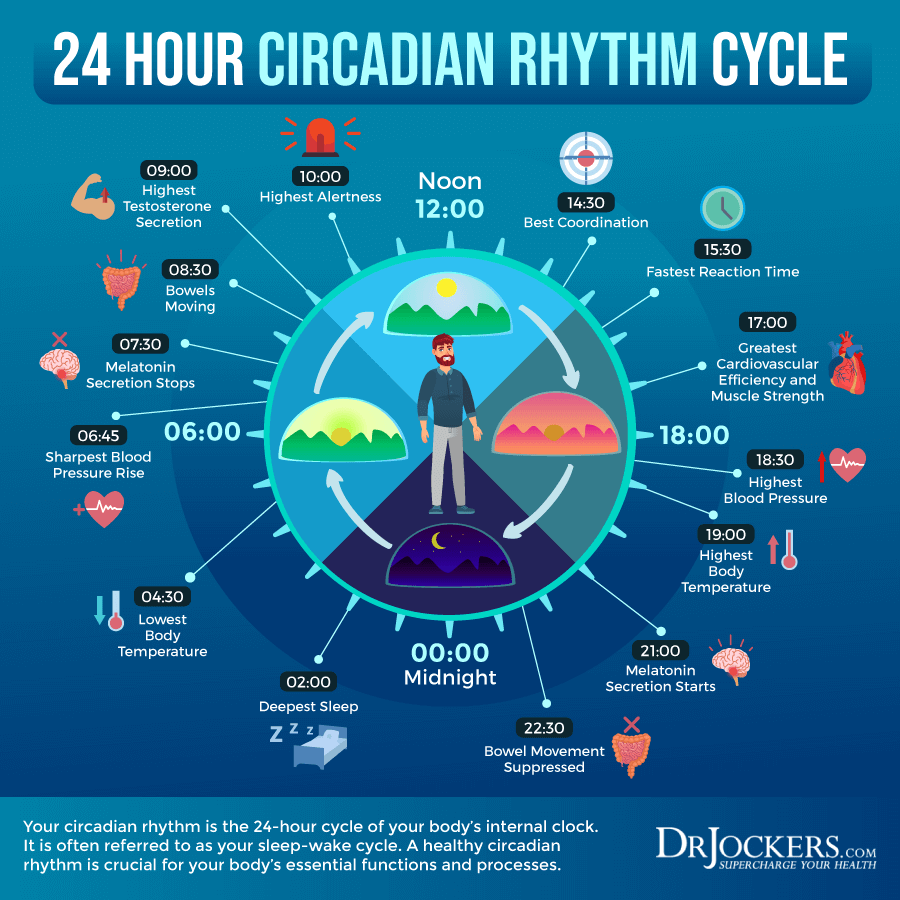
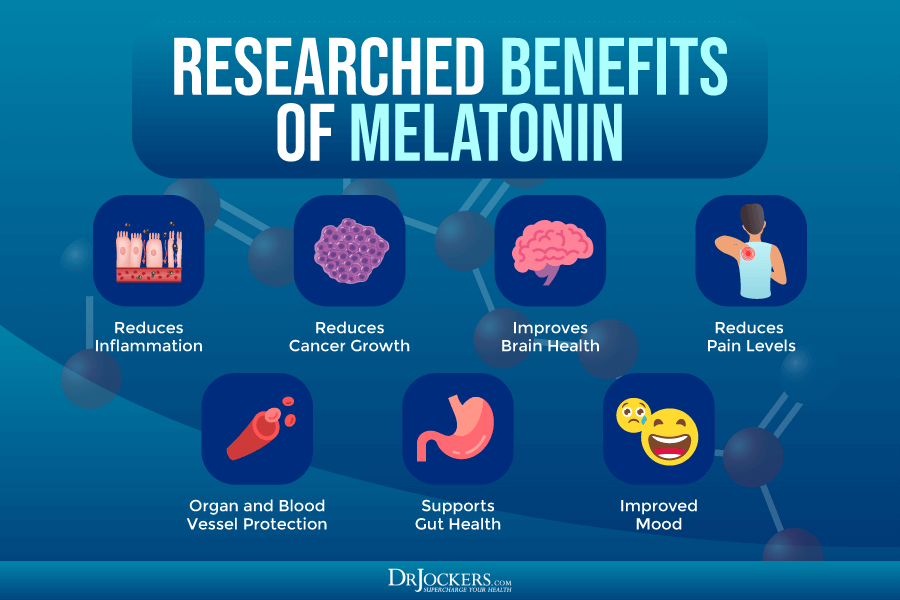
Melatonin is a hormone that regulates our sleep-wake cycles. It is naturally produced by the body, but it can also be taken as a supplement to help with sleep disorders. Melatonin is available in various forms, including capsules, tablets, and liquids. It is generally considered safe when taken in the recommended doses, but excessive consumption can lead to complications.
Risks and Complications of Melatonin Overdose
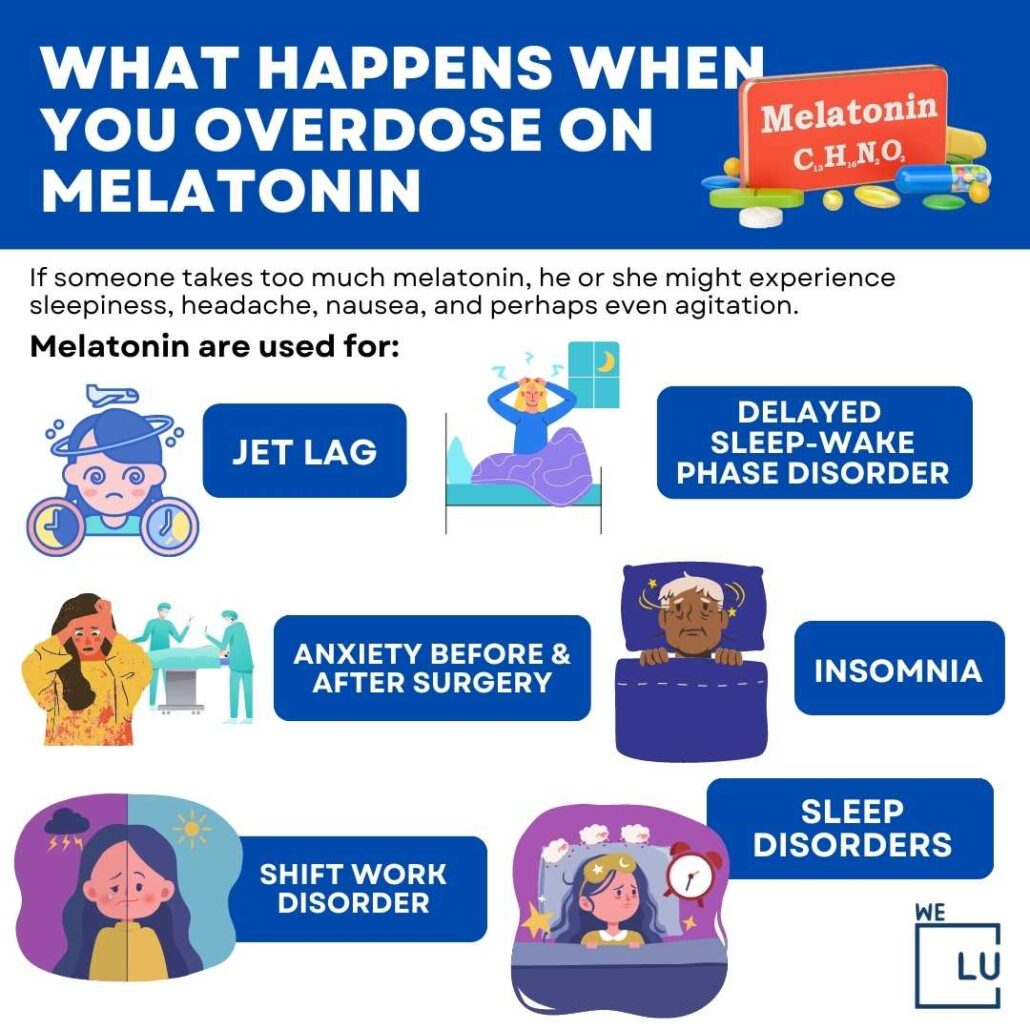
According to the American Association of Poison Control Centers, there has been a significant increase in melatonin-related calls to poison control centers in recent years. Melatonin overdose can cause a range of symptoms, including:
- Drowsiness and dizziness
- Headaches and fatigue
- Confusion and disorientation
- Nightmares and vivid dreams
- Hypotension (low blood pressure) and tachycardia (fast heart rate)
- Hypothermia (low body temperature)
Severe melatonin overdose can lead to more serious complications, including seizures, coma, and even death.
Risk Factors for Melatonin Overdose
There are several risk factors that increase the likelihood of melatonin overdose complications. These include:
- Age: Children and older adults are more susceptible to melatonin overdose due to differences in body weight and metabolism.
- Concomitant medications: Taking melatonin with other medications, such as sedatives or antidepressants, can increase the risk of overdose.
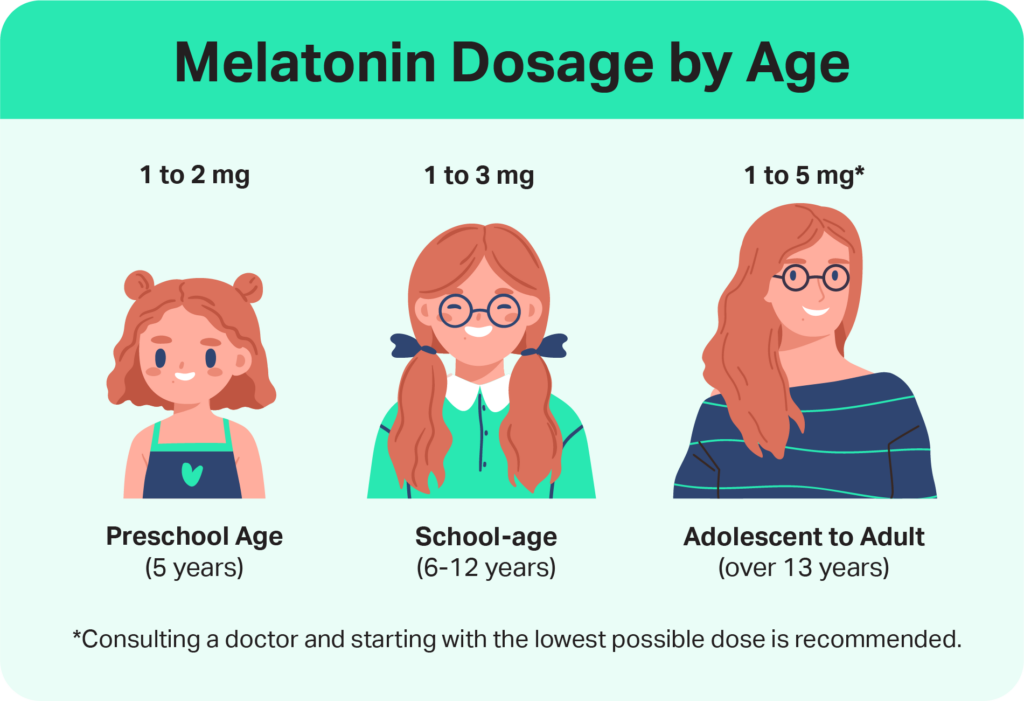
- High doses: Taking more than the recommended dose of melatonin can lead to overdose complications.
- Pregnancy and breastfeeding: Melatonin can affect fetal development and infant sleep patterns.
- Underlying medical conditions: Certain medical conditions, such as kidney disease or liver disease, can increase the risk of melatonin overdose.
Preventing Melatonin Overdose
To prevent melatonin overdose complications, it is essential to follow the recommended dosage guidelines and use caution when taking this supplement. Here are some tips to help you use melatonin safely:
- Start with a low dose: Begin with a low dose of melatonin (0.5-1mg) and gradually increase as needed.
- Follow the recommended dosage: Adhere to the recommended dosage guidelines and avoid taking more than the prescribed amount. li>Monitor your body: Pay attention to how your body responds to melatonin, and adjust your dosage accordingly.
- Consult a healthcare professional: If you have underlying medical conditions or are taking other medications, consult a healthcare professional before taking melatonin.
Seeking Medical Help
If you or someone you know has taken too much melatonin, seek medical help immediately. Call the national poison control center at 1-800-222-1222 or contact your local emergency services. In severe cases, overdose complications can be life-threatening, and prompt medical attention is essential.
Conclusion
Melatonin overdose complications and risk factors are a serious concern that requires attention and caution. By understanding the potential dangers of melatonin overdose and following safe usage guidelines, you can enjoy the benefits of this supplement while minimizing the risks. Remember, it is always better to err on the side of caution when it comes to taking any medication or supplement.