Can Adult Cats Have Milk?
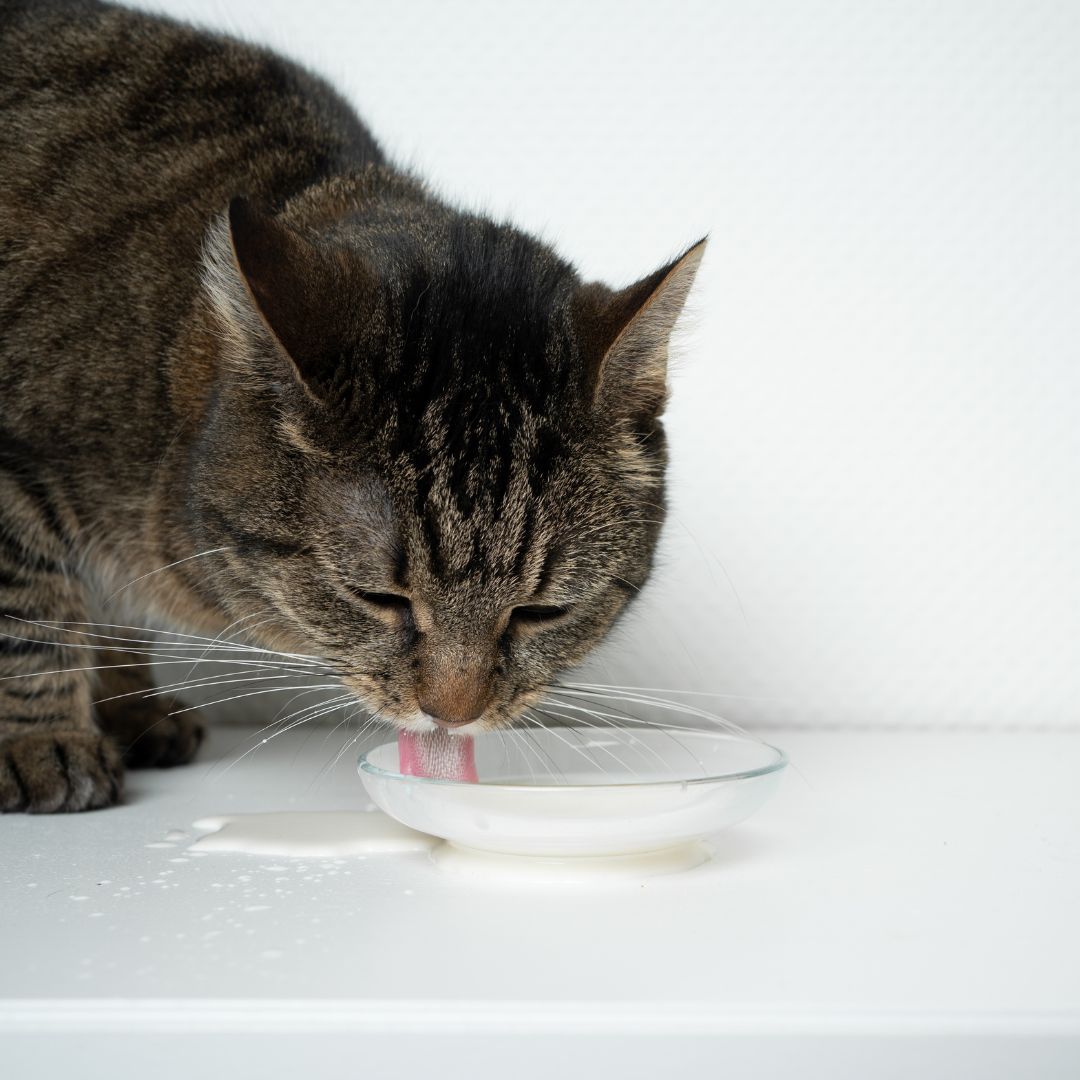
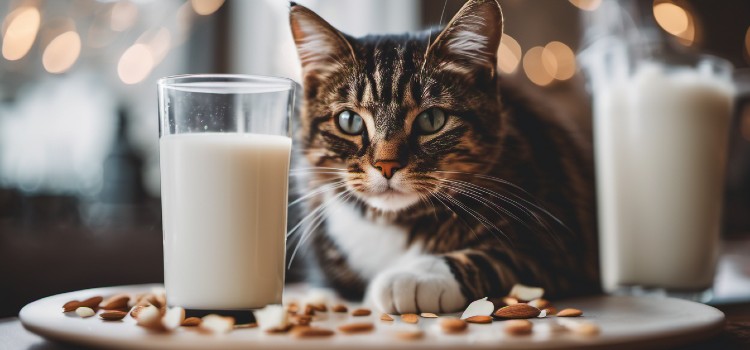
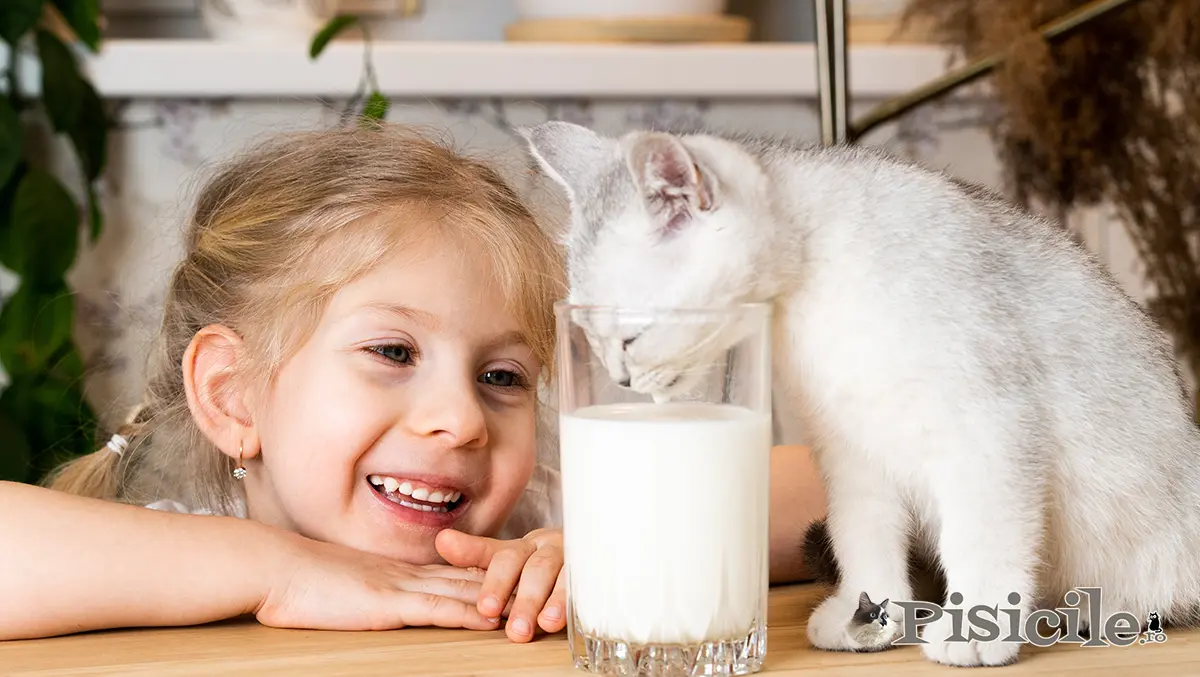
While many of us have grown up with the image of a happy cat lapping up a bowl of milk, the reality is that most adult cats shouldn't drink milk. In fact, it's a myth that has been debunked by many veterinarians and animal experts. So, what happens when an adult cat drinks milk?
The Truth About Lactose Intolerance in Cats
Most adult cats are lactose intolerant, which means they lack the enzyme needed to break down lactose, the sugar found in milk. When they drink milk, their digestive system struggles to process the lactose, leading to a range of uncomfortable symptoms, including:
- Gas and bloating
- Diarrhea
- Stomach cramps
- Upset stomach
These symptoms can be debilitating for cats, and in severe cases, can even lead to dehydration and electrolyte imbalances. So, what types of milk are safest for cats?
Safe Milk Alternatives for Cats
While regular cow's milk is not suitable for cats, there are some specialized milk alternatives that can be given in moderation. These include:
- Cat milk replacers
- Lactose-free milk
- Goat's milk (in small amounts)
Cat milk replacers are specifically designed to meet the nutritional needs of kittens and adult cats, while lactose-free milk is a safer option for cats who are lactose intolerant. Goat's milk, in small amounts, can be a good alternative to cow's milk, but it's essential to introduce it gradually and in small amounts to prevent digestive issues.

Why Cats Need a Balanced Diet
While milk can be a tasty and convenient treat for cats, it's essential to prioritize a balanced and complete diet that meets their nutritional needs. Cats require specific nutrients, including protein, fat, and vitamins, to maintain optimal health. Milk is not a suitable substitute for a balanced diet, and in fact, can lead to digestive problems and other health issues if fed regularly.
Hydration is Key
Finally, it's essential to ensure that your cat stays hydrated by providing fresh water at all times. While milk can provide some hydration benefits, it's not a substitute for plain water, and in fact, can lead to digestive problems if consumed excessively.
The Verdict
So, can adult cats have milk? The answer is no, not regularly. While some cats may tolerate small amounts of milk, most are lactose intolerant and require specialized milk alternatives or a balanced diet that meets their nutritional needs. Treat your cat to a balanced diet and access to fresh water at all times, and avoid giving them milk unless you have a specific reason to do so.
Conclusion
In conclusion, cats and milk don't mix. While it may seem harmless to give your cat a bowl of milk, the risks of lactose intolerance and digestive problems make it a treat that's best avoided. Prioritize a balanced diet and fresh water at all times, and only consider giving your cat milk in moderation, under close supervision, and with the guidance of a veterinarian.