Unlocking the Power of Symmetrical Balance in Art and Design
Symmetrical balance is a timeless and universal principle of art and design that has been employed by artists, architects, and designers for centuries. It is a way to create a sense of harmony, stability, and visual equilibrium in a composition, making it pleasing to the eye and engaging to the viewer. In this article, we will delve into the concept of symmetrical balance, explore its various applications, and provide tips on how to achieve it in your own artistic creations.
The Fundamentals of Symmetrical Balance
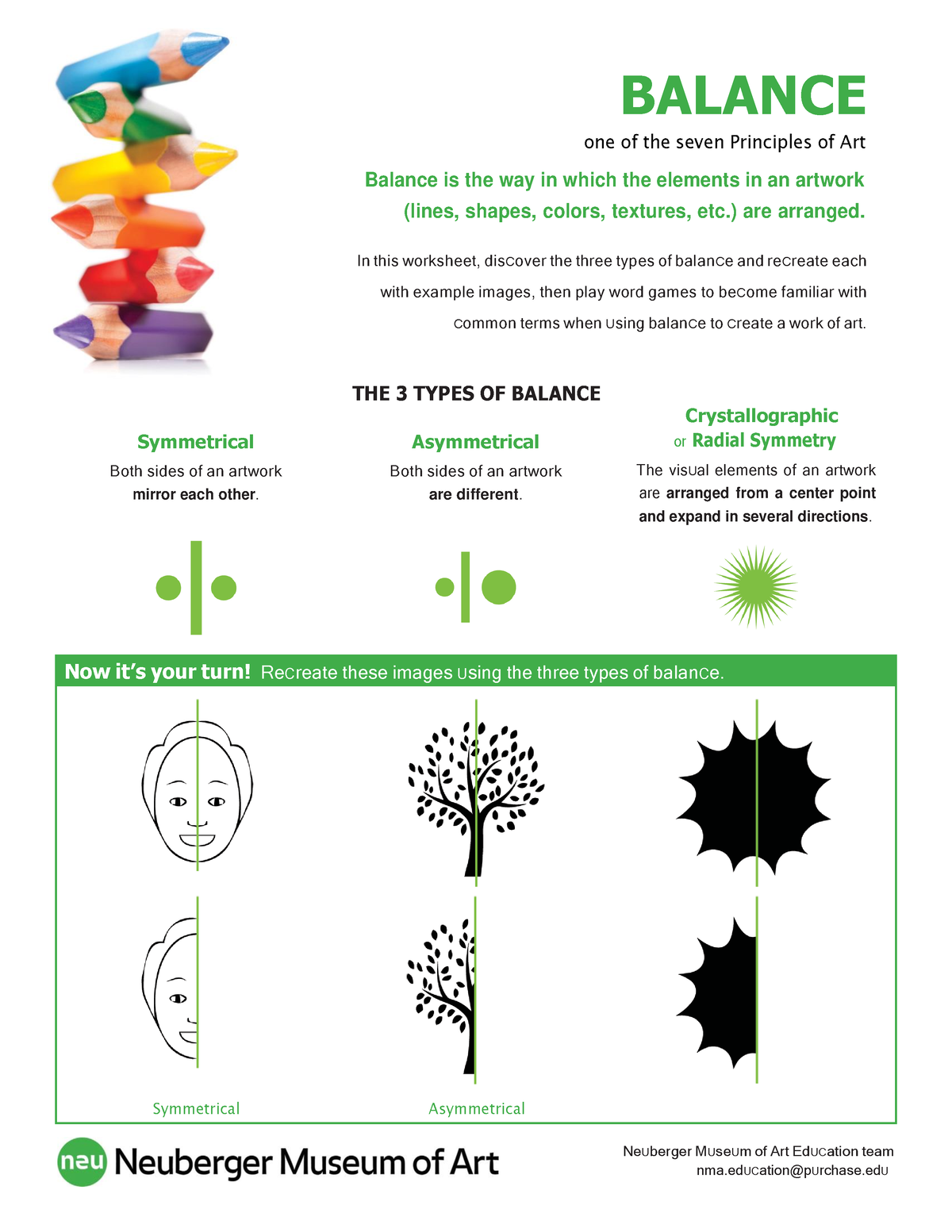
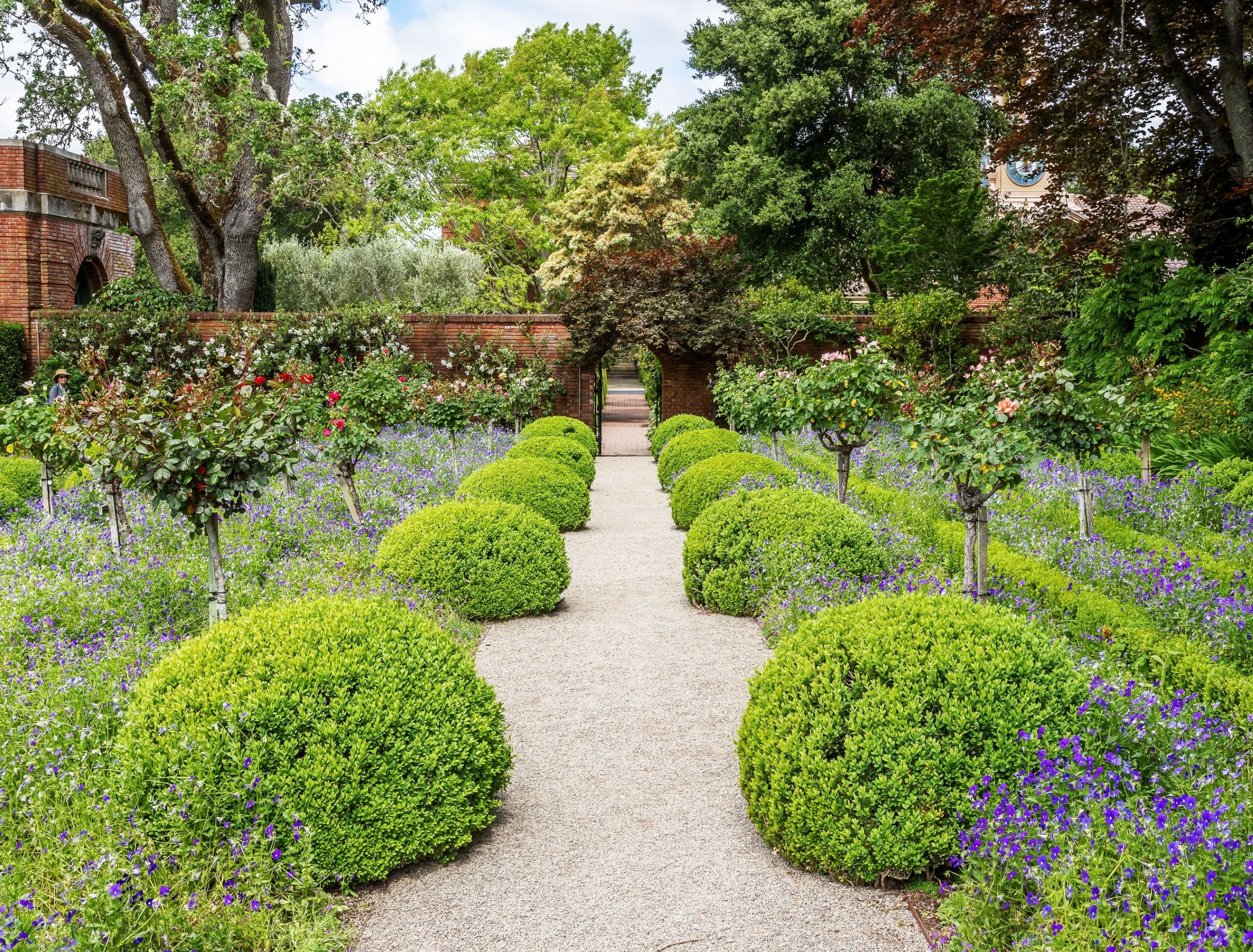
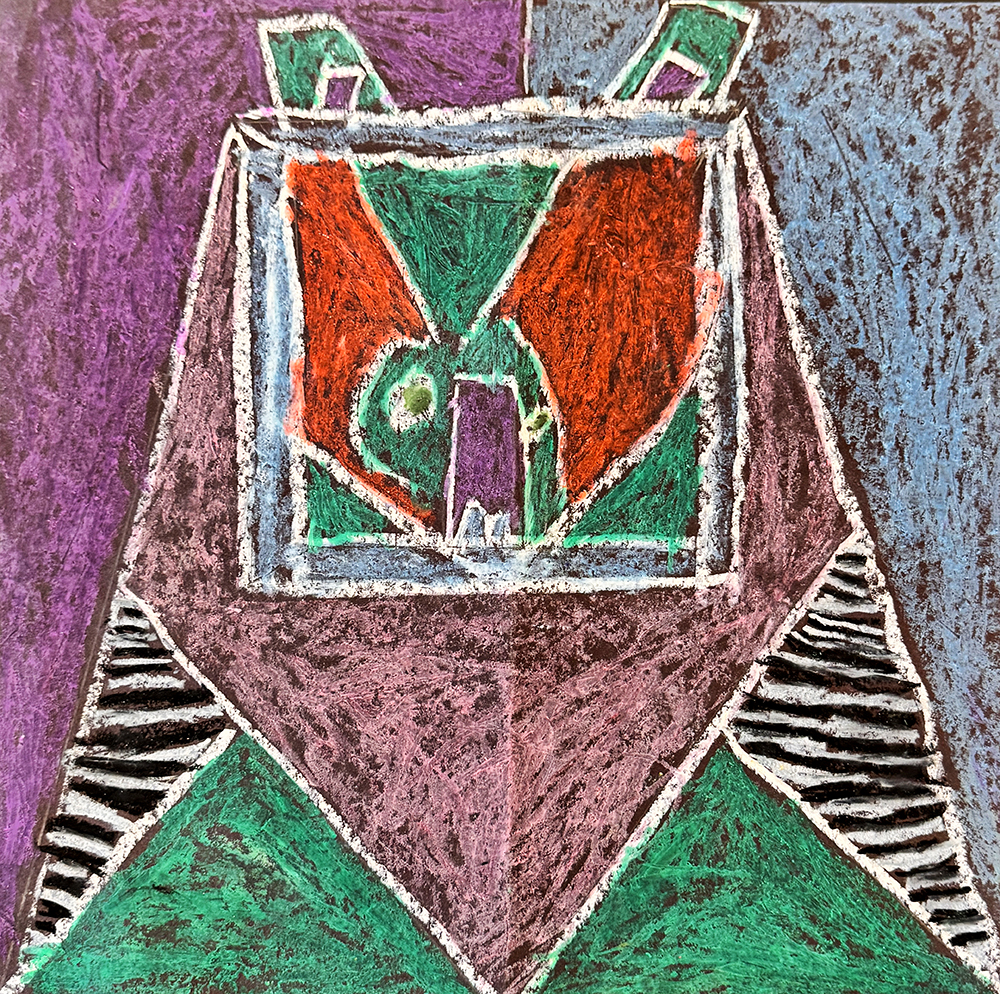
Symmetrical balance is achieved when visual elements are arranged on both sides of a central axis in equal weight. This means that the composition is divided perfectly into two identical halves, creating a sense of order and stability. In artistic terms, this is often achieved through the use of reflection, where elements on one side of the axis are mirrored on the other side.
Types of Balance in Art
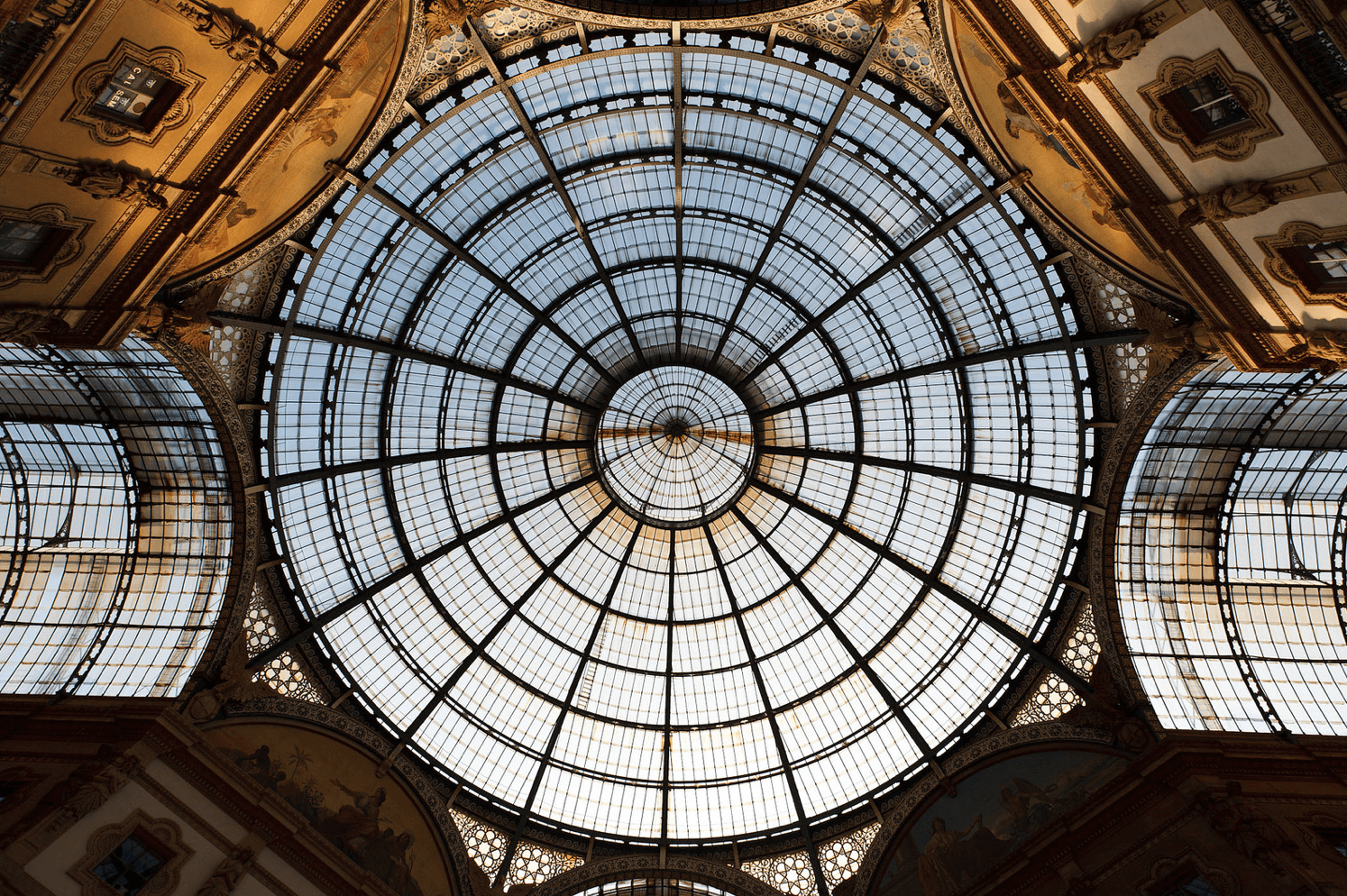
There are several types of balance in art, including symmetrical, asymmetrical, and radial balance. Symmetrical balance, as we have discussed, involves the use of reflection and symmetry to create a sense of order and stability. Asymmetrical balance, on the other hand, involves the use of elements that are arranged in a way that creates a sense of tension and movement. Radial balance involves the use of elements that radiate from a central point, creating a sense of energy and dynamism.
Examples of Symmetrical Balance
There are countless examples of symmetrical balance in art and design. In terms of art, some famous examples include works by Michelangelo, Leonardo da Vinci, and Raphael, who all employed symmetrical balance in their compositions. In interior design, symmetrical balance can be achieved through the use of elements such as identical sofas, lamps, and vases, creating a sense of harmony and stability in a room.

Benefits of Symmetrical Balance
Symmetrical balance has numerous benefits in art and design. It creates a sense of harmony and stability, making it pleasing to the eye and engaging to the viewer. It also creates a sense of order and structure, which is essential for creating a sense of balance and equilibrium in a composition. In addition, symmetrical balance can be used to create a sense of simplicity and elegance, making it an ideal choice for minimalist designs.
Techniques for Achieving Symmetrical Balance
There are several techniques for achieving symmetrical balance, including:
- Reflection: This involves the use of reflection to create a sense of symmetry in a composition.
- Central axis: This involves the use of a central axis to create a sense of balance and order in a composition.
- Equal spacing: This involves the use of equal spacing to create a sense of balance and order in a composition.
- Mirror symmetry: This involves the use of mirror symmetry to create a sense of symmetry in a composition.
Conclusion
Symmetrical balance is a timeless and universal principle of art and design that has been employed by artists, architects, and designers for centuries. It is a way to create a sense of harmony, stability, and visual equilibrium in a composition, making it pleasing to the eye and engaging to the viewer. By employing symmetrical balance in your own artistic creations, you can create a sense of order and structure, and make your compositions more aesthetically pleasing and engaging.
%2C+Vertical+(red)%2C+Diagonal+(yellow)..jpg "Symmetrical vs Asymmetrical Balance in Art")