Filing Business Tax Returns: A Comprehensive Guide
Filing business tax returns is a crucial task for entrepreneurs and business owners. It's essential to understand the process and requirements to avoid any penalties or fines. In this article, we'll provide a comprehensive guide on filing business tax returns, including the necessary forms, deadlines, and tactics for maximizing deductions.
Types of Business Tax Returns
When it comes to filing business tax returns, the type of return depends on the structure and type of business. For example:
- Sole Proprietors: Schedule C (Form 1040) is used to report business income and expenses. This type of return is filed as part of the individual tax return.
- Partnerships: Form 1065 is used to report partnership income and expenses. Business owners will need to file this form and distribute K-1 statements to partners.
- C-corporations: Form 1120 is used to report corporate income and expenses. This type of return is filed separately from individual tax returns.
- S-corporations: Form 1120S is used to report S-corporation income and expenses. Shareholders will need to report this income on their individual tax returns.
Forms and Schedules Required
In addition to the main tax return form, you may need to file various schedules and forms, depending on your business structure and income.
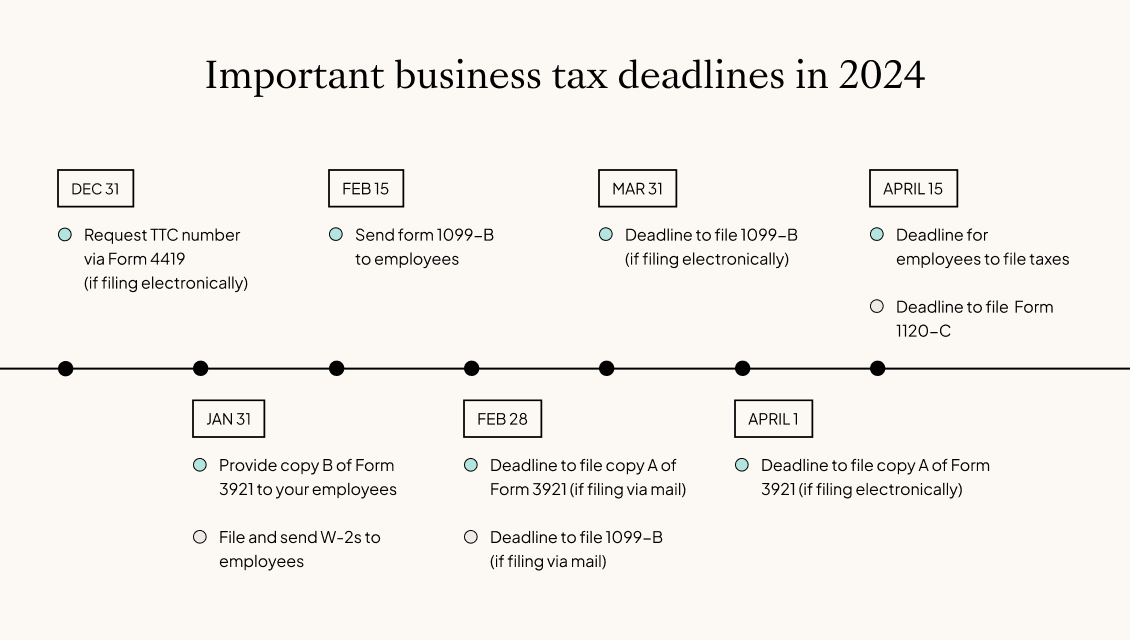
- Form 1099-MISC: Used to report payments to independent contractors, such as freelancers or consultants.
- Form 941: Used to report employment taxes and file for an extension.
- Form W-2: Used to report employee wages and taxes.
- Schedule C-EZ: Used to report business income and expenses for single-member limited liability companies (LLCs).
Deadlines and Extensions
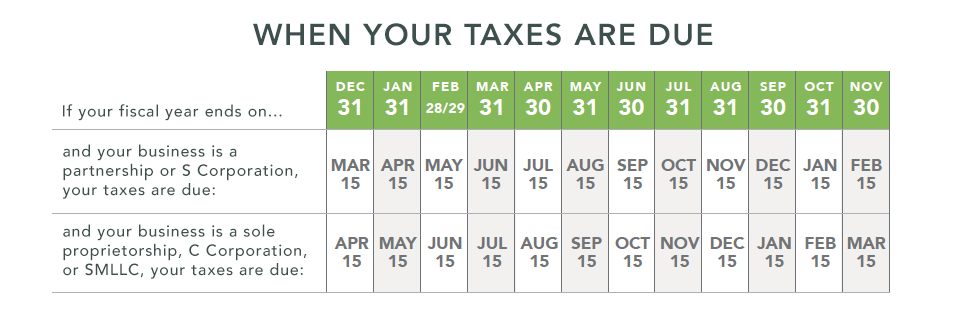
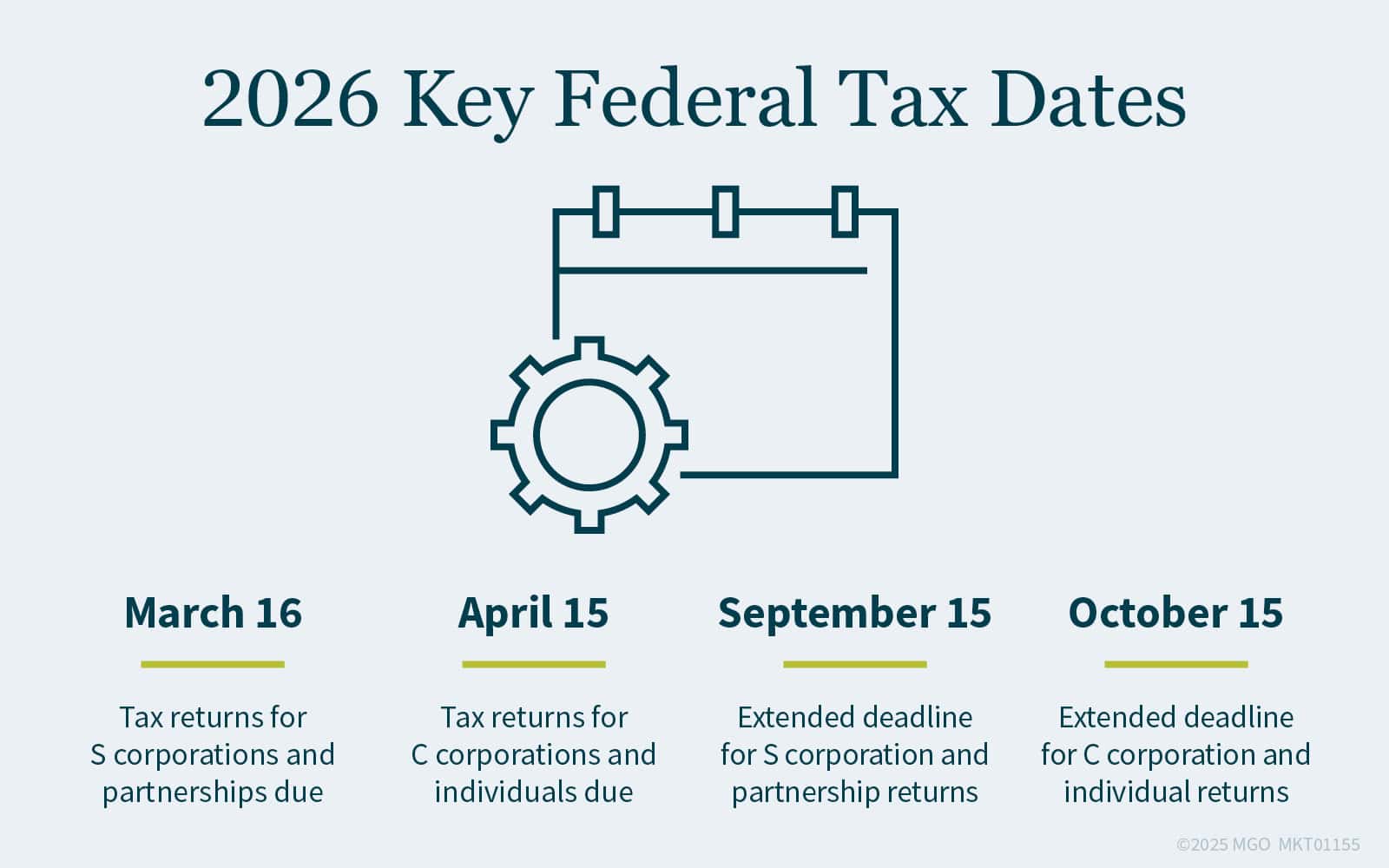
Business tax returns are due, typically on the 15th day of the 4th month after the end of the tax year. However, you may need to file for an extension if you're unable to meet this deadline.
- Corporations: 7-month extension (Form 7004).
- S-corporations: 6-month extension (Form 7004).
- Partnerships: Automatic 6-month extension.
Maximizing Deductions

As a business owner, it's essential to maximize deductions to reduce your tax liability. Here are some strategies:
- Claim business expenses: Accurately track and claim business-related expenses, such as equipment purchases, travel, and inventory.
- Utilize tax credits: Claim tax credits for employment taxes, research and development, and other business-related expenses.
- Optimize depreciation: Choose the most beneficial method for depreciating assets, such as MACRS or straight-line.
Resources and Tools
To help you navigate the complex process of filing business tax returns, consider using resources and tools such as:
- Tax preparation software: TaxAct, TurboTax, or QuickBooks.
- Accountants and tax professionals: Hire a professional to ensure accuracy and compliance.
- Government websites: IRS.gov, DRS.ct.gov, or your state's tax authority website.
Conclusion
Filing business tax returns can be a complex and time-consuming process. However, by understanding the necessary forms, deadlines, and tactics for maximizing deductions, you can ensure accuracy and compliance. Remember to consult with professionals and use resources and tools to help you navigate the process.
References
For more information on filing business tax returns, visit:
- IRS.gov: Individual Business Tax Returns.
- CTD.RS.gov: Business Tax Division.
- IRS.gov: Partnership Forms (Form 1065).
- IRS.gov: C-Corporation Forms (Form 1120).
Remember to stay up-to-date with changes in tax laws and regulations to ensure you're in compliance.