Protecting Your Identity and Finances: Online Credit Card Fraud Protection
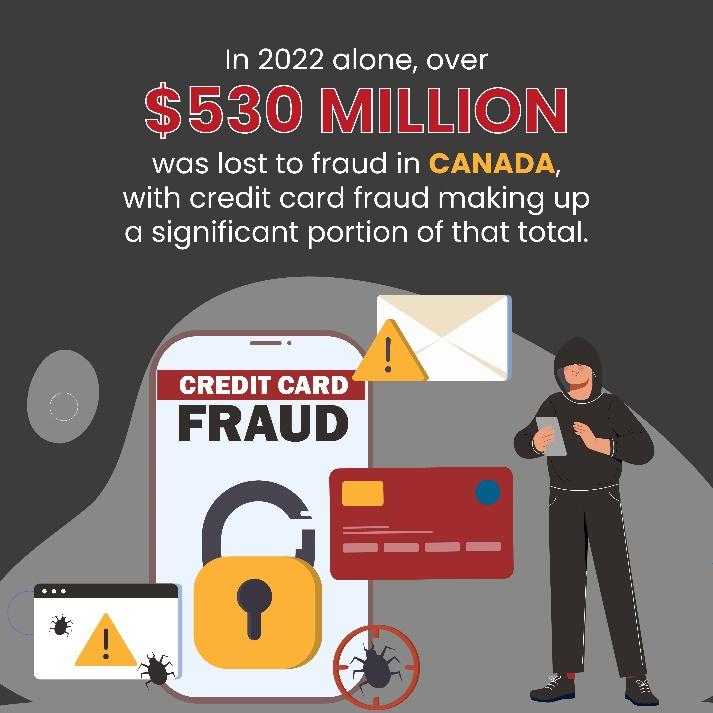
Online credit card fraud protection is a growing concern in today's digital age. With the rise of e-commerce and online transactions, credit card companies, financial institutions, and consumers must be vigilant in protecting against fraud. The Federal Trade Commission's (FTC) most recent numbers show that over 5 million reports of fraud, identity theft, and other related issues were received in 2025. In this article, we will discuss the importance of online credit card fraud protection and provide tips on how to safeguard your identity and finances.
Understanding Credit Card Fraud
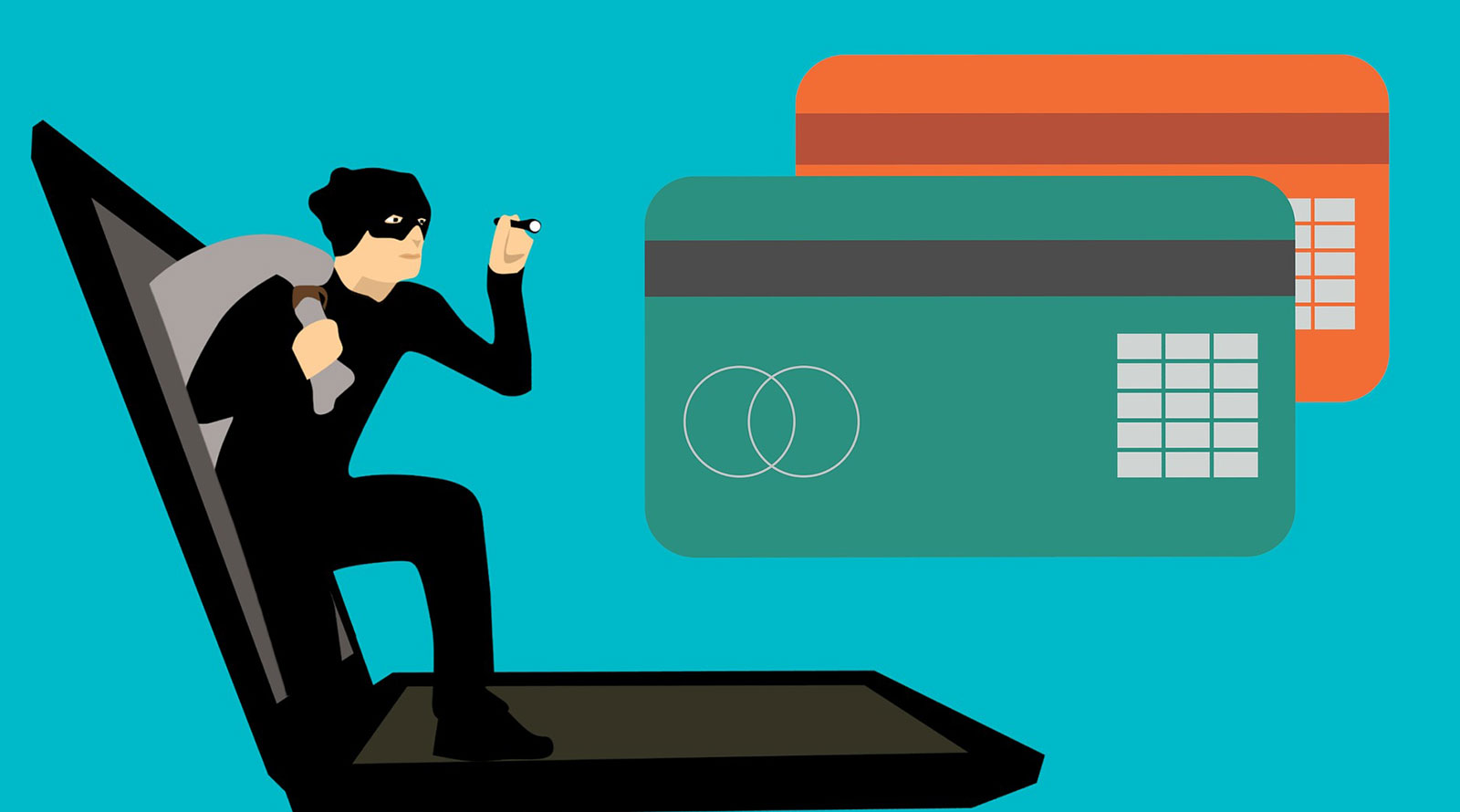
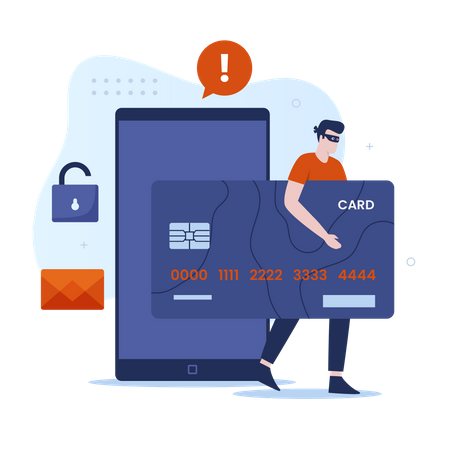
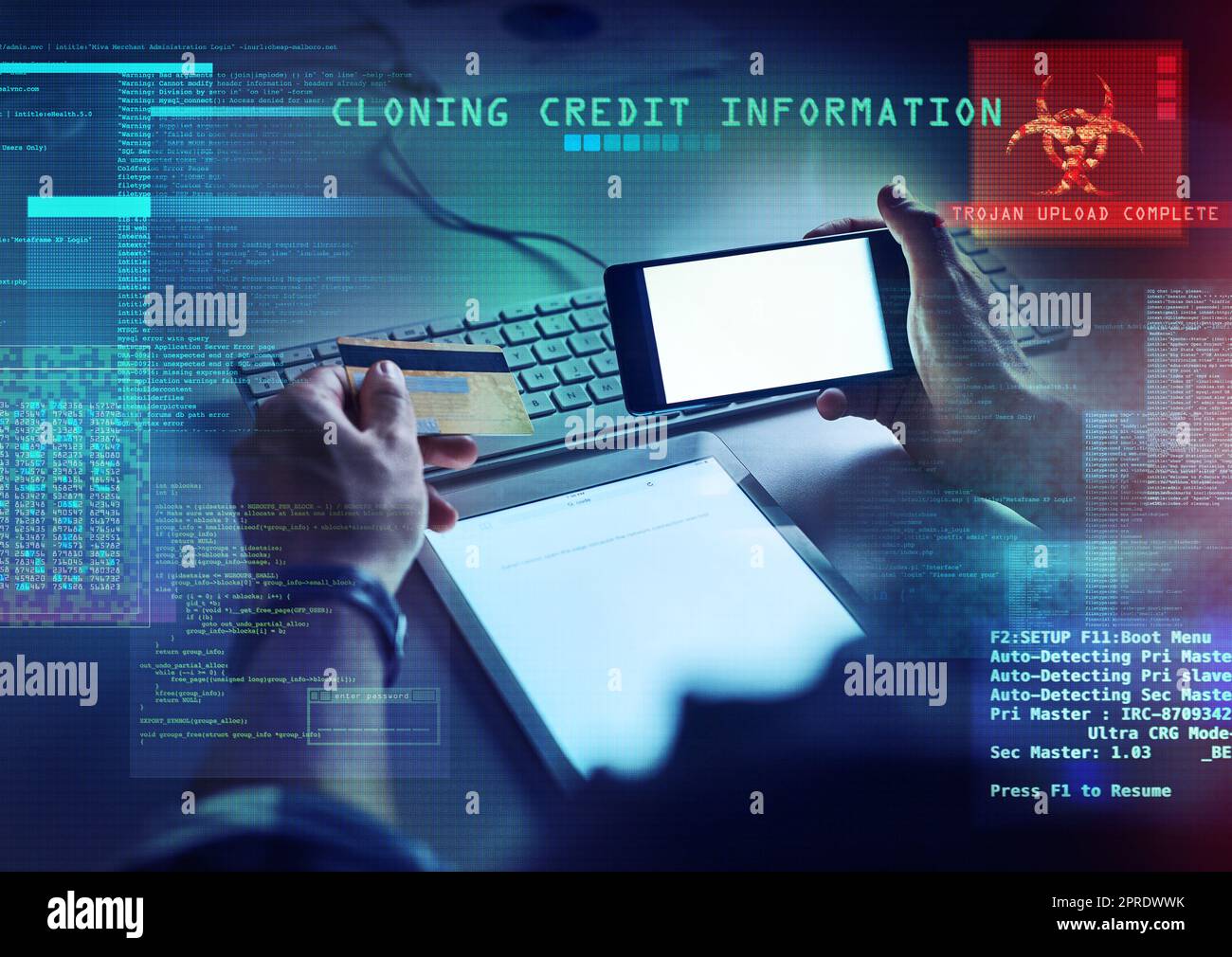
Credit card fraud involves the unauthorized use of a person's credit or debit card to make purchases or withdrawals. There are several types of credit card fraud, including card-not-present (CNP) fraud, which occurs when an unauthorized user has access to the information on a card (e.g., name and card number) but not the physical card itself. Another type of fraud is identity theft, where a person's personal and financial information is stolen and used to open new credit accounts, apply for loans, or make unauthorized purchases.
The Importance of Online Credit Card Fraud Protection
Online credit card fraud protection is crucial in today's digital age, where online transactions are becoming increasingly common. With the rise of e-commerce, online shopping, and digital payments, credit card companies, financial institutions, and consumers must be vigilant in protecting against fraud. According to the TransUnion fraud report of 2024, online fraud cases have surged by 20%.
Tips for Online Credit Card Fraud Protection
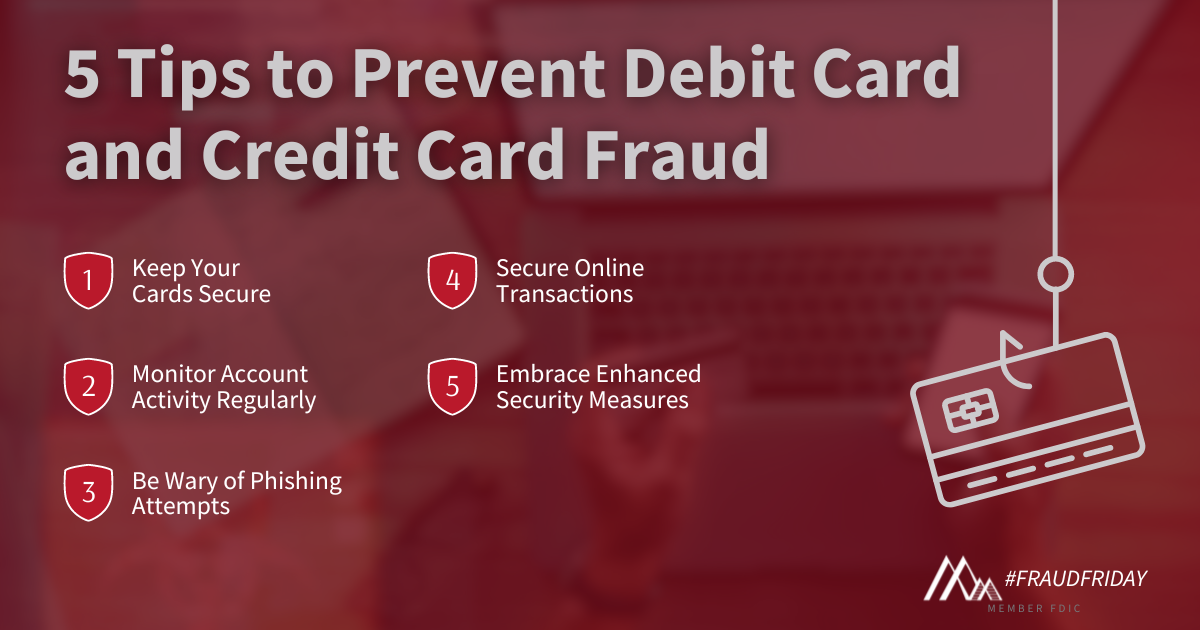
- Monitor Your Credit Reports**: Obtain a copy of your credit report from the three major credit reporting agencies (Experian, TransUnion, and Equifax) and review it for any errors or suspicious activity.
- Use Strong Passwords**: Use strong, unique passwords for all online accounts, including your credit card company, bank, and online shopping sites.
- Be Cautious with Public Wi-Fi**: Avoid using public Wi-Fi networks for online transactions, as they can be vulnerable to hacking.
- Verify Transactions**: Regularly review your credit card statements for any suspicious transactions or errors.
- Report Suspicious Activity**: If you notice any suspicious activity on your credit card statement, report it to your credit card company immediately.
- Use Two-Factor Authentication**: Enable two-factor authentication (2FA) on your credit card company and online shopping sites to add an extra layer of security.
- Keep Your Software Up-to-Date**: Regularly update your operating system, browser, and antivirus software to ensure you have the latest security patches.
- Use a Credit Freeze**: Consider placing a credit freeze on your credit reports to limit access to your credit information.

Benefits of Online Credit Card Fraud Protection
Online credit card fraud protection offers several benefits, including:
- Reduced Risk of Identity Theft**: By protecting your credit card information and personal data, you can reduce the risk of identity theft.
- Increased Confidence**: Knowing that your credit card information is secure can give you increased confidence when making online transactions.
- Protection from Unauthorized Charges**: Online credit card fraud protection can help prevent unauthorized charges on your credit card.
- Financial Peace of Mind**: By protecting your credit card information and personal data, you can have peace of mind knowing that your financial information is secure.
Conclusion
Online credit card fraud protection is a critical aspect of maintaining your financial and personal security in today's digital age. By understanding the importance of online credit card fraud protection and following the tips outlined in this article, you can reduce the risk of identity theft, unauthorized charges, and financial losses. Remember to monitor your credit reports, use strong passwords, and report suspicious activity to protect your identity and finances.
Resources
- Consumer Financial Protection Bureau (CFPB): https://www.consumerfinance.gov/
- Identity Theft and Assumption Deterrence Act (ITADA): https://www.justice.gov/criminal-cybercrime/iadt-investigator-reference-guide
- Payment Card Industry Data Security Standard (PCI DSS): https://www.pcisecuritystandards.org/