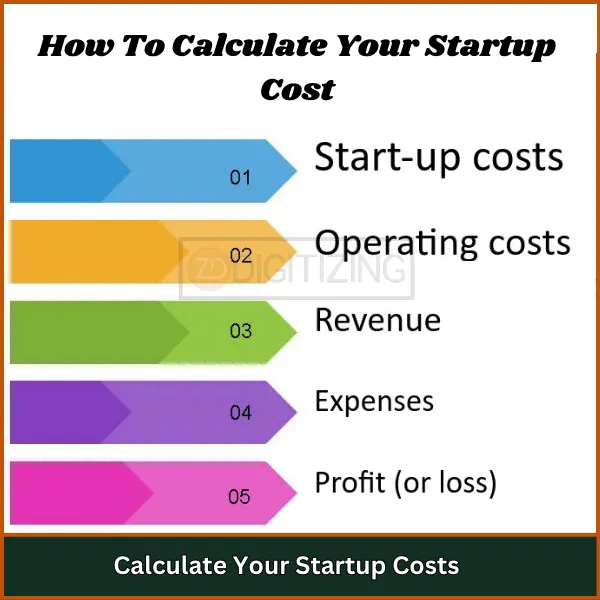
Calculating Startup Costs for a Small Business: A Comprehensive Guide
Starting a small business can be a thrilling experience, but it requires a significant amount of planning and resources. One of the most crucial steps in launching a successful business is calculating the startup costs for a small business. In this article, we'll delve into the world of startup costs, providing you with a comprehensive guide to help you navigate the process.
Why Calculating Startup Costs is Essential
Calculating startup costs for a small business is essential for several reasons:
- It helps you create a clear business plan, outlining your projected income and expenses.
- It allows you to budget effectively, ensuring you have sufficient funds to meet your startup costs.
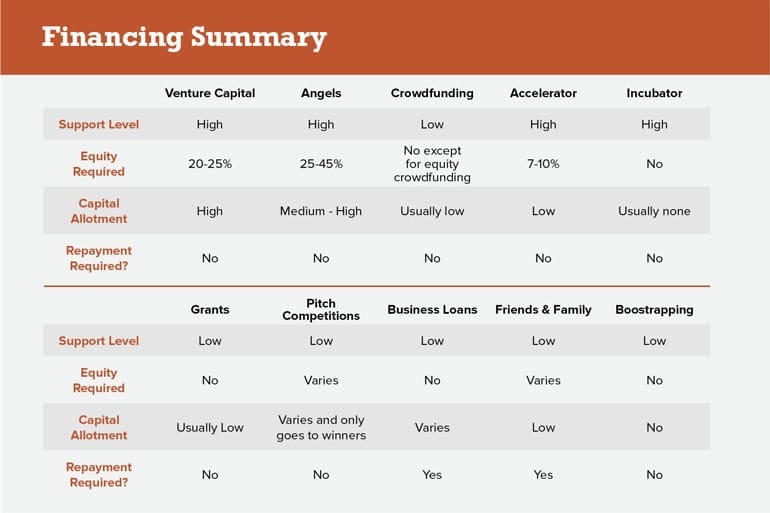
- It enables you to make informed decisions about investment, funding, and cash flow management.
- It reduces the risk of financial issues, allowing you to focus on growing your business.
Types of Startup Costs
Startup costs for a small business can be categorized into several types:
- One-time expenses: These include costs associated with setting up your business, such as licensing fees, insurance premiums, and business registration costs.
- Ongoing expenses: These include regular expenses, such as rent, utilities, and employee salaries.
- Capital expenditures: These include large investments in equipment, software, or infrastructure.
- Marketing and advertising costs: These include expenses associated with promoting your business, such as advertising, social media management, and content creation.
Estimated Startup Costs for a Small Business
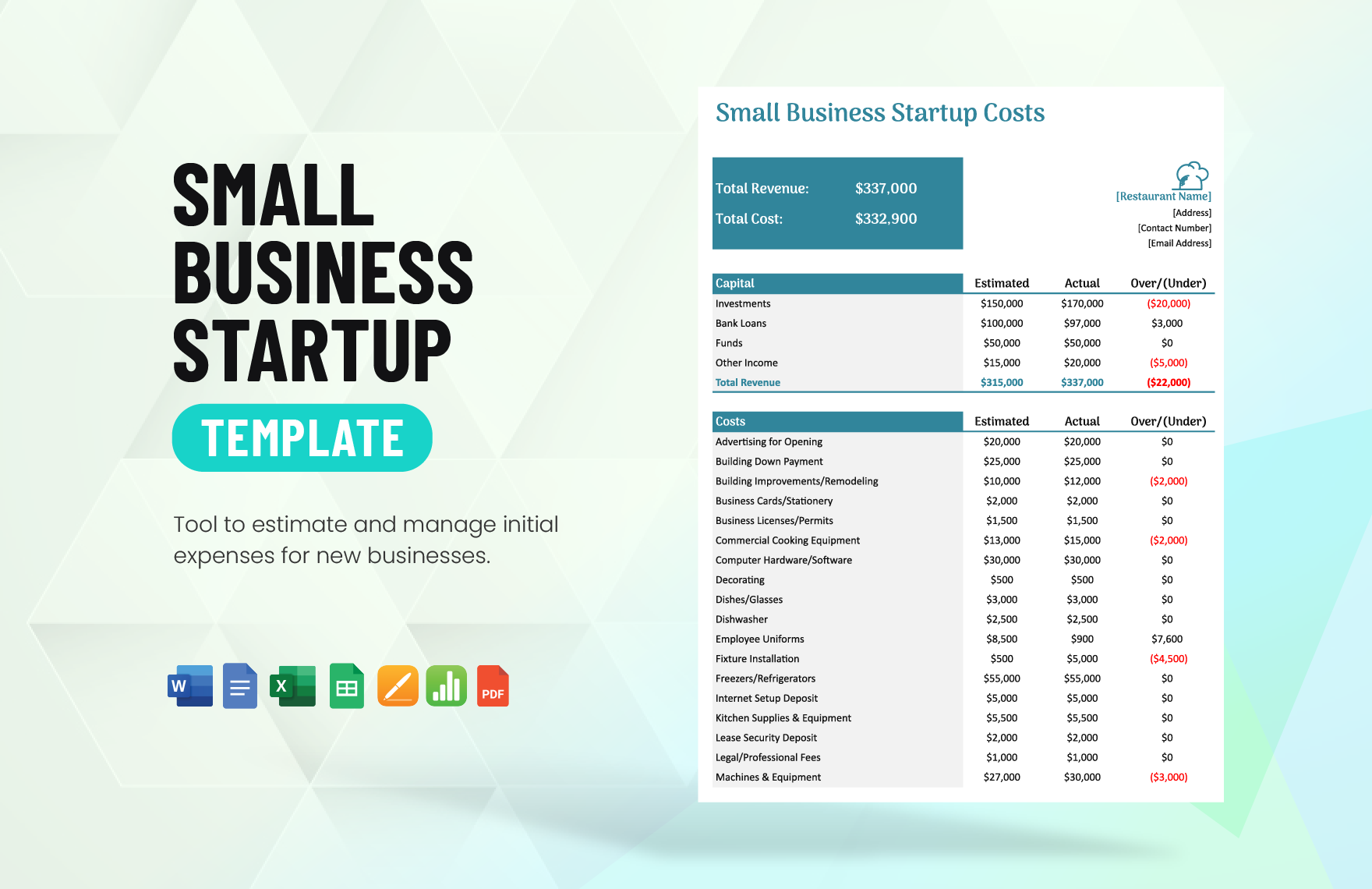
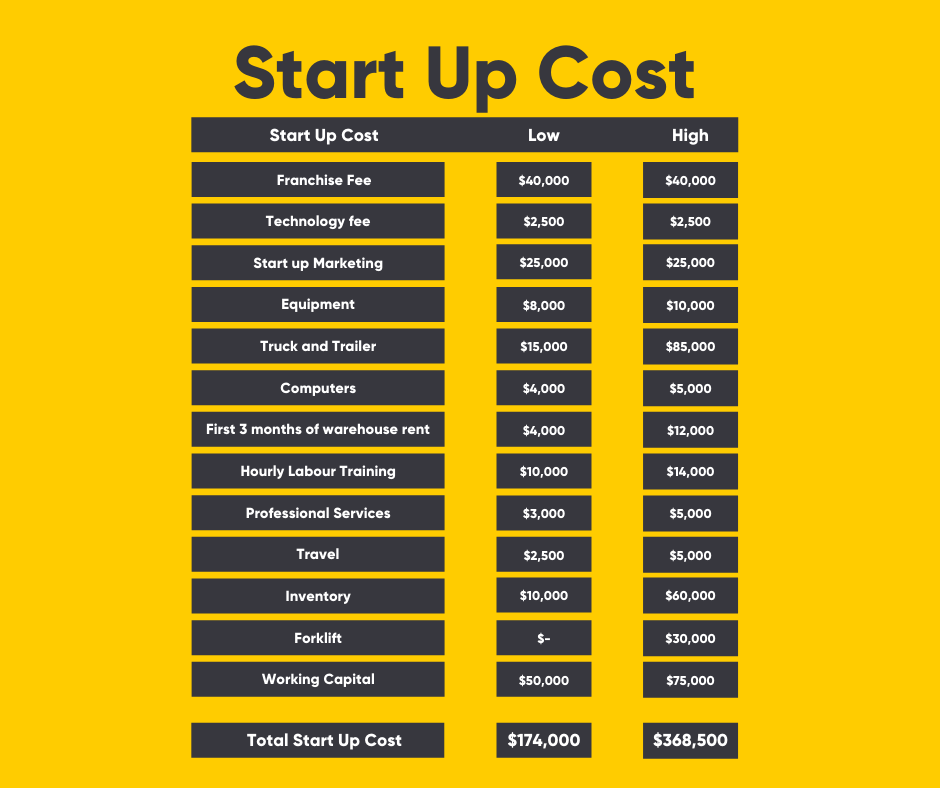
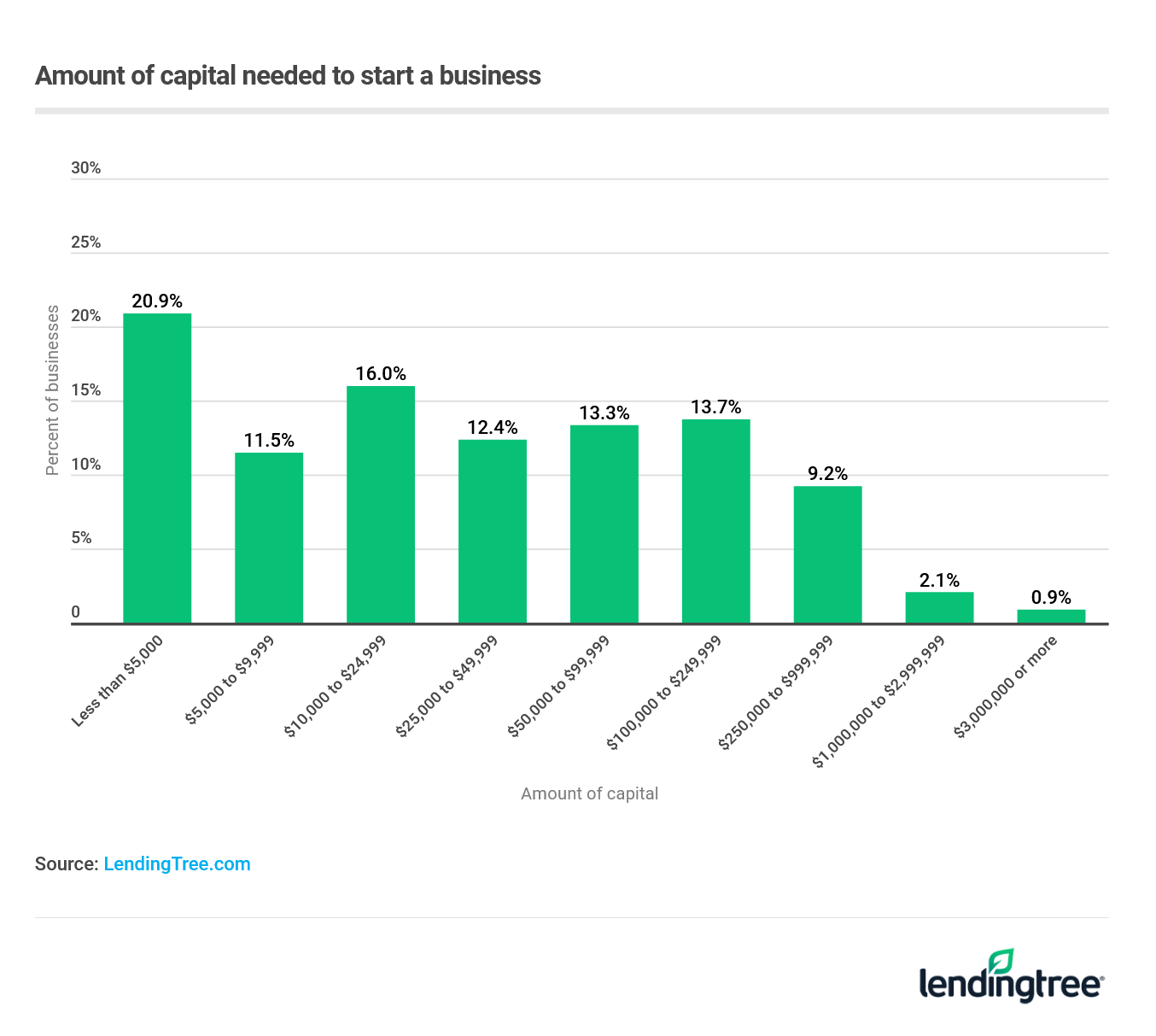
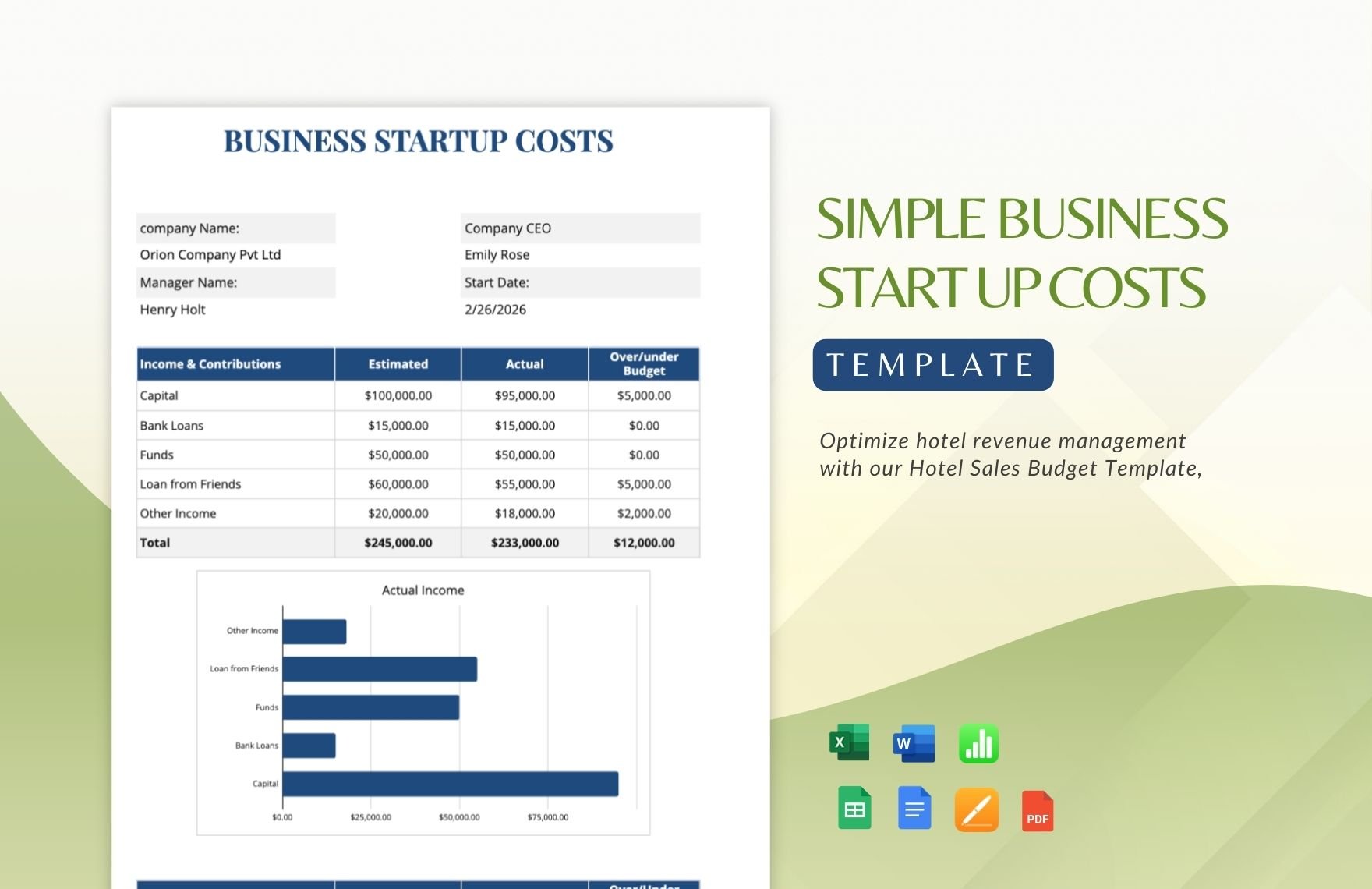
The estimated startup costs for a small business can vary widely depending on the industry, location, and type of business.
- Initial investment: $1,000 to $50,000 or more, depending on the type of business.
- Monthly expenses: $1,000 to $10,000 or more, depending on the size and type of business.
Factors Affecting Startup Costs
Several factors can impact the startup costs for a small business:
- Industry: Different industries have varying levels of startup costs, with some requiring more investment than others. li>Location: The cost of living and doing business in a particular location can significantly impact startup costs.
- Business model: The type of business, such as a product-based or service-based business, can affect startup costs.
- Number of employees: Hiring staff can increase startup costs due to salaries, benefits, and training expenses.
Calculating Startup Costs: A Step-by-Step Guide
To calculate your startup costs, follow these steps:
- Identify your business goals: Determine what you want to achieve with your business.
- Conduct a thorough market analysis: Research your target audience, competitors, and market trends.
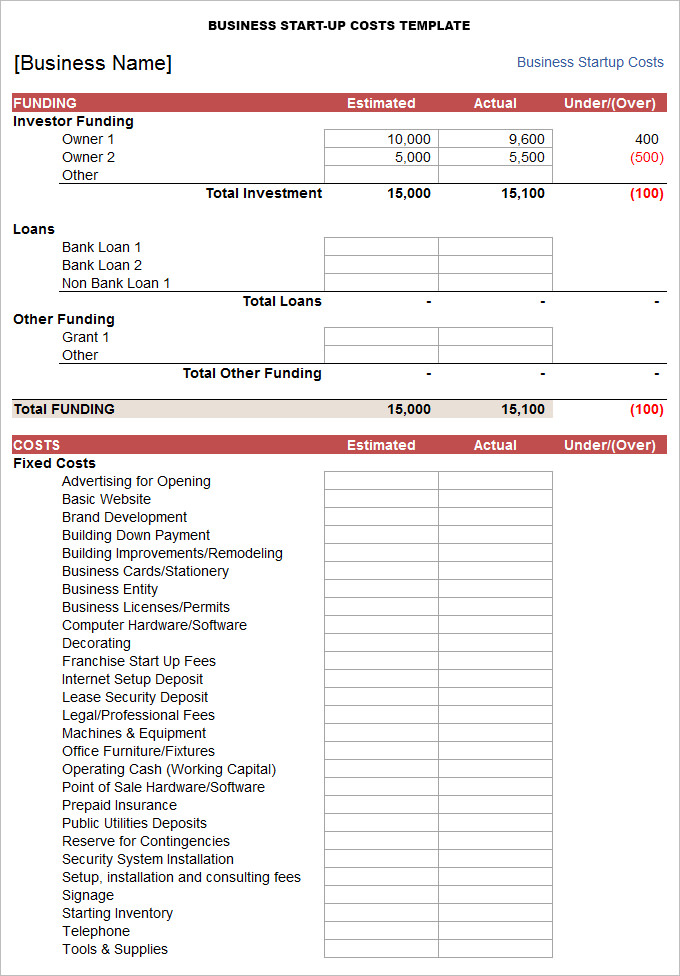
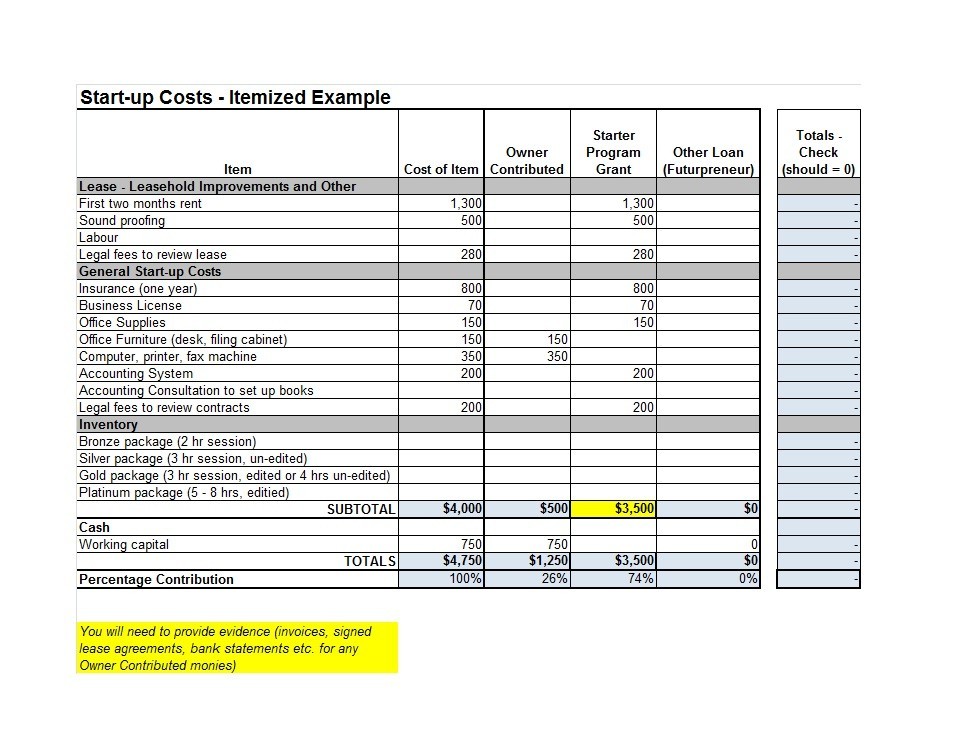
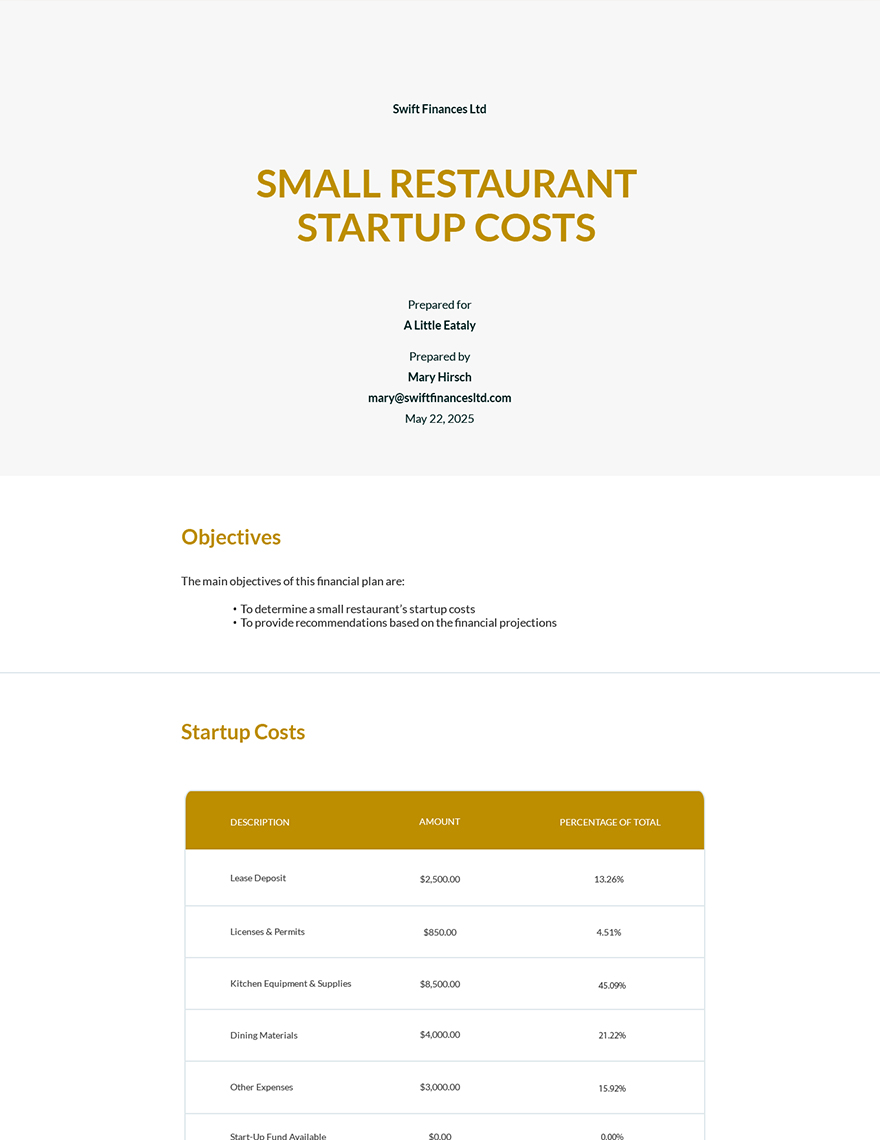
- Estimate one-time expenses: Calculate costs associated with setting up your business, such as licensing fees and business registration costs.
- Estimate ongoing expenses: Calculate regular expenses, such as rent and employee salaries.
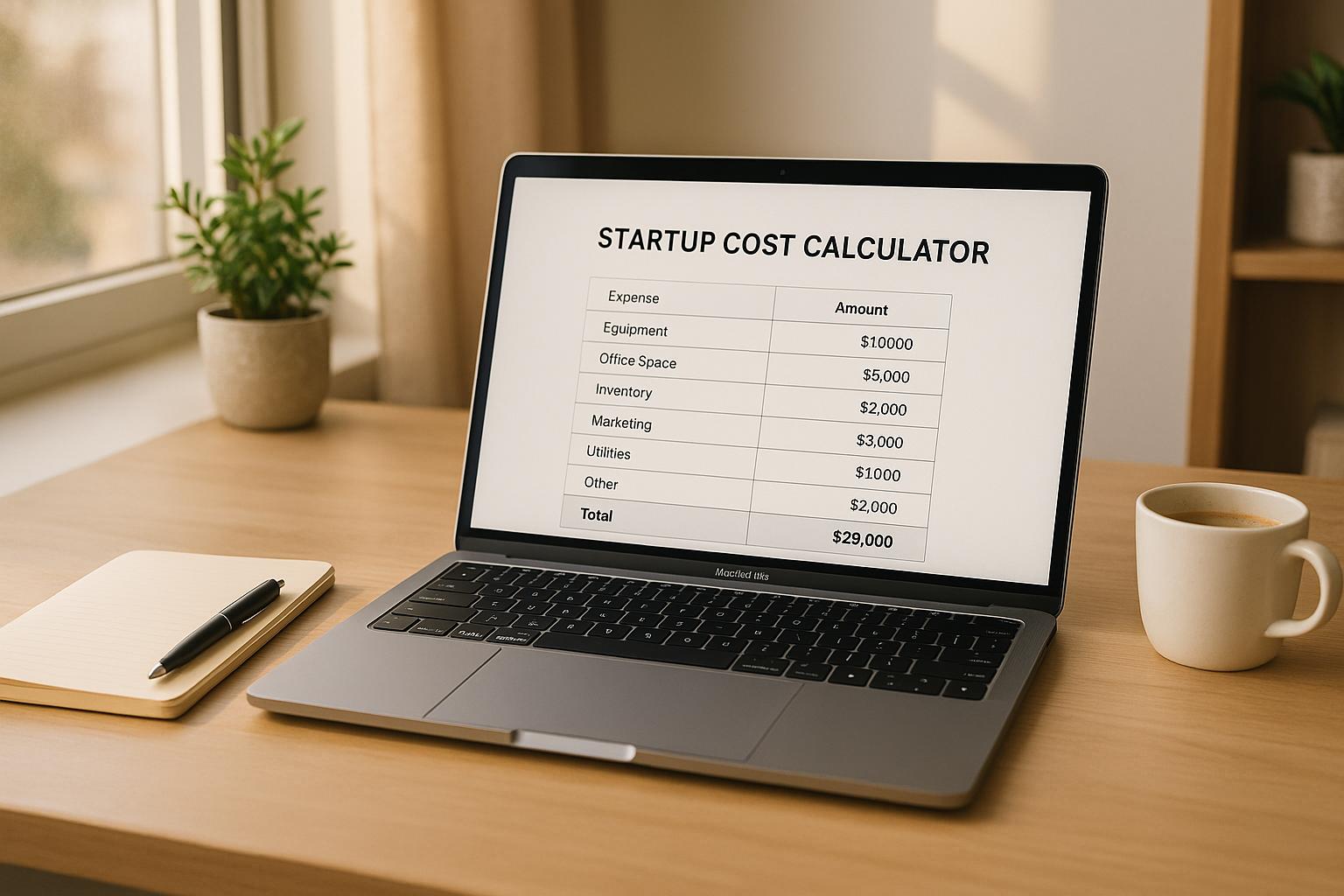
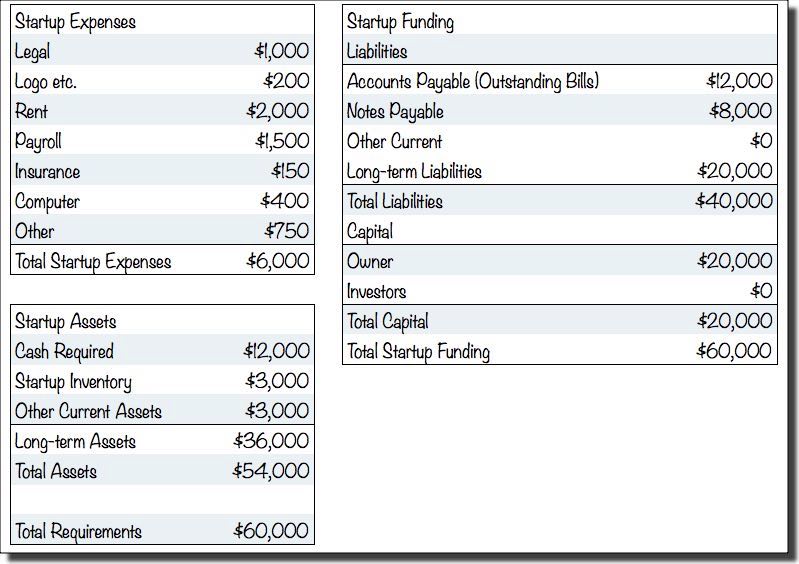
- Categorize expenses: Break down your startup costs into one-time, ongoing, capital expenditures, and marketing and advertising costs.
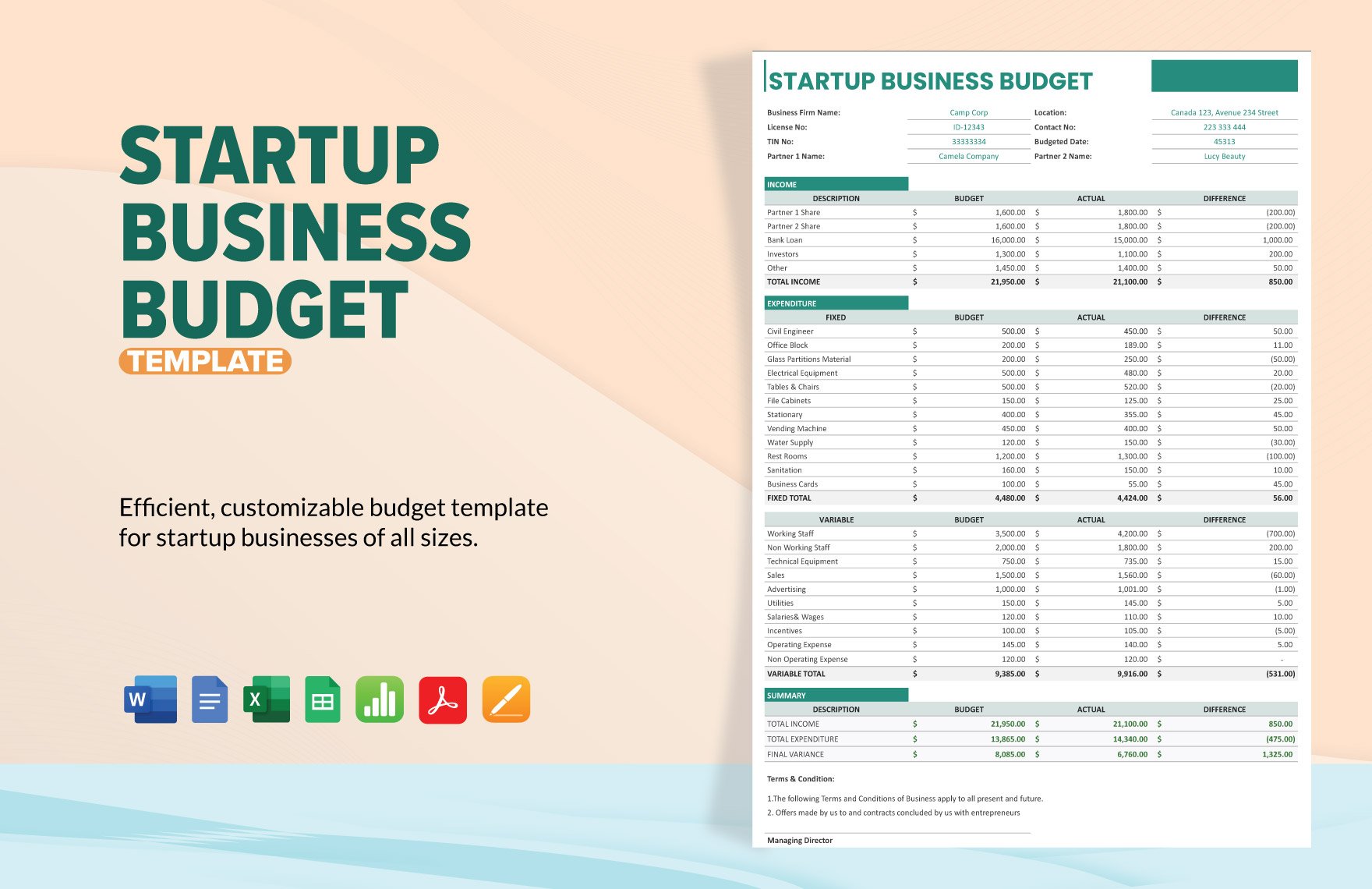
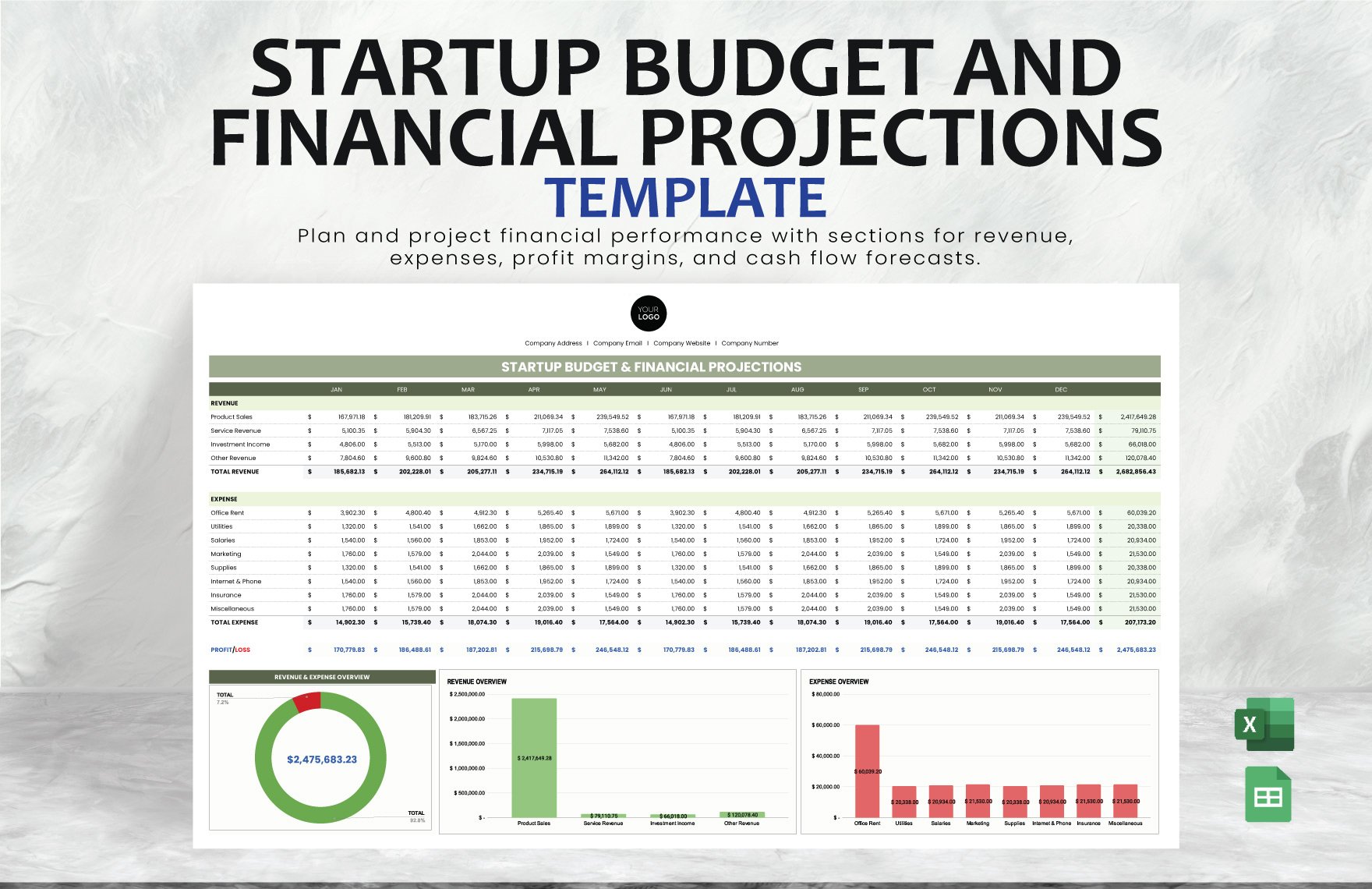
- Create a budget: Establish a budget that allocates funds for each expense category.
Additional Resources
For more information on calculating startup costs for a small business, consider the following resources:
- SBA.gov: The Small Business Administration provides guidance on calculating startup costs and creating a business plan.
- IRS.gov: The Internal Revenue Service offers resources on small business tax deductions and expenses.
- Small Business Development Centers: These centers offer free counseling and training on business planning and startup costs.