The Science Behind Micro Eutectic Solder: Unlocking the Secrets of Efficient PCB Assembly
Introduction
In the world of electronics manufacturing and metallurgy, the term "eutectic solder" is frequently encountered. This crucial material plays a vital role in creating reliable electrical and mechanical connections in a wide range of applications. To fully appreciate its importance and unique properties, we need to delve deep into the science behind eutectic solder, its advantages, and how it differs from non-eutectic solder.What is Eutectic Solder?
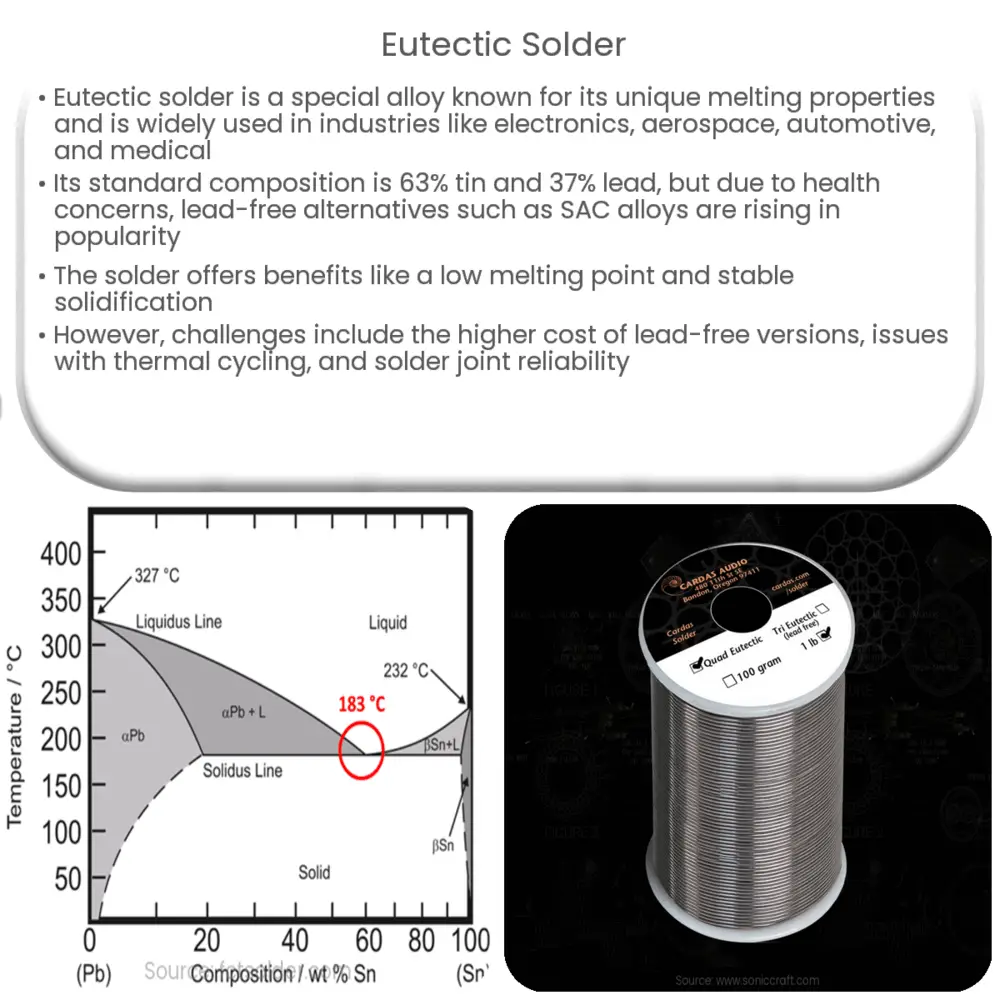
Eutectic solder is a type of solder that melts and solidifies at a specific temperature, known as the eutectic temperature. This unique property makes it ideal for the solder reflow process, as it speeds up the solder reflow process, resulting in a faster PCB assembly process and a higher throughput. This, in turn, lowers the effective cost of PCBs.Advantages of Eutectic Solder
The advantages of eutectic solder are numerous. Since eutectic solder melts and solidifies at a specific temperature, it is better suited for the solder reflow process than non-eutectic solder. This results in a faster PCB assembly process, higher throughput, and lower effective cost of PCBs. Additionally, eutectic solder tends to have a bright, shiny appearance, while non-eutectic solder tends to have a dull, grainy appearance.Micro Eutectic Solder: The Future of Soldering