Is Expired Acetaminophen Safe? Understanding the Risks and Effectiveness
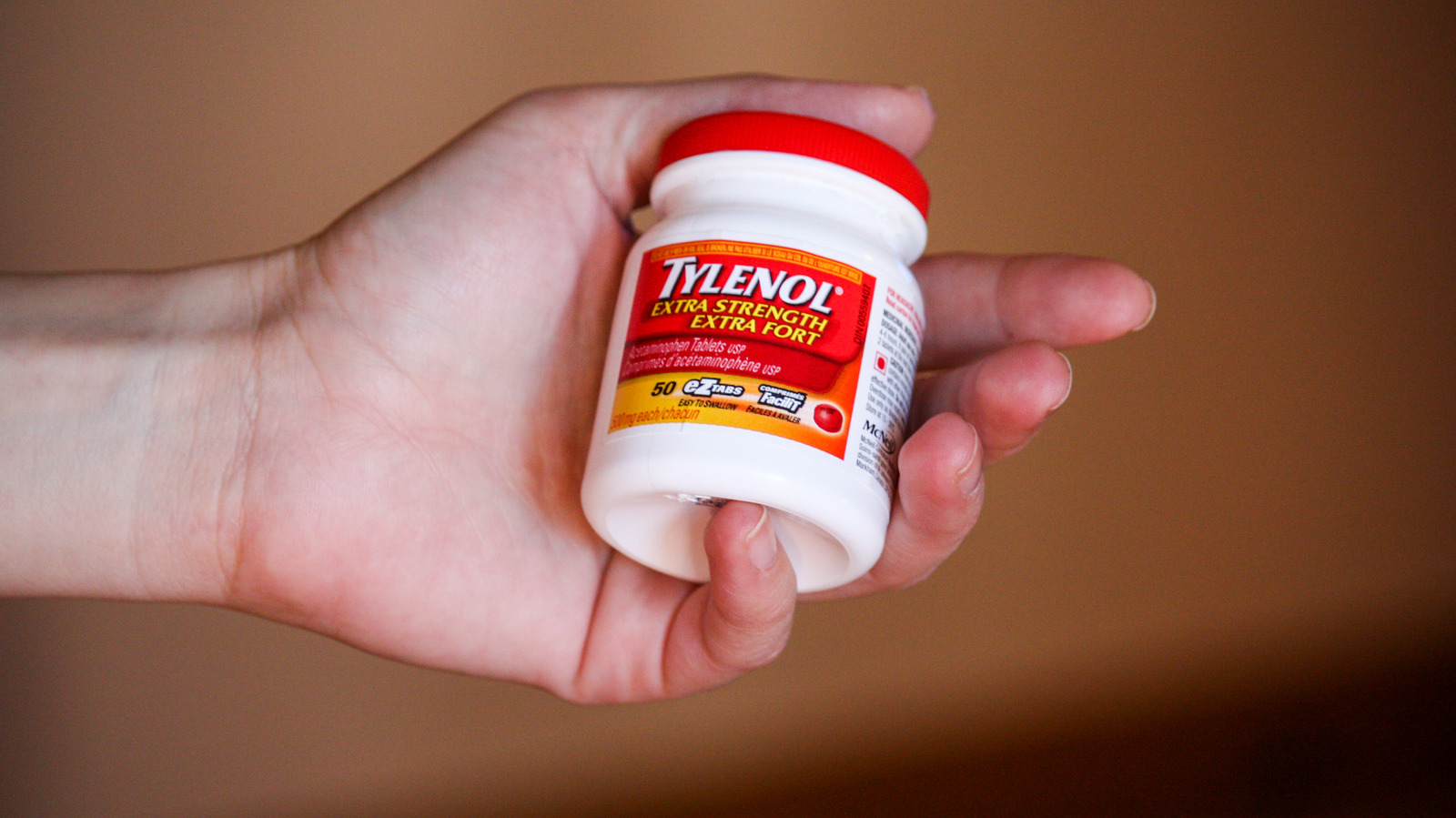
When it comes to expired medications, there are many questions surrounding their safety and effectiveness. As a responsible consumer, it's essential to understand the risks associated with taking expired acetaminophen, also known as Tylenol. In this article, we'll explore the factors that affect the potency and safety of expired acetaminophen and provide guidance on what to do with expired medication.
The Importance of Expiration Dates
Expiration dates on medications are set by the manufacturer to indicate the last date at which they can guarantee the product's quality and potency. After this date, the active ingredients may break down, reducing the medication's effectiveness. However, this doesn't necessarily mean that the medication is no longer safe to take. As we'll discuss later, many medications, including acetaminophen, retain a significant amount of potency even after the expiration date has passed.
The Safety of Expired Acetaminophen
According to the FDA, about 90% of over 100 tested drugs, including prescription and over-the-counter medications, were found to be safe to use beyond their expiration dates. However, some medications require more caution. Acetaminophen is generally considered to be safe to take even after its expiration date, but there are some considerations to keep in mind.
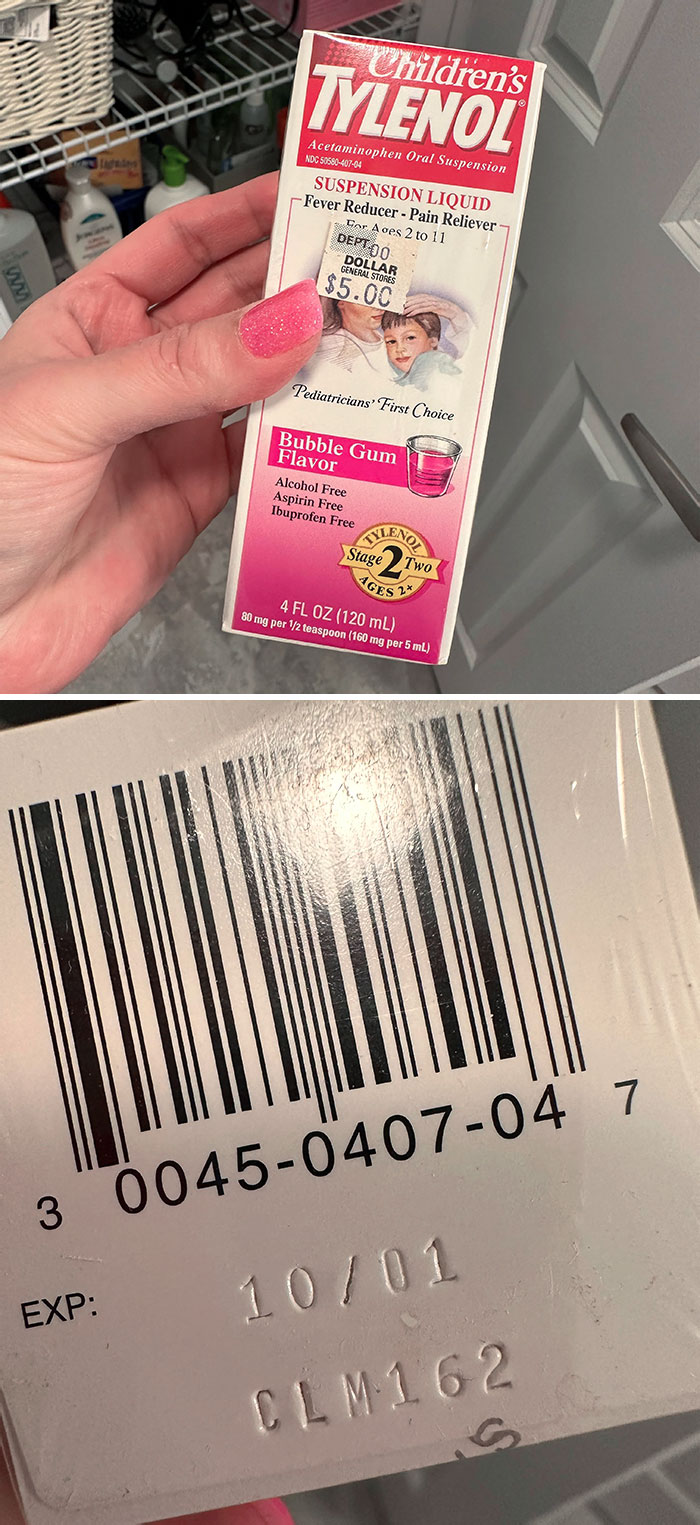
Liquid medications, such as children's Tylenol, degrade faster than pills and should be used with caution. Even if children's Tylenol has expired, it's not recommended to use it unless a pharmacist confirms its safety. Degraded acetaminophen may not reduce fever effectively and may even become contaminated.
The Risks of Taking Expired Acetaminophen
While expired acetaminophen is generally considered safe to take, there are some risks to be aware of. The primary concern is that the medication may not be as potent as it once was, which could lead to inadequate pain relief or fever reduction. Additionally, degraded acetaminophen may cause other unwanted effects, such as stomach upset or allergic reactions.
Proper Storage and Disposal
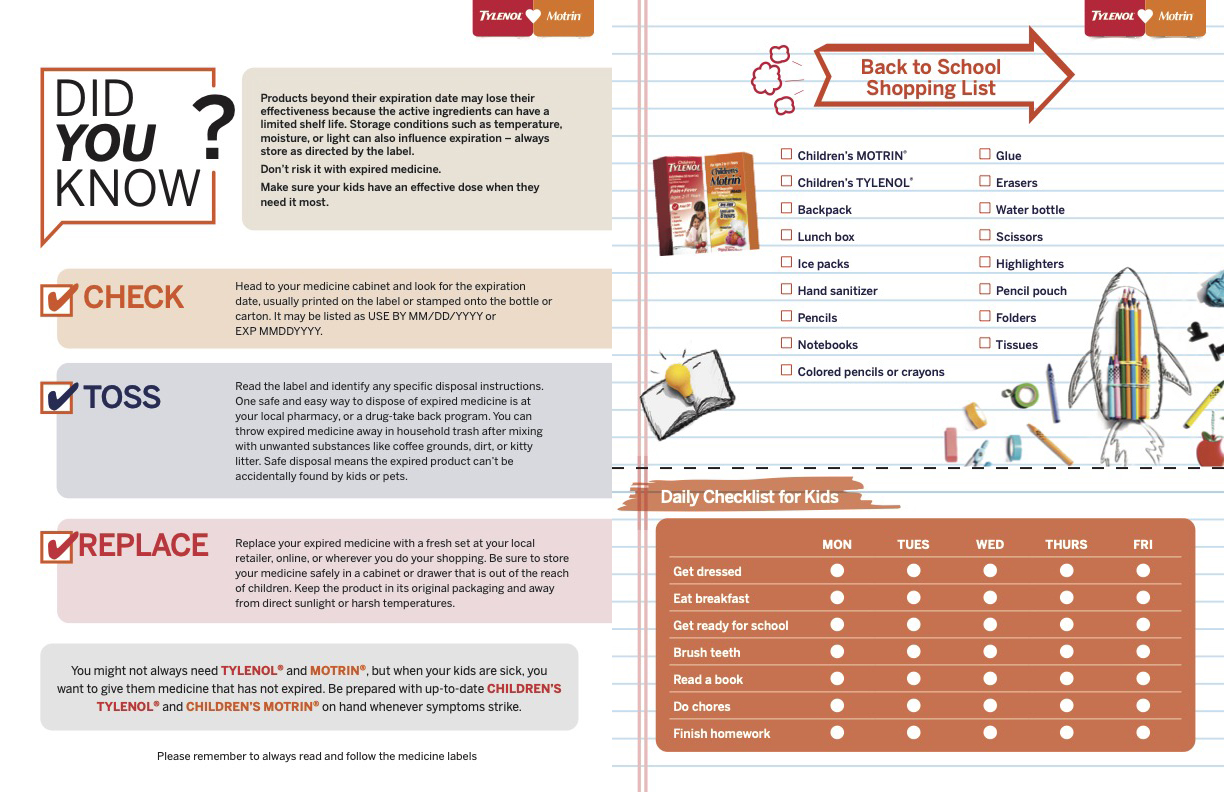
To ensure the safety and effectiveness of expired medications, it's essential to store them properly. Keep medications in a cool, dry place, away from direct sunlight and moisture. Always check the expiration date and any storage recommendations on the packaging before using a medication.
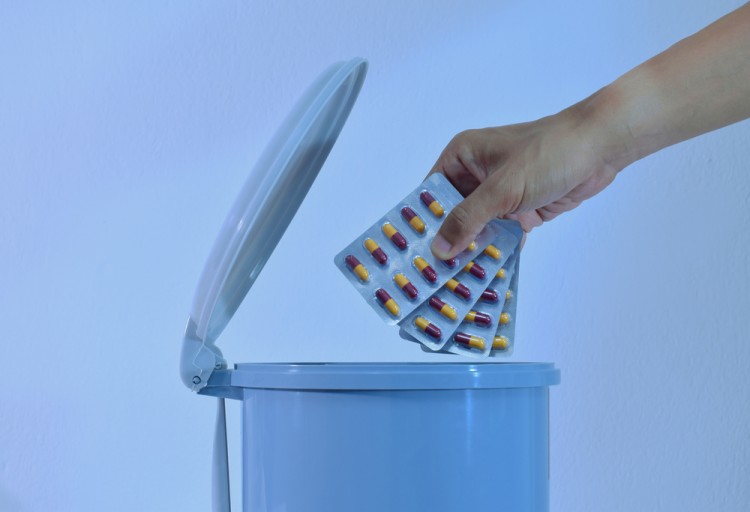
When it comes to disposing of expired medications, there are several options available. You can take expired medications to a drug take-back location or dispose of them through a home disposal program. It's essential to follow local guidelines for disposing of medications to prevent accidental ingestion or environmental harm.
Conclusion
In conclusion, while expired acetaminophen is generally considered safe to take, there are some risks to be aware of. It's essential to understand the factors that affect the potency and safety of expired medications and to follow proper storage and disposal guidelines. If you're unsure about the safety of an expired medication, consult with a pharmacist or healthcare professional for guidance.
FAQs
- Q: Is expired acetaminophen safe to take? A: Generally, yes, but there are some considerations to keep in mind.
- Q: What happens if I take expired acetaminophen? A: The medication may not be as potent as it once was, which could lead to inadequate pain relief or fever reduction.
- Q: How should I store expired medications? A: Keep medications in a cool, dry place, away from direct sunlight and moisture.
- Q: How should I dispose of expired medications? A: Take them to a drug take-back location or dispose of them through a home disposal program.