Sleep Disorders in Children: Causes, Types, and Solutions
Sleep disorders in children can disrupt family dynamics and have far-reaching consequences on a child's cognitive, emotional, and behavioral development. Fortunately, recognizing the causes and types of sleep disorders in children allows parents, healthcare providers, and educators to take proactive steps in preventing and managing these problems.
Understanding Sleep Disorders in Children
According to the American Academy of Pediatrics (AAP), children and adolescents require at least 9 hours of sleep each night. Sleep plays a critical role in physical health, emotional well-being, and cognitive development. Sleep deprivation can impair memory, mood, reaction time, and overall health, putting children at risk for various problems.
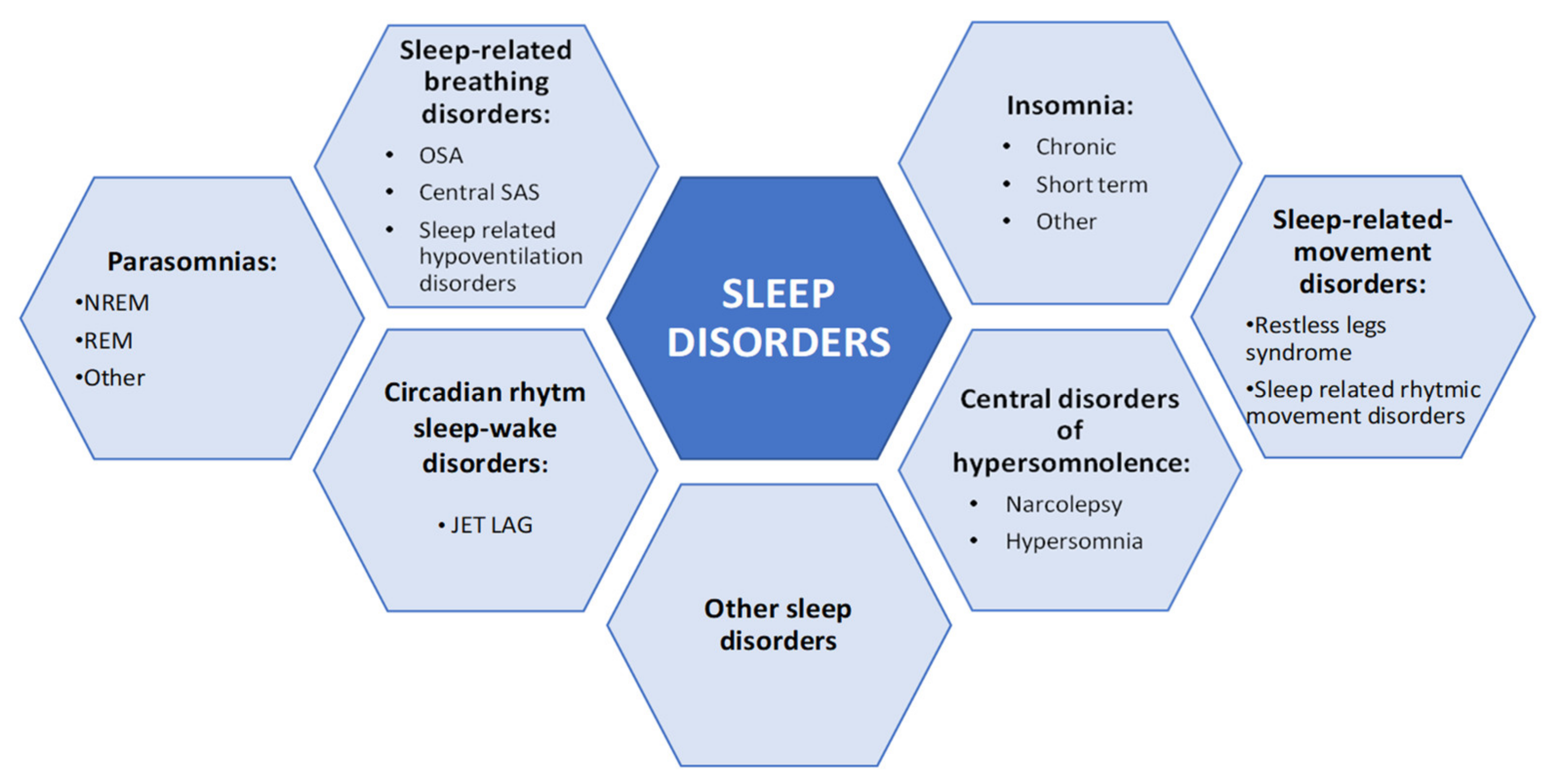
Types of Sleep Disorders in Children
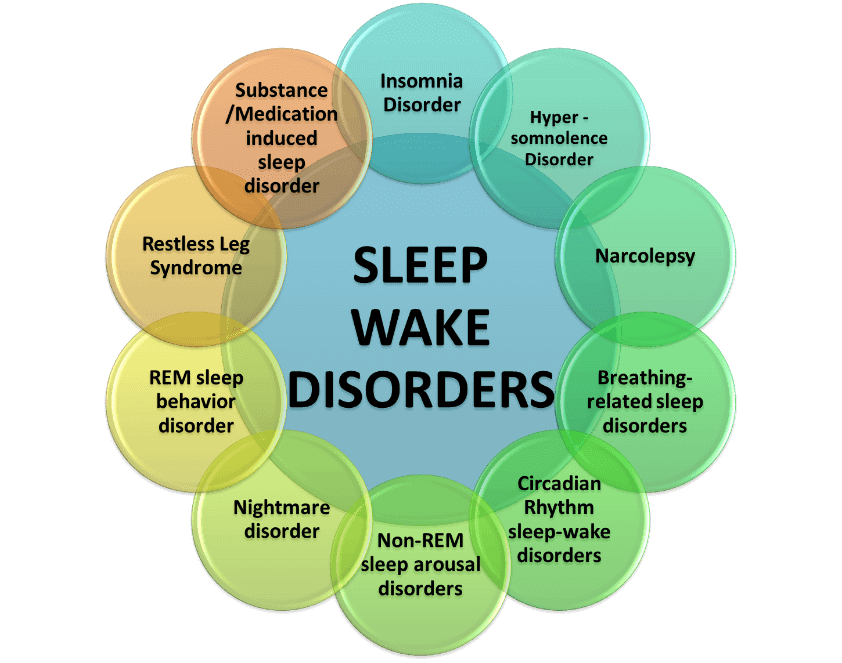
Sleep disorders in children can be categorized into several types, including:
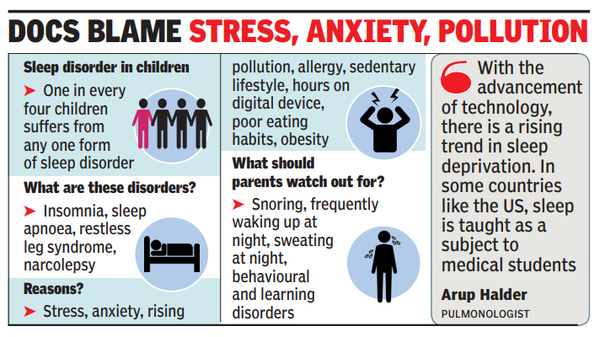
- Behavioral Sleep Disorders: These disorders involve difficulty falling asleep or staying asleep due to external stimuli, habits, or environmental factors. Examples include insomnia, sleepwalking, sleep talking, and bedwetting.
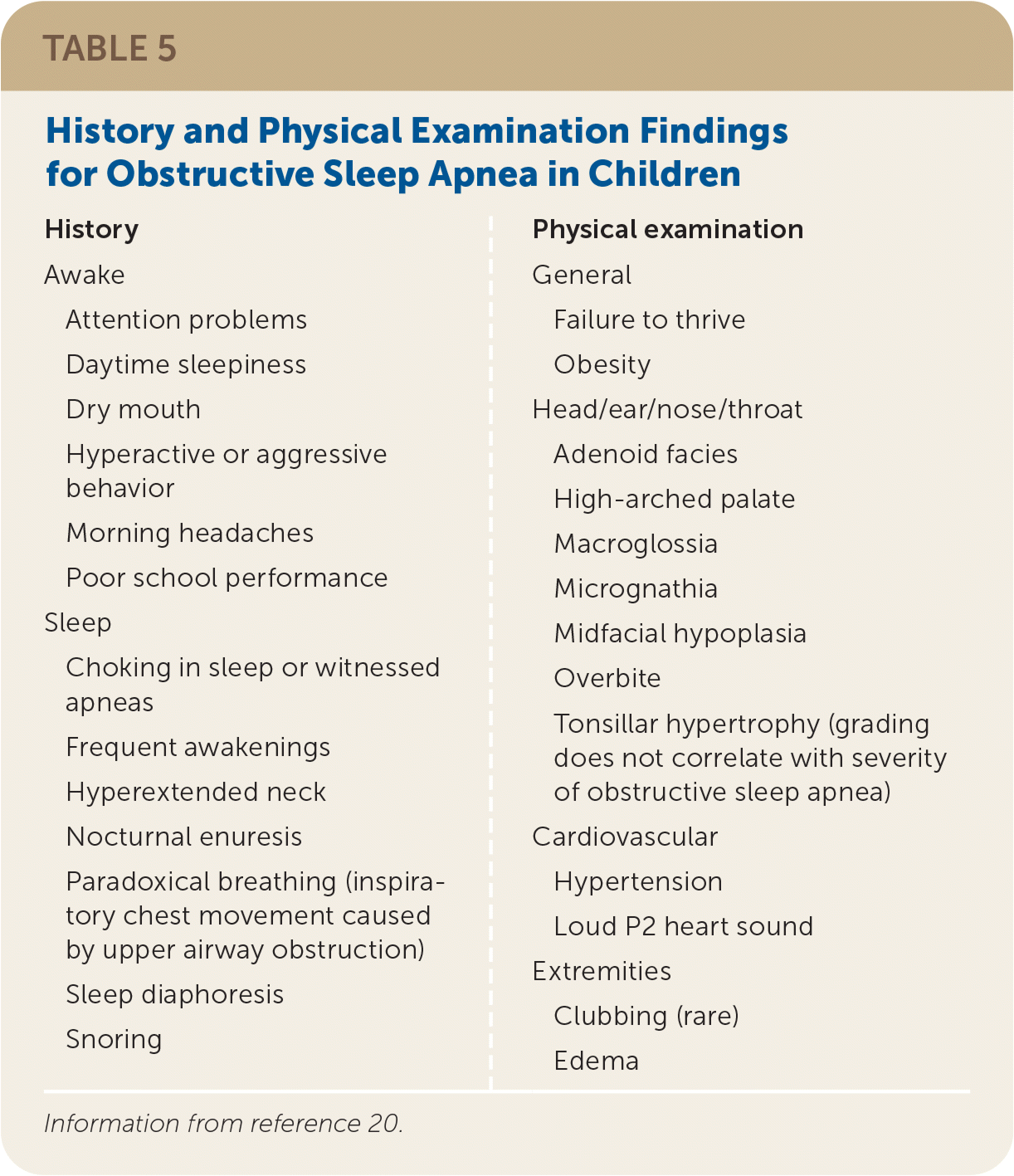
- Neurological Sleep Disorders: These disorders occur when there are disruptions in the brain's sleep-wake cycle. Examples include sleep apnea, restless legs syndrome, and narcolepsy.
- Parasomnias: These disorders involve abnormal behaviors or events during sleep, such as sleep terrors, sleepwalking, and sleep paralysis.
Causes of Sleep Disorders in Children
The causes of sleep disorders in children can vary, but some potential contributing factors include:
- Genetics: Sleep disorders can run in families, and certain genetic conditions may increase the risk of developing sleep problems.
- Environmental Factors: Environmental factors, such as noise, light, and temperature, can disrupt sleep patterns.
- Mental Health Conditions: Children with anxiety, depression, or attention deficit hyperactivity disorder (ADHD) may experience sleep disorders.
- Medical Conditions: Certain medical conditions, such as sleep apnea, restless legs syndrome, and narcolepsy, can cause sleep disorders.
Symptoms of Sleep Disorders in Children
Parents and caregivers should be aware of the following symptoms of sleep disorders in children:
- Difficulty Falling Asleep: Children may have trouble falling asleep or may resist bedtime.
- Sleep Disturbances: Children may wake up frequently during the night or experience daytime fatigue.
- Behavioral Problems: Children with sleep disorders may exhibit behavioral problems, such as irritability, mood swings, and decreased concentration.
Solutions for Sleep Disorders in Children
Fortunately, many sleep disorders in children can be prevented or managed through the following solutions:
- Establish a Bedtime Routine: Establishing a consistent bedtime routine can help children develop healthy sleep habits.
- Create a Sleep-Conducive Environment: Ensuring the sleep environment is dark, quiet, and cool can promote better sleep.
- Monitor Sleep: Keeping track of sleep patterns and schedules can help identify potential sleep disorders.
- Consult a Healthcare Provider: Consulting a healthcare provider can help diagnose and treat sleep disorders in children.
Conclusion
Sleep disorders in children can have far-reaching consequences on cognitive, emotional, and behavioral development. Recognizing the causes and types of sleep disorders in children allows parents, healthcare providers, and educators to take proactive steps in preventing and managing these problems. By establishing healthy sleep habits, monitoring sleep patterns, and consulting healthcare providers, parents can help their children develop a lifetime of healthy sleep habits and minimize the risk of sleep disorders.