Understanding Internet Addiction: A Pervasive and Complex Issue
More a popular idea than a scientifically valid concept, internet addiction is the belief that people can become so dependent on using their mobile phones or other electronic devices that they compromise their daily lives, relationships, and overall well-being.
Prevalence and Consequences of Internet Addiction
Internet addiction is a pervasive and complex issue that has gained increasing attention in the digital age. According to research, over 10% of people aged 12 or older in the United States have internet addiction disorder, with young people particularly susceptible to its effects. Excessive internet use can lead to impaired academic performance, social isolation, and mental health issues such as depression and anxiety.
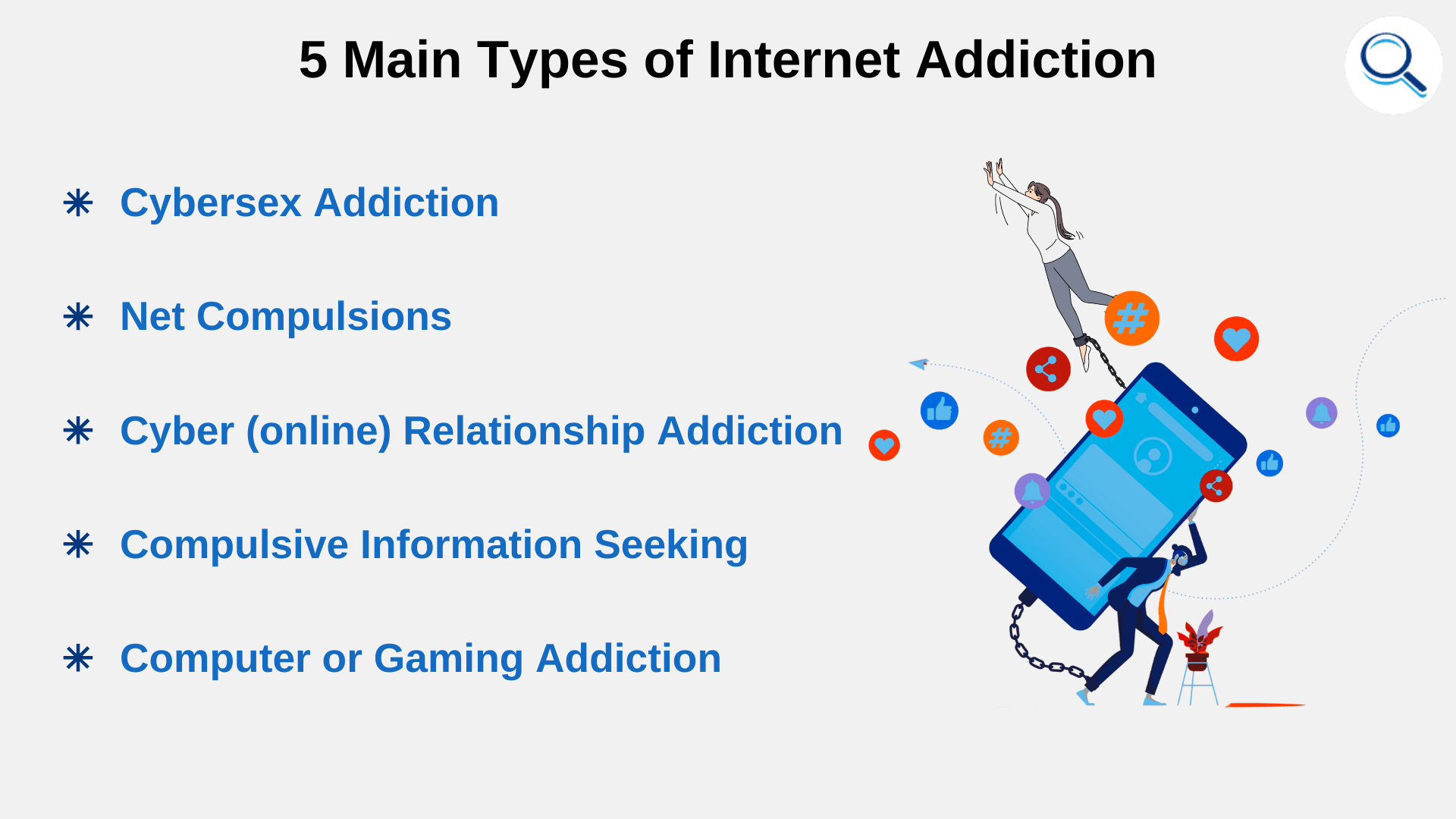
Types of Internet Addiction
- Internet gaming disorder: characterized by excessive and compulsive gaming habits
- Internet pornography addiction: excessive and compulsive viewing of online pornographic content
- Social media addiction: excessive and compulsive use of social media platforms, often leading to social comparison and loneliness
- Online shopping addiction: excessive and compulsive online shopping, leading to financial and emotional problems
Symptoms and Signs of Internet Addiction
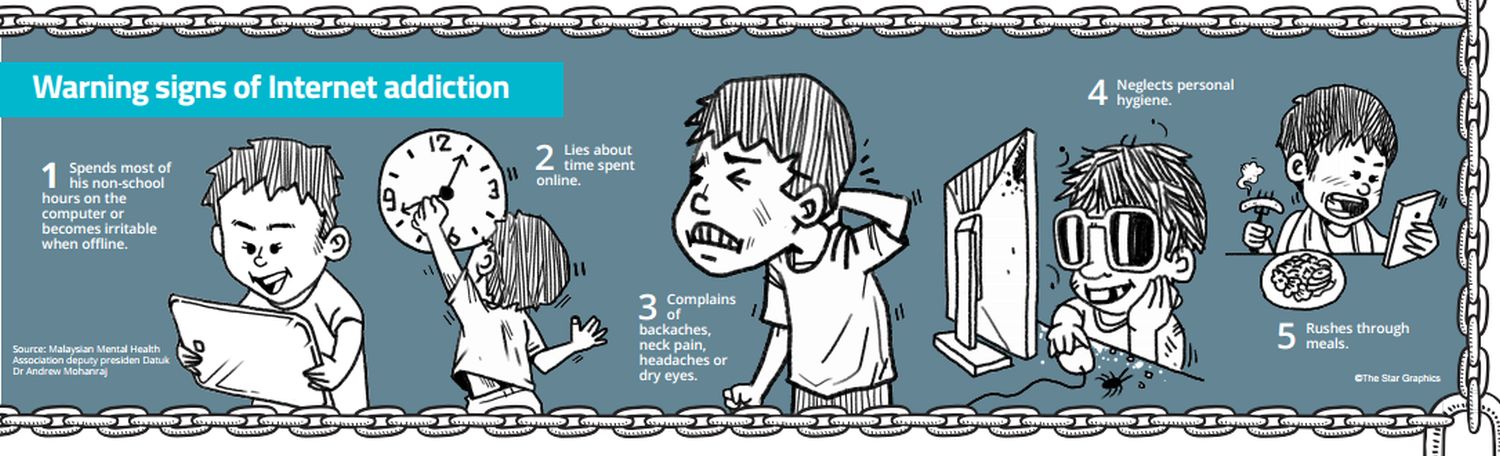
Internet addiction can manifest in different ways, but common symptoms and signs include:
- Excessive and compulsive internet use
- Neglect of daily responsibilities, such as school, work, or relationships
- Withdrawal symptoms when unable to access the internet
- Use of the internet as a coping mechanism for stress, anxiety, or other emotional issues
- Escalating the amount of time spent online to feel satisfied or "high"
Effects of Internet Addiction on Mental and Physical Health
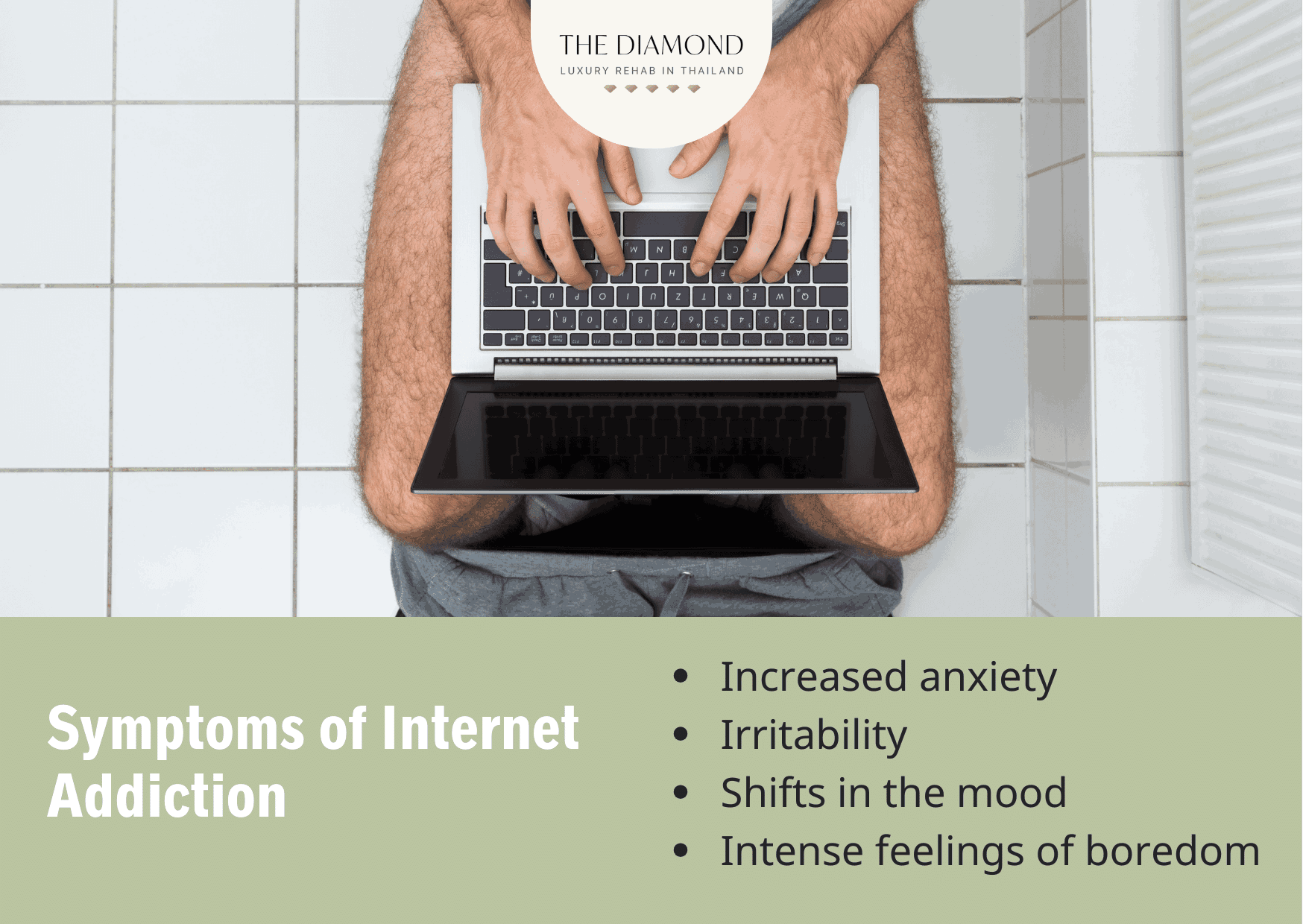
Internet addiction can have severe consequences on both mental and physical health. Chronic excessive internet use can lead to:
- Sleep deprivation and poor sleep quality
- Eye strain and vision problems
- Sedentary behavior, contributing to obesity and other physical health issues
- Increased risk of depression, anxiety, and other mental health disorders
- Difficulty maintaining relationships and social connections
Prevention and Intervention Strategies
Preventing and treating internet addiction requires a comprehensive approach that involves the individual, family, and community. Some strategies include:
- Setting boundaries and limits on internet use
- Encouraging physical activity and outdoor behavior
- Monitoring internet use and seeking professional help when necessary
- Engaging in activities that promote social connections and relationships
- Seeking counseling or therapy to address underlying issues and develop healthier coping mechanisms
Conclusion
Internet addiction is a complex and pervasive issue that affects individuals, families, and communities worldwide. Recognizing the signs and symptoms of internet addiction and taking proactive steps to prevent and intervene can help mitigate its consequences and promote healthier relationships with technology.