Understanding Working Capital Requirements for Small Business
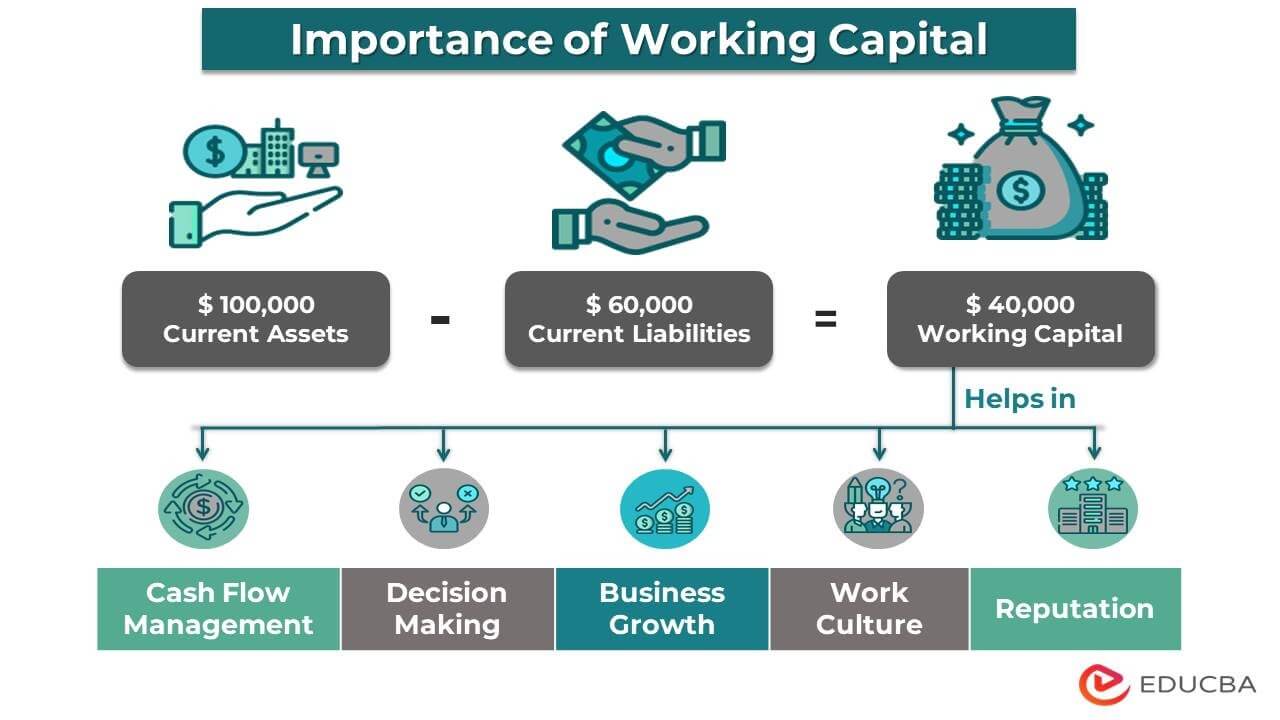
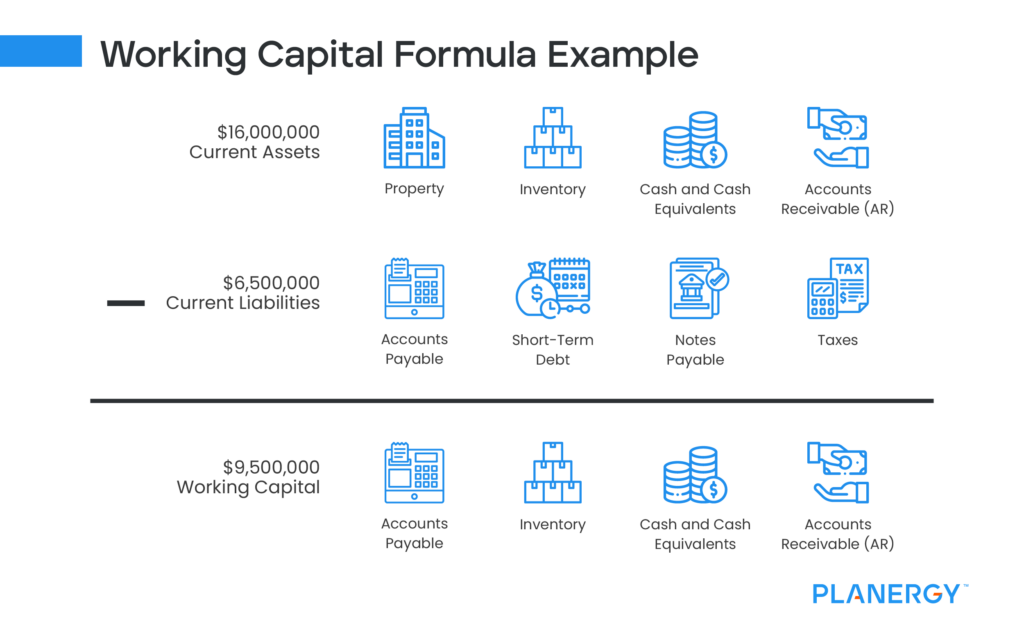
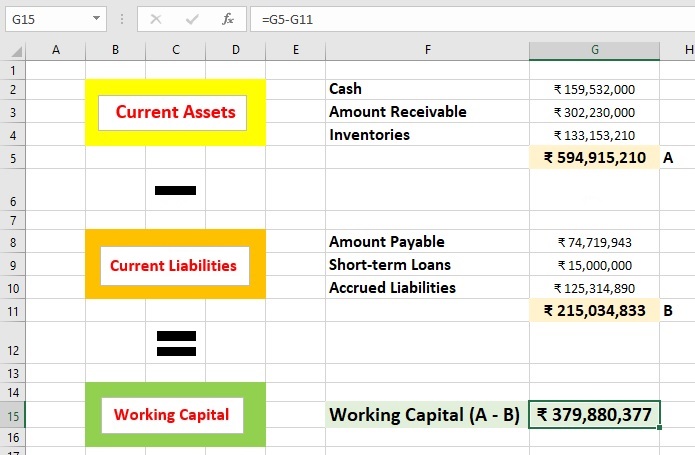
As a small business owner, it's essential to have a clear understanding of the working capital requirements that your business needs to operate smoothly. Working capital is the cash your business needs to cover day-to-day operations, including payroll, inventory, supplier payments, utilities, marketing, and other short-term expenses. A positive working capital position helps businesses to pay bills on time, maintain inventory, hire and retain staff, take advantage of growth opportunities, and bridge seasonal slowdowns.The Importance of Working Capital for Small Business Growth
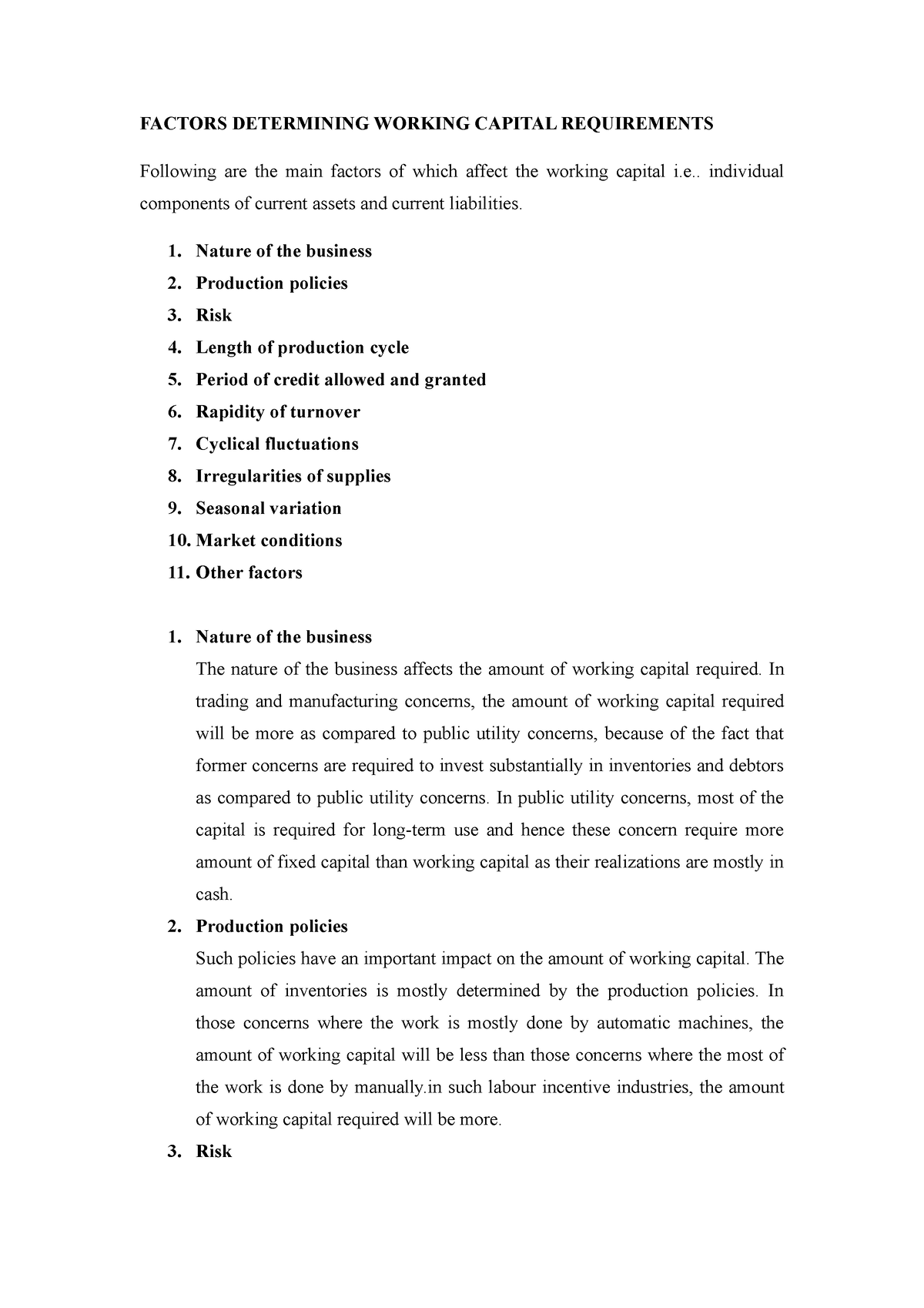
Working capital is critical for small business growth and sustainability. Without sufficient working capital, businesses may struggle to meet their financial obligations, leading to cash flow problems, delayed payments, and even business closure. Therefore, it's essential to determine the right amount of working capital needed to support business growth and expansion.Key Factors Affecting Working Capital Requirements
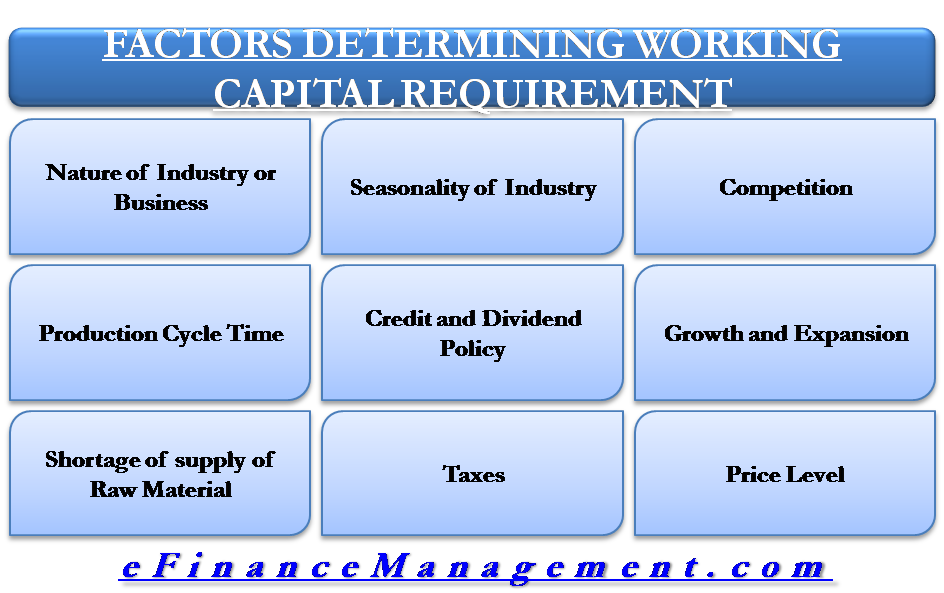
The three primary factors that determine how much working capital is needed by a small business are: 1. **Business Type**: The type of business you operate can significantly impact your working capital requirements. For example, a retail business may require more working capital to manage inventory and meet customer demand, while a service-based business may require less working capital to manage cash flow. 2. **Operating Cycle**: The length of your operating cycle, from production to revenue generation, can also impact your working capital requirements. Businesses with a shorter operating cycle, such as those in the e-commerce industry, may require less working capital to manage cash flow, while businesses with a longer operating cycle, such as those in the manufacturing industry, may require more working capital to manage inventory and meet customer demand. 3. **Management Goals**: Your business goals and objectives can also impact your working capital requirements. For example, a business looking to expand its operations may require more working capital to invest in new equipment, hire staff, and meet increased demand.Calculating Working Capital Requirements