Getting a Job in a Digital Experience Industry: A Comprehensive Guide
The digital experience industry is one of the fastest-growing sectors in the job market, with a vast array of job opportunities available for individuals with the right skills and experience. According to recent statistics, there are over 247,939 digital experience jobs available on Indeed.com, with many more expected to be added in the coming years.
Why is the Digital Experience Industry Booming?
The digital experience industry has been growing exponentially in recent years, driven by the increasing demand for digital transformation across various industries. As more businesses shift their focus towards online engagement and customer experience, the demand for skilled professionals in this field has skyrocketed. With the rise of e-commerce, social media, and digital marketing, companies are looking for individuals who can help them create seamless and engaging digital experiences for their customers.
Key Job Titles in the Digital Experience Industry
- Digital Marketing Manager: Responsible for developing and implementing digital marketing strategies to reach target audiences and drive sales.
- Product Owner: Works closely with cross-functional teams to define and deliver digital products that meet customer needs and business objectives.
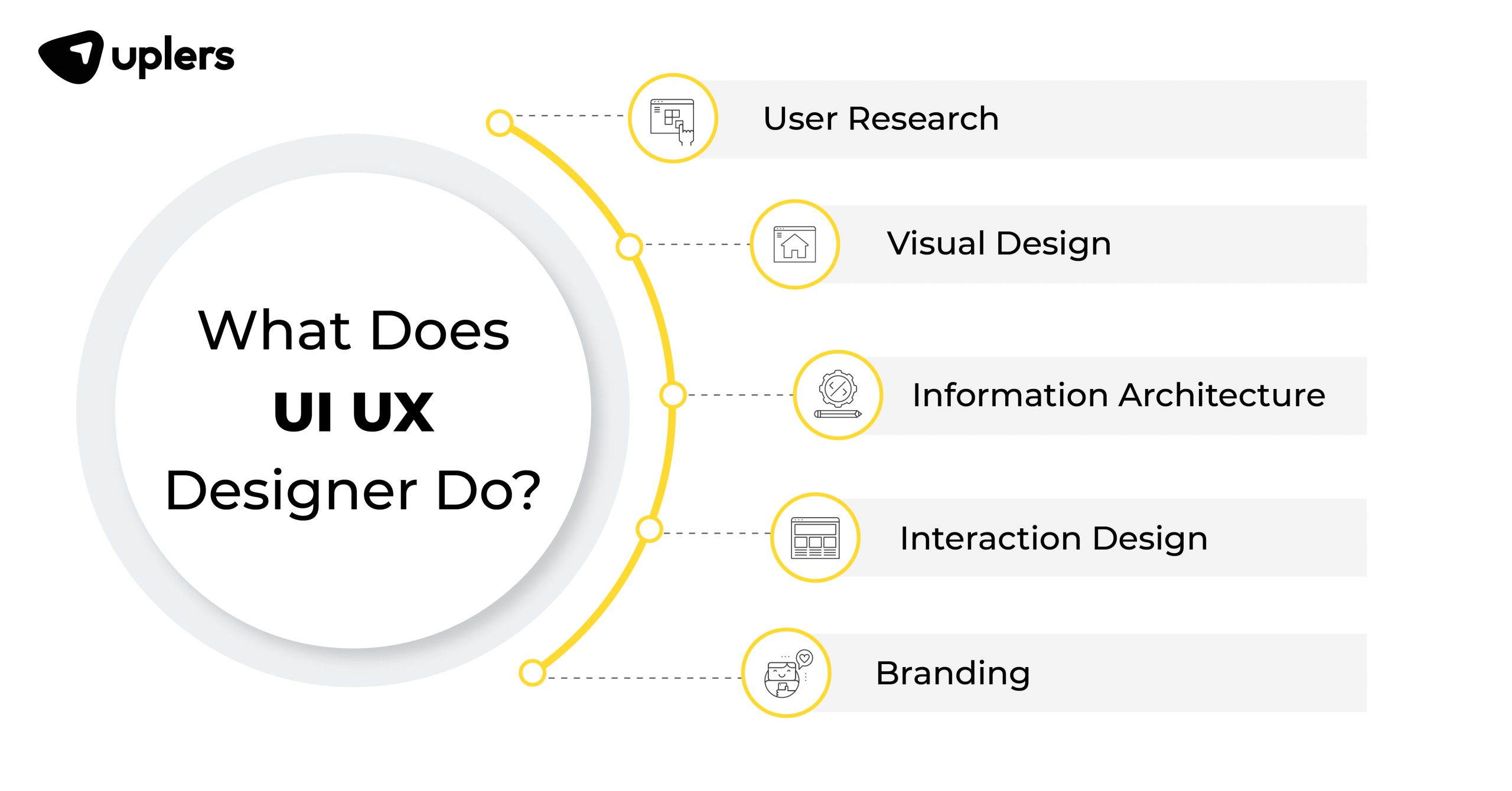
- UX Designer: Creates user-centered design solutions that improve the overall digital experience of customers.
- Digital Experience Architect: Designs and implements digital experiences that meet business goals and customer needs.
- Content Strategist: Develops content marketing plans that engage and convert target audiences.
Skills and Qualifications Required for the Digital Experience Industry
To succeed in the digital experience industry, you'll need a combination of technical, creative, and business skills. Some of the key skills required include:
- Technical skills: Proficiency in programming languages such as HTML, CSS, JavaScript, and server-side languages like Python, Ruby, or PHP.
- Design skills: Proficiency in design tools like Sketch, Figma, Adobe XD, or Photoshop.
- Business skills: Understanding of marketing principles, business strategy, and customer behavior.
- Soft skills: Excellent communication, collaboration, and problem-solving skills.

How to Get Started in the Digital Experience Industry
Getting started in the digital experience industry can be challenging, but with the right guidance and resources, you can set yourself up for success. Here are some steps to help you get started:
- Build your skills: Take online courses or attend workshops to learn about digital marketing, design, and development.
- Gain experience: Start by working on personal projects or contributing to open-source projects to build your portfolio.
- Network: Attend industry events, join online communities, or connect with professionals in the field to learn about new opportunities and best practices.
- Stay up-to-date: Continuously update your skills and knowledge to stay relevant in the ever-evolving digital landscape.
Conclusion
The digital experience industry offers a wide range of job opportunities for individuals with the right skills and experience. With the right guidance and resources, you can set yourself up for success and build a fulfilling career in this exciting and fast-paced industry.
Whether you're a seasoned professional or just starting out, getting a job in the digital experience industry requires a combination of technical, creative, and business skills. By building your skills, gaining experience, networking, and staying up-to-date, you can increase your chances of success in this competitive job market.
So, if you're passionate about creating seamless and engaging digital experiences for customers, now is the time to start your journey in the digital experience industry!