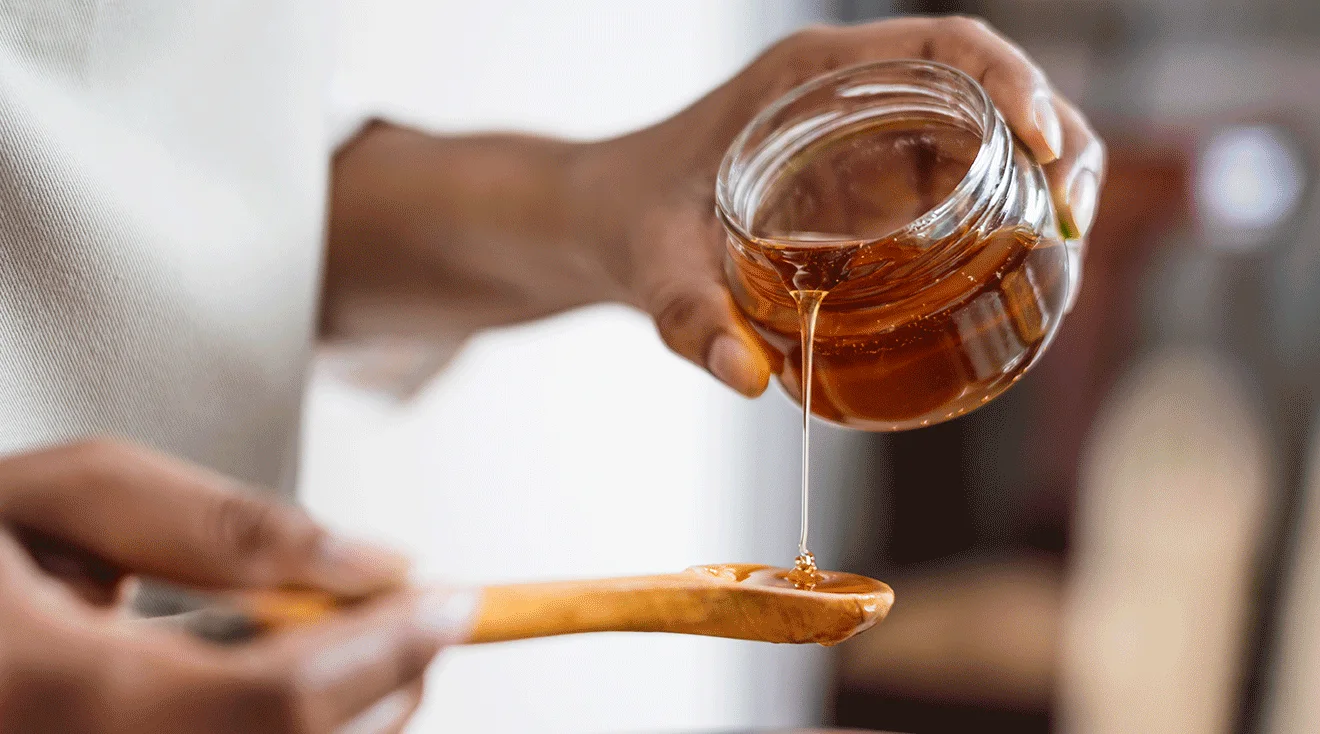
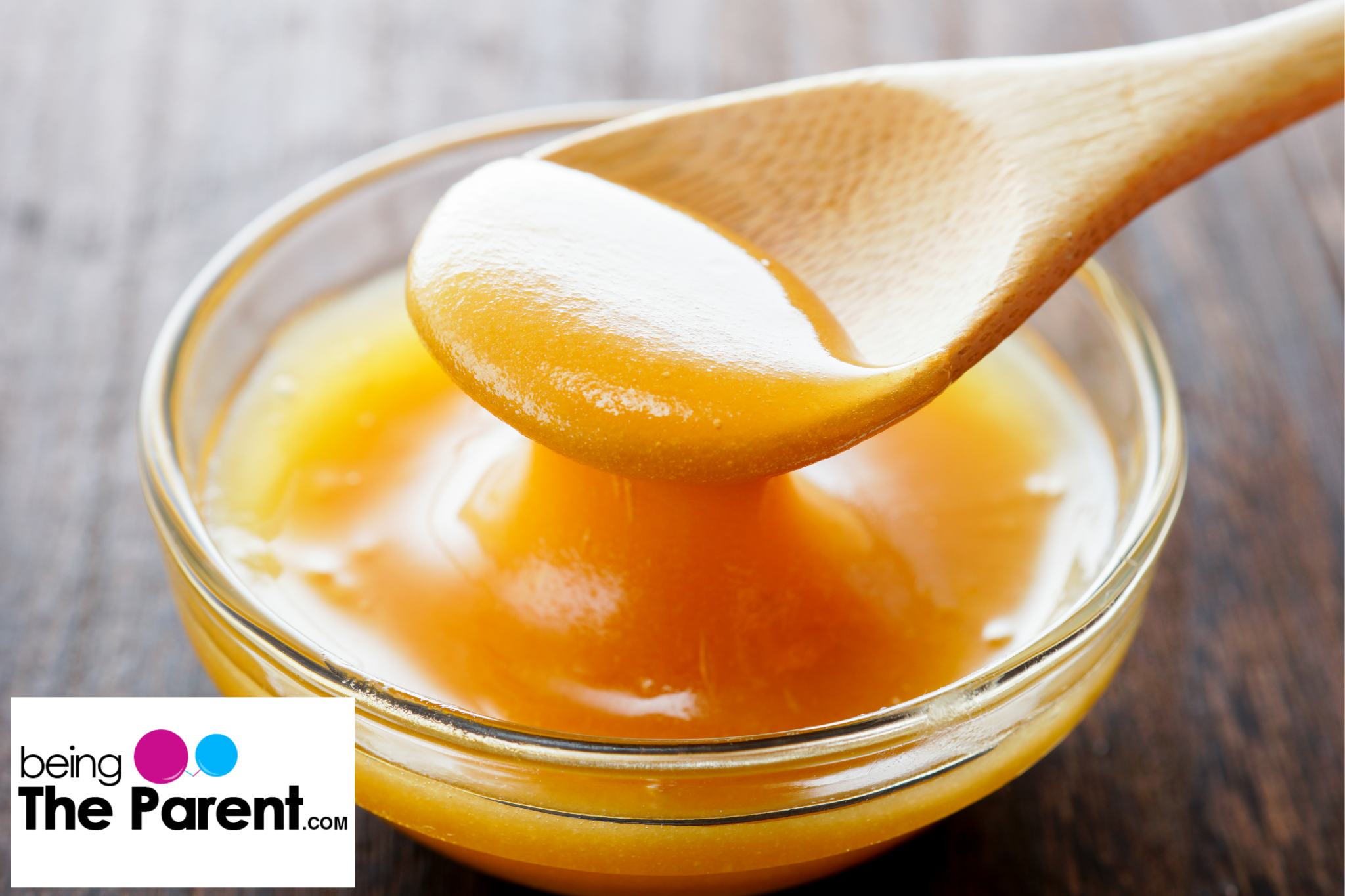
Honey Consumption During Pregnancy: A Comprehensive Guide
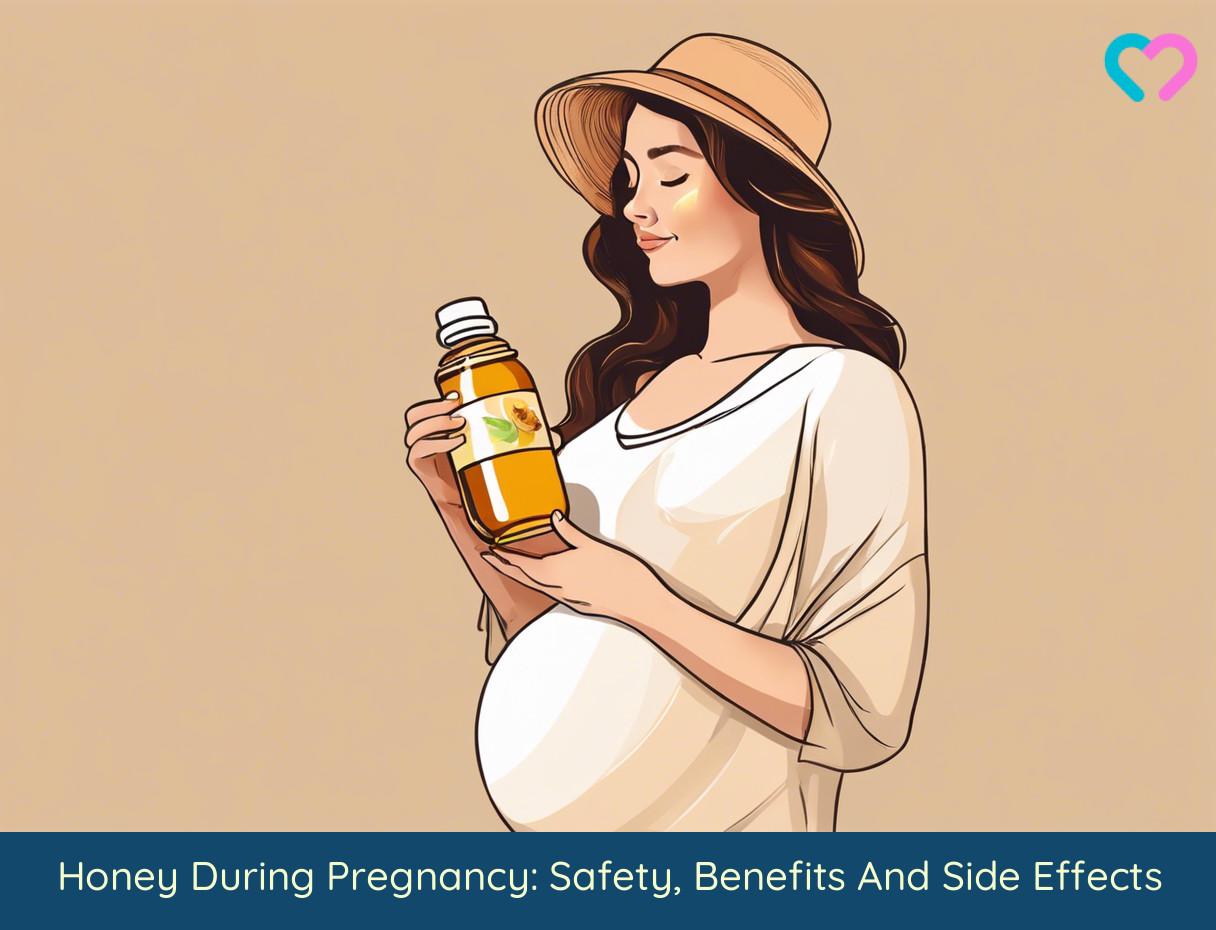
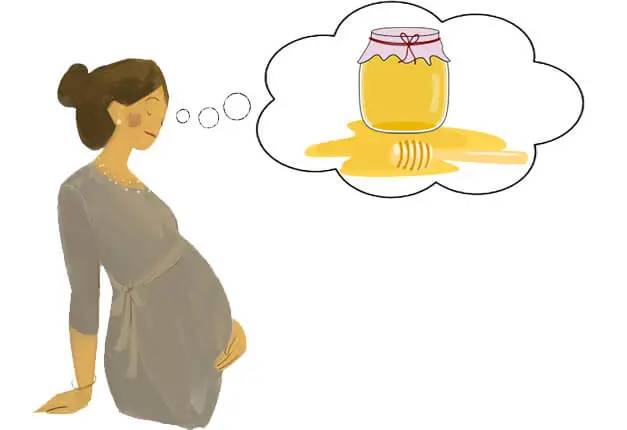
Pregnancy is a special time in a woman's life, filled with excitement, anticipation, and numerous questions about what's safe to eat and what's not. Among the many food-related queries that arise during this time, one that often pops up is about honey consumption.
Is Honey Safe to Consume During Pregnancy?
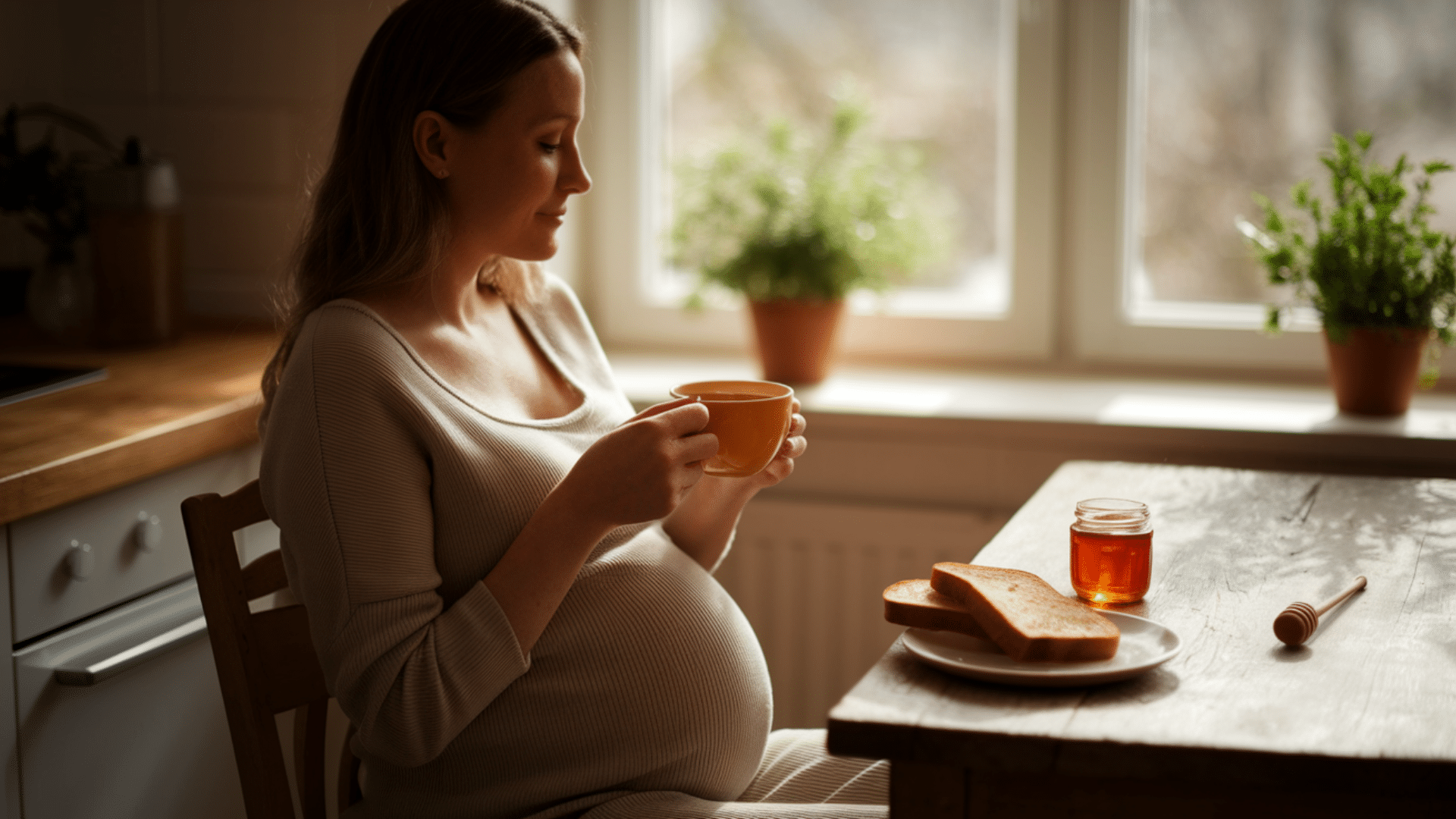
The answer to whether honey is safe during pregnancy is largely positive, but there are important considerations. Generally, honey is considered safe for pregnant women to consume, provided it is pasteurized and free from contaminants.
A Brief History of Honey Consumption
Honey has been a popular food item for centuries, with evidence of its consumption dating back to ancient civilizations. Its popularity as a natural sweetener has only grown over time, with many people opting for honey over refined sugars.
The Health Benefits of Honey Consumption
So, what makes honey such a popular choice? Some of the key health benefits associated with honey consumption include:
- Antioxidants: Honey is rich in antioxidants, which help to protect the body against free radicals and oxidative stress.
- Energy booster: Honey is a natural source of energy, making it a popular choice among athletes and individuals with high energy demands.
- Digestive health: Honey has been shown to have prebiotic properties, which can help to support digestive health and promote a healthy gut microbiome.
- Antibacterial properties: Honey has antimicrobial properties, which can help to soothe coughs, aid digestion, and support immunity.
The Risks Associated with Honey Consumption
While honey has many health benefits, there are also some potential risks associated with its consumption during pregnancy. Some of these risks include:
- Botulism: Honey can contain botulinum spores, which can be dangerous for infants and young children. However, the risk of botulism is generally low for healthy adults.
- Allergic reactions: Some individuals may be allergic to honey, and consuming it during pregnancy may trigger an allergic reaction.
- Gestational diabetes: Excessive consumption of honey can increase the risk of gestational diabetes.
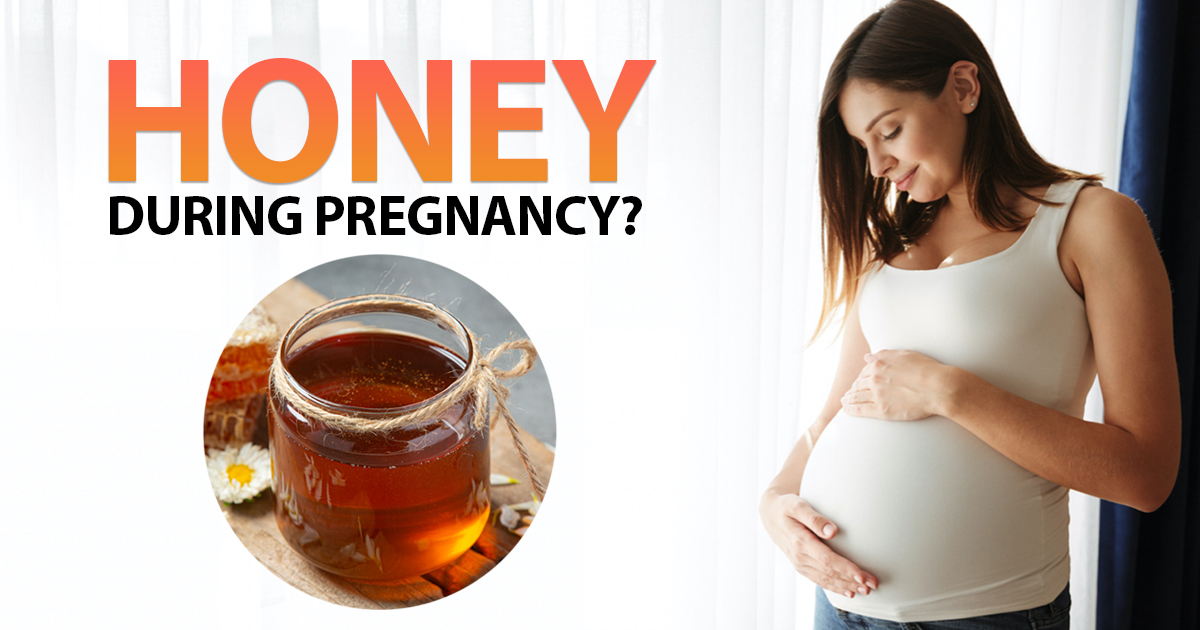
Safe Practices for Honey Consumption During Pregnancy
So, how can expectant mothers safely consume honey during pregnancy? Here are some best practices to keep in mind:
1. Choose pasteurized honey: Pasteurized honey is safer than raw honey, as it has been heat-treated to kill off any potential bacteria.
2. Consume in moderation: Excessive honey consumption can lead to weight gain and gestational diabetes, so it's essential to consume honey in moderation.
3. Be aware of food allergies: If you have a known allergy to honey or any other food item, it's best to avoid it during pregnancy.
4. Consider consulting a healthcare professional: If you have any concerns or questions about honey consumption during pregnancy, it's always best to consult with a healthcare professional.
Raw, Unpasteurized Honey: Is It Safe During Pregnancy?
Raw, unpasteurized honey is a popular item in natural food stores and at locally-made shops. While it may be safer to consume than store-bought honey, it's essential to exercise caution when consuming raw honey during pregnancy.
Conclusion
Overall, honey can be safely consumed during pregnancy when it is pasteurized and consumed in moderation. Following these best practices will help ensure a healthy and safe pregnancy. However, it's always recommended to consult with a healthcare professional before making any significant changes to your diet while pregnant.