Dealing with Tech Addiction and Fatigue
In today's digital age, it's not uncommon to hear about the perils of excessive screen time and technology use. With the constant stream of notifications, social media updates, and email alerts, it's easy to get caught up in the cycle of tech addiction and fatigue.
But what exactly is tech addiction, and how can we deal with it? In this article, we'll explore the causes and effects of tech addiction, as well as provide practical strategies for overcoming it and reducing digital fatigue.
What is Tech Addiction?
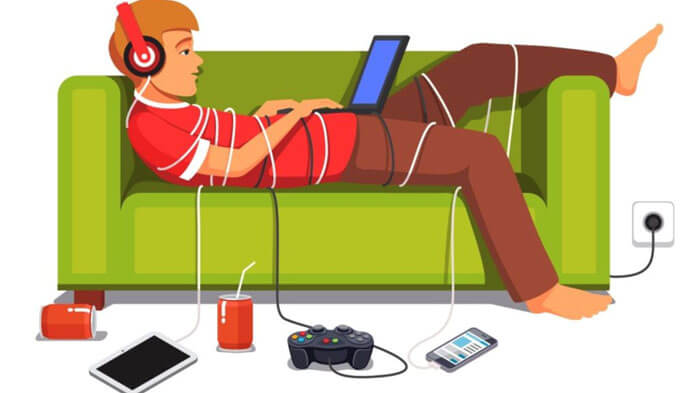
Technology addiction, also known as screen addiction or digital dependency, is a behavioral addiction characterized by excessive and compulsive use of digital devices. Similar to other addictions, such as substance abuse or gambling, technology addiction involves a loss of control over usage, leading to adverse effects on personal, social, academic, or professional areas.
According to the American Psychiatric Association, technology addiction is a subtype of behavioral addiction that involves excessive and compulsive use of digital devices, including smartphones, tablets, computers, and video games.
Causes of Tech Addiction
So, what drives tech addiction? Research suggests that a combination of psychological, social, and environmental factors contribute to the development of technology addiction. Some of these factors include:
-
Psychological factors: Stress, anxiety, and depression can contribute to tech addiction as people seek escape and comfort in digital activities.
-
Social factors: Social media's instant gratification and validation can lead to excessive use, as people seek to connect with others and feel a sense of belonging.
-
Environmental factors: The constant availability of digital devices, the decline of face-to-face communication, and the rise of social media can all contribute to tech addiction.
Effects of Tech Addiction
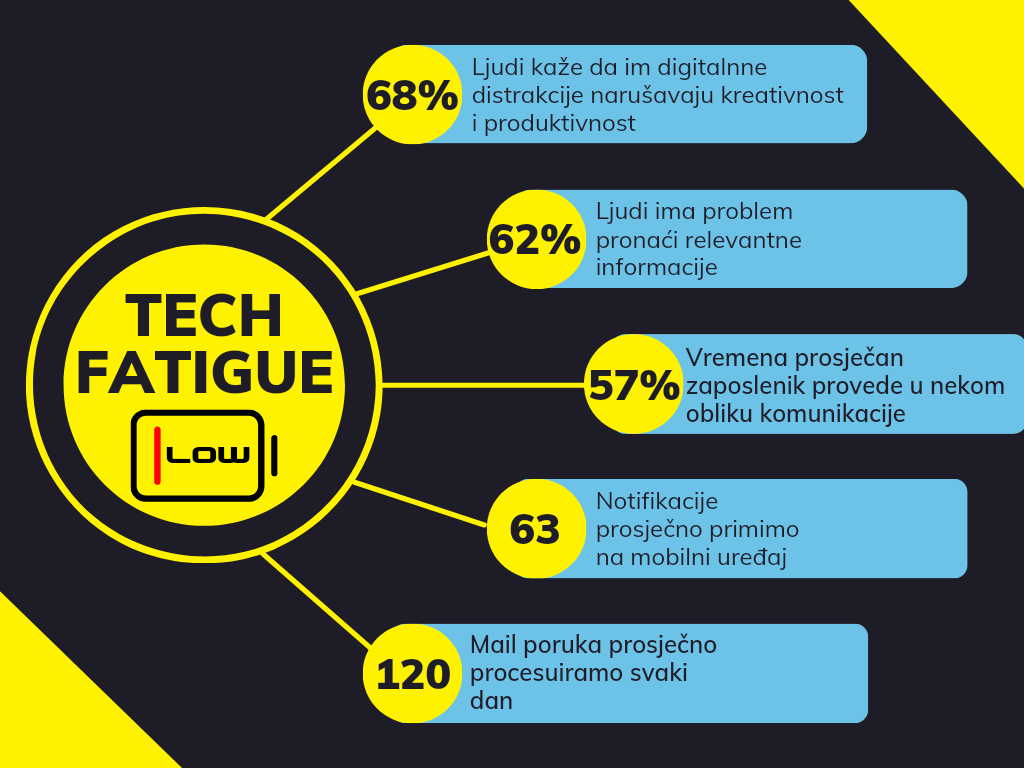
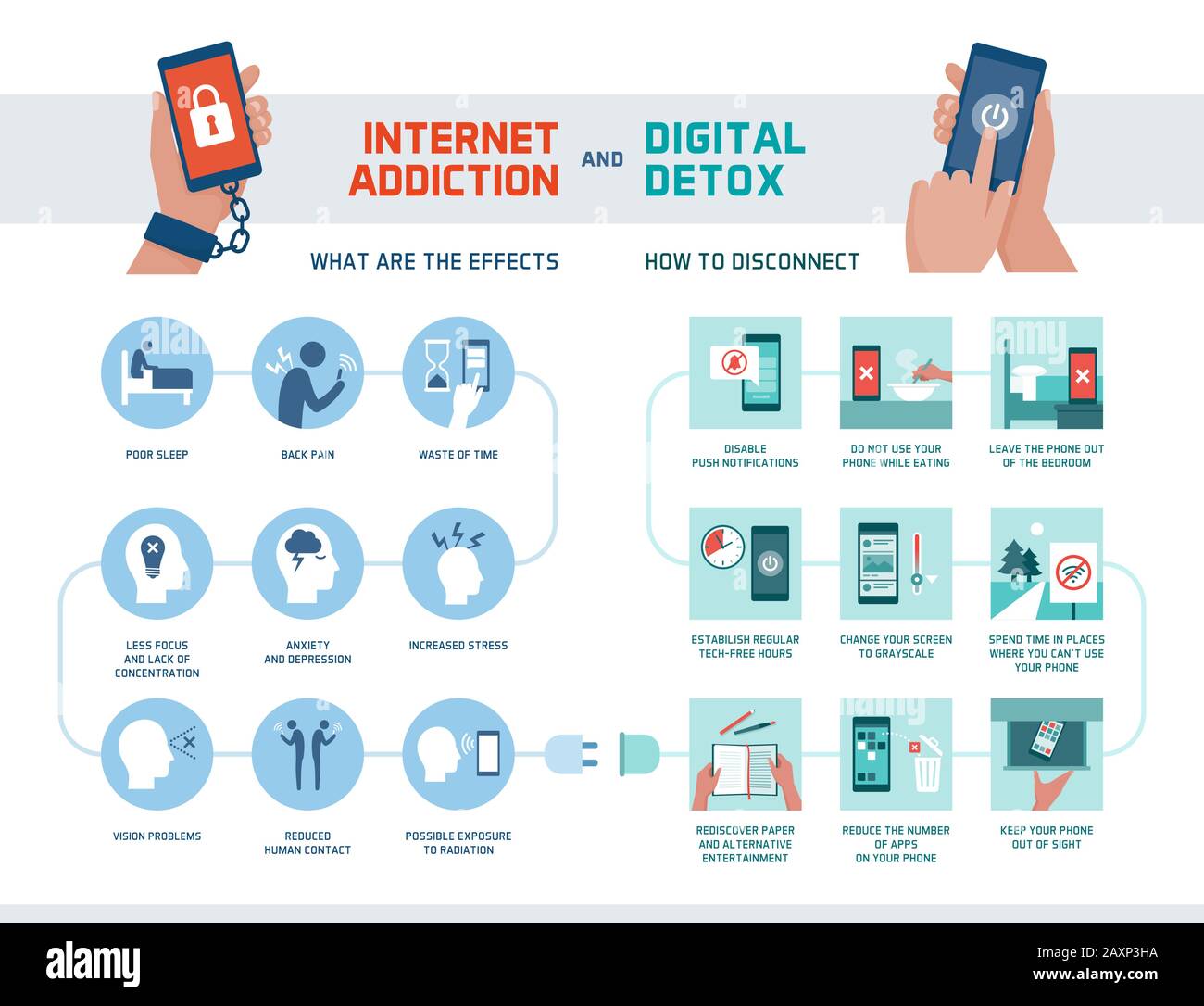
The effects of tech addiction can be severe and far-reaching, impacting not only personal relationships but also mental and physical health. Some of the common effects of tech addiction include:
-
Reduced productivity and focus
-
Impaired relationships and social skills
-
Mental health issues, such as anxiety, depression, and burnout
-
Physical health problems, such as sleep deprivation, eye strain, and sedentary behavior
Dealing with Tech Addiction and Fatigue
Now that we've explored the causes and effects of tech addiction, let's talk about how to deal with it. Here are some practical strategies to help you overcome tech addiction and reduce digital fatigue:
-
Set boundaries: Establish screen-free zones and times, such as during meals or before bed.
-
Practice self-care: Engage in activities that promote relaxation and stress reduction, such as exercise, meditation, or spending time in nature.
-
Schedule digital downtime: Regularly disconnect from digital devices and engage in analog activities, such as reading, drawing, or spending time with friends and family.
-
Seek support: Share your concerns with friends, family, or a mental health professional, and seek guidance on managing tech addiction.
Conclusion
Dealing with tech addiction and fatigue requires a multifaceted approach that addresses the psychological, social, and environmental factors contributing to the problem. By setting boundaries, practicing self-care, scheduling digital downtime, and seeking support, we can overcome tech addiction and regain control over our digital lives.
Remember, technology is a tool, not a tyrant. By being mindful of our tech use and making conscious choices, we can maintain a healthy balance between technology and our lives, promoting well-being and reducing the risk of tech addiction and fatigue.