Social Media Addiction Treatment: A Growing Concern
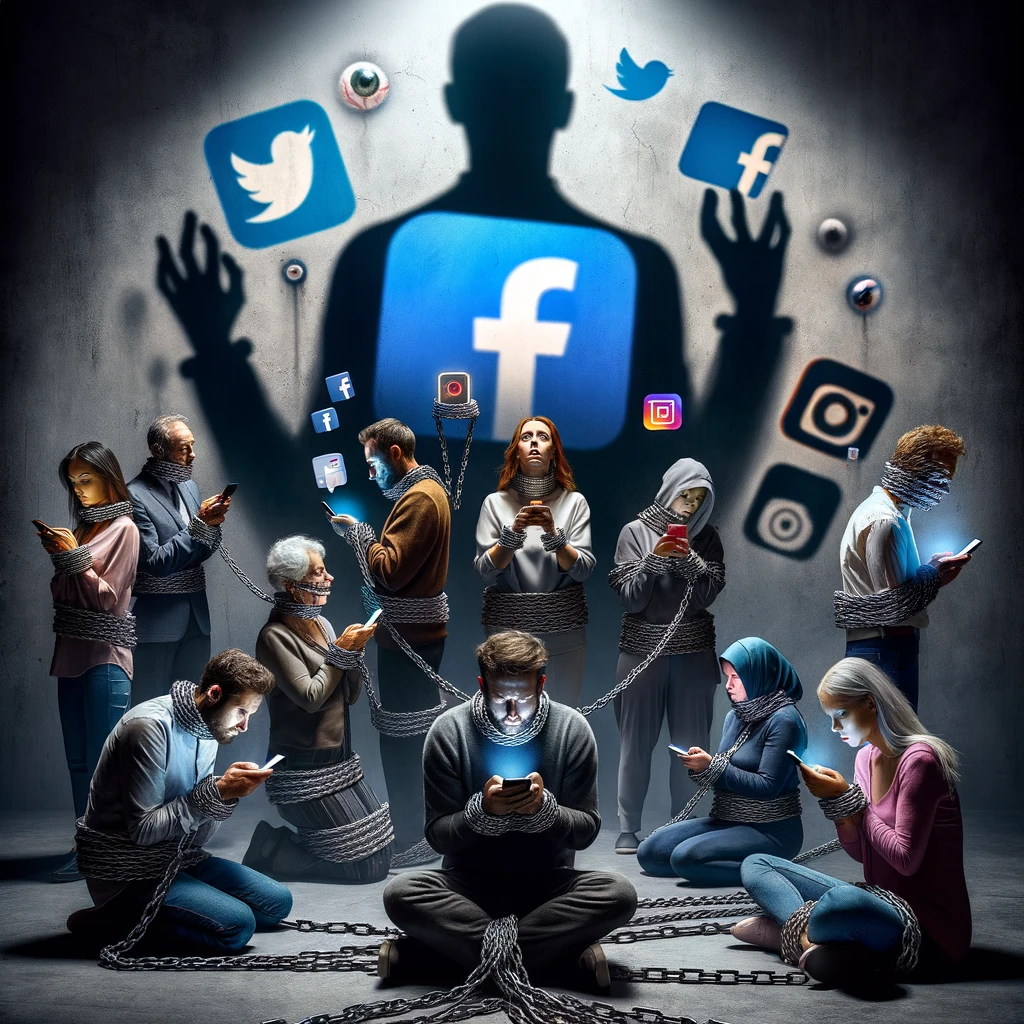
Social media has become an integral part of our daily lives, connecting us to the world with just a few clicks. However, excessive social media use has given rise to a growing concern - social media addiction. This condition, also known as problematic social media use, has been increasingly recognized as a form of behavioral addiction that can have serious consequences on mental and physical health, relationships, and daily life.
Defining Social Media Addiction
Social media addiction is characterized by an excessive and compulsive use of social media platforms, leading to a loss of control and interference in daily life. It is marked by a persistent preoccupation with social media, an increasing need for more online time, and withdrawal symptoms when attempting to reduce usage. While social media addiction is not an officially recognized disorder, the excessive use of social media that interferes with daily life can still be harmful to adults and teenagers alike.
Recognizing the Symptoms of Social Media Addiction
The symptoms of social media addiction can be subtle, but they can be detrimental to one's mental and physical health. Some common signs of social media addiction include:
- Spending an excessive amount of time on social media, often to the point of neglecting tasks and responsibilities.
- Feeling anxious or irritable when unable to access social media or when offline.
- Using social media as a way to escape from stress, negative emotions, or other problems.
- Feeling a need to constantly check social media notifications or maintain a certain online image.
- Using social media to compare oneself to others or feel superior.
Causes and Risk Factors
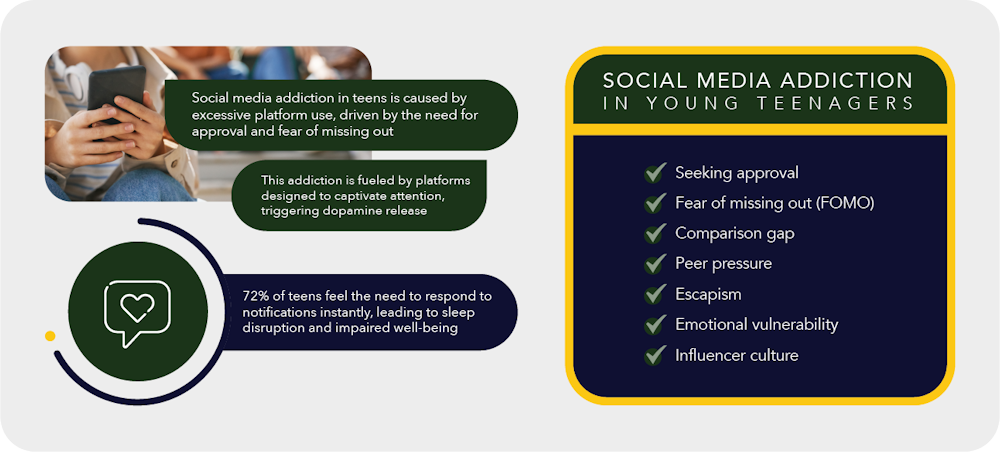
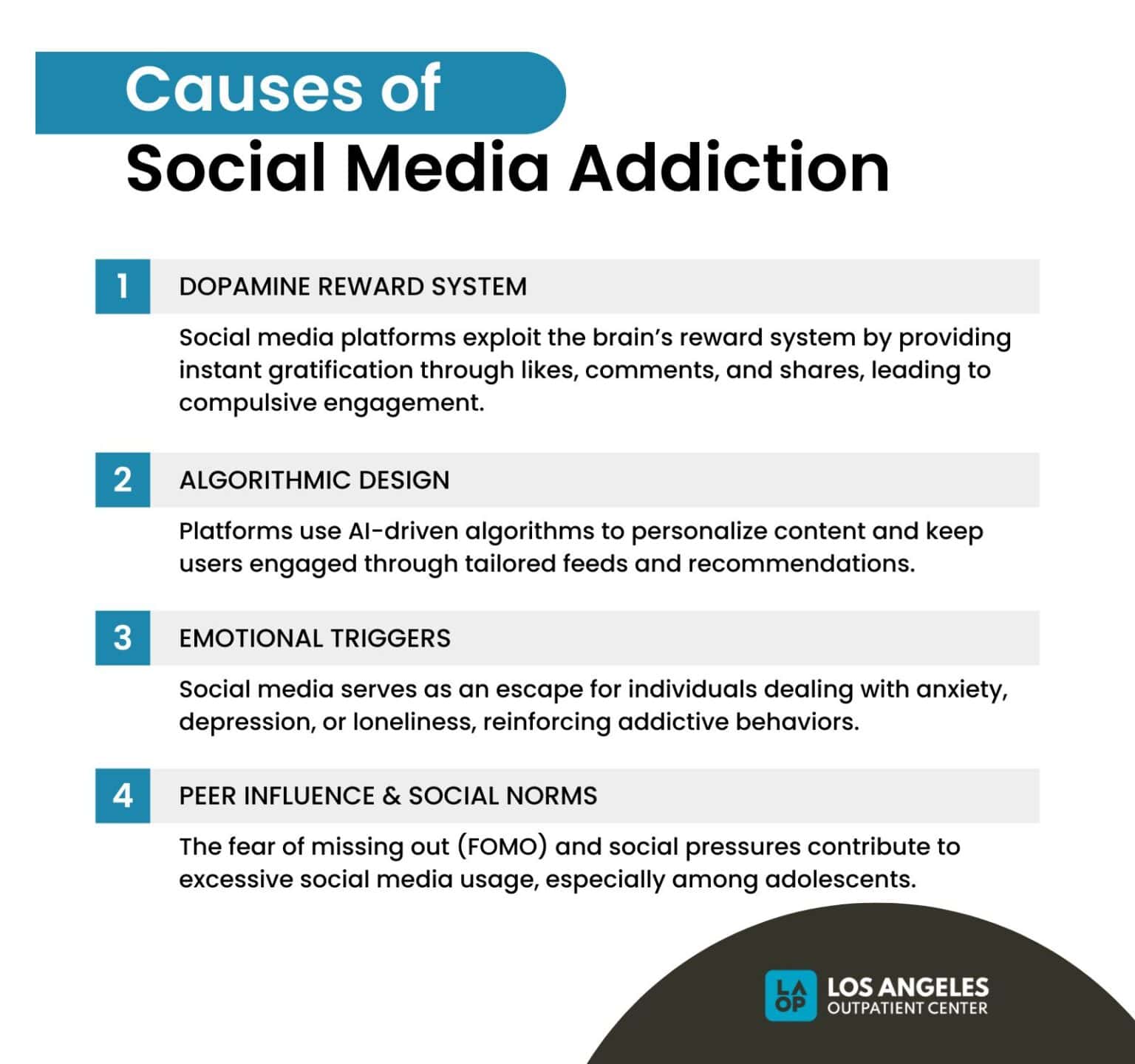
The causes of social media addiction are complex and multifaceted. Some of the key risk factors include:
- Genetic predisposition: People with a family history of addiction or mental health disorders may be more susceptible to social media addiction.
- Social media usage: Spending more time on social media increases the risk of addiction.
- Mental health: Underlying mental health issues such as depression, anxiety, or loneliness can contribute to social media addiction.
- Brain development: Adolescents and young adults are more susceptible to social media addiction due to the development of their brains.
Treatment Options for Social Media Addiction
Fortunately, there are various treatment options available for social media addiction. Some effective treatments include:
- Counseling: Behavioral therapies such as cognitive-behavioral therapy can help individuals address the underlying behaviors and find healthier ways to engage with technology.
- Support groups: Joining a support group can provide a sense of community and accountability for individuals recovering from social media addiction.
- Digital detox: Taking a break from social media or setting boundaries on usage can help individuals develop healthier habits and reduce symptoms of addiction.
- Medications: In some cases, medications such as antidepressants or anti-anxiety medications may be prescribed to help manage underlying mental health issues related to social media addiction.
Prevention and Maintenance
Preventing social media addiction requires a combination of self-care practices, awareness, and support. Some strategies for maintaining healthy social media habits include:
- Setting time limits and boundaries on social media usage.
- Engaging in offline activities and hobbies.
- Practicing mindfulness and self-care.
- Seeking professional help when necessary.
Seeking Help
If you or a loved one is struggling with social media addiction, seeking help is the first step towards recovery. There are various resources available, including:
- Therapy or counseling.
- Support groups.
- Hotlines or online resources.
- Treatment centers or rehab programs.
Recovering from social media addiction requires a comprehensive approach, including self-care, support, and professional help. With the right treatment and resources, individuals can overcome social media addiction and maintain a healthy balance between technology and life.