Spicy Food and Pregnancy Complications Risk: Uncovering the Truth
Pregnancy brings so many changes, and diet is one of the most significant adjustments. One question that looms over many expectant mothers' heads is whether they can safely indulge in their love for spicy food. While some claim that spicy food poses a risk to the developing baby and the mother's health, others argue that it adds variety and flavor to the diet. In this article, we will delve into the complex relationship between spicy food and pregnancy complications risk, aiming to provide a balanced perspective on this hot topic.
The Risks and Benefits of Spicy Food During Pregnancy
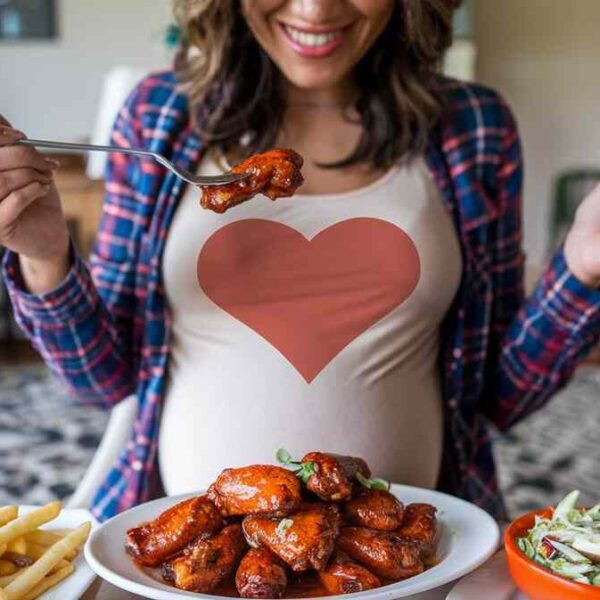
Eating spicy food during pregnancy has both benefits and risks. Moderate consumption of spicy food is generally considered safe, and many women crave spicy food during this period due to hormonal changes. However, some expectant mothers may experience adverse effects, such as heartburn or stomach discomfort. Other possible risks include the potential for food poisoning or gastrointestinal issues, especially if the food is not cooked correctly.
- Heartburn and indigestion: Spicy food can exacerbate pregnancy heartburn, which is a common issue during this period.
- Stomach ulcers and stomach discomfort: While capsaicin in spicier foods doesn't cause stomach ulcers, excessive consumption can cause temporary discomfort.
- Food poisoning risk: Pregnant women are more susceptible to foodborne illness due to hormonal changes, which can lead to a higher risk ofmiscarriage.
Can You Eat Spicy Food While Pregnant?
The answer is generally yes, but moderation and caution are advised. While the benefits of eating spicy food during pregnancy are not well-studied, most research suggests that moderate consumption is safe. In fact, studies have failed to find any direct correlation between eating spicy food and an increased risk of miscarriage or birth defects. However, being aware of your body's response to certain foods and adjusting your diet accordingly is crucial.
Managing Cravings and Tolerance

For many expectant mothers, spicy food cravings are a common occurrence. A balanced diet with moderate amounts of spice can satisfy these cravings and promote a healthier pregnancy. However, some women may find that their tolerance for spice decreases during pregnancy, and they may need to adjust their diet accordingly. It's essential to note that individual tolerance to spicy food varies greatly, and what may seem harmless to one woman may cause discomfort for another.
Safety Considerations
Some common myths surrounding spicy food and pregnancy include claims that it causes:
- Preterm labor or miscarriage
- Affecting the baby's taste buds later in life
- Increasing the risk of birth defects
However, these concerns are largely unfounded and have been debunked by modern research and clinical experience.
Conclusion
The relationship between spicy food and pregnancy complications risk is complex and multifaceted. While there is no conclusive evidence that spicy food causes significant risks, individual tolerance and moderation are essential for a safe and healthy pregnancy. Expectant mothers can safely indulge in their love for spicy food in moderation, being mindful of their body's response and taking steps to mitigate any potential discomforts. Healthy eating during pregnancy requires a balanced approach, and understanding the risks and benefits of spicy food is a crucial part of that journey.