Protecting Wi-Fi Network with Secure Key Exchange
As we increasingly rely on Wi-Fi networks for our daily lives, securing them has become more crucial than ever. With the number of cyber threats rising, it's essential to understand how to protect your Wi-Fi network with secure key exchange. In this article, we'll delve into the world of Wi-Fi security, exploring the concepts of key exchange, encryption, and authentication.
Why Secure Key Exchange is Essential
Wireless networks, by their nature, are vulnerable to unauthorized access and eavesdropping. A secure key exchange mechanism is necessary to ensure that only authorized devices can connect to your network. This not only safeguards your data but also prevents cyber threats like data breaches and network disruptions.
WPA3: The Latest Wi-Fi Security Protocol
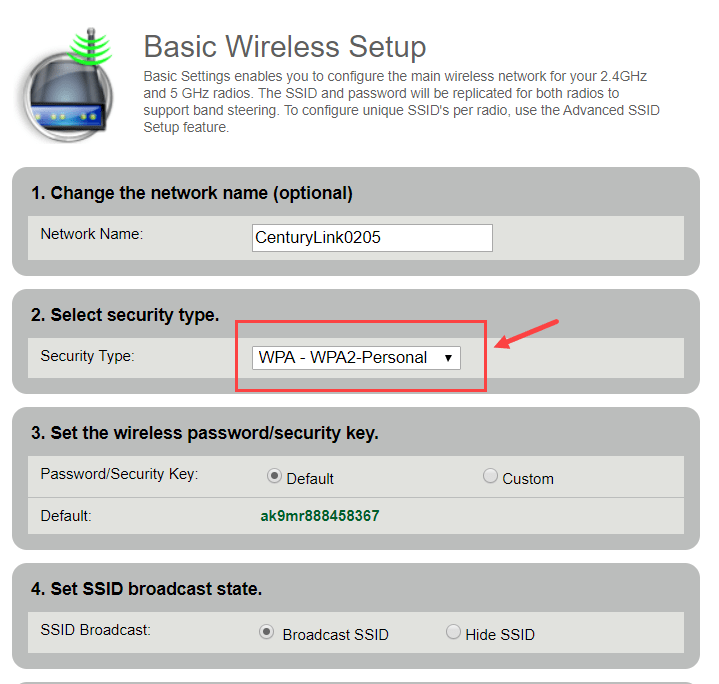
WPA3 is the latest Wi-Fi security protocol, offering improved encryption and authentication methods compared to its predecessors. This protocol is designed to provide a higher level of security, making it more resistant to cyber threats. WPA3 uses improved encryption techniques, such as individualized data encryption and password-only authentication, to secure your network.
Understanding Secure Key Exchange Protocols
- WPA2:** WPA2 is an older protocol that uses AES encryption and IEEE 802.1X authentication. While it provides a good level of security, it's no longer considered as secure as WPA3.
- WPA3:** WPA3 offers improved encryption and authentication methods, making it the most secure protocol currently available. It uses individualized data encryption and password-only authentication to secure your network.
- 802.1X:** This protocol provides a secure way for devices to authenticate with a network using certificates, making it a popular choice for enterprise networks.

Protecting Your Wi-Fi Network with Secure Key Exchange
To protect your Wi-Fi network with secure key exchange, follow these best practices:
- Use WPA3:** WPA3 is the most secure protocol available, offering improved encryption and authentication methods.
- Use Individualized Data Encryption:** This feature ensures that each device on your network receives a unique encryption key, making it more resistant to cyber threats.
- Use Password-Only Authentication:** This eliminates the need for certificates, making the authentication process more straightforward and secure.
- Regularly Update Your Router:** Ensure that your router's firmware is up-to-date to prevent vulnerabilities and security exploits.
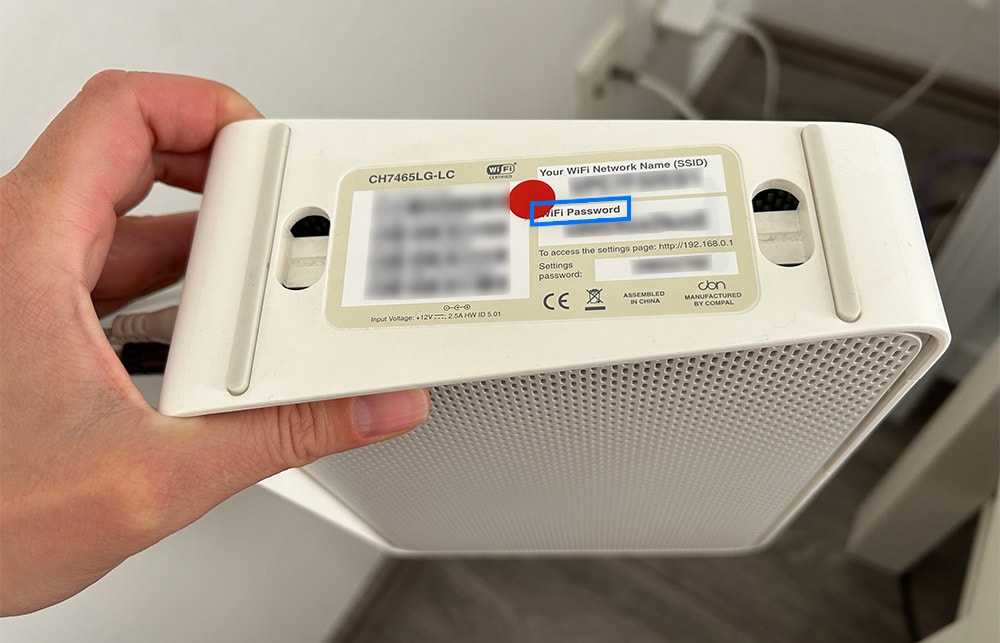
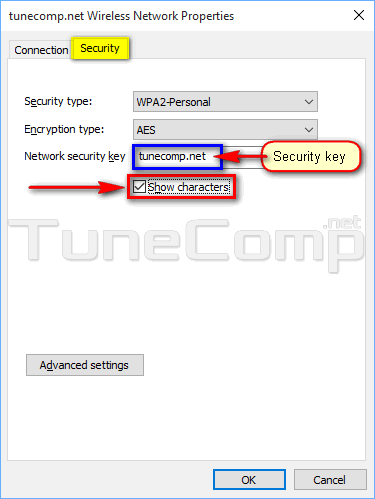
- Use a Strong Network Security Key:** Choose a complex network security key and keep it secure to prevent unauthorized access to your network.
Conclusion
Protecting your Wi-Fi network with secure key exchange is crucial in today's digital age. By understanding the concepts of key exchange, encryption, and authentication, you can ensure that your network remains secure. By following the best practices outlined above, you'll be able to safeguard your data, prevent cyber threats, and maintain your online privacy.
Final Thoughts
As we move forward in the digital age, Wi-Fi security will become increasingly important. Staying ahead of cyber threats and protecting your network will require continuous education and awareness. By adopting secure key exchange mechanisms and following best practices, you'll be able to protect your Wi-Fi network and ensure a safer online experience.
![Wi-Fi security: How to protect your wireless network [2026 guide]](https://assets.esecurityplanet.com/uploads/2024/05/5-Ways-to-Secure-Wi-Fi-Networks-Round-2-1.png "Wi-Fi security: How to protect your wireless network [2026 guide]")



:max_bytes(150000):strip_icc()/what-is-a-network-security-key-and-how-do-you-find-it-4589025-3-5c88627846e0fb0001431a63-5582e7c5445041a39065c13f8b1c396a.jpg "Wi-Fi security: Essential Protections - T-Mobile")