The Fear of Being Disconnected from Social Media: A Paradox of Modern Life
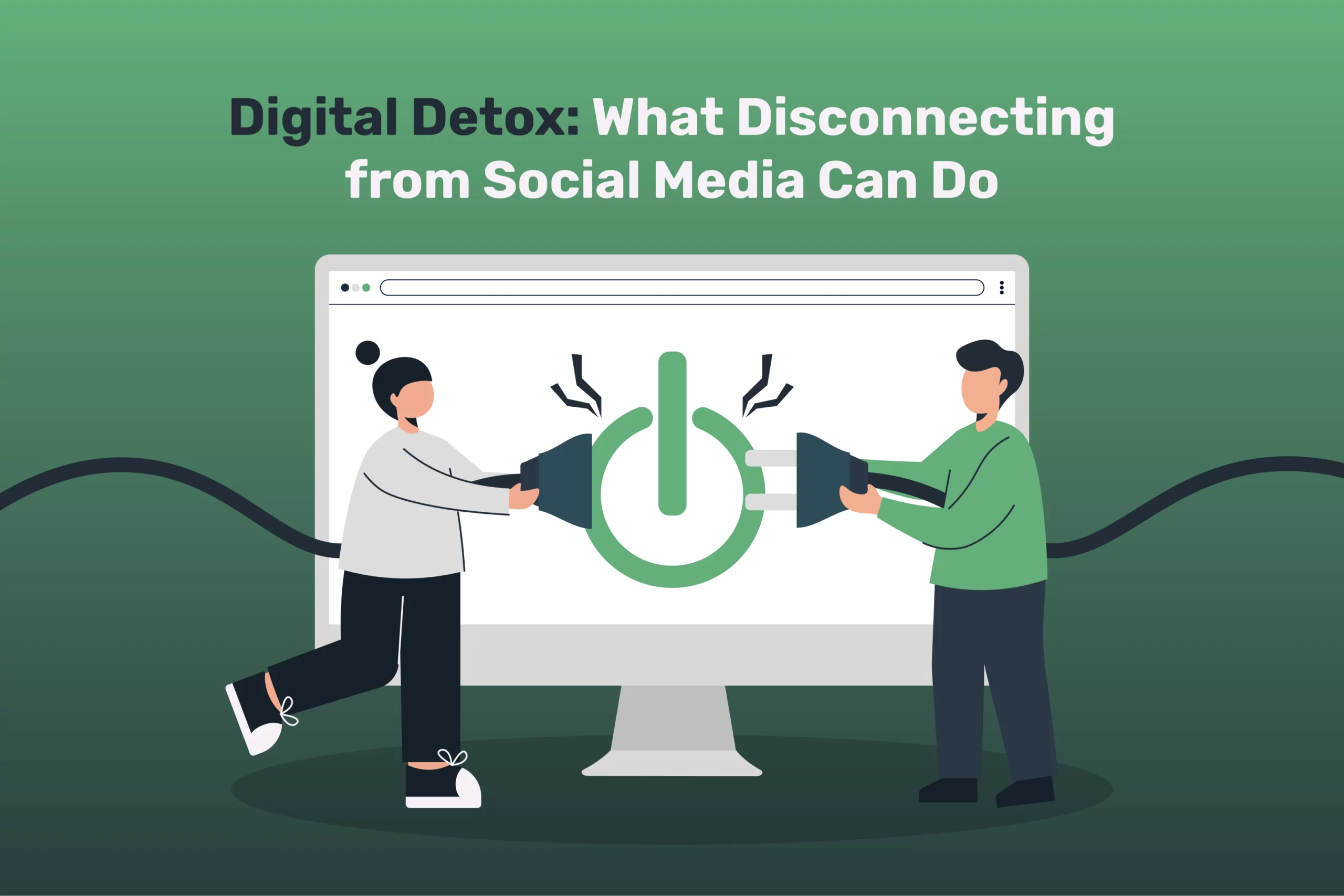
In today's digital age, technology has woven itself into the fabric of our lives, connecting us to the world at our fingertips. Or so we thought. For many, the irony is that social media, which promises to foster connection and community, can leave individuals feeling increasingly isolated and disconnected. This phenomenon is dubbed the "fear of being disconnected" from social media, a topic we'll explore in this article.
What is the Fear of Being Disconnected from Social Media?
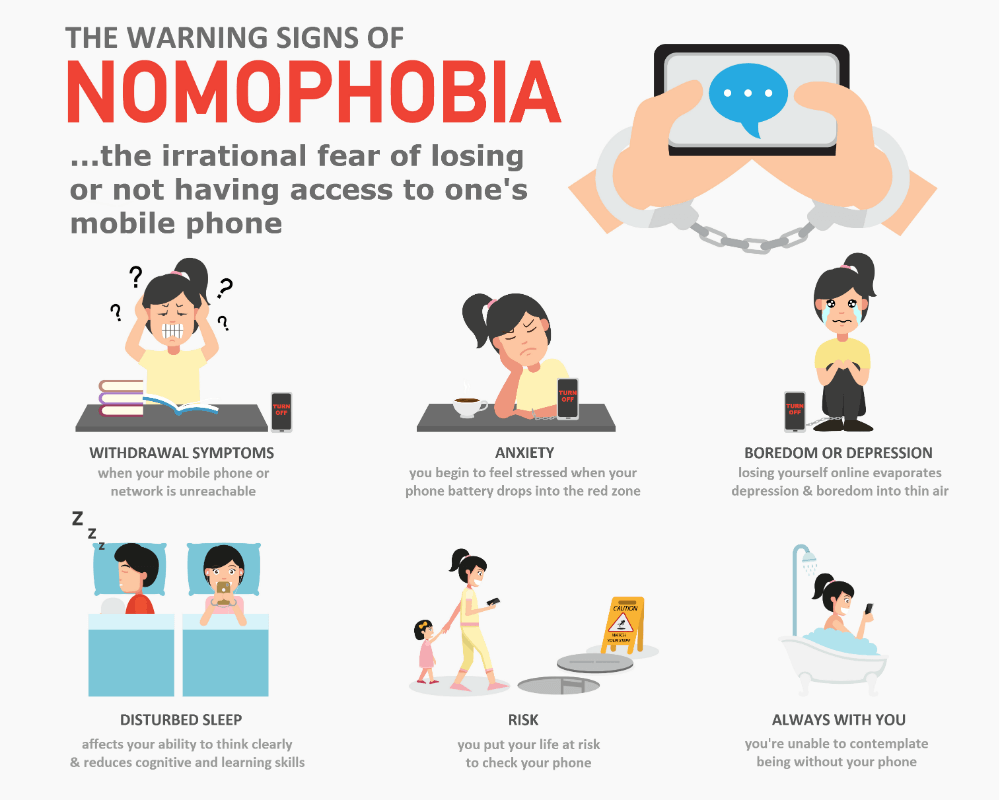
The "fear of being disconnected" is a pervasive concern that gnaws at the minds of many. It stems from the constant pressure to be "on" and available 24/7, leading to an unsustainable expectation of constant connection. Nomophobia, the fear of being without a mobile phone, is a more specific expression of this phenomenon. People experience anxiety, stress, and feelings of inadequacy when they're unable to access their devices or stay connected to social media. This fear is not trivial; it's a symptom of a more serious issue.
The Paradox of Social Media
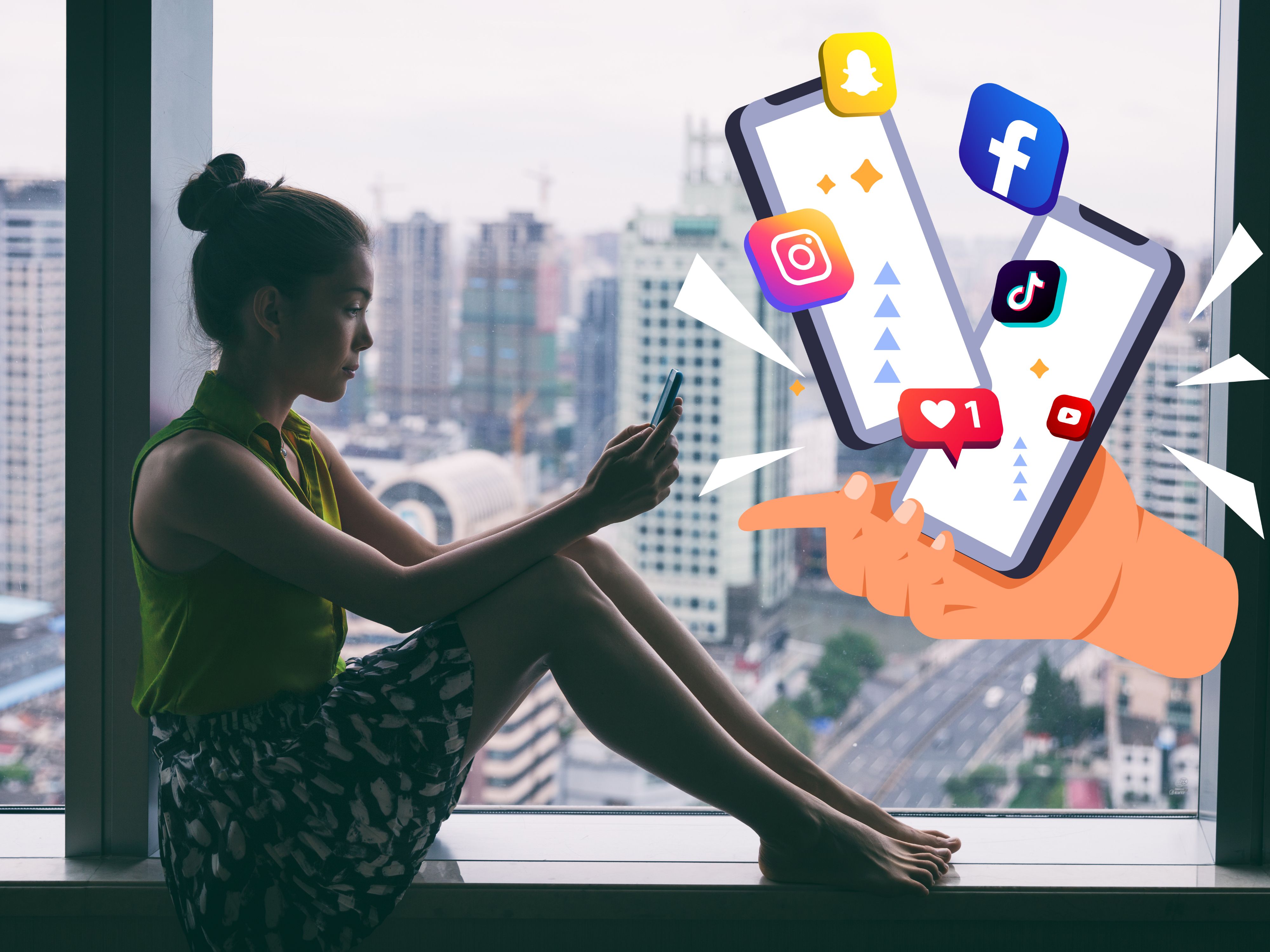
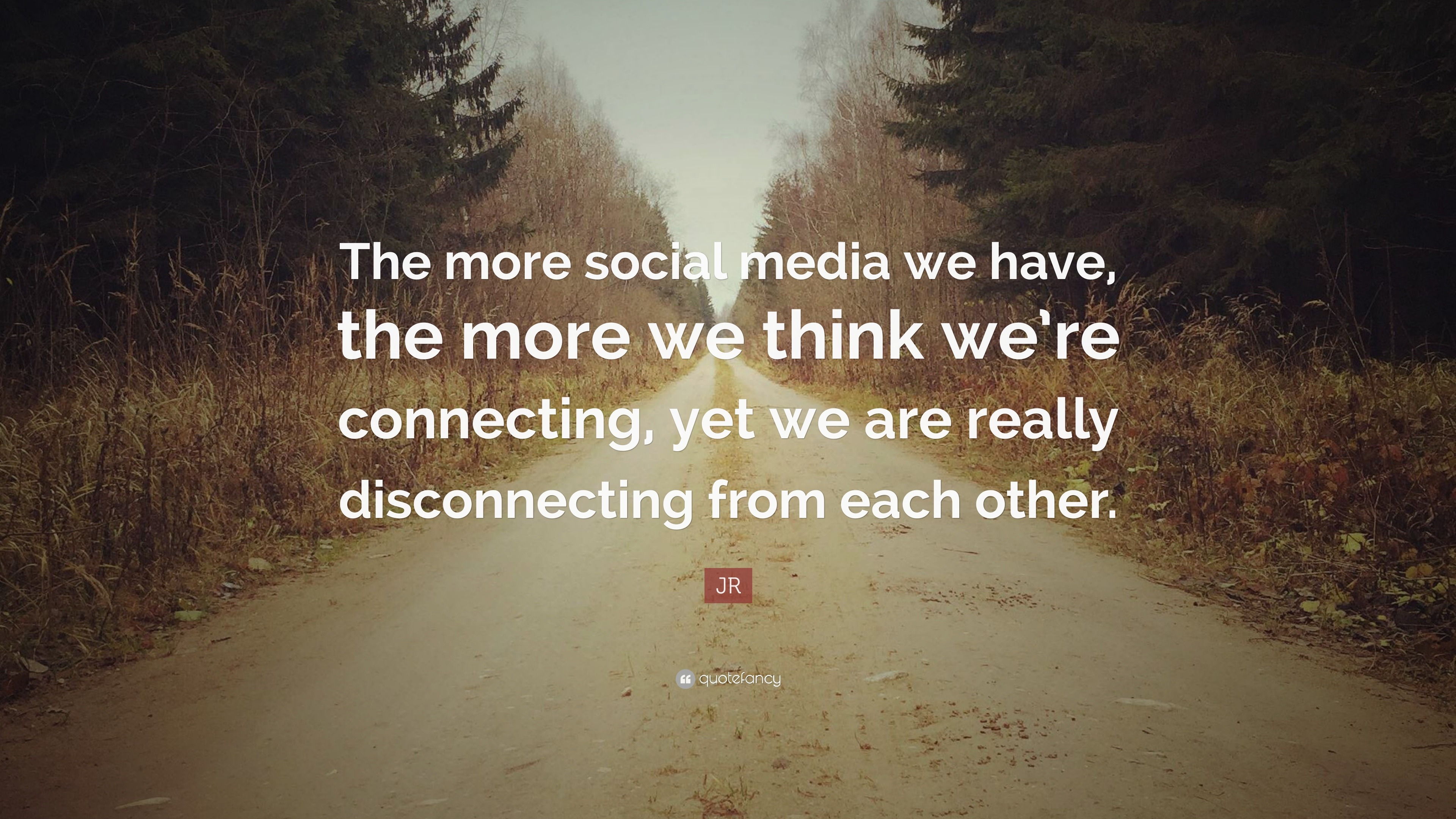
Social media has undoubtedly transformed the way we communicate, share our experiences, and connect with others. It has enabled us to reach a vast global audience, fostering relationships and communities across geographical boundaries. However, this convenience has come at a cost. We're now more connected than ever, yet paradoxically, more disconnected in our relationships. The digital realm has created unrealistic expectations and pressures, compelling us to present a curated version of ourselves and compare our lives to those of others.
The Impact on Mental Health
Research suggests that longer or more frequent social media use is linked to increased feelings of loneliness, anxiety, and depression. Social media fatigue, where users feel overwhelmed by the constant stream of information, is another emerging phenomenon. Social comparison, the tendency to compare our lives to those of others on social media, can erode self-esteem, further exacerbating mental health issues.

- Excessive phone use and the fear of being disconnected can contribute to anxiety, stress, and depression.
- Social media can lead to feelings of loneliness and emptiness, even among those with extensive social networks.
- The constant pressure to stay connected can be overwhelming, leading to social media addiction.
- Social isolation, fueled by excessive social media use, can have devastating effects on mental and physical well-being.
Overcoming the Fear of Being Disconnected
Breaking free from the fear of being disconnected requires awareness, self-reflection, and intentional changes to our social media habits. Here are some practical strategies:
- Set boundaries: LIMIT Your social media use to specific times of the day or week.
- Practice self-awareness: Recognize your motivations for using social media. Is it to stay connected, or to escape from feelings of loneliness?
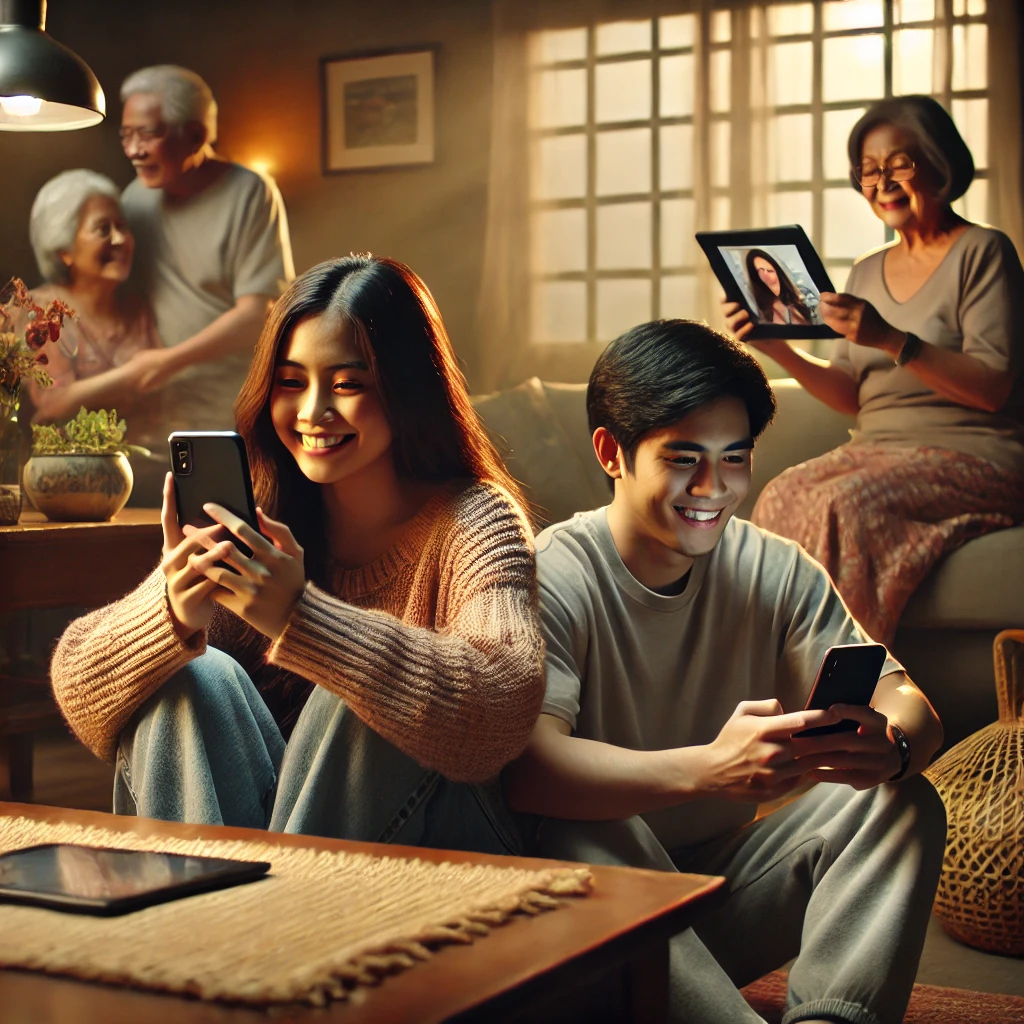
- Build offline connections: Prioritize face-to-face interactions with friends and family, fostering genuine human relationships.
- Seek support: Share your feelings with a trusted friend, family member, or mental health professional.
The "Fear of Being Disconnected" is a Signal of a Bigger Issue
At its core, the fear of being disconnected from social media is a symptom of a deeper disconnection – from ourselves, our emotions, and genuine human connections. As we navigate the digital landscape, we must be mindful of these underlying concerns and take intentional steps to rebuild meaningful relationships and foster a healthier relationship with technology.