Is It Okay to Drink Coffee While Pregnant?
As an expectant mother, you're likely to have many questions about your diet and lifestyle during pregnancy. One of the most common concerns is whether it's safe to drink coffee while pregnant. The answer is not a simple yes or no, as the impact of caffeine on pregnancy is still being studied and debated by medical professionals.
Understanding Caffeine's Effects on Pregnancy
Caffeine is a stimulant that can increase heart rate, blood pressure, and blood flow. It can also cause dehydration, insomnia, and anxiety. While moderate caffeine consumption is generally considered safe for most people, excessive consumption can lead to negative effects on the developing fetus.
How Much Caffeine is Safe During Pregnancy?
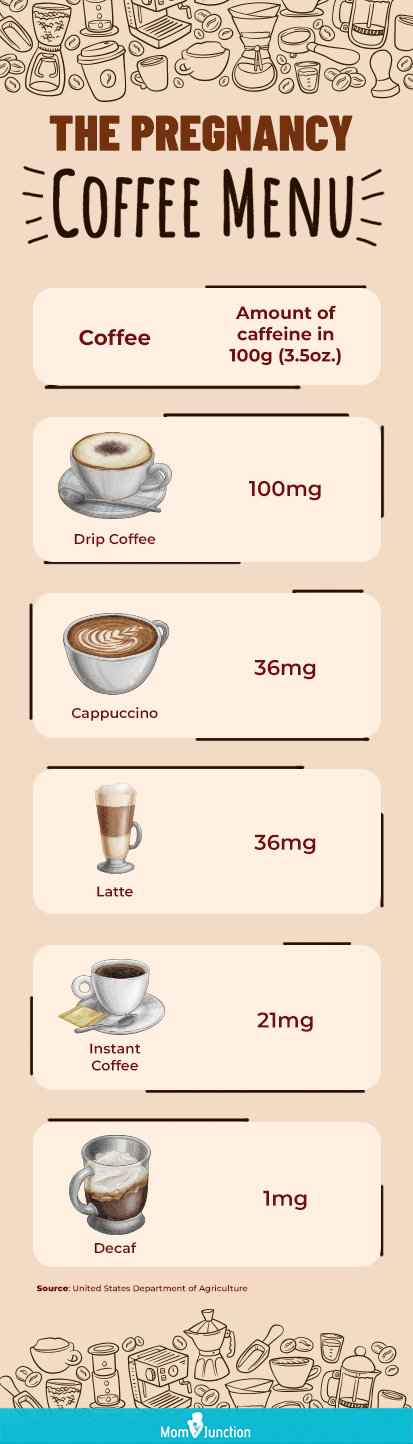
The American College of Obstetricians and Gynecologists (ACOG) recommends that pregnant women limit their caffeine intake to less than 200 milligrams per day. This is roughly equivalent to one 12-ounce cup of brewed coffee. However, it's essential to note that caffeine can be found in various foods and drinks, such as tea, chocolate, and some medications, so it's challenging to track your total caffeine intake.
The Risks of Excessive Caffeine Consumption During Pregnancy
While moderate caffeine consumption is generally considered safe, excessive consumption has been linked to several risks, including:
- Miscarriage: High caffeine intake has been associated with an increased risk of miscarriage.
- Preterm birth: Excessive caffeine consumption has been linked to an increased risk of preterm birth.
- Low birth weight: Caffeine can reduce blood flow to the placenta, leading to lower birth weight.
- Increased heart rate and blood pressure: Caffeine can increase heart rate and blood pressure, which can be problematic for the developing fetus.
Alternatives to Coffee During Pregnancy
If you're a coffee lover and concerned about caffeine consumption during pregnancy, there are several alternatives you can try:
- Herbal teas: Many herbal teas are caffeine-free and can be a soothing alternative to coffee.
- Decaffeinated coffee: Decaf coffee is a low-caffeine option, but be aware that it may still contain some caffeine.
- Chicory root coffee: Chicory root is a natural substitute for coffee and is caffeine-free.
- Mate: Mate is a traditional South American brew that's low in caffeine and rich in antioxidants.
Conclusion
While coffee consumption during pregnancy is generally considered safe in moderation, it's essential to be mindful of your caffeine intake and consult with your healthcare provider for personalized advice. If you're concerned about your caffeine consumption or experience any negative side effects, it's always best to err on the side of caution and limit or avoid caffeine altogether.
Final Thoughts
Pregnancy is a time of unique health challenges, and it's essential to prioritize your health and the health of your baby. While coffee can be a part of a healthy diet, it's crucial to be aware of the potential risks and alternatives. By making informed choices and consulting with your healthcare provider, you can ensure a healthy pregnancy and a happy, healthy baby.