Unlocking the Power of Innovation Design Methods
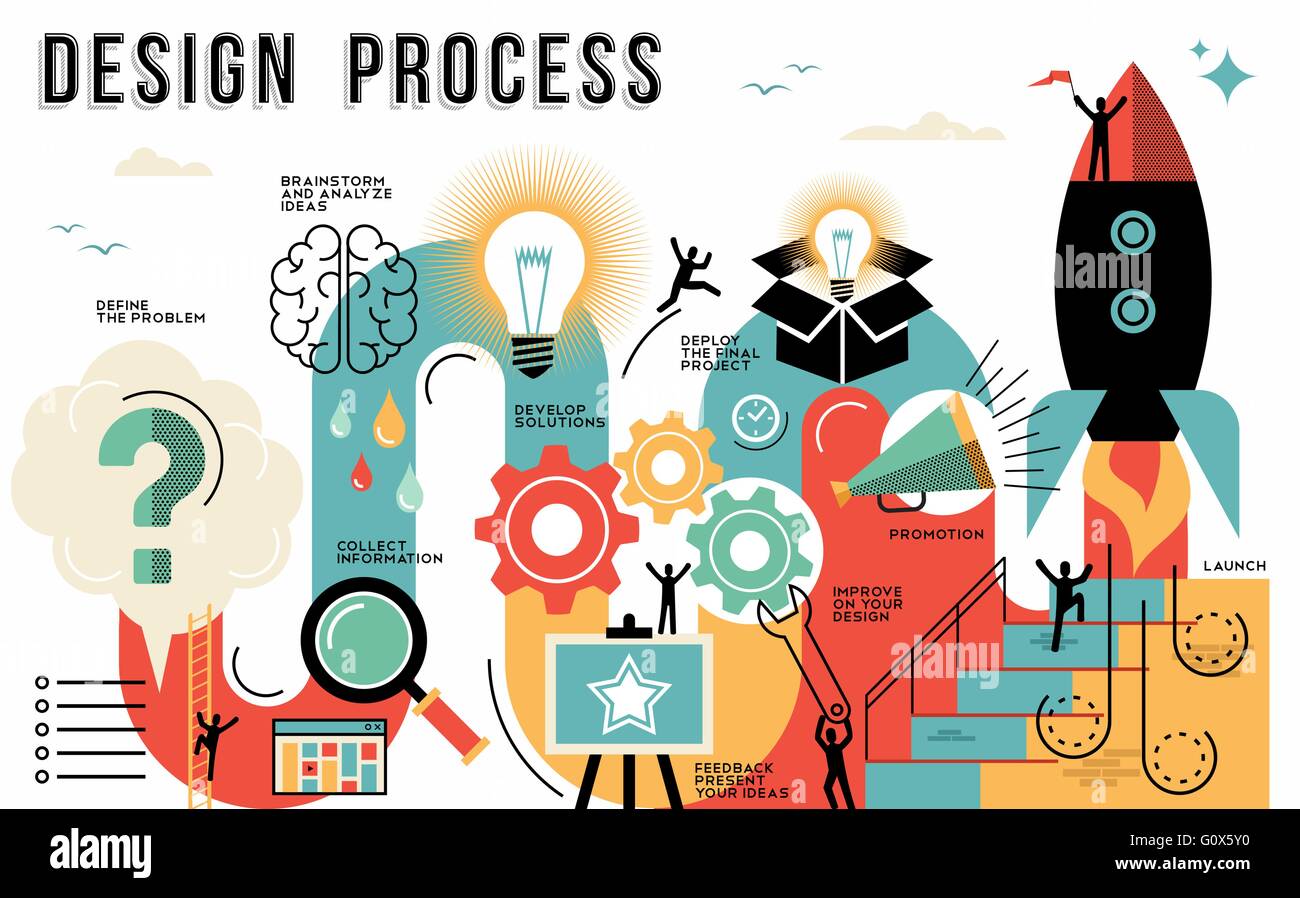
As the business landscape continues to evolve at an unprecedented pace, companies must stay ahead of the curve by embracing innovative design methods. These methods are crucial for driving creativity, improving product quality, and enhancing user experiences. In this comprehensive guide, we'll delve into the world of innovation design methods, exploring their definition, principles, strengths, and limitations.
What are Innovation Design Methods?
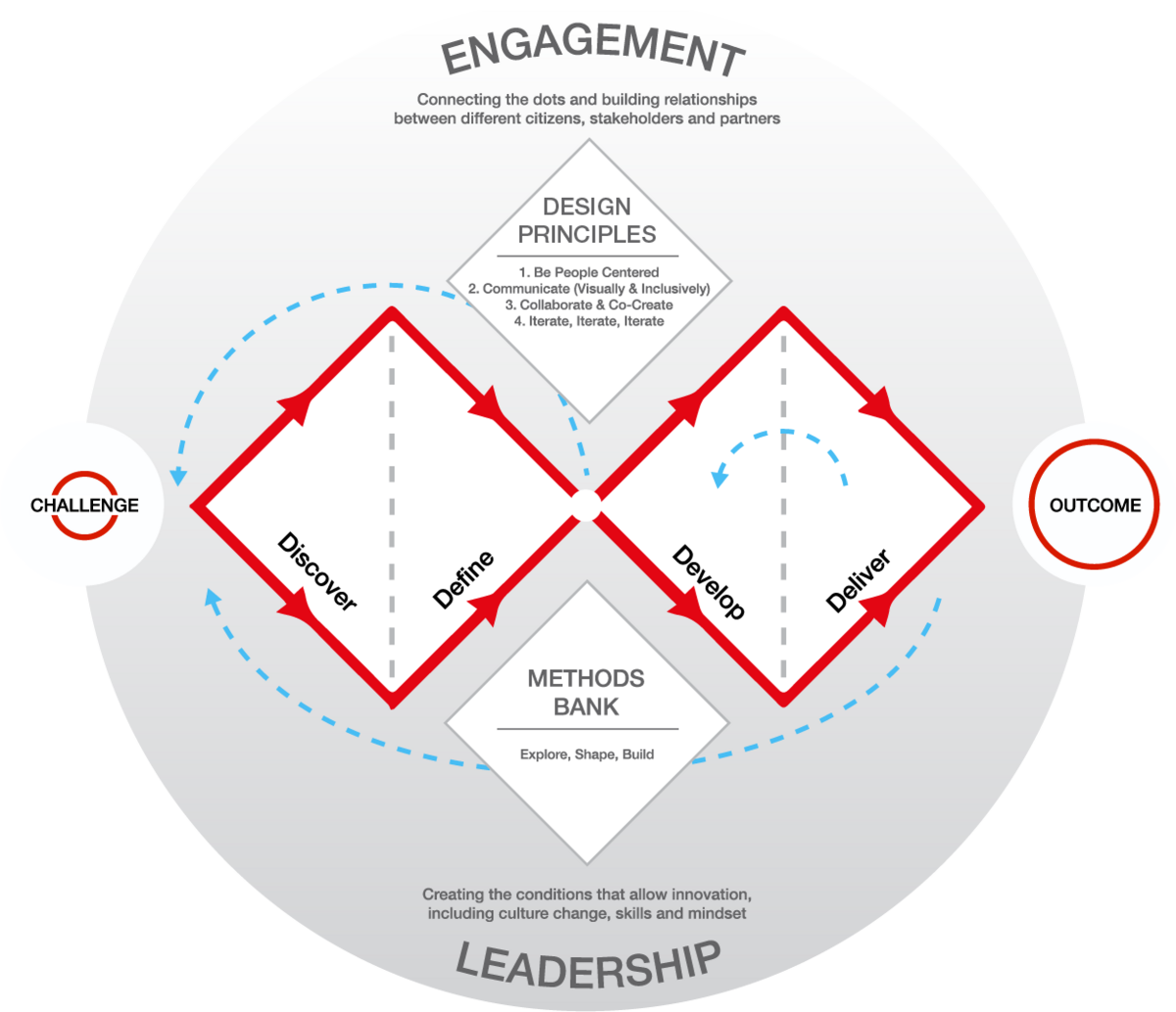
Innovation design methods encompass a range of systematic approaches to generating, developing, and implementing new ideas, products, services, or processes. These methods typically include human-centered design, design thinking, ideation, and problem-solving techniques. By employing these methods, designers and innovators can foster creative problem-solving, breakthrough thinking, and innovative solutions.
Navigating the Jungle of Innovation Design Methods
With so many innovation design methods available, it can be overwhelming to choose the right approach for your organization. Each method has its own strengths and limitations, and selecting the most suitable one requires careful consideration. Let's explore some of the top-performing innovation design methodologies:
Design Thinking: A Human-Centered Approach
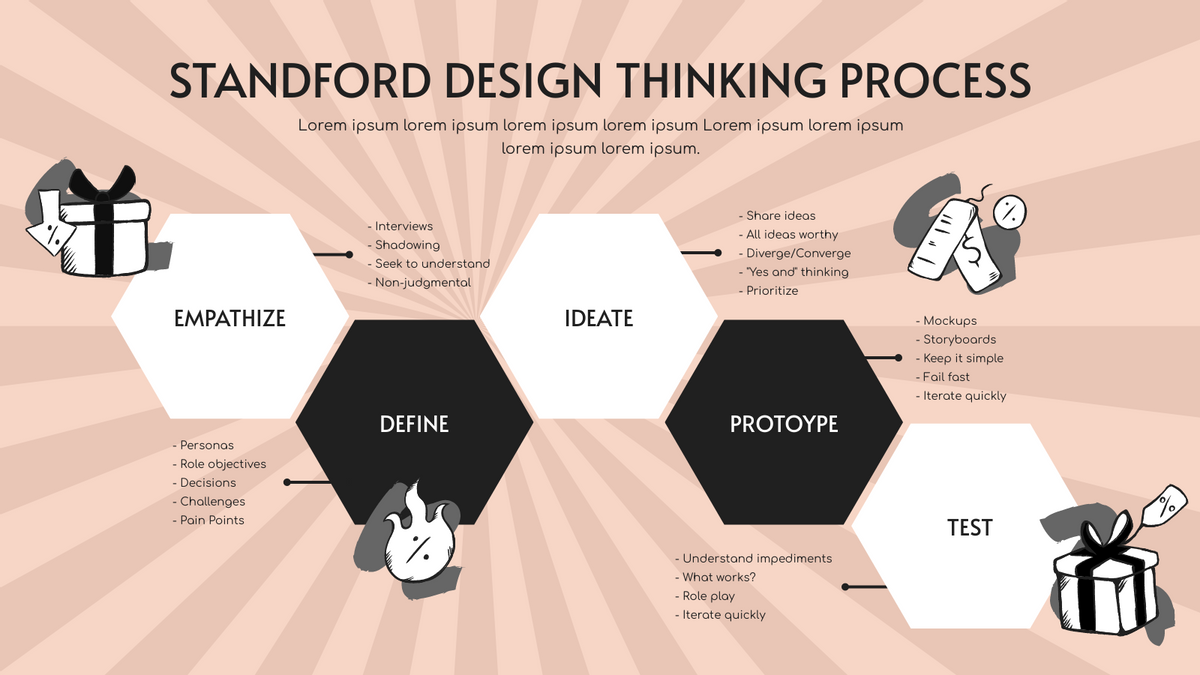
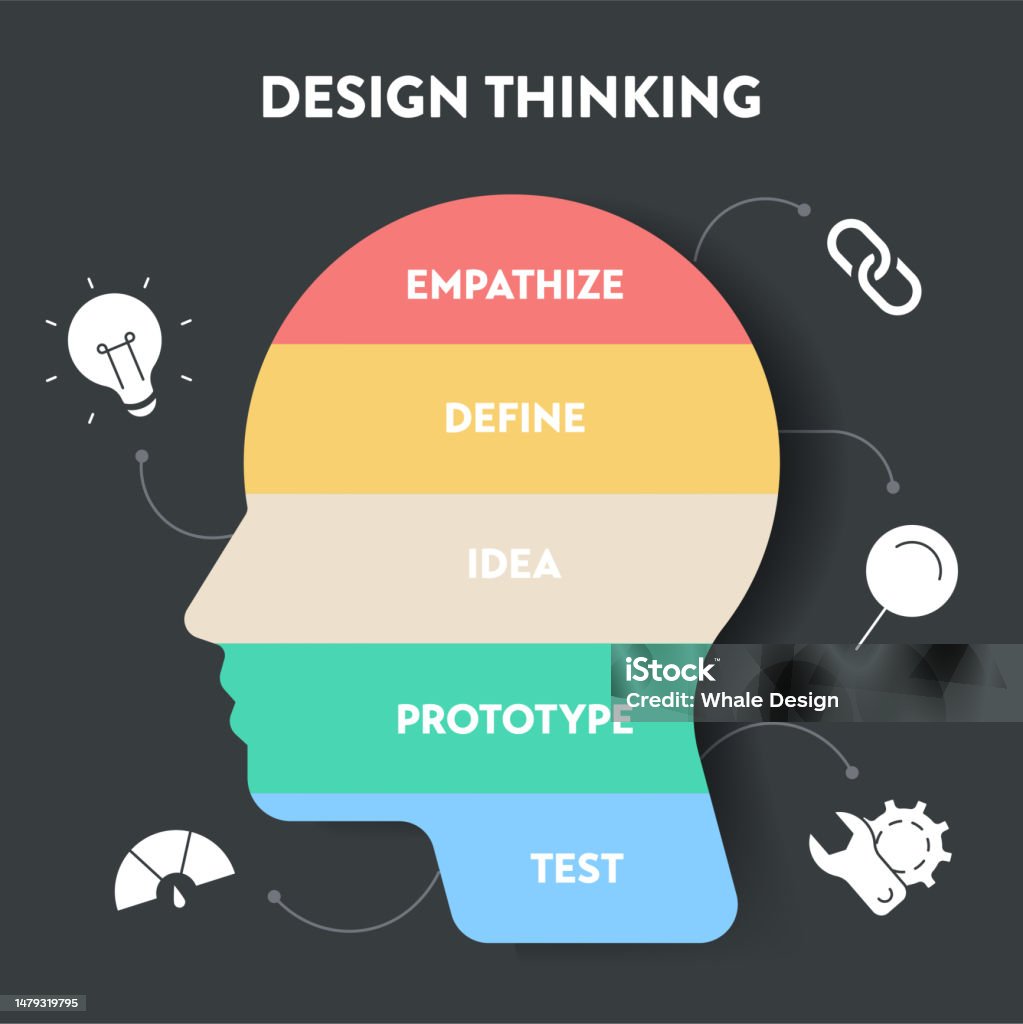
Design thinking is a human-centered, iterative approach to problem-solving that focuses on understanding users, redefining problems, and developing innovative solutions. This approach draws from the designer's toolkit to integrate the needs of people, the possibilities of technology, and the requirements for business success.
- Empathize: Understanding the needs and behaviors of your users
- Define: Reframing the problem and defining the innovative solution
- Ideate: Generating a wide range of ideas to address the problem
- Prototype: Creating a tangible representation of the innovative solution
- Test: Validating the innovative solution with real users
Other Innovation Design Methods

- Ideation Methods: techniques such as brainstorming, mind mapping, and SCAMPER to generate ideas
- Agile Thinking: an iterative and adaptive approach to design and development
- Human-Centered Design: a systematic approach to design that emphasizes user needs
- Design Sprint: a time-limited approach to design and development
Conclusion
Innovation design methods are a powerful tool for driving creativity, improving product quality, and enhancing user experiences. By understanding the principles, strengths, and limitations of various innovation design methods, organizations can make informed decisions when selecting the most suitable approach for their needs. Whether you're looking to develop a new product, service, or process, innovation design methods can help you unlock new possibilities and drive breakthrough thinking.
Recommendations
When selecting an innovation design method, consider the following factors:
- Definition of the Problem: ensure that the method is well-suited to address your specific challenge
- Resources and Capacity: assess the resource requirements and organizational capacity to implement the chosen method
- Measurable Outcomes: clearly define the metrics and KPIs to measure the effectiveness of the method
- Curriculum Development: create a comprehensive training program for team members to ensure successful implementation of the chosen method
By embracing innovation design methods and considering the factors outlined above, you'll be well-equipped to drive creativity, improve product quality, and enhance user experiences within your organization.