CAN I GIVE MY DOG IBUPROFEN OVER THE COUNTER?
As a dog owner, it's natural to want to provide the best possible care for your furry friend when they're in pain or discomfort. However, when it comes to administering medications, it's essential to exercise caution and follow the advice of a veterinarian. The short answer to the question "can I give my dog ibuprofen over the counter?" is a resounding no. Ibuprofen, a popular over-the-counter pain reliever for humans, is not safe for dogs and can be toxic to them even in small doses.
Why Ibuprofen is Toxic to Dogs
Ibuprofen is a nonsteroidal anti-inflammatory drug (NSAID) that is designed to reduce pain and inflammation in humans, but it does not work the same way in dogs.
Unlike humans, dogs lack the necessary enzymes to metabolize ibuprofen efficiently, leading to a buildup of the drug in their system.
This can cause serious side effects, including stomach ulcers, kidney failure, and even death.
Signs of Ibuprofen Overdose in Dogs
If you suspect your dog has ingested ibuprofen, look out for the following symptoms:
- Vomiting
- Diarrhea
- Abdominal pain
- Bloody stools
- Loss of appetite
- Increased thirst and urination
What to Do If Your Dog Ingests Ibuprofen
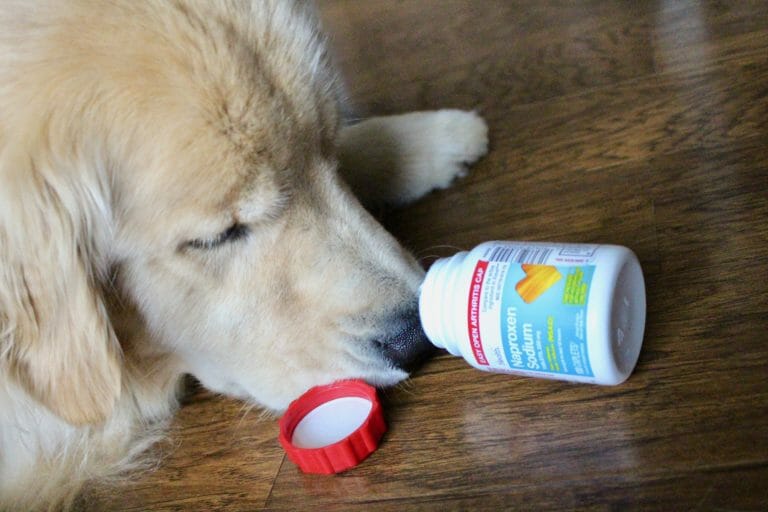
If you suspect your dog has ingested ibuprofen, contact your veterinarian immediately. Your vet may recommend the following:
Induction of vomiting to remove the remaining medication
Activated charcoal to absorb the medication
Supportive care, such as fluids and monitoring of vital signs
Safe Alternatives for Pain Relief in Dogs
Fortunately, there are many safe and effective alternatives for pain relief in dogs, including:
- Carprofen
- Grapiprant
- Meloxicam
- Icing or heat therapy
- Rest and relaxation
Precautions and Conclusion
While it may be tempting to administer human medications to our furry friends, it's essential to prioritize their health and safety. Ibuprofen is not a suitable pain reliever for dogs, and even small doses can be toxic. Always consult with a veterinarian before administering any medication to your dog, and opt for vet-approved pain relief options to ensure your dog's comfort and well-being.