Protecting against malware on public Wi-Fi networks: A critical guide
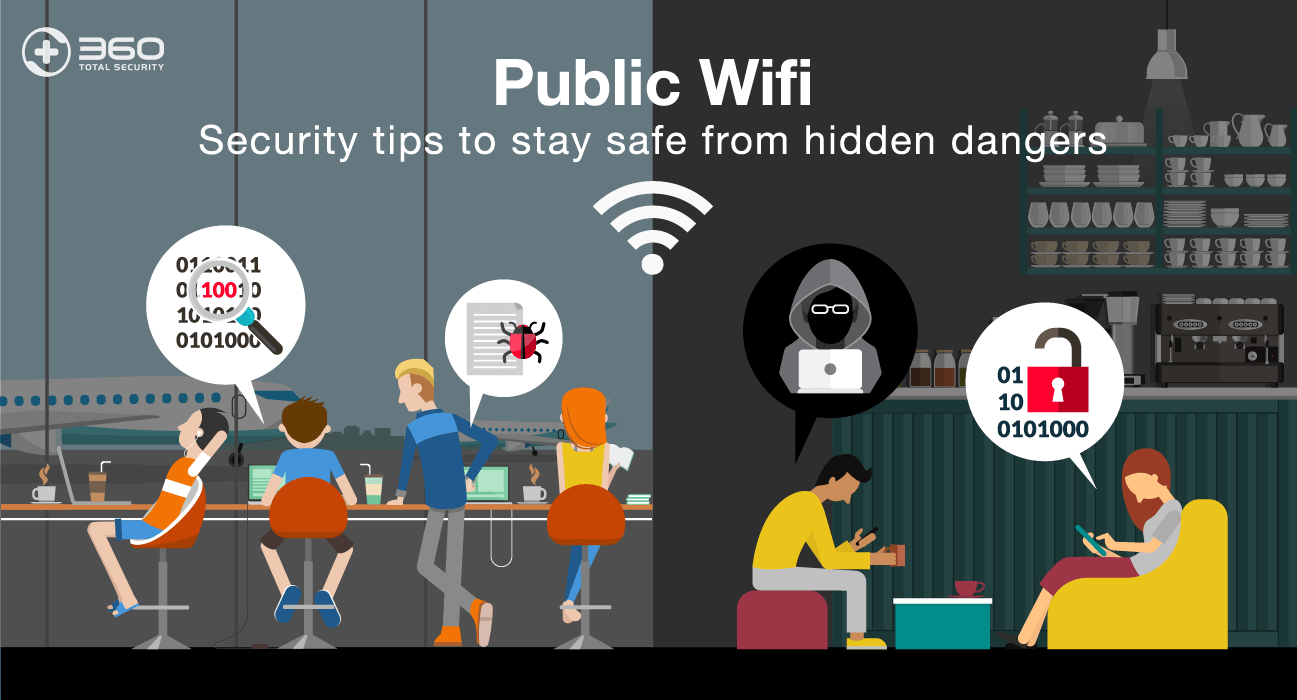
Public Wi-Fi networks have become increasingly ubiquitous, providing users with a convenient way to stay connected on the go. However, these networks also pose a significant security risk, as they can be exploited by cybercriminals to distribute malware and steal sensitive information.
Understanding the risks of public Wi-Fi
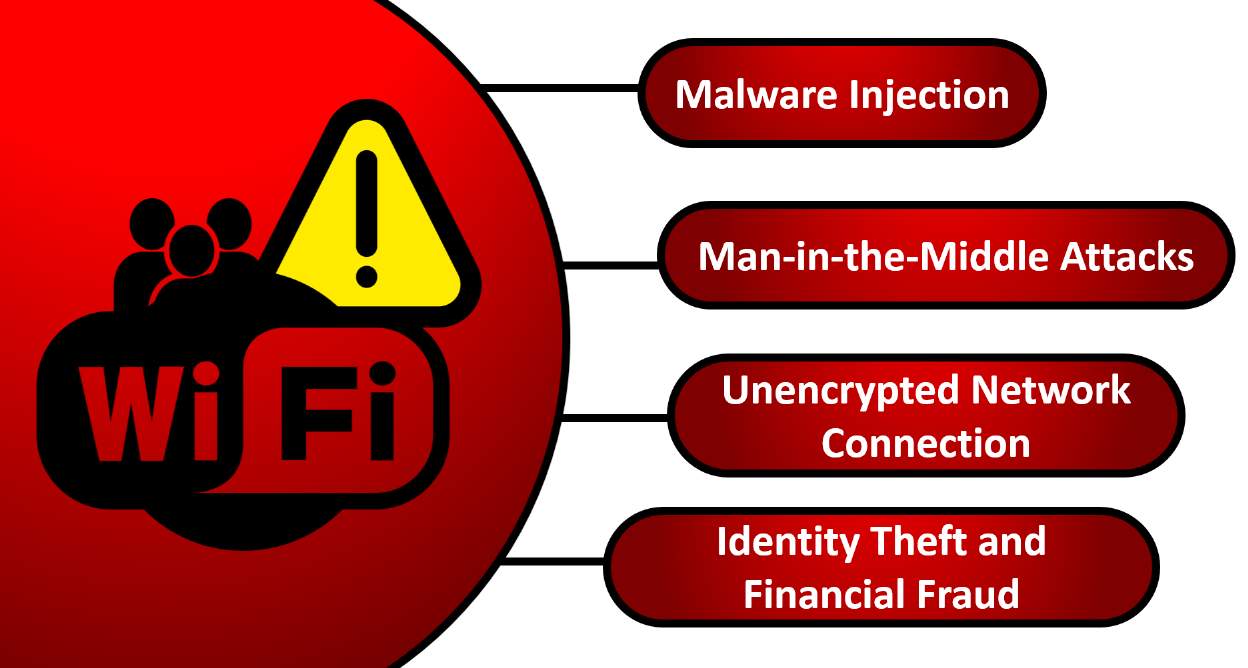
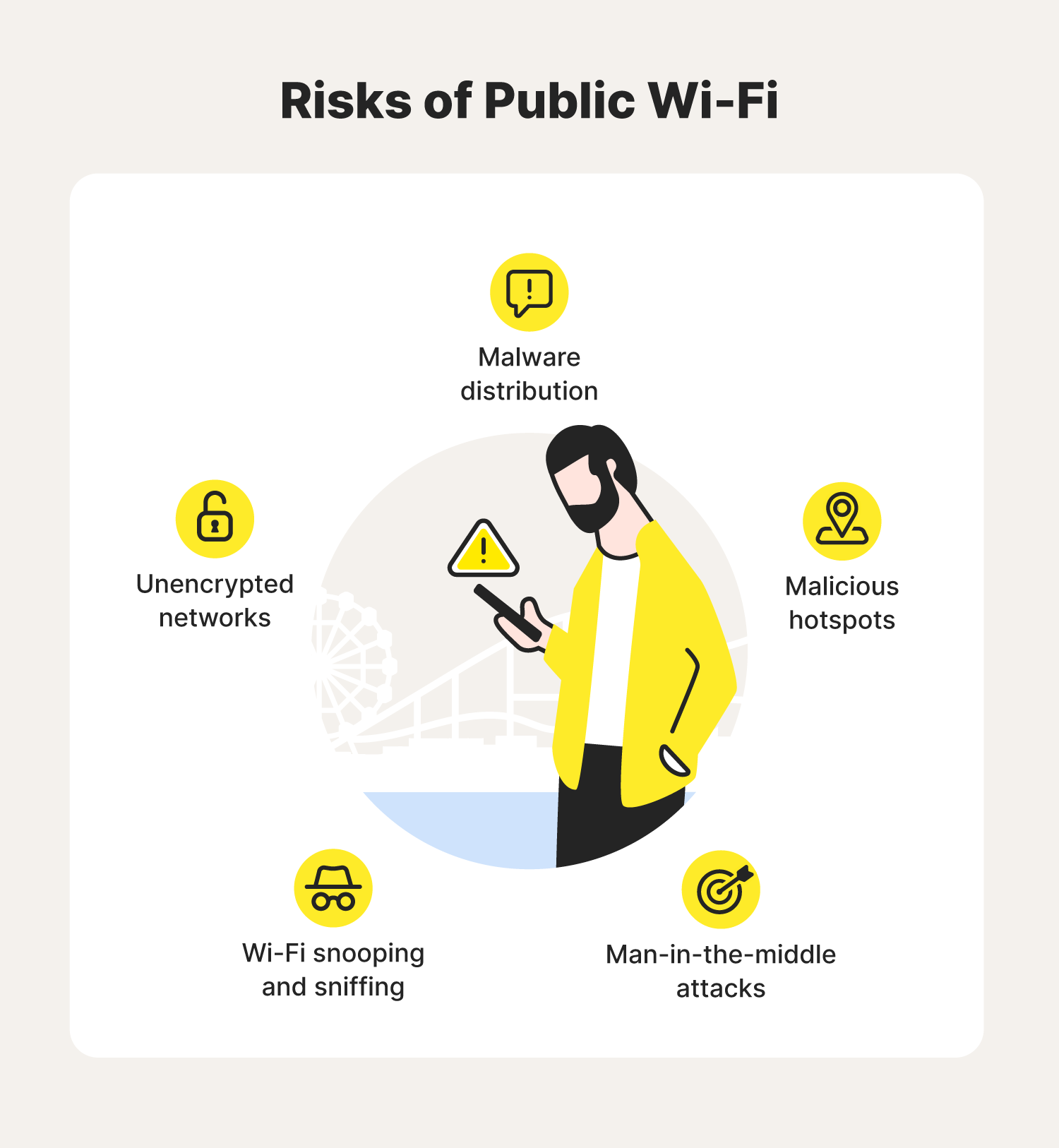
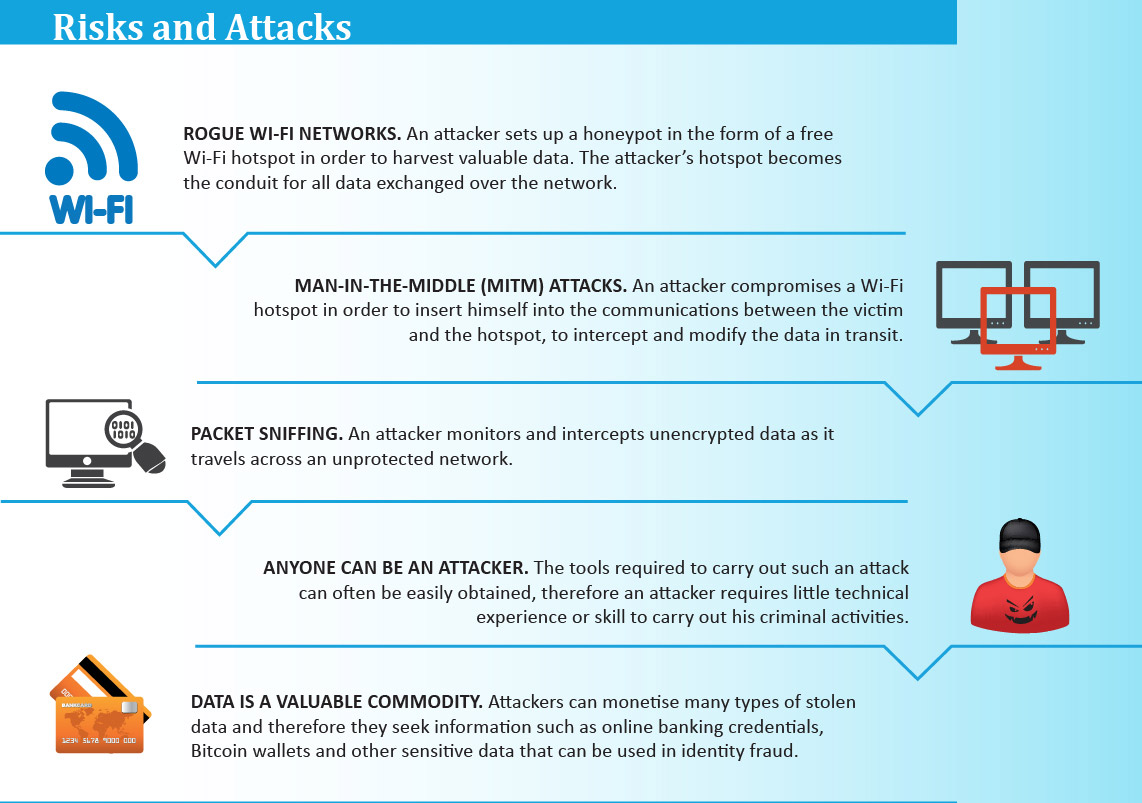
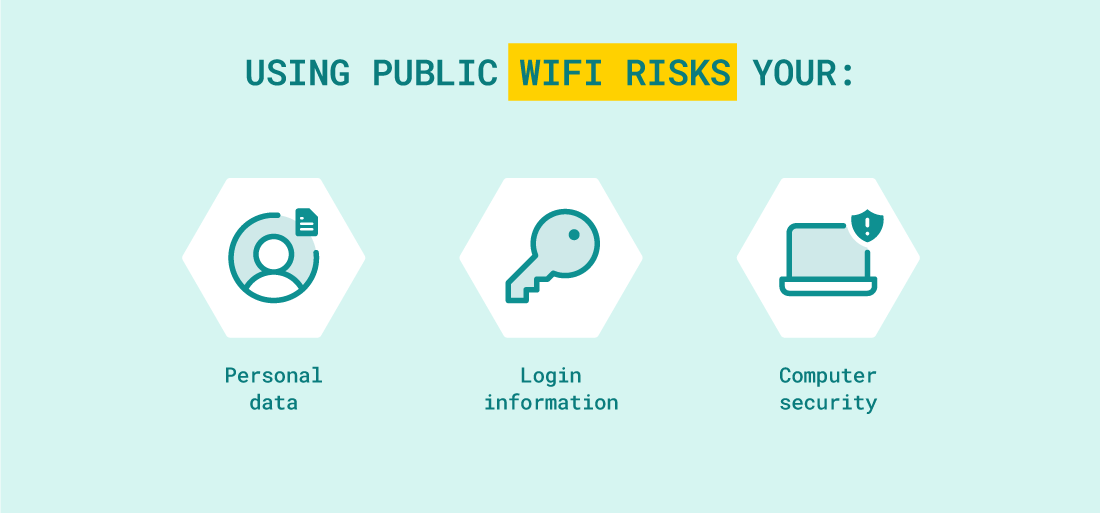
When you connect to a public Wi-Fi network, you expose yourself to a range of potential threats. These include:
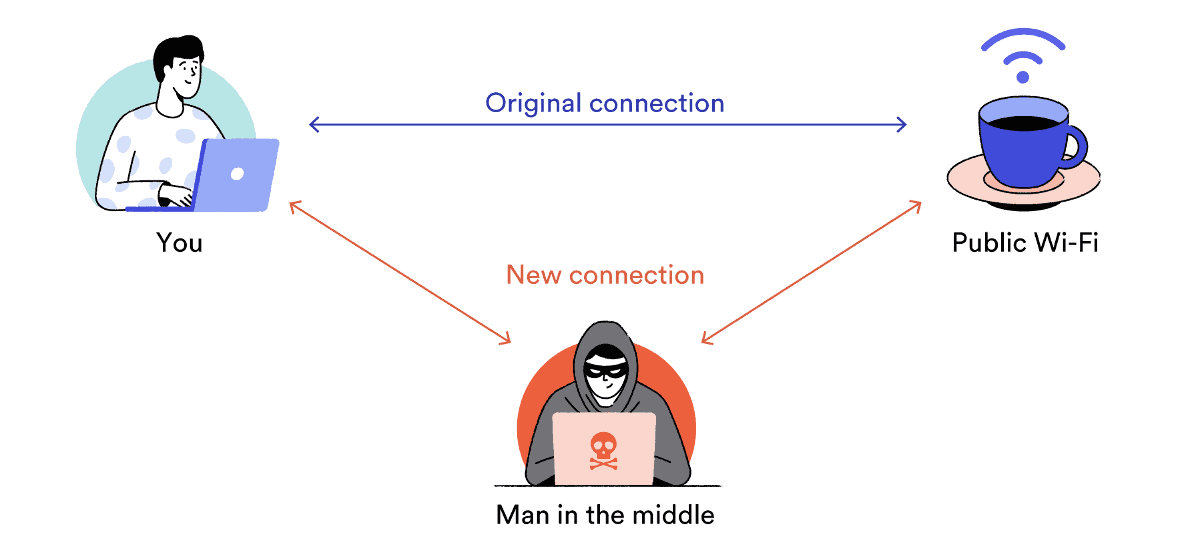
- Data interception: Hackers can easily intercept your data when you're connected to a public Wi-Fi network.
- Malware: Public Wi-Fi networks can be used to distribute malware, which can infect your device and compromise your personal data.
- Phishing: Public Wi-Fi networks are a common target for phishing attacks, which aim to trick users into revealing sensitive information.
- Session hijacking: Hackers can intercept your session and access your personal data, including login credentials and financial information.
Protecting yourself against malware on public Wi-Fi networks
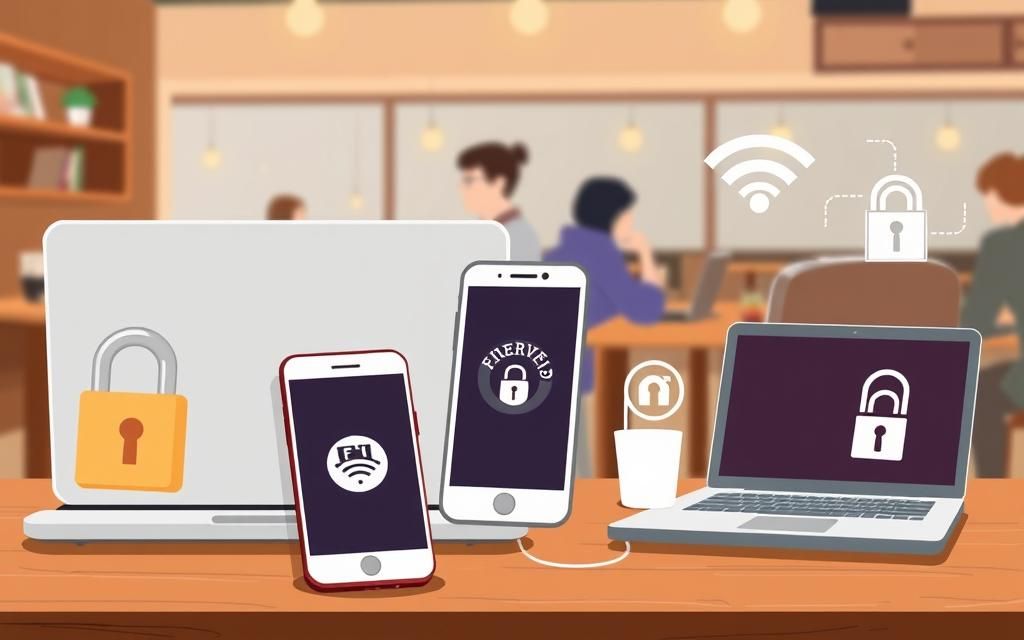
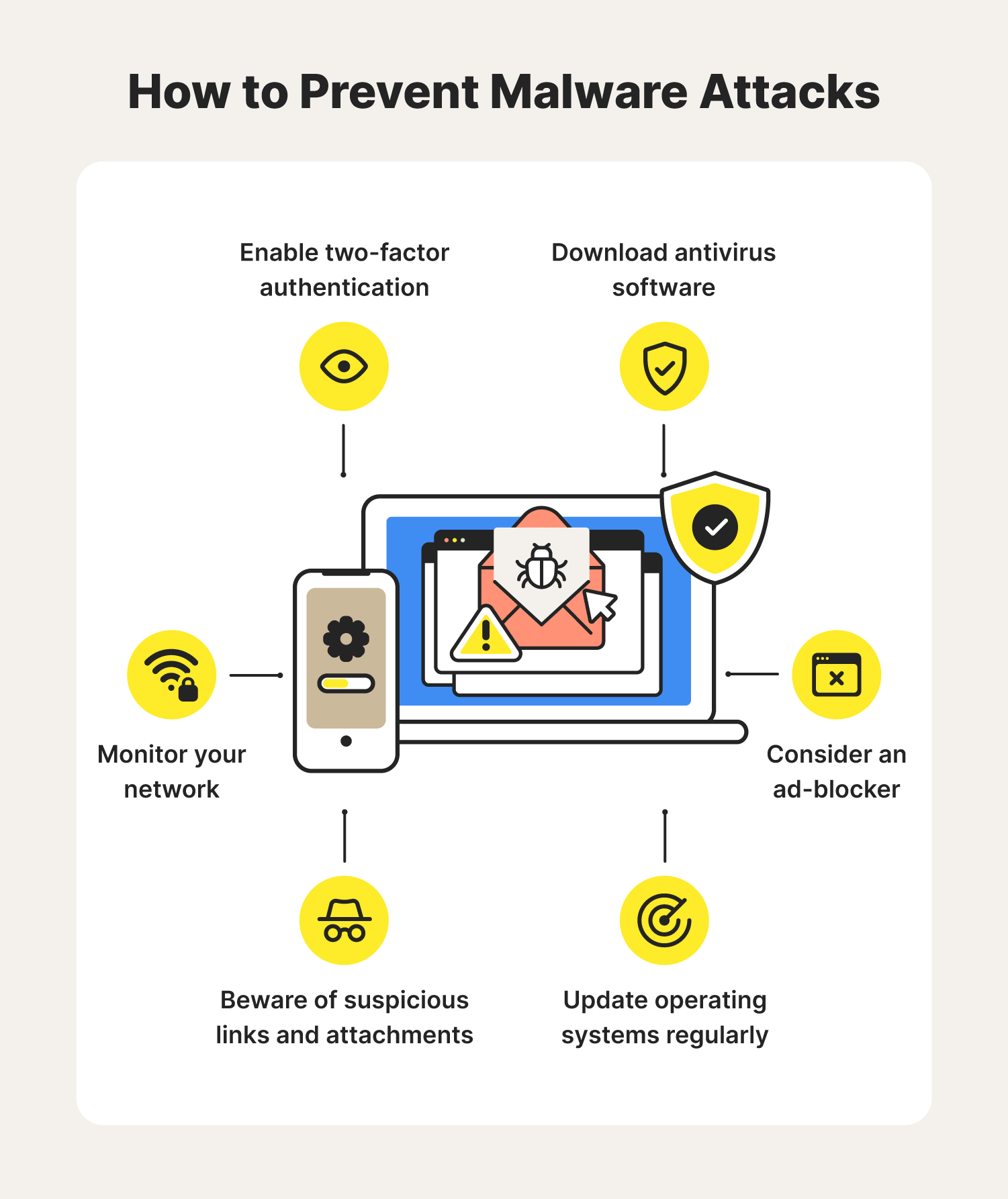
While public Wi-Fi networks are inherently insecure, there are steps you can take to protect yourself against malware and other online threats:
1. Use a VPN
A virtual private network (VPN) creates a secure, encrypted tunnel for your internet traffic, protecting your data from prying eyes. Look for a VPN service that includes malware-blocking DNS features to prevent your device from reaching known malicious sites.
2. Turn off file sharing and Bluetooth
Features like file sharing and Bluetooth can make it easy for hackers to gain access to your device or sneak malware inside. Turn off these features when you're connected to a public Wi-Fi network.
3. Use a secure connection
When connecting to a public Wi-Fi network, make sure to use a secure connection, such as WPA2 or WPA3. Avoid using unsecured connections, as they're more vulnerable to hackers.
4. Use a reputable antivirus software
Install reputable antivirus software on your device to detect and prevent malware attacks. Keep your software up to date to ensure you have the latest protection.
5. Be cautious when clicking on links
Be wary of links you click on while connected to a public Wi-Fi network. Avoid clicking on suspicious links, and never enter sensitive information on unfamiliar websites.
6. Use strong passwords
Use strong, unique passwords for all your online accounts. Avoid using easily guessable passwords or password managers that can be compromised.
7. Keep your device and software up to date
Keep your device and software up to date with the latest security patches and updates. This will help prevent vulnerabilities that hackers can exploit.
Conclusion
Public Wi-Fi networks are a convenient way to stay connected, but they also pose a significant security risk. By following these tips and using robust protection like Norton 360 Deluxe, you can use public Wi-Fi networks more safely and confidently. Remember to always be cautious when connected to a public Wi-Fi network, and never compromise your security for the sake of convenience.