Hyperconnectivity and Medical Research: Revolutionizing the Understanding of the Human Brain
Hyperconnectivity has emerged as a crucial concept in medical research, offering a new perspective on the intricate workings of the human brain. At the heart of hyperconnectivity is the notion that increased connectivity within neural networks can have both positive and negative effects on the brain's functioning. This phenomenon has sparked a surge of research in recent years, with scientists and medical professionals seeking to understand its role in various neurological disorders.
The Potential Benefits of Hyperconnectivity in Medical Research
- Hyperconnectivity has been linked to improved cognitive functions, such as attention and memory, in individuals with neurodegenerative diseases.
- Studies have shown that hyperconnectivity can serve as a compensatory mechanism in brain regions affected by damage or disease, allowing for more efficient information processing.
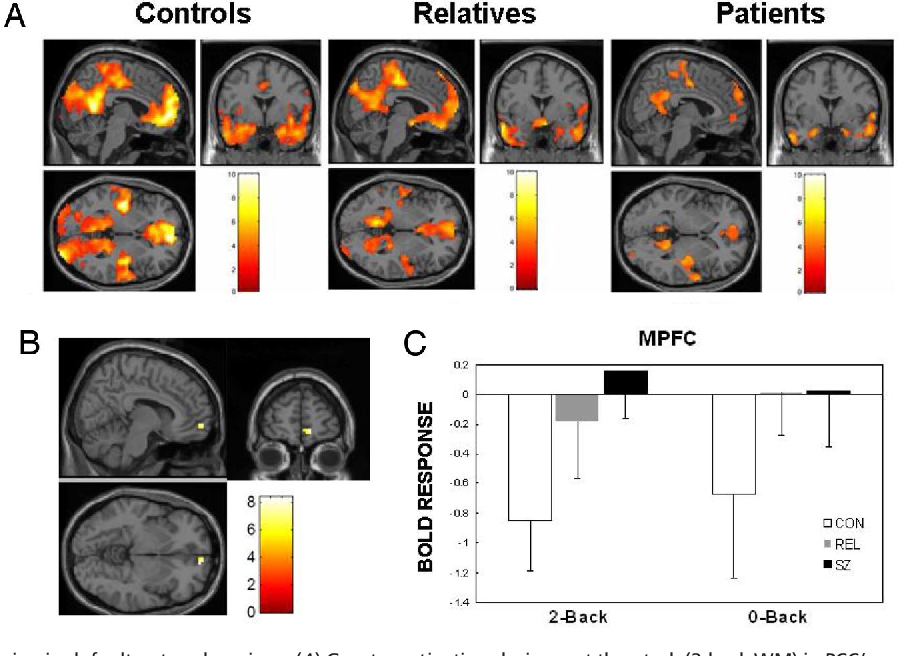
- Neuroimaging techniques, such as functional magnetic resonance imaging (fMRI), have enabled researchers to visualize and study hyperconnectivity in unprecedented detail, shedding light on its mechanisms and effects.
Unlocking the Secrets of Hyperconnectivity through Advanced Research Methods
The emergence of advanced neuroimaging techniques and sophisticated data analysis methods has allowed scientists to map brain connectivity with unprecedented precision. Using these tools, researchers can detect subtle changes in brain activity and identify patterns of hyperconnectivity that were previously unknown.
- Resting-state functional MRI (rs-fMRI) has been instrumental in understanding the neural mechanisms underlying psychosis, particularly in relation to clinically relevant features.
- Researchers have employed graph theory and network analysis to investigate the structural and functional interactions among brain regions, providing insights into the pathological underpinnings of neurological disorders, such as Alzheimer's disease.
Challenges and Future Directions in Hyperconnectivity Research

While hyperconnectivity holds great promise for advancing our understanding of the human brain, there are several challenges that must be addressed in order to unlock its full potential. These include:
- Developing more advanced research methods to better understand the mechanisms underlying hyperconnectivity and its effects on brain function.
- Improving data analysis techniques to reveal subtle patterns of brain activity and identify potential biomarkers for neurological disorders.
- Addressing the complex interplay between hyperconnectivity and other cognitive and neural processes, such as attention and memory.
The Potential Impact of Hyperconnectivity on Healthcare and Society
Hyperconnectivity has far-reaching implications for healthcare and society as a whole. By understanding its mechanisms and effects, researchers may be able to develop new treatments and interventions for neurological disorders, as well as improve our understanding of the relationship between brain function and behavioral responses to various stimuli.
- Personalized medicine may become more feasible, with treatments tailored to an individual's specific brain connectivity profile.
- Neurofeedback and neuroplasticity-based interventions may be developed to promote adaptive changes in brain connectivity in response to injury or disease.
- The study of hyperconnectivity may also shed light on the societal implications of hyperconnectivity, such as its impact on mental health, social relationships, and economic productivity.
Conclusion
Hyperconnectivity has emerged as a vital concept in medical research, offering new insights into the intricate workings of the human brain. As researchers continue to unravel the secrets of hyperconnectivity, we can expect major breakthroughs in our understanding of neurological disorders, as well as the development of innovative treatments and interventions. By embracing the possibilities of hyperconnectivity, we may be able to revolutionize the field of medicine and improve the lives of millions of people worldwide.