Hyperconnectivity and Innovation: The Future of Business
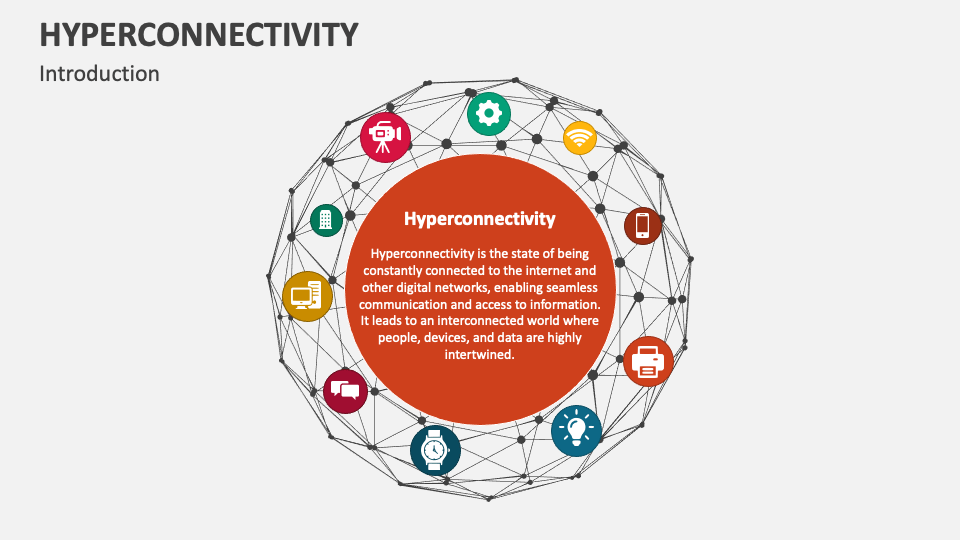
As we navigate the complexities of the digital age, one thing is clear: hyperconnectivity is revolutionizing the way we live, work, and interact with each other. The term, coined by Canadian social scientists Anabel Quan-Haase and Barry Wellman, refers to the seamless interaction between devices, networks, platforms, and people enabled by advancements such as 5G, IoT, AI, and cloud computing.
The Impact of Hyperconnectivity on Business
So, what exactly is hyperconnectivity, and why should businesses care? In short, it's the key to unlocking unprecedented levels of collaboration, innovation, and efficiency. By embracing hyperconnectivity, organizations can tap into a distributed workforce, improve operational efficiency, and enhance customer engagement. The benefits are numerous, but the challenges are also significant.
The Importance of Embracing Hyperconnectivity
As we continue to navigate the era of hyperconnectivity, it's crucial to recognize the transformative potential and complexities of this interconnected world. By embracing innovation, addressing the challenges of cybersecurity, and fostering a culture of experimentation, organizations can unlock new opportunities for growth and agility.
The Role of Artificial Intelligence in Hyperconnectivity
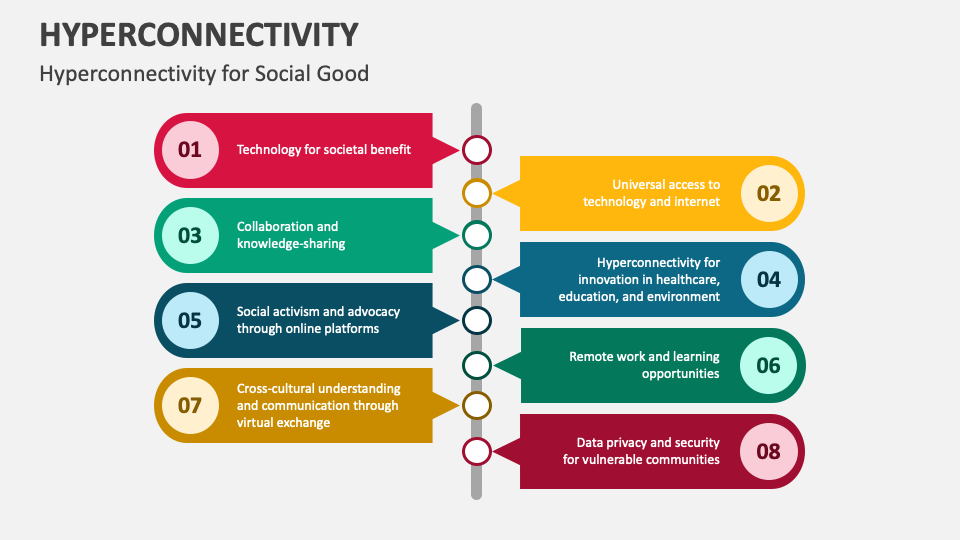
One of the key drivers of hyperconnectivity is the increasing use of Artificial Intelligence (AI). By leveraging AI, organizations can unlock new levels of automation, efficiency, and innovation. From smart cities and connected vehicles to precision agriculture and telemedicine, hyperconnectivity is driving innovation across diverse sectors.
Unlocking the Power of Hyperconnectivity
So, how can organizations unlock the power of hyperconnectivity? By adopting a flexible and adaptable approach to innovation, fostering a culture of experimentation, and embracing new technologies, organizations can unlock new levels of efficiency, productivity, and growth. The future of business is hyperconnected, and those who fail to adapt will be left behind.
The Future of Hyperconnectivity: Opportunities and Challenges
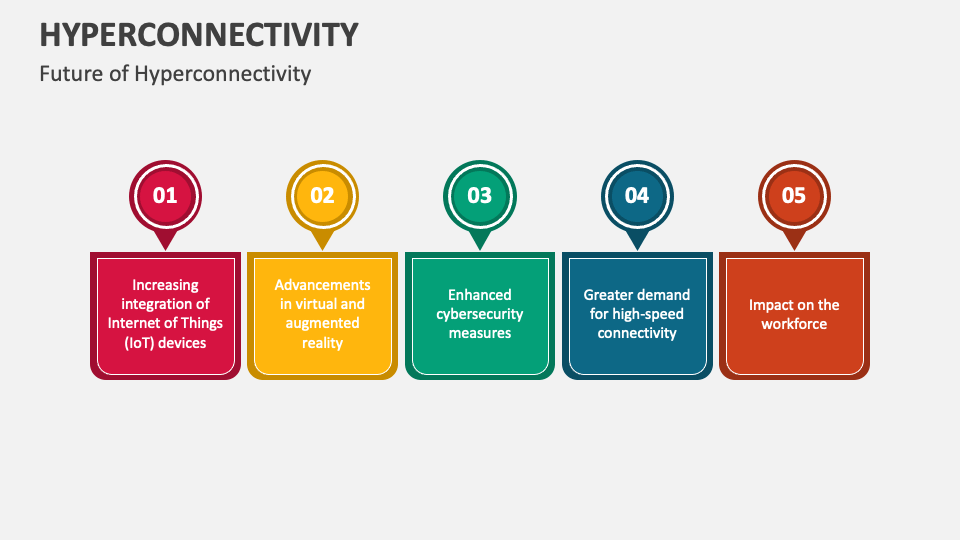
As we look to the future, it's clear that hyperconnectivity will continue to play a significant role in shaping the business landscape. From the growth of 5G networks to the emergence of new technologies such as holographic calls, the opportunities for innovation are vast. However, the challenges are also significant, from cybersecurity concerns to the need for sustainable business practices. By embracing the future of hyperconnectivity, organizations can unlock new levels of growth, agility, and success.
Conclusion
In conclusion, hyperconnectivity is a powerful force that is transforming the business landscape. By embracing innovation, addressing the challenges of cybersecurity, and fostering a culture of experimentation, organizations can unlock new levels of efficiency, productivity, and growth. The future of business is hyperconnected, and those who fail to adapt will be left behind.
Key Takeaways
- Hyperconnectivity is driving innovation across diverse sectors.
- Embracing hyperconnectivity requires a flexible and adaptable approach to innovation.
- Addressing the challenges of cybersecurity is crucial for unlocking the power of hyperconnectivity.
- Fostering a culture of experimentation is essential for driving innovation in a hyperconnected world.
- The future of business is hyperconnected, and those who fail to adapt will be left behind.