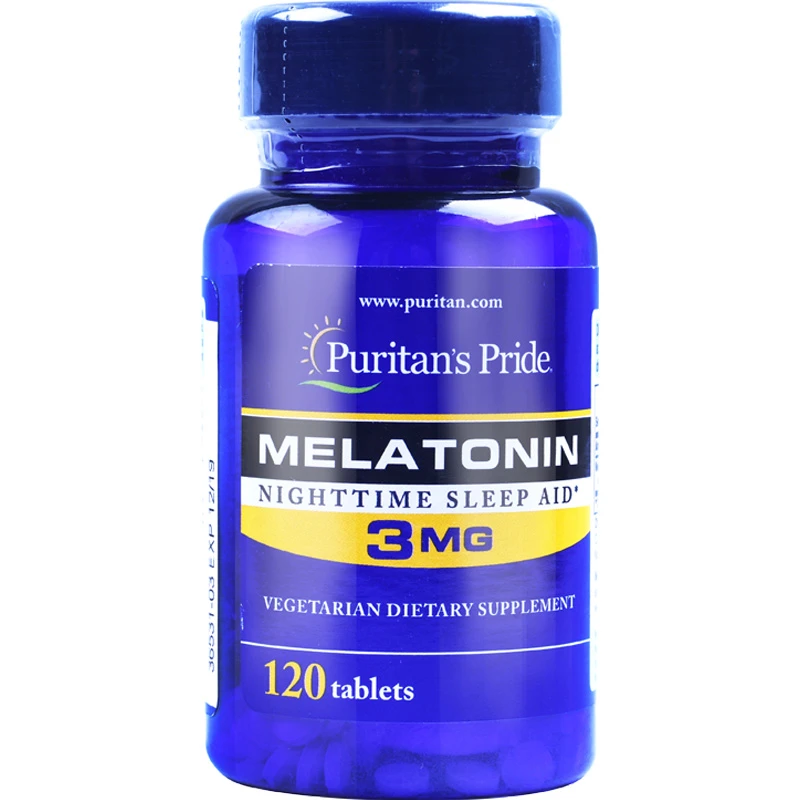
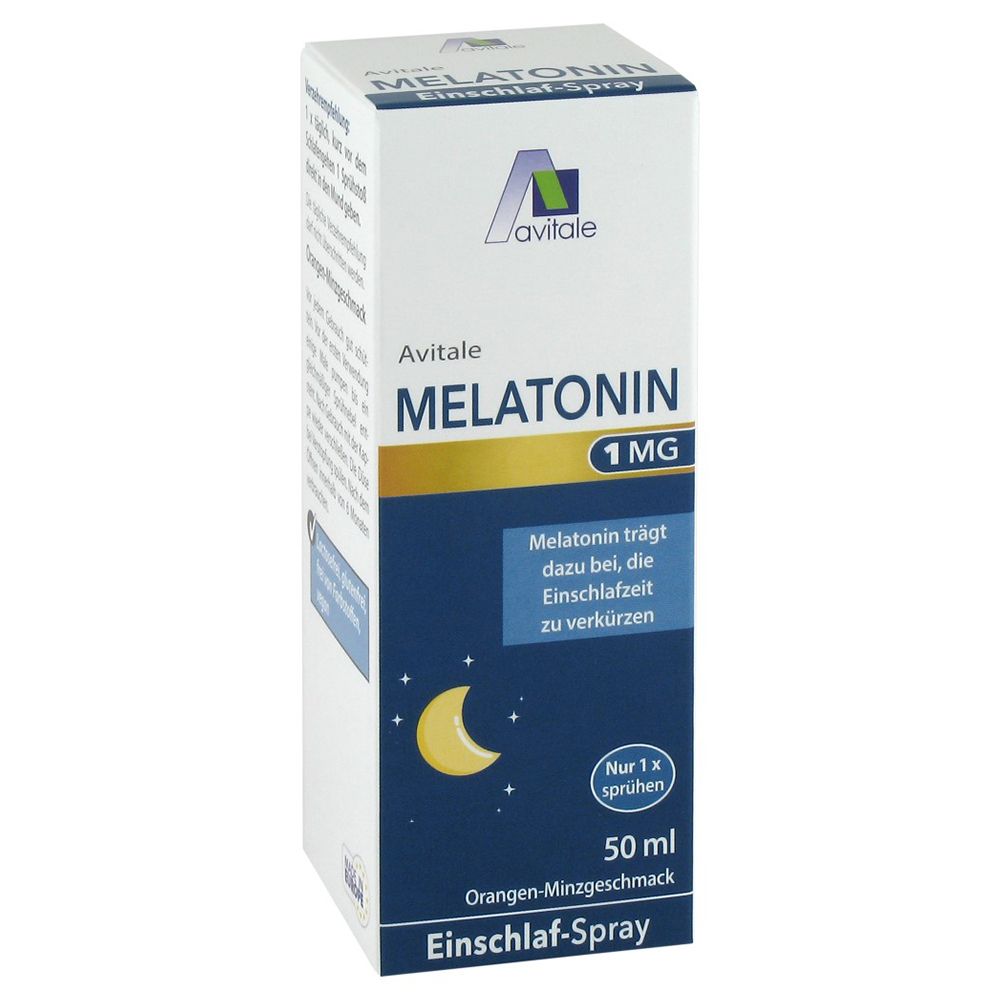
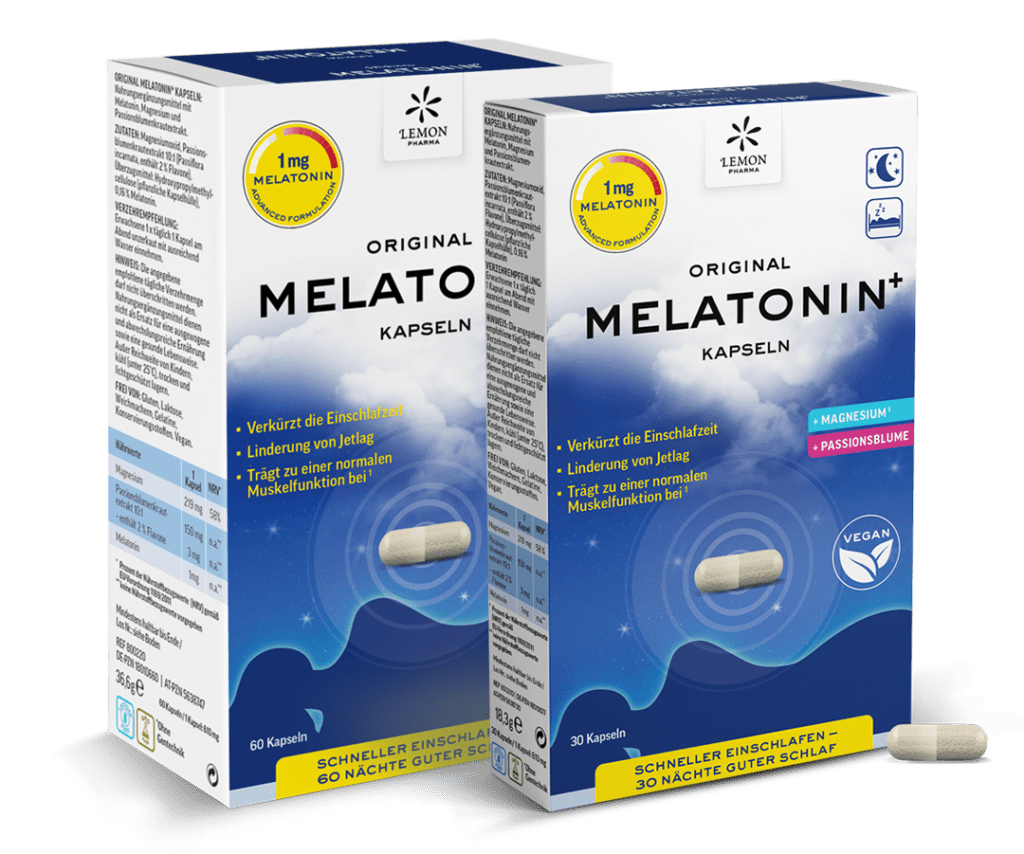
Can I Overdose on Melatonin Liquid?
Understanding Melatonin and Its Effects
Melatonin is a hormone that your body naturally produces to help you fall asleep and stay asleep. It's become increasingly popular as a dietary supplement, available in various forms, including tablets, capsules, liquid, and even gummies. While melatonin is generally considered safe for short-term use, taking too much melatonin can lead to adverse effects, also known as a melatonin overdose.
What Is Melatonin?
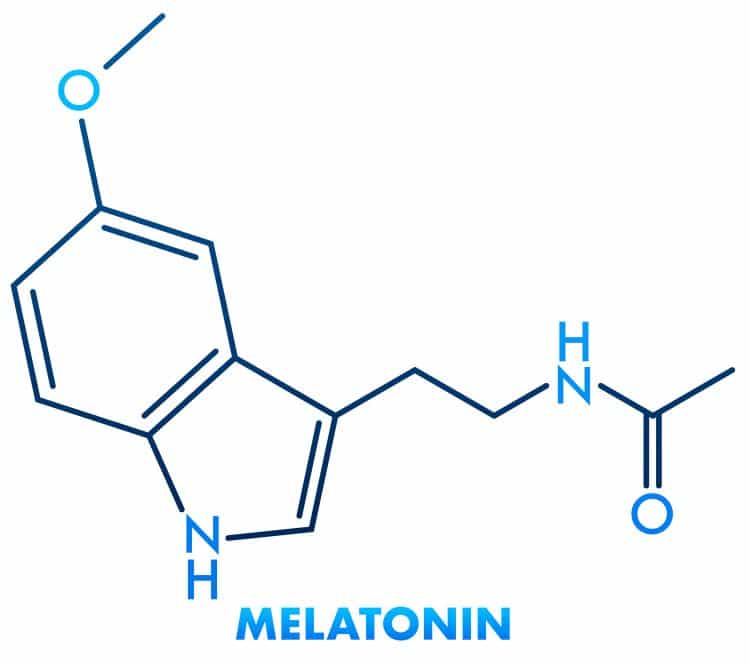
Melatonin is a hormone produced by the pineal gland, a small endocrine gland located in the brain. It plays a vital role in regulating your sleep-wake cycle, also known as your circadian rhythm. In the evening, melatonin levels typically rise, helping you feel sleepy, while levels decrease in the morning, making you feel more alert.
How Does Melatonin Work?
When you take melatonin as a supplement, it helps increase the levels of melatonin in your body, promoting a sense of relaxation and drowsiness. This can be beneficial for individuals struggling with insomnia, jet lag, or other sleep disorders. However, it's essential to use melatonin supplements responsibly and follow the recommended dosage guidelines.
Can I Overdose on Melatonin Liquid?
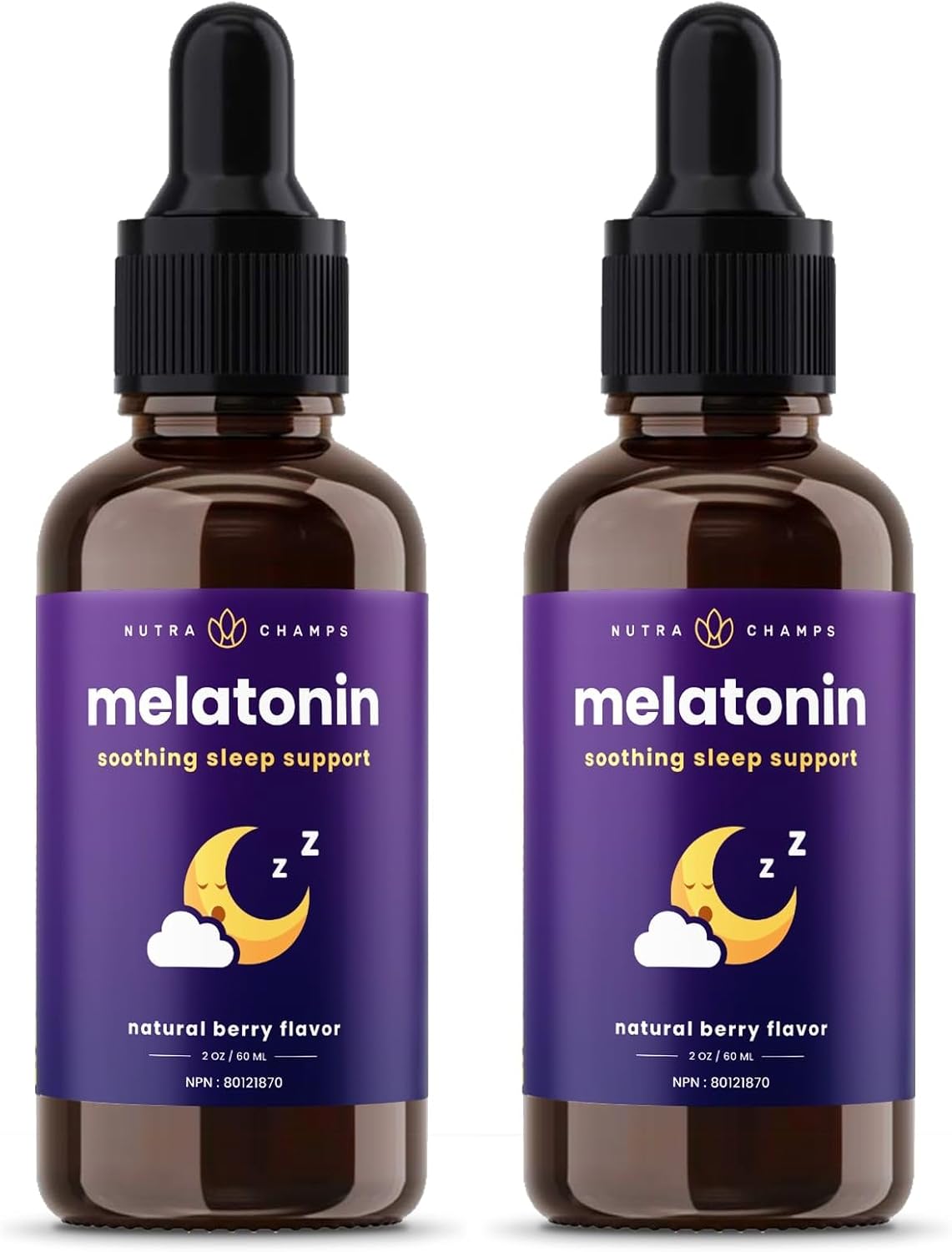
Yes, it is possible to overdose on melatonin liquid, especially if you're not aware of the recommended dosage. The effects of a melatonin overdose can vary depending on the individual, but common symptoms include:
- Excessive sleepiness or drowsiness
- Vomiting
- Trouble breathing
- Less common effects: agitation, blurred vision, change in consciousness, chest pain or discomfort, confusion, dark urine, diarrhea, dizziness, faintness, or lightheadedness when getting up suddenly from a lying or sitting position, fast, pounding, or irregular heartbeat or pulse, fever, headache, inability to speak, loss of coordination, seizures, and stiffness
What Are the Effects of a Melatonin Overdose?
While melatonin overdose is unlikely to be life-threatening, it can still cause significant discomfort and potential long-term effects. In severe cases, a melatonin overdose can lead to:
- Disrupted sleep patterns
- Headaches
- Nausea and vomiting
- Mood swings
- Dizziness and lightheadedness
- Coordination and balance problems
- Seizures (in rare cases)
How to Avoid a Melatonin Overdose?
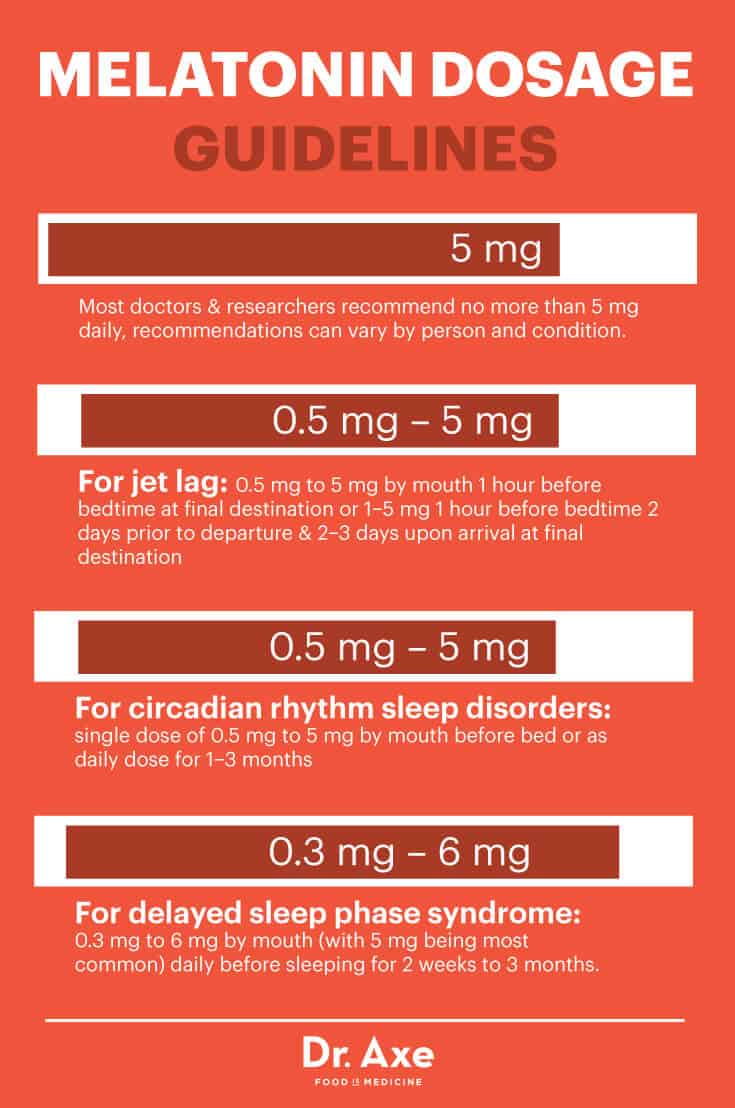
To use melatonin safely and effectively, follow these guidelines:
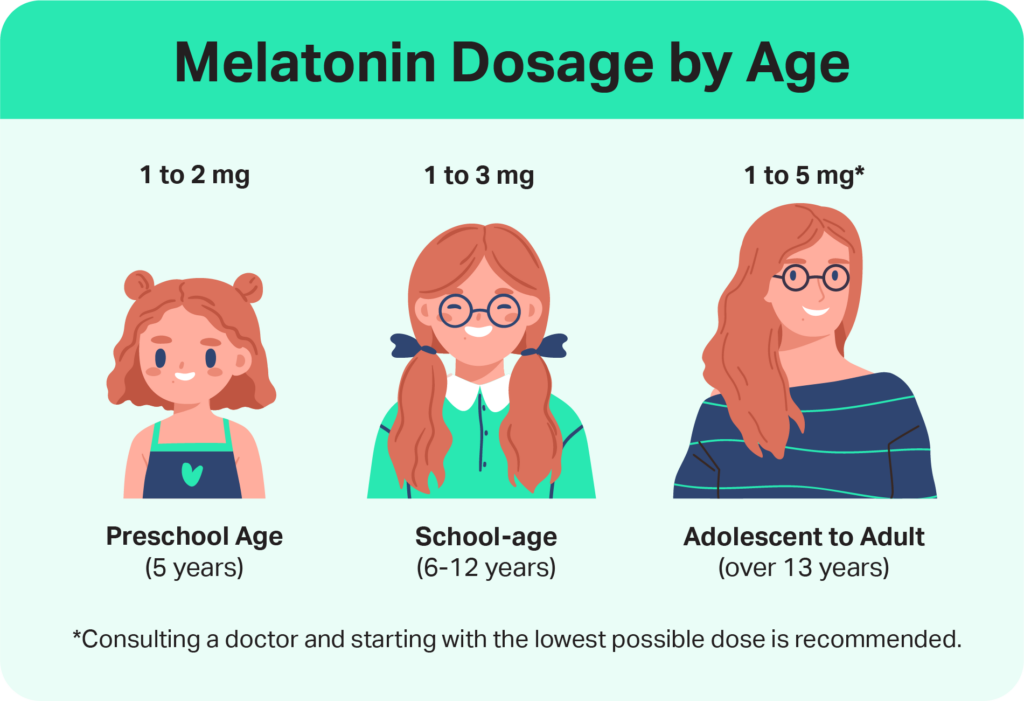
- Start with a low dose (0.5-1 mg) and gradually increase as needed
- Consult with a healthcare professional before taking melatonin, especially if you have a medical condition or are taking other medications
- Store melatonin supplements out of reach of children and pets
- Be aware of the potential interactions between melatonin and other medications, such as blood thinners, diabetes medications, and sedatives
What to Do in Case of a Melatonin Overdose?
If you suspect you or someone else has overdosed on melatonin, call your local emergency number or seek immediate medical attention. Provide the medical team with as much information as possible about the melatonin supplement, including the dosage and any other medications or substances taken.
Conclusion
Melatonin liquid and other forms of melatonin supplements can be an effective tool for promoting better sleep and relaxation. However, it's crucial to use them responsibly and follow the recommended dosage guidelines to avoid a melatonin overdose. If you're considering taking melatonin supplements, consult with a healthcare professional and stay informed about the potential effects and risks associated with melatonin use.