How to Stay Safe Online While Using Online Shopping
Oct 3, 2024
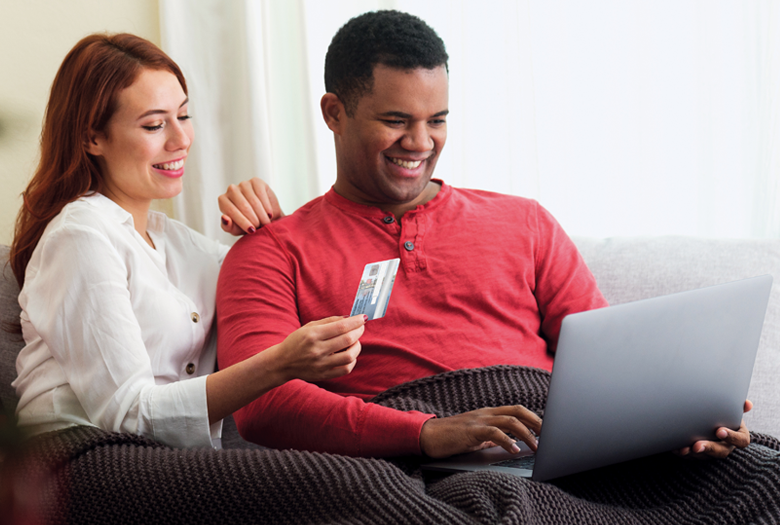
Stayingsafeonline is more critical than ever as cybercriminals continue targeting unsuspecting shoppers. Although no method can guarantee complete protection, following best practices like using secure websites, trusted payment methods, and VPNs can significantly reduce your risks.
Best Practices for Safe Online Shopping
When shopping online, it's essential to follow these best practices to minimize your risk of exposure to cyber threats:
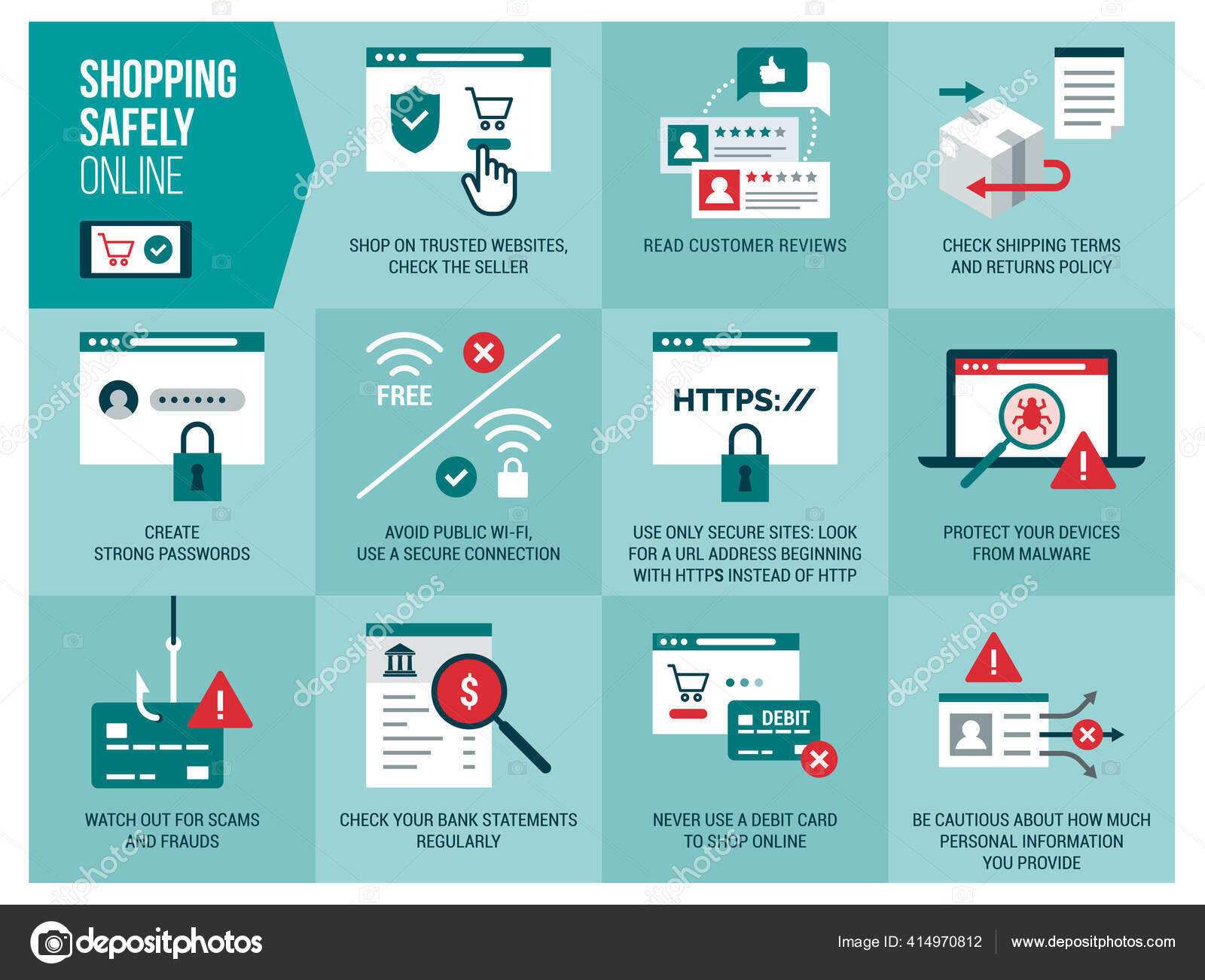
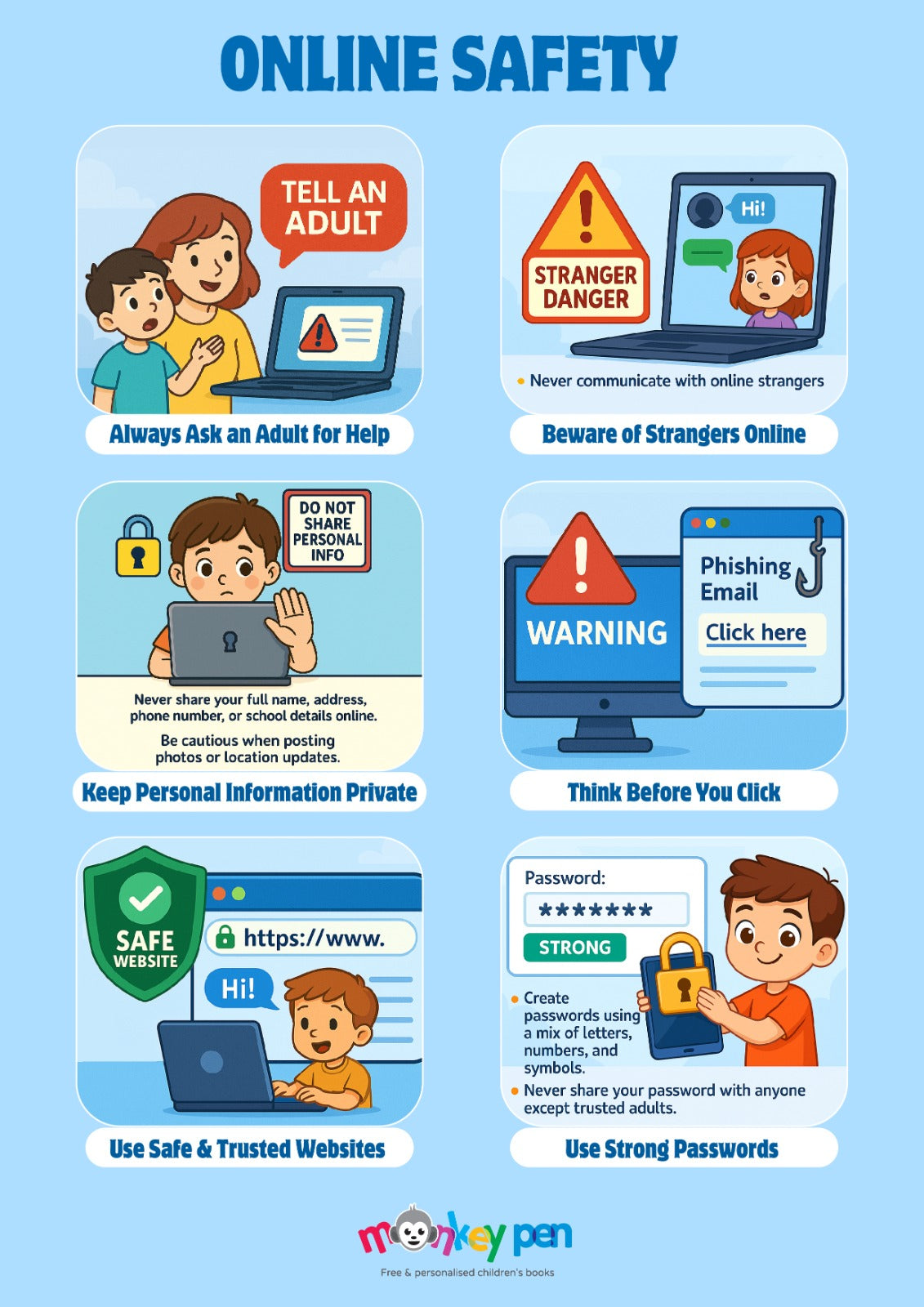
- Use Secure Websites: Ensure the website you're using is secure by looking for 'https' in the URL and a lock icon in the address bar. This indicates that the website has an active SSL certificate.
- Trusted Payment Methods: Use trusted payment methods like credit cards or PayPal, which offer additional protection against unauthorized transactions.
- VPNs: Use a Virtual Private Network (VPN) when shopping online, especially when using public Wi-Fi. A VPN encrypts your internet traffic, making it difficult for hackers to intercept your data.
- Strong Passwords: Use strong passwords that are unique for each website, and avoid using easily guessable information like names or birthdays.
- Keep Software Up-to-Date: Ensure your operating system, browser, and other software are up-to-date, as newer versions often include security patches and bug fixes.
- Be Wary of Phishing Emails: Be cautious when opening emails or attachments from unfamiliar senders, as they may contain malware or phishing scams.
Red Flags to Watch Out for While Shopping Online
When shopping online, be aware of the following red flags that may indicate a scam:

- Unclear Shipping and Return Policies: Legitimate sellers should have clear and transparent shipping and return policies.
- Too-Good-to-Be-True Deals: Be wary of deals that seem too good to be true, as they may be too good to miss.
- Unencrypted Websites: Avoid websites that don't use encryption (https) or have a broken lock icon.
- Poor Customer Reviews: Be cautious of products with poor customer reviews or no reviews at all.
Staying Safe While Shopping Online
To stay safe while shopping online, follow these additional tips:
- Use a Credit Card: Use a credit card instead of a debit card, as credit cards often offer more protection against unauthorized transactions.
- Monitor Your Account Activity: Regularly monitor your account activity to detect any suspicious transactions.
- Use Two-Factor Authentication: Enable two-factor authentication (2FA) whenever possible to add an additional layer of security.
- Keep Your Personal Info Private: Keep your personal and financial information private to prevent identity theft.
Conclusion
Stayingsafeonline while using online shopping requires vigilance and best practices. By following the tips outlined in this article, you can minimize your risk of exposure to cyber threats and ensure a safe and enjoyable online shopping experience.
Remember, no method can guarantee complete protection, but by being aware of the risks and taking steps to mitigate them, you can stay safe online while using online shopping.