Managing Information Overload in the Home Office: Strategies for a More Productive Work Environment
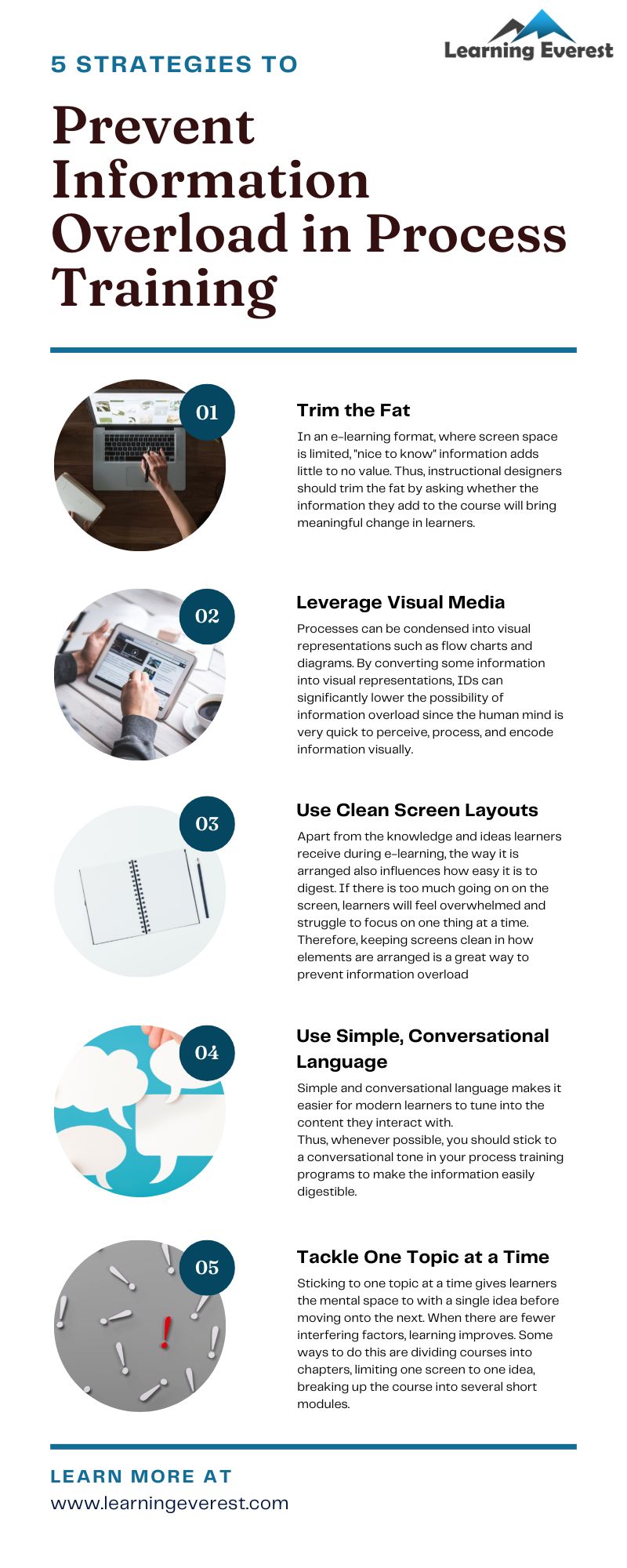
Are you feeling overwhelmed by the sheer volume of information you're dealing with in your home office? You're not alone. Information overload is a common problem that can affect anyone, regardless of their profession or level of experience. In this article, we'll explore the nature of information overload, its impact on productivity, and provide practical strategies for managing it effectively.
What is Information Overload?
Information overload refers to the feeling of being overwhelmed by an excessive amount of information being presented all at once. This can lead to difficulties in making decisions, prioritizing tasks, and managing time effectively. In today's digital age, the constant stream of emails, social media updates, and messaging apps can make it challenging to stay focused and avoid distraction.
The Consequences of Information Overload
The consequences of information overload can be severe. It can lead to decreased productivity, increased stress, and a higher risk of burnout. In fact, a study by the Harvard Business Review found that employees who experienced information overload were more likely to feel stressed, anxious, and disconnected from their work. Moreover, information overload can also lead to a decrease in creativity, innovation, and problem-solving skills.
Strategies for Managing Information Overload
So, how can you manage information overload in your home office? Here are some practical strategies that can help:
- Set clear boundaries**: Establish clear boundaries around your work and personal life. This can include setting specific work hours, avoiding email and social media during non-work hours, and creating a schedule that allows for focused work.
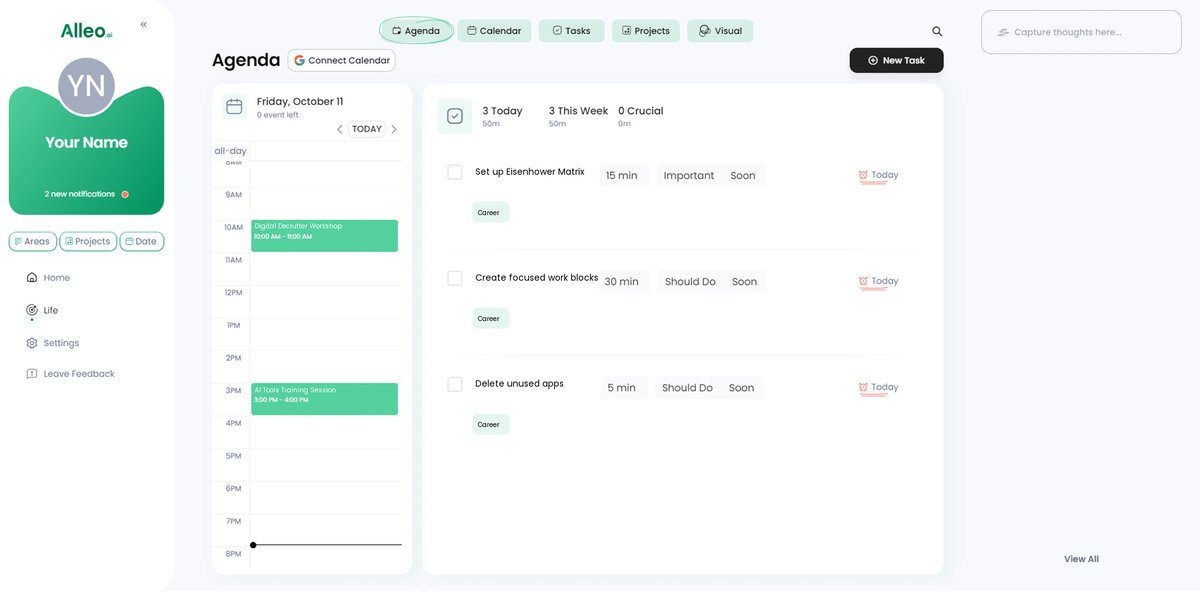
- Use technology strategically**: Technology can be both a blessing and a curse when it comes to information overload. Use tools like project management software, email filters, and social media blockers to help you stay organized and focused.
- Practice time management**: Effective time management is key to avoiding information overload. Use techniques like the Pomodoro Technique, time blocking, and task categorization to help you prioritize tasks and manage your time more effectively.
- Learn to say no**: Don't be afraid to say no to non-essential tasks and requests. This can help you avoid taking on too much and reduce the risk of information overload.
- Take breaks**: Taking regular breaks can help you recharge and avoid burnout. Use this time to do something relaxing or enjoyable, such as taking a walk or practicing yoga.
- Stay organized**: Staying organized is key to managing information overload. Use tools like to-do lists, calendars, and note-taking apps to help you stay on top of your tasks and deadlines.
- Seek support**: Don't be afraid to seek support if you're feeling overwhelmed by information overload. Talk to a colleague, friend, or mentor about your challenges and seek their advice and guidance.

Conclusion
Managing information overload in the home office requires a combination of strategies that help you stay organized, focused, and productive. By setting clear boundaries, using technology strategically, practicing time management, learning to say no, taking breaks, staying organized, and seeking support, you can reduce the risk of information overload and improve your overall productivity and well-being.
Recommended Reading
For more information on managing information overload, check out the following resources:
- The Organized Mind: Thinking Straight in the Age of Information Overload by Daniel Levitin
- Managing Information Overload in the Digital Age by Rick Spilman
- Information Overload: The Hidden Threat to Your Productivity by Sue Haldaman
Final Thoughts
Information overload is a common problem that can affect anyone, regardless of their profession or level of experience. By using the strategies outlined above, you can reduce the risk of information overload and improve your overall productivity and well-being. Remember to stay organized, focused, and productive, and don't be afraid to seek support if you need it.