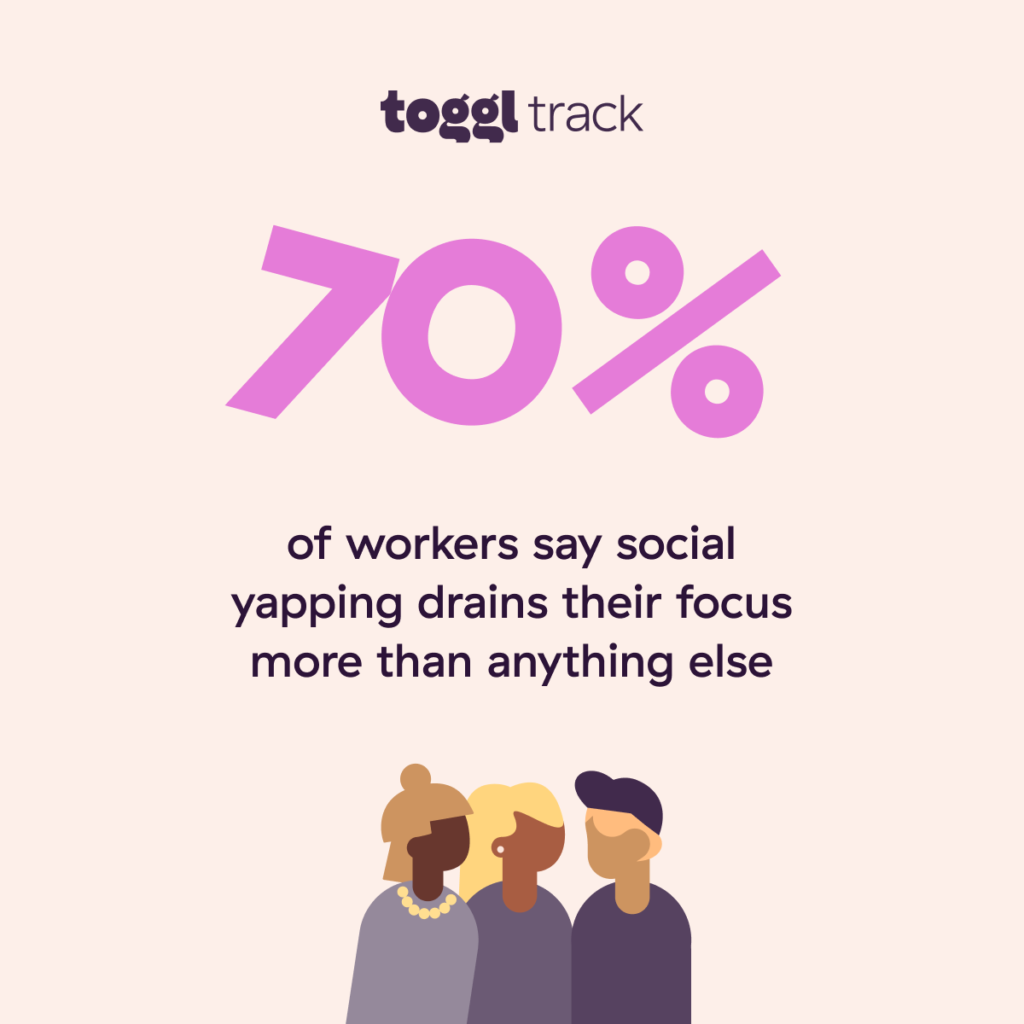
Distractions in the Workplace: Understanding the Impact
In today's fast-paced digital world, distractions have become an increasing challenge for workers worldwide. A distraction is defined as the process of diverting the attention of an individual or group from a desired area of focus, thereby blocking or diminishing the reception of desired information. While distractions can be minor annoyances, they can significantly impact performance and mental health in the workplace.
Common Distractions in the Workplace
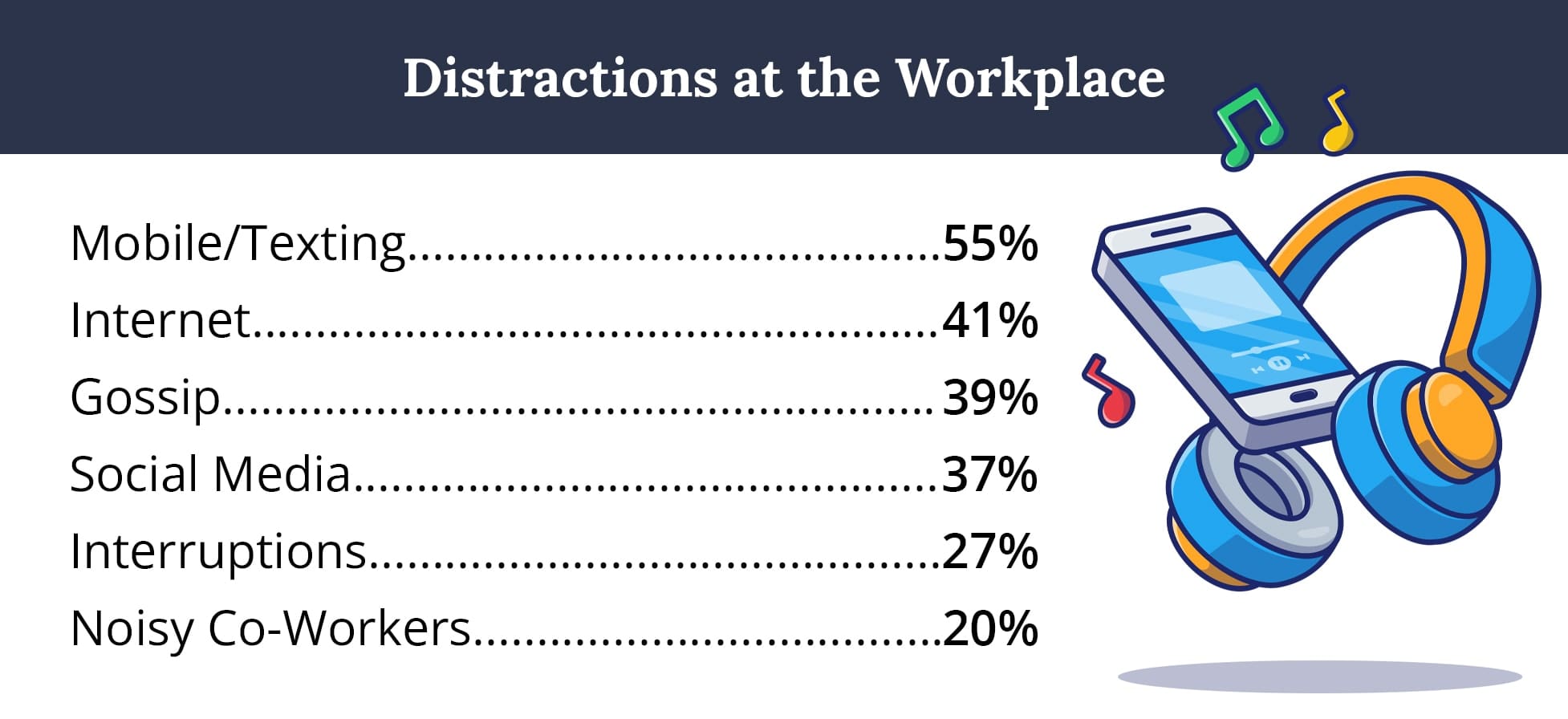
Distractions can come in various forms, including:
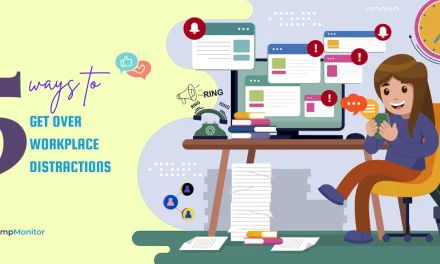
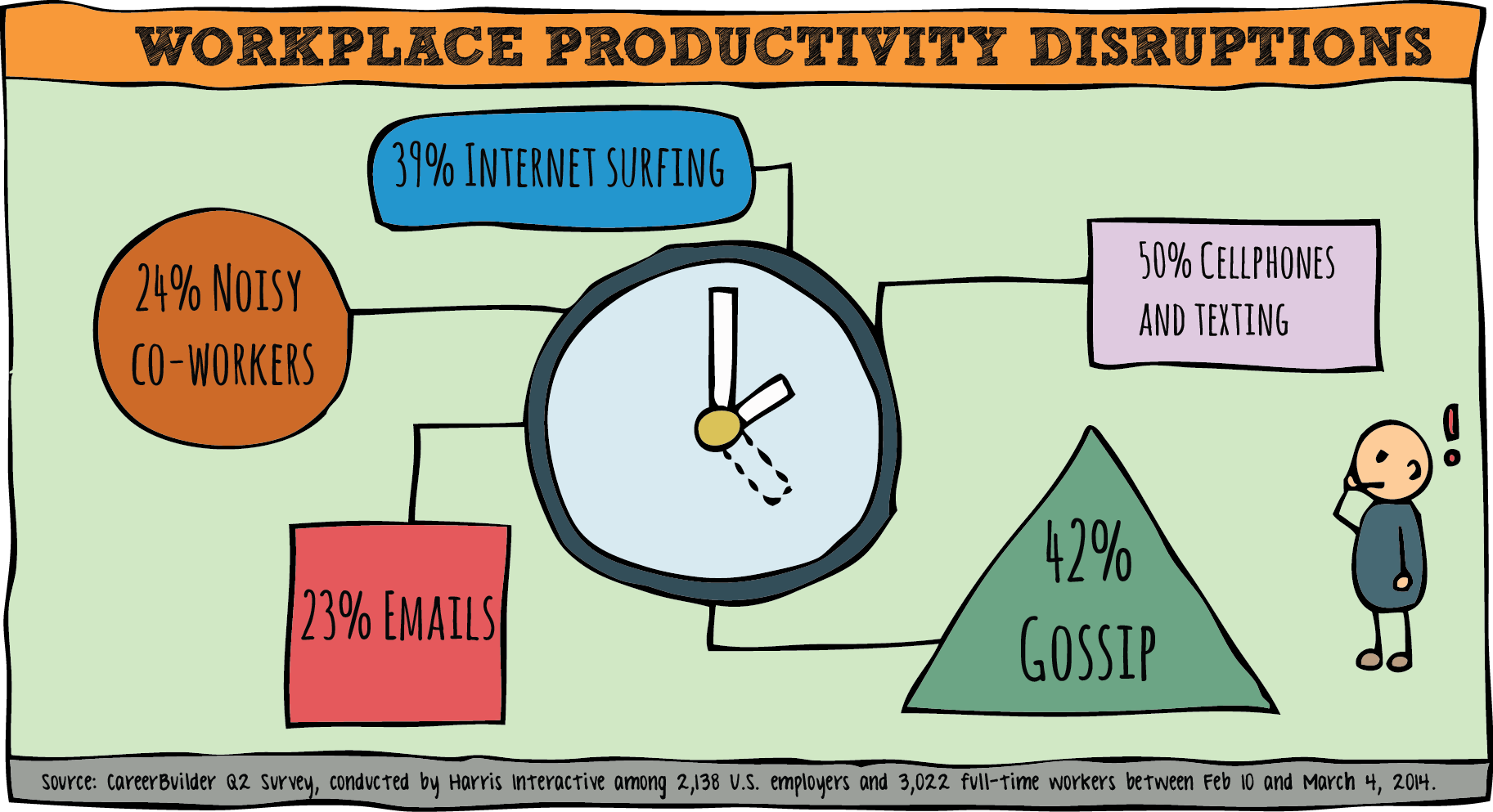
- Technology-related distractions, such as social media, email, and instant messaging
- Noise and visual distractions, such as open-plan spaces and visual clutters
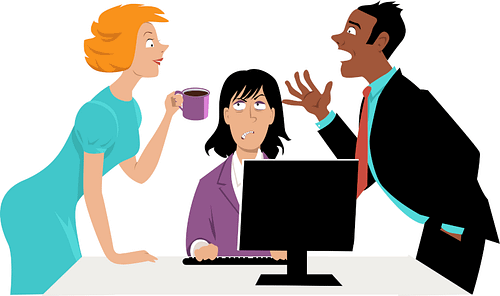
- Colleagues and meetings
- Personal tasks and stress
- Digital pings and notifications
- Office space and ergonomics
Impact of Distractions on Performance and Mental Health
Distractions can lead to a reduced attention span, decreased productivity, and negatively impact the quality of work. According to a study, the average employee is interrupted 50 to 60 times per day, resulting in lost productivity and decreased job satisfaction. Moreover, distractions can also affect the overall well-being of employees, contributing to stress, anxiety, and burnout.
Minimizing Distractions at the Workplace
Minimizing distractions is crucial to maintaining a productive and efficient work environment. Some strategies to minimize distractions include:
- Implementing noise-canceling headphones or white noise apps
- Designating specific areas for work and study
- Setting clear boundaries and expectations for work hours and interruptions
- Encouraging employees to take breaks and practice self-care
- Providing training on organizational skills and time management
Combating Distractions in the Workplace
Business owners and team leaders can take proactive steps to minimize distractions and promote a culture of productivity and focus. This can include:
- Identifying and addressing the root causes of distractions
- Implementing targeted strategies to reduce digital pings and notifications
- Encouraging open communication and feedback
- Providing resources and support for employees to manage stress and anxiety
- Leading by example and promoting a culture of productivity and focus
Conclusion
Distractions in the workplace are a persistent challenge that can impact performance and mental health. By understanding the causes and effects of distractions and implementing strategies to minimize them, businesses can promote a culture of productivity and focus. By taking proactive steps to manage distractions, we can improve job satisfaction, reduce stress, and increase overall well-being.