Email Protection and Security: The Ultimate Guide to Safeguarding Your Inbox
Email protection and security have become a top concern for individuals and organizations alike. With the rise of phishing, ransomware, and other advanced threats, it's essential to have a robust email security solution in place to protect your inbox from malicious attacks.
The Importance of Email Security
Email security is critical because it's often the primary attack vector for cyber threats. A single compromised email account can lead to a breach of sensitive information, financial loss, and damage to your organization's reputation.
Types of Email Threats
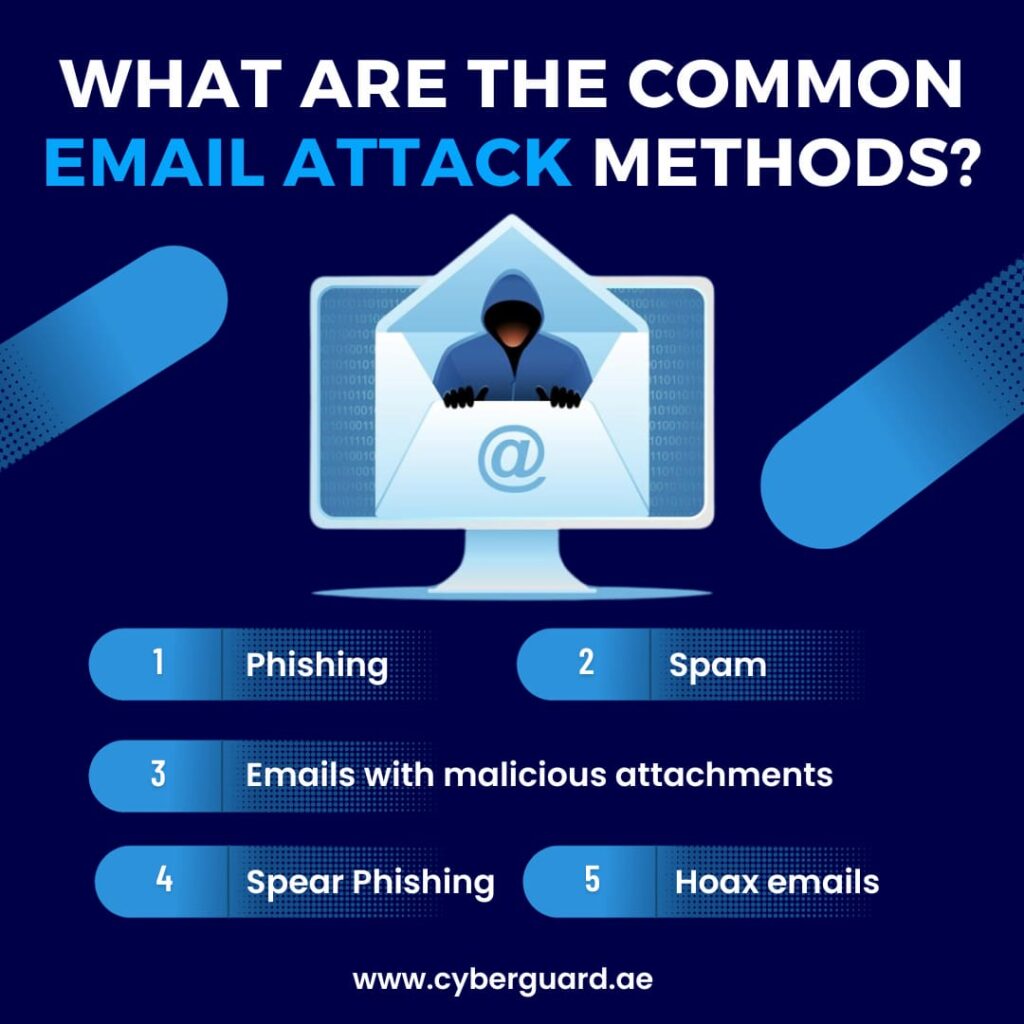
There are several types of email threats that you should be aware of, including:
- Phishing attacks: These involve tricking users into revealing sensitive information, such as passwords or credit card numbers.
- Ransomware attacks: These involve encrypting files and demanding payment in exchange for the decryption key.
- Malware attacks: These involve spreading malware through email attachments or links.
- Spam attacks: These involve sending large volumes of unsolicited emails to overwhelm email servers and users.
Email Security Solutions
To protect your inbox from these threats, you need an email security solution that provides comprehensive multi-layered protection. Here are some of the top email security solutions:
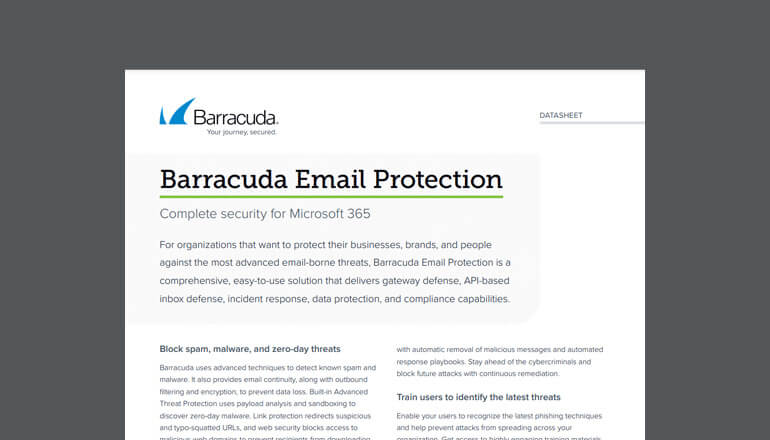
- Barracuda Email Protection: This solution delivers AI-powered security to keep your organization's email safe from phishing, ransomware, and other advanced threats.
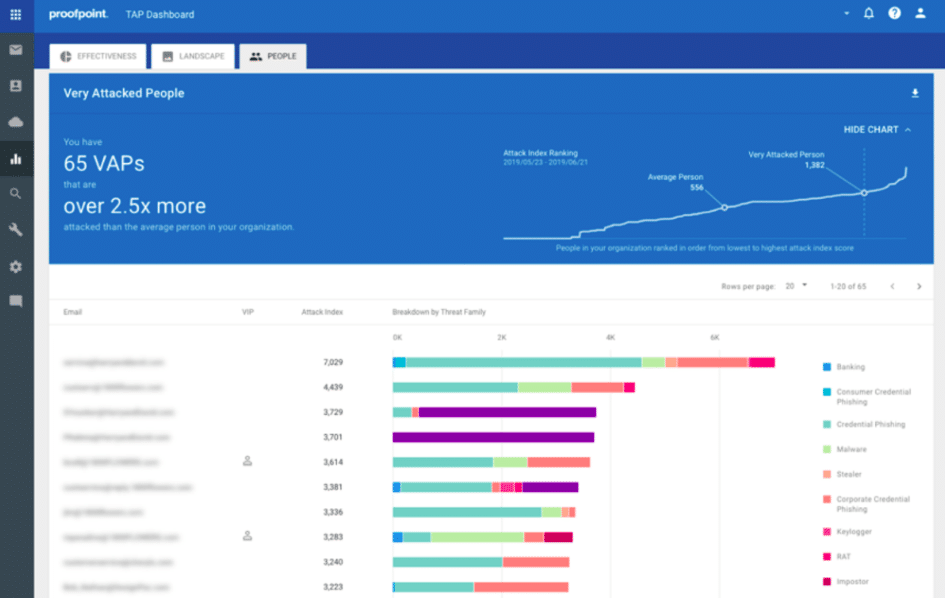
- Proofpoint Threat Protection: This solution stops 99.99% of all threats, including human-targeted attacks.
- Microsoft Defender for Office 365: This solution provides robust zero-day protection and includes features to safeguard your organization from harmful links in real-time.
Email Security Features
When evaluating email security solutions, look for the following features:
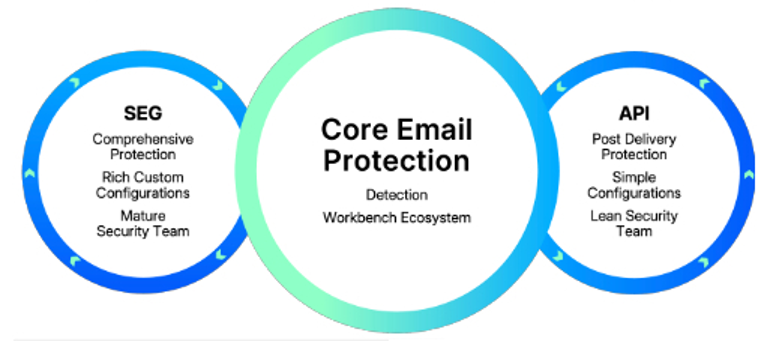
- Gateway filtering: This involves scanning emails for malware and spam before they reach the user's inbox.
- Inbox defense: This involves scanning emails for phishing and malware after they reach the user's inbox.
- Automated incident response: This involves automatically responding to security incidents, such as phishing attacks.
- Data protection: This involves encrypting emails and attachments to protect sensitive information.
Email Security Best Practices
To supplement your email security solution, follow these best practices:
- Use strong passwords and enable two-factor authentication.
- Be cautious of unsolicited emails and never click on suspicious links or attachments.
- Use email encryption to protect sensitive information.
- Regularly update your email security solution and software.
Conclusion
Email protection and security are critical components of any organization's overall security strategy. By understanding the types of email threats, evaluating email security solutions, and following best practices, you can safeguard your inbox from malicious attacks and protect your organization's sensitive information.
Additional Resources
For more information on email security, check out these additional resources:
- Microsoft Security Response Center Blog
- Guardio
- BBB