The Causes of FOMO at Work: Understanding the Impact on Employee Health and Performance
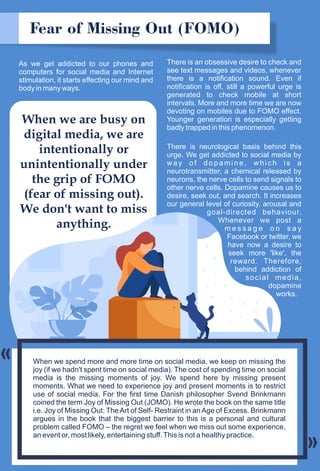
Fear of missing out (FOMO) is a growing problem that affects not only our personal lives but also our professional well-being. The constant stream of social media updates, notifications, and messages can create a sense of anxiety and unease, making it difficult for employees to focus on their work. In this article, we'll explore the causes of FOMO at work and its impact on employee health and performance.
The Role of Social Media in FOMO at Work
Social media has become an integral part of our daily lives, and it's no exception in the workplace. The constant visibility of colleagues' and colleagues' social media updates can create a sense of FOMO, making employees feel like they're missing out on important events, opportunities, or social interactions. This can lead to increased stress levels, reduced job satisfaction, and burnout.
- Perceived Inequality**: When employees see their colleagues sharing exciting news or accomplishments on social media, it can create a sense of FOMO, making them feel like they're not living up to their peers.
- Comparison Culture**: Social media platforms often present a curated version of others' lives, making it easy to compare and feel inferior. This can lead to feelings of inadequacy and decreased self-esteem.
- Constant Connectivity**: The need to stay connected and respond to messages, emails, and notifications can create a sense of FOMO, making employees feel like they're missing out on important communications.
The Impact of FOMO on Employee Health and Performance
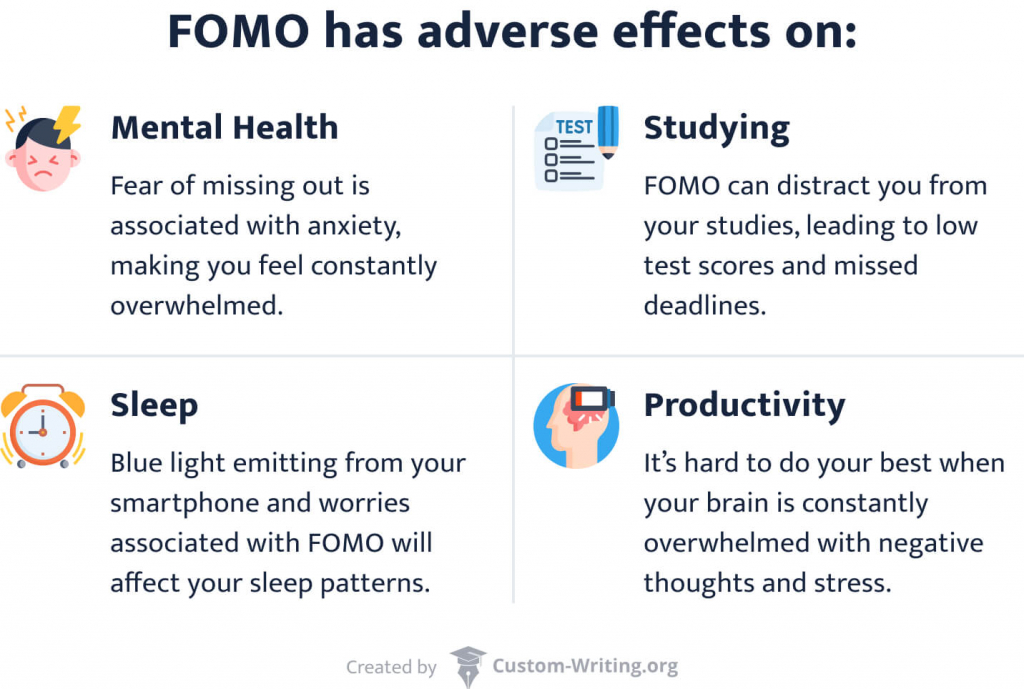
FOMO at work can have detrimental effects on an employee's mental and physical health, including:

- Increased Stress Levels**: FOMO can create a sense of anxiety and unease, leading to increased stress levels and decreased productivity.
- Reduced Job Satisfaction**: Feeling like you're missing out on important events or opportunities can lead to decreased job satisfaction and a sense of disconnection from the workplace.
- Burnout**: The constant pressure to stay connected and respond to messages can lead to burnout, making employees feel exhausted, drained, and depleted.
- Decreased Productivity**: FOMO can distract employees from their work, leading to decreased productivity and reduced job performance.
Strategies to Manage FOMO at Work
While FOMO at work can be challenging to manage, there are strategies that can help employees reduce their FOMO and improve their overall well-being:
- Set Boundaries**: Establish clear boundaries around work hours and personal time to reduce the pressure to stay connected.
- Practice Self-Care**: Engage in activities that promote relaxation and stress reduction, such as meditation, yoga, or deep breathing exercises.
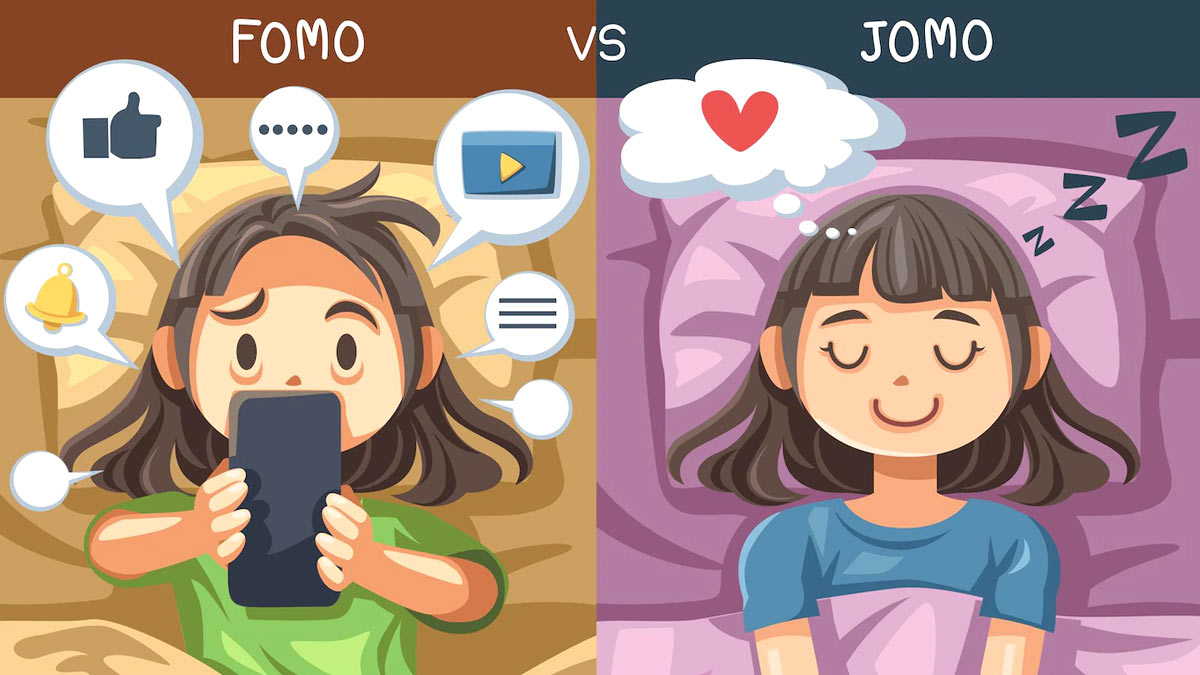
- Disconnect from Social Media**: Take regular breaks from social media to reduce the constant stream of updates and notifications.
- Focus on Work**: Prioritize work tasks and avoid distractions to improve productivity and job satisfaction.
Conclusion
The causes of FOMO at work are complex and multifaceted, involving social media, perceived inequality, comparison culture, and constant connectivity. FOMO can have detrimental effects on employee health and performance, leading to increased stress levels, reduced job satisfaction, and burnout. By understanding the causes of FOMO at work and implementing strategies to manage it, employees can reduce their FOMO and improve their overall well-being.
.png "Fear of Missing Out (FOMO): Some Causes and Solutions")