The Best Exercises During Pregnancy: A Guide for Expectant Mothers
Staying active during pregnancy is essential for maintaining overall health and preparing the body for labor. However, it's crucial to choose exercises that are safe and beneficial for both the mother and baby. Gentle, low-impact exercises can help improve circulation, alleviate discomfort, and strengthen muscles, while also boosting energy levels and reducing stress.
The Benefits of Exercise During Pregnancy
Regular exercise provides multiple health benefits during pregnancy. It can help reduce the symptoms of discomfort, manage certain prenatal health conditions, and help with recovery after your baby is born. For example, exercise can be used as part of treatment for women with gestational diabetes, which is a condition that affects up to 9% of pregnant women in the United States.
Exercises During Pregnancy by Trimester
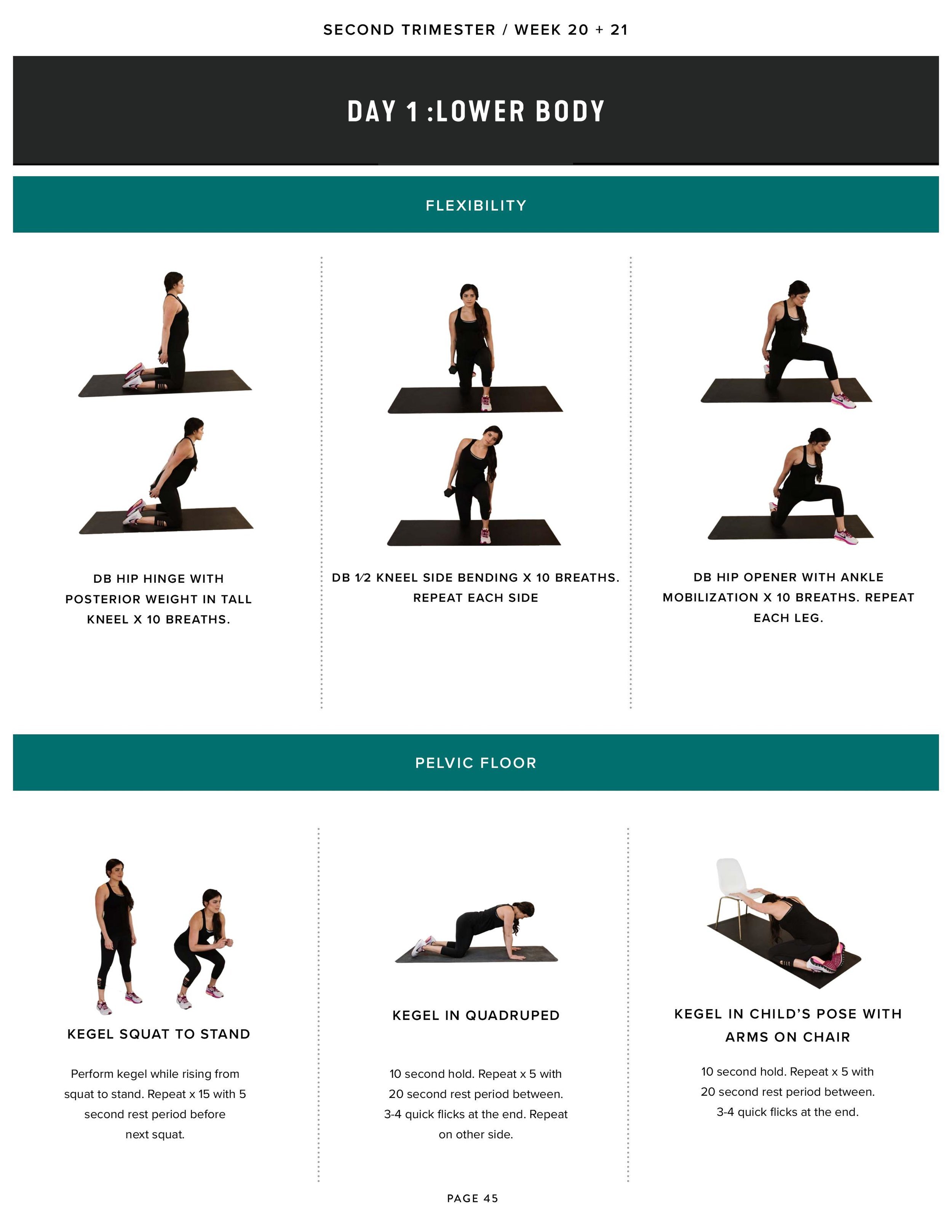
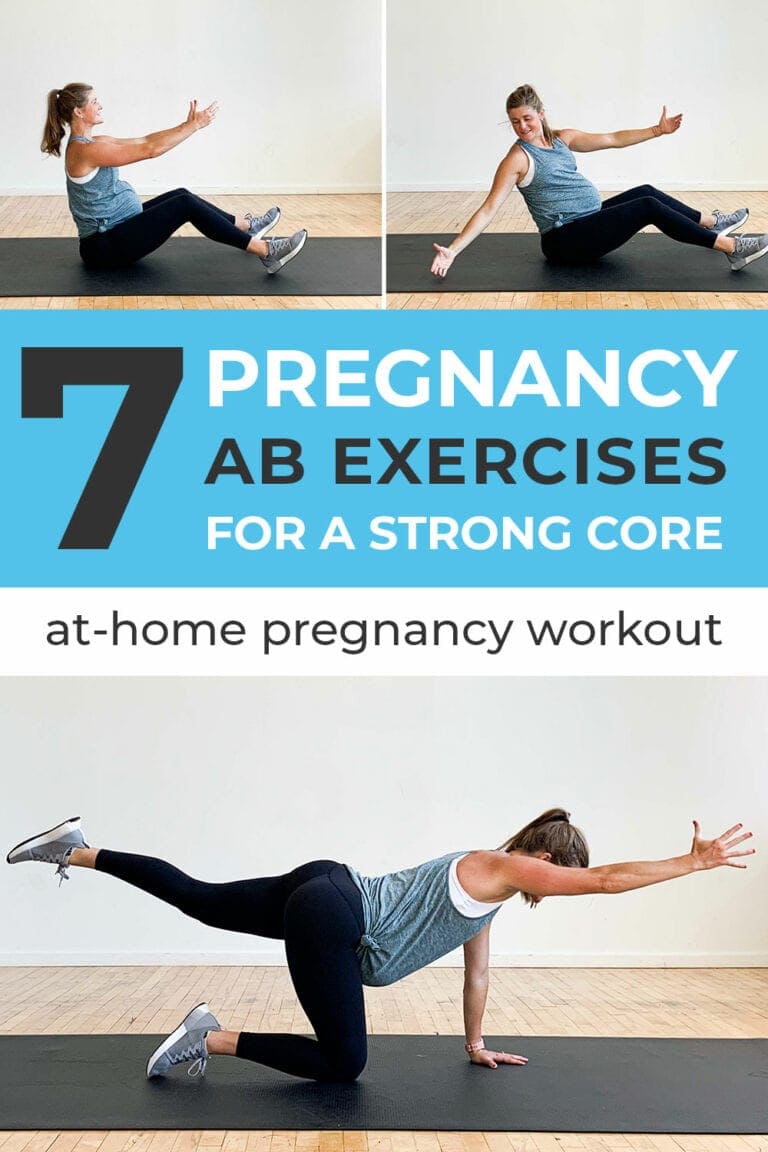
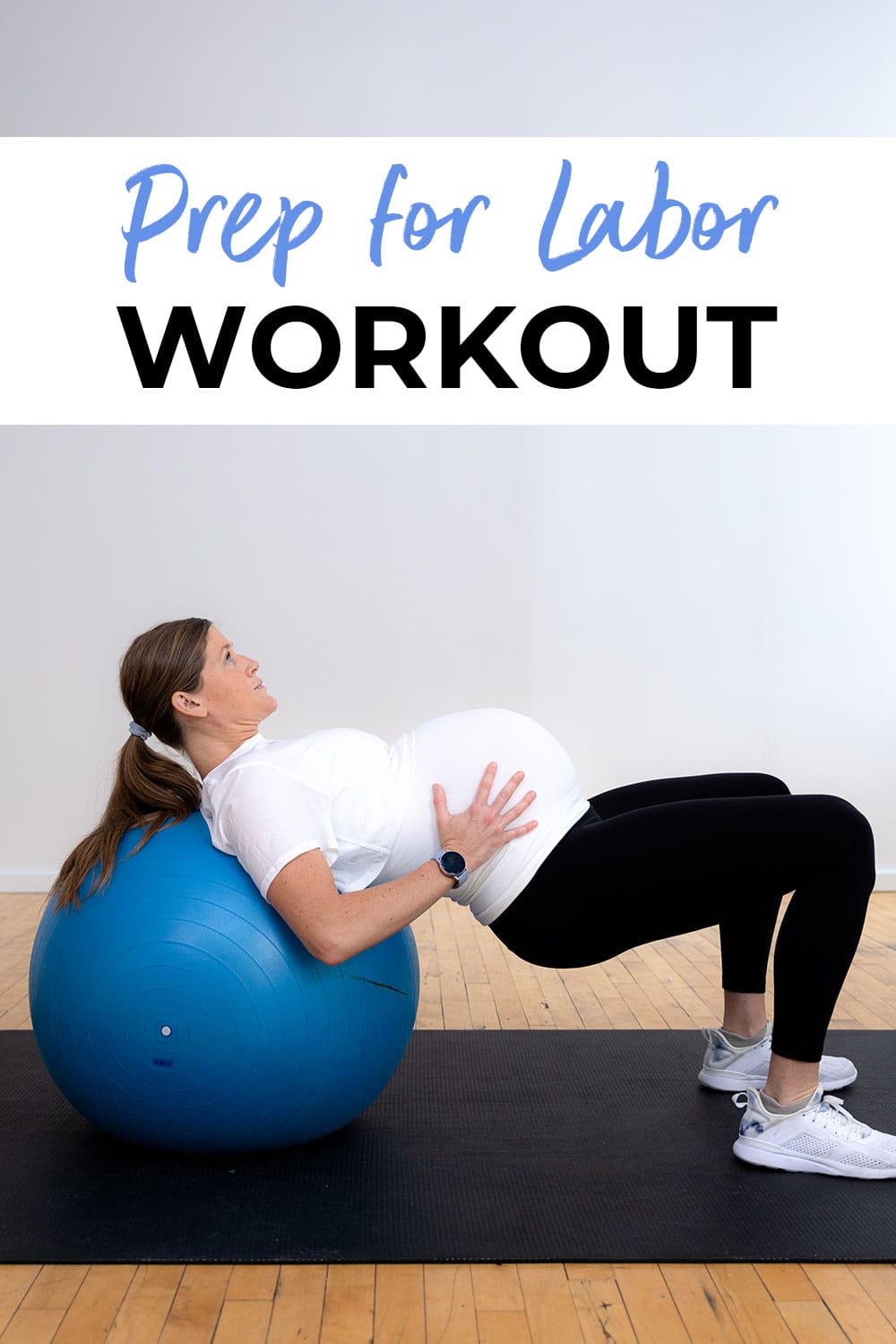
The best pregnancy exercises focus on hip and core strength, as well as balance and pelvic floor strengthening. These exercises can be modified to suit your needs and fitness level, and they can be done at home or in a gym setting. Here are some safe and effective exercises to try during each trimester:
First Trimester (Week 1-12)
- Pelvic tilts: Stand with your feet shoulder-width apart and your hands on your hips. Tilt your pelvis upwards and then back down again, repeating the motion for 10-15 repetitions.
- Kegels: Sit comfortably with your feet on the floor and your hands on your knees. Squeeze your pelvic muscles and hold for 5-10 seconds, then release.
- Leg lifts: Lie on your back with your arms at your sides and lift one leg 6-8 inches off the ground. Hold for 5-10 seconds and then lower it back down.
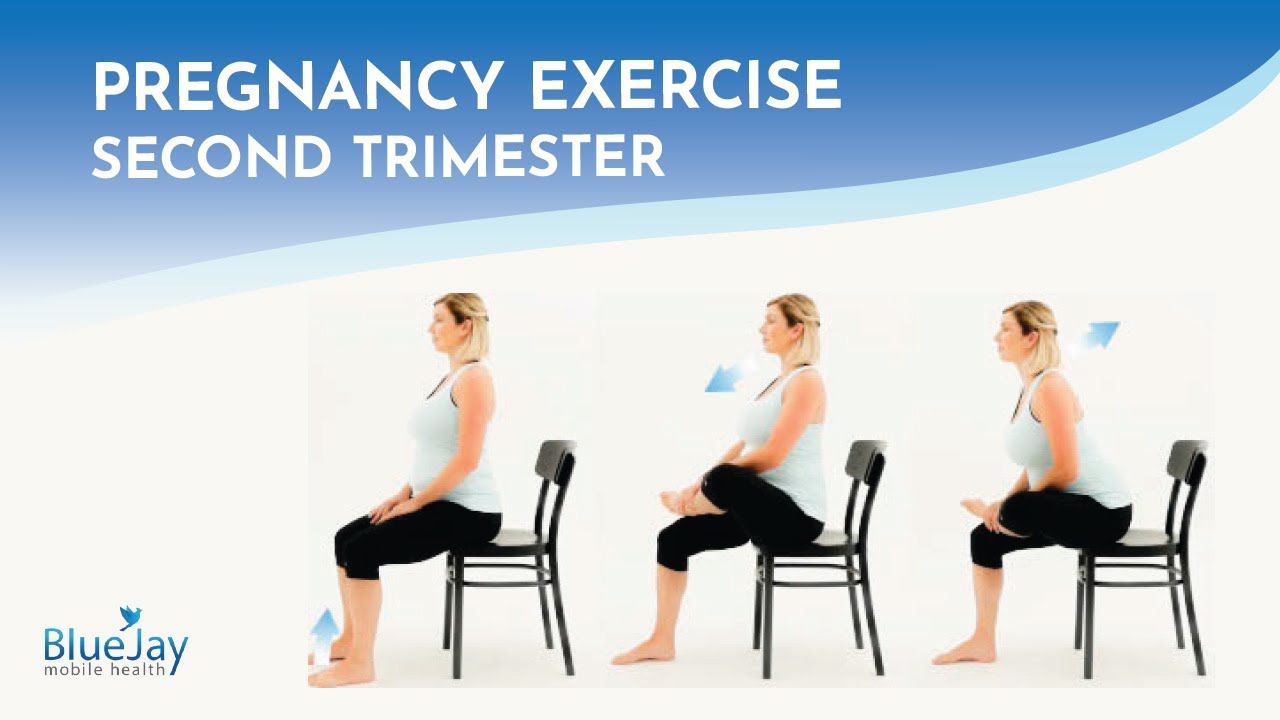
Second Trimester (Week 13-26)
- Swimming: Swimming is a great low-impact exercise that can help strengthen your muscles and improve your circulation.
- Cycling: Cycling is another low-impact exercise that can help improve your cardiovascular health and strengthen your legs.
- Bodyweight squats: Stand with your feet shoulder-width apart and your hands on your hips. Lower your body down into a squat, keeping your back straight and your knees behind your toes.
Third Trimester (Week 27-40)

- Walking: Walking is a great low-impact exercise that can help improve your circulation and strengthen your muscles.
- Stair climbing: Stair climbing is a great exercise for strengthening your legs and improving your cardiovascular health.
- Pelvic floor exercises: Pelvic floor exercises, such as Kegels and pelvic tilts, can help strengthen your pelvic floor muscles and improve your bladder control.
Safe Exercises During Pregnancy
While it's essential to choose exercises that are safe and beneficial during pregnancy, there are some exercises that should be avoided. These include:
- Contact sports: Avoid any contact sports, such as soccer or basketball, as they can increase your risk of injury.
- High-impact exercises: Avoid high-impact exercises, such as running or jumping, as they can put a lot of stress on your joints and muscles.
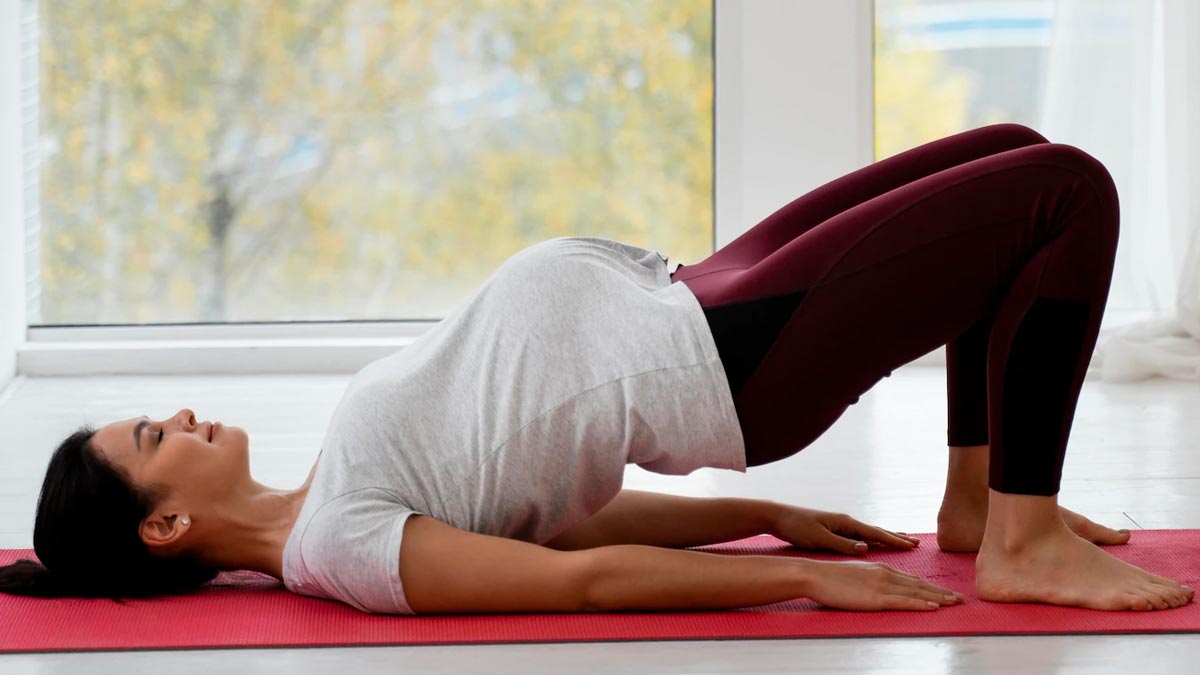
- Exercises that involve lying on your back: Avoid exercises that involve lying on your back after the first trimester, as they can cause your baby to put pressure on your vena cava.
Getting Started with Exercise During Pregnancy
Before starting any exercise program during pregnancy, it's essential to consult with your healthcare provider. They can help you determine the best exercises for your needs and fitness level, and they can also provide guidance on how to modify exercises to suit your pregnancy.
Remember to always listen to your body and stop exercising if you experience any discomfort or pain. It's also essential to stay hydrated and wear comfortable clothing during exercise.
Conclusion
Exercise is an essential part of a healthy pregnancy, and it can provide numerous benefits for both the mother and baby. By choosing safe and effective exercises during each trimester, expectant mothers can help prepare their body for labor and reduce their risk of complications. Remember to consult with your healthcare provider before starting any exercise program during pregnancy, and always listen to your body and stop exercising if you experience any discomfort or pain.










:max_bytes(150000):strip_icc()/Parents-GettyImages-643997575-1c73661a9316423584a066d76a6ffddc.jpg "Diastasis Recti (Abdominal Separation): Causes & Treatment")