The Dark Side of Pleasure: Understanding Dopamine Loop Addiction
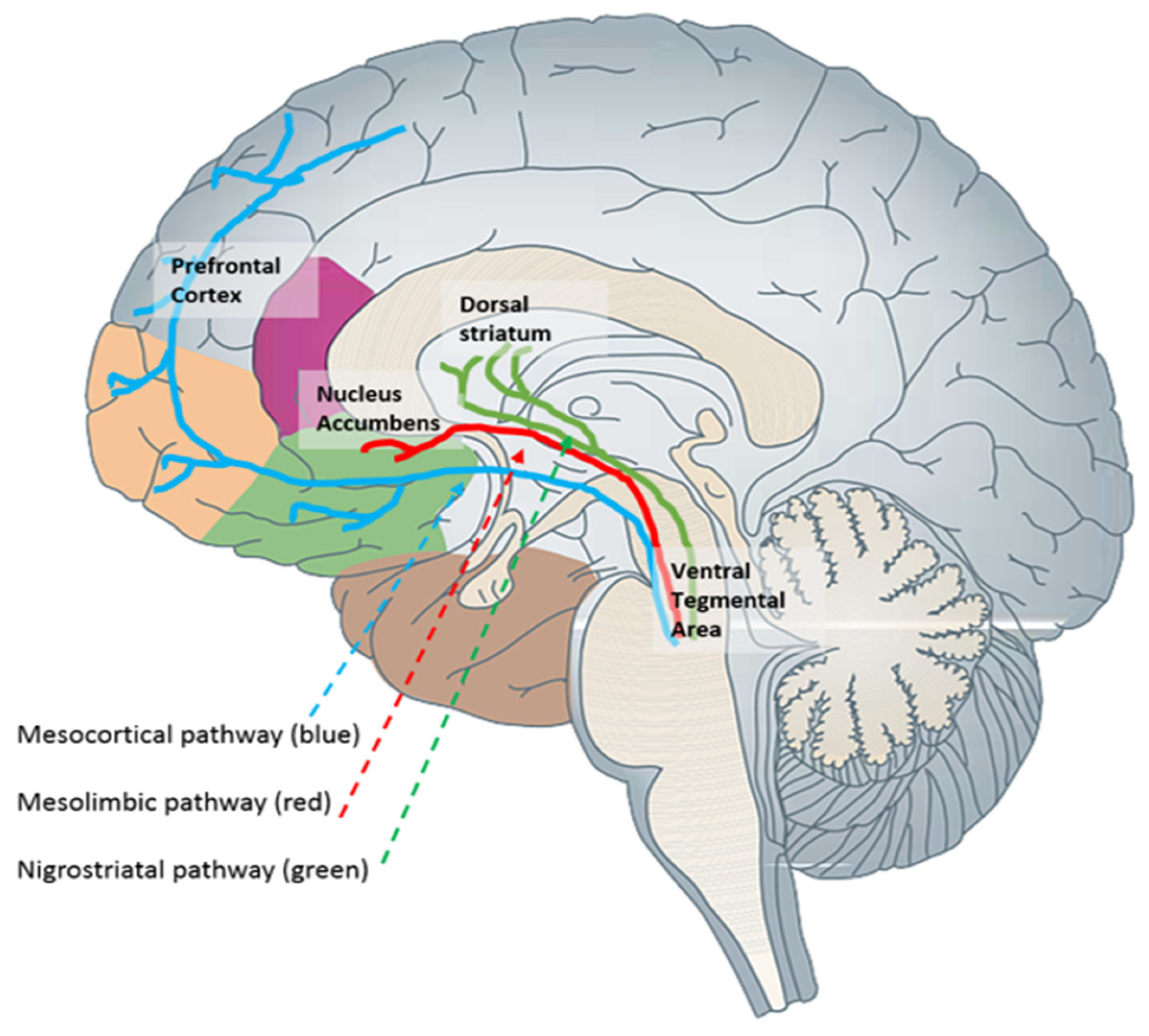
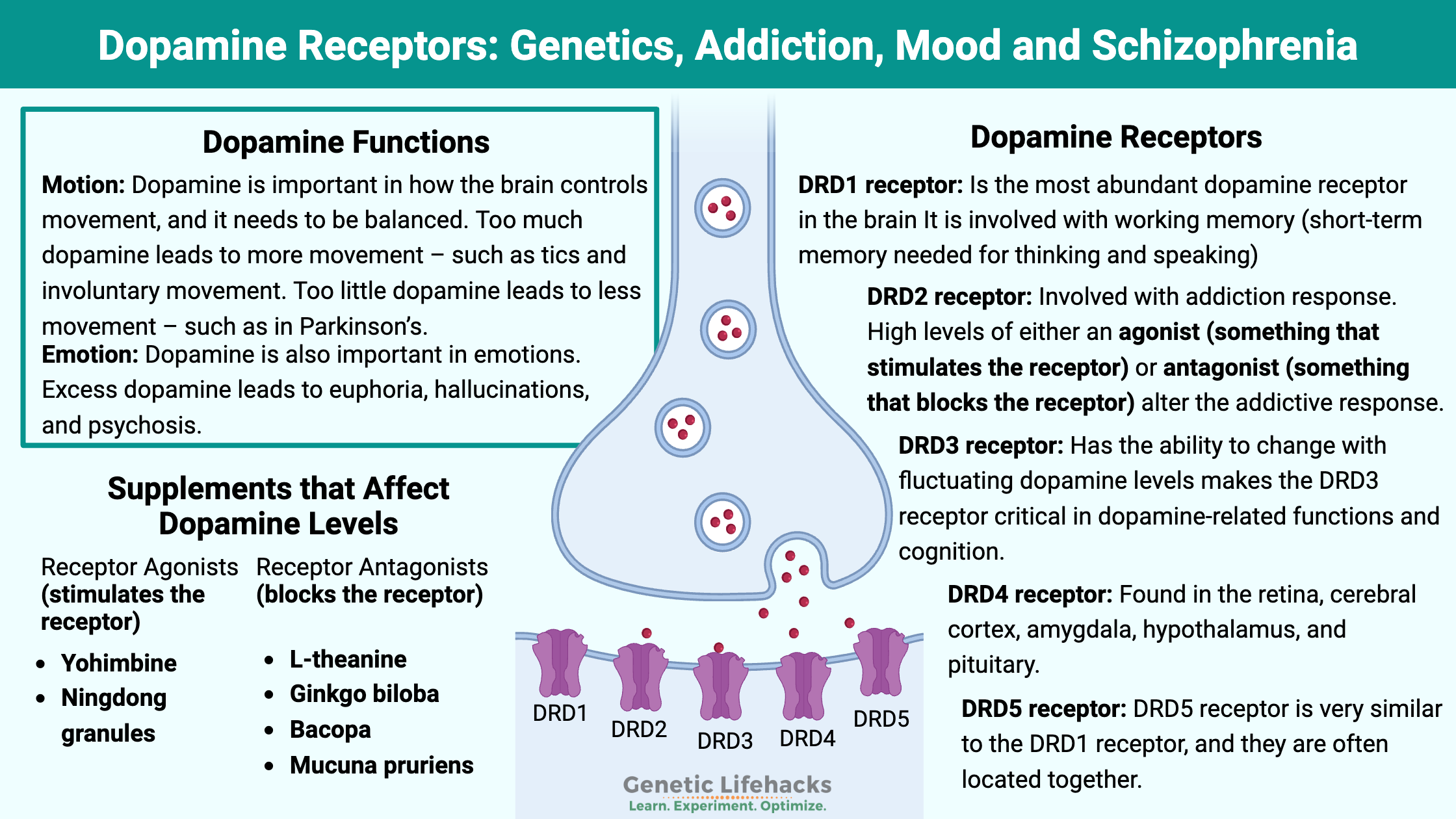
Dopamine, often referred to as the "pleasure molecule," plays a crucial role in our brain's reward system. It's the substance responsible for the feelings of pleasure and satisfaction we experience when we engage in activities we enjoy, from eating delicious food to having sex. However, an overabundance of dopamine can lead to addiction, as our brain becomes wired to constantly seek out new sources of pleasure. In this article, we'll delve into the world of dopamine loop addiction, exploring what it is, how it works, and how to break free from its grasp.
What is Dopamine Loop Addiction?
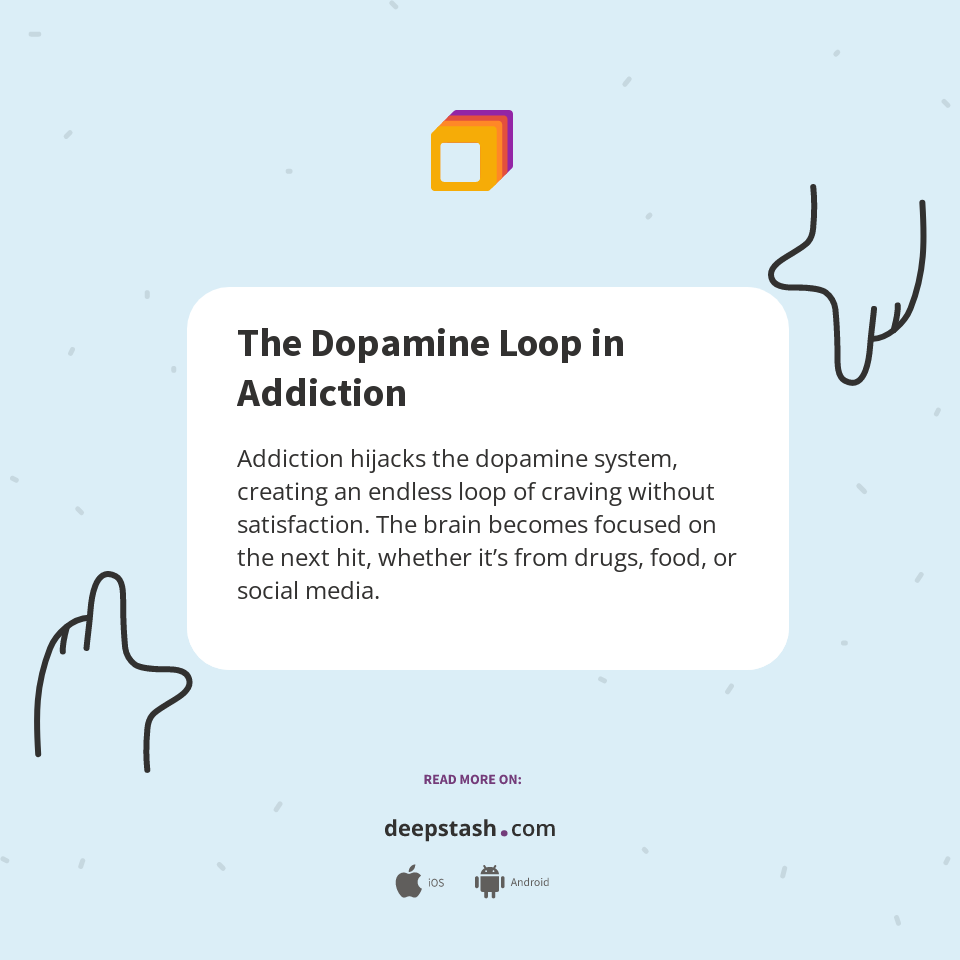
Dopamine loop addiction occurs when our brain becomes dependent on a particular activity or substance to release dopamine, leading to a vicious cycle of craving and consumption. This can happen with anything from social media to sex, food, or even exercise. The key characteristic of dopamine loop addiction is the presence of a trigger, which sets off a chain reaction of behavior and reward, creating a loop that's difficult to break.
The Dopamine Loop: How it Works
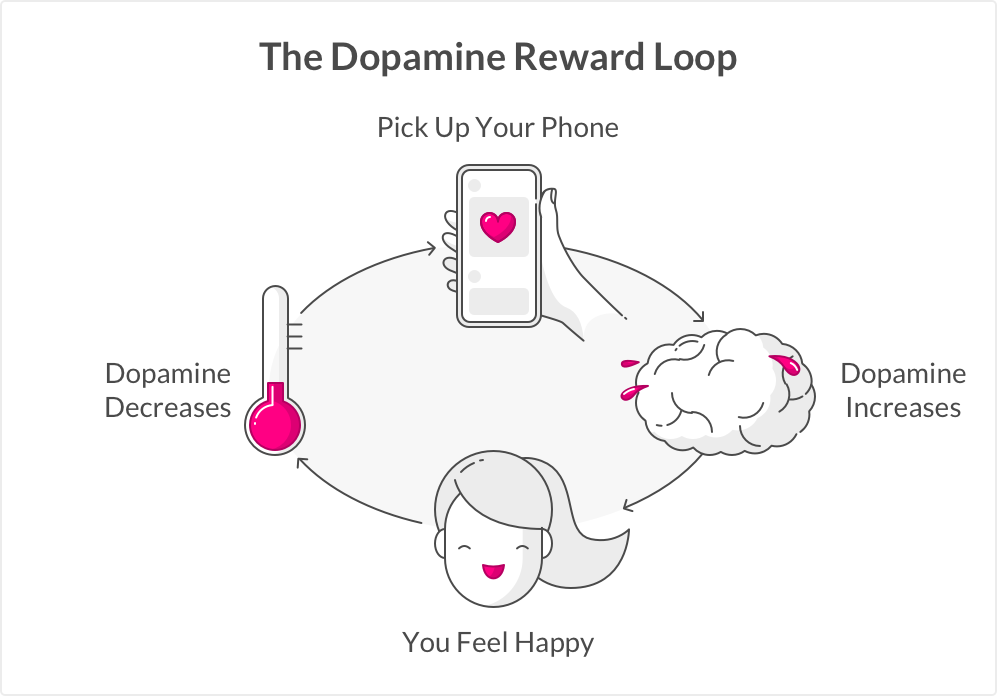
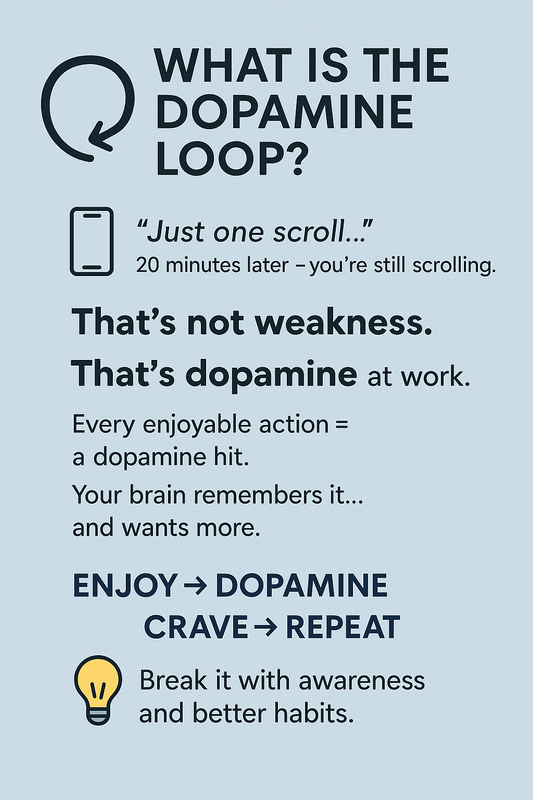
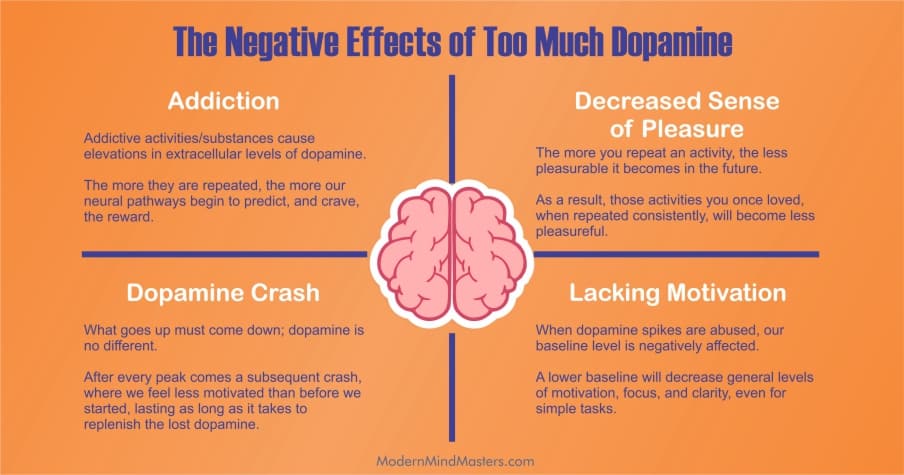
The dopamine loop operates on a simple principle: trigger, behavior, reward. When we engage in an activity we enjoy, our brain releases dopamine, creating a feeling of pleasure. However, with repeated exposure, our brain adapts by reducing its sensitivity to dopamine, leading to a decrease in the perceived reward. To compensate, we seek out more intense or frequent stimuli to release dopamine, creating a vicious cycle of craving and consumption.
The Consequences of Dopamine Loop Addiction
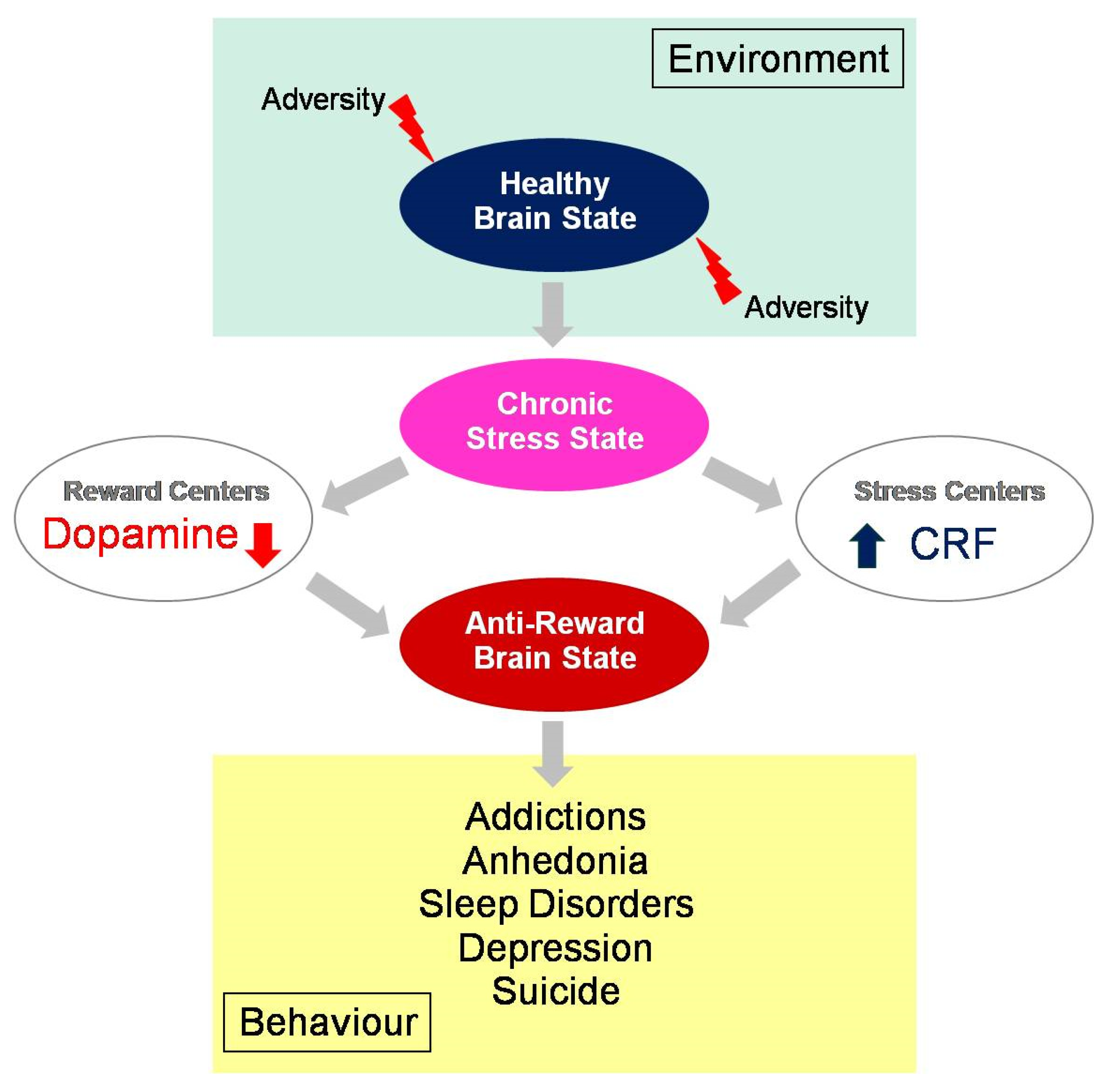
Dopamine loop addiction can have severe consequences on our mental and physical health. Chronic exposure to dopamine-releasing substances or activities can lead to desensitization, causing our brain to require increasingly intense or frequent stimuli to achieve the same level of pleasure. This can result in a range of problems, including:
- Dependence on the substance or activity
- Increased tolerance, leading to higher doses or more frequent consumption
- Withdrawal symptoms when attempting to quit
- Mood swings, anxiety, and depression
- Strained relationships and decreased productivity
Signs of Dopamine Loop Addiction
Recognizing the signs of dopamine loop addiction can be challenging, as they often manifest subtly. However, some common indicators include:
- Spending excessive amounts of time engaging in the activity or consuming the substance
- Feeling anxious or irritable when unable to engage in the activity or consume the substance
- Using the activity or substance as a coping mechanism for stress, anxiety, or other emotions
- Feeling a strong sense of pleasure or relief when engaging in the activity or consuming the substance
- Hiding or lying about the extent of engagement in the activity or consumption of the substance
Breaking the Dopamine Loop
Breaking the dopamine loop requires a comprehensive approach that addresses the underlying causes of addiction. This may involve:
- Seeking professional help from a therapist or counselor
- Identifying and addressing underlying emotional or psychological issues
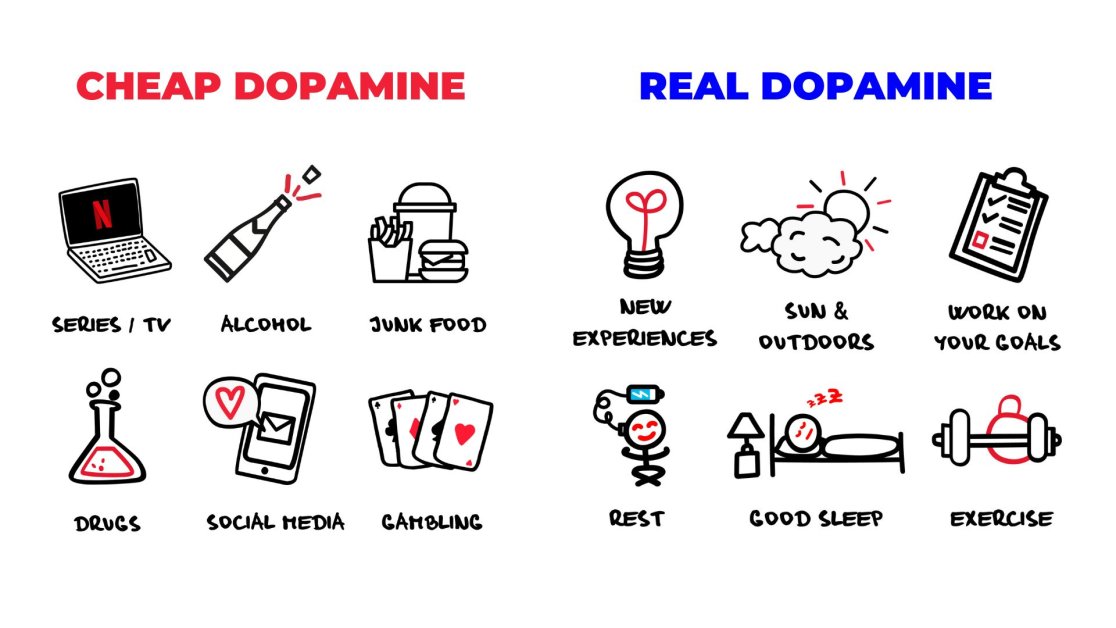
- Developing alternative coping mechanisms, such as exercise or meditation
- Gradually reducing exposure to the substance or activity
- Focusing on building self-esteem and self-worth
Conclusion
Dopamine loop addiction is a complex issue that requires a nuanced understanding of the underlying biology and psychology. By recognizing the signs of addiction and seeking help, individuals can break free from the cycle of craving and consumption. Remember, it's never too late to seek help and start building a healthier, more balanced relationship with dopamine.
Resources
For those struggling with dopamine loop addiction, there are numerous resources available to help. Some recommended resources include:
- The National Institute on Drug Abuse (NIDA)
- The Substance Abuse and Mental Health Services Administration (SAMHSA)
- The American Society of Addiction Medicine (ASAM)
- The International Society of Addiction Medicine (ISAM)
Remember, recovery is possible, and there is hope for a healthier, happier you.