The Ultimate Guide to Electric Motorcycle Batteries
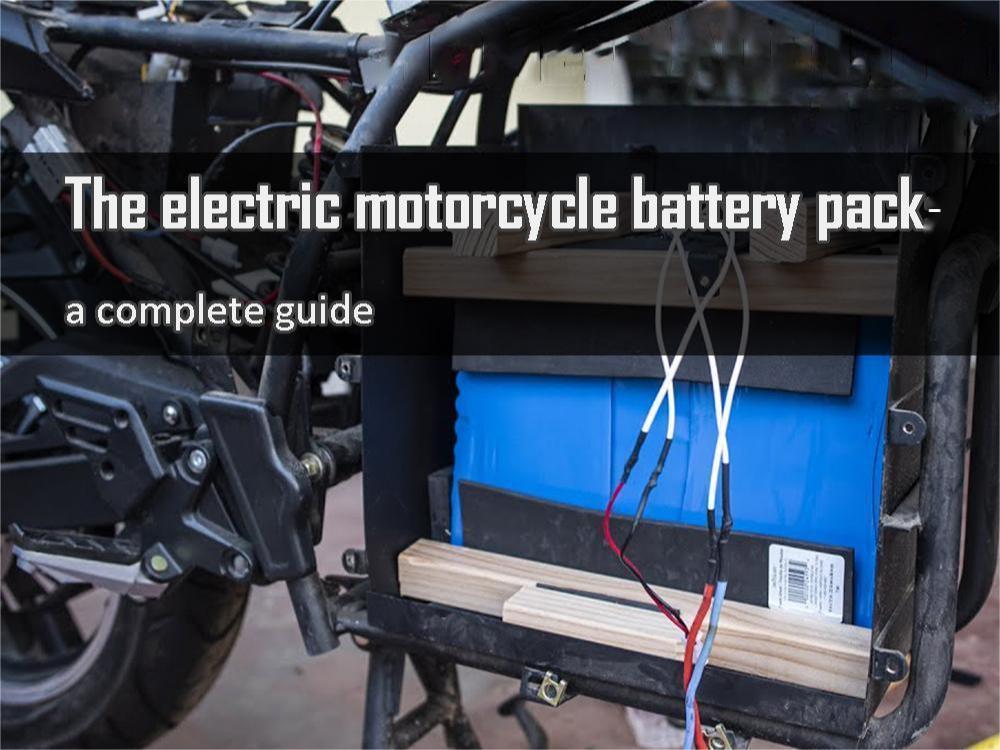
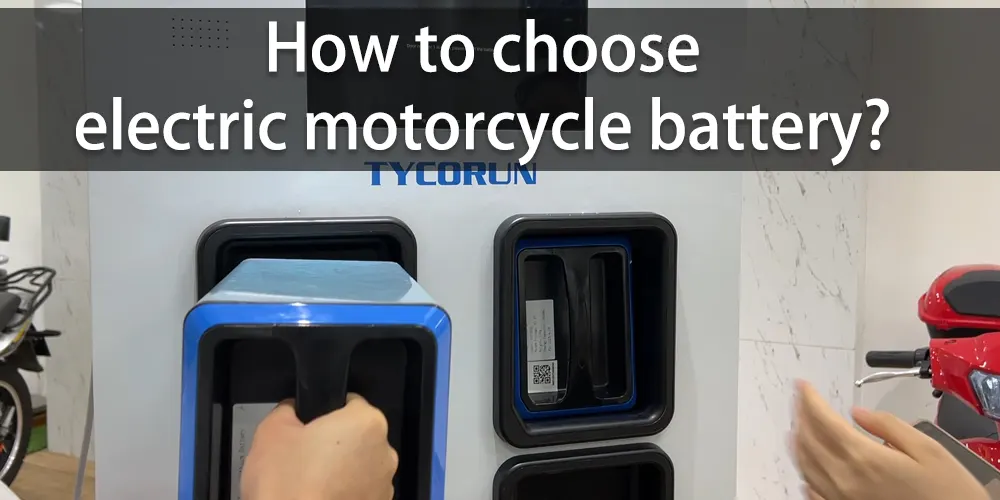
Electric motorcycles have gained significant popularity in recent years, largely due to advancements in battery technology. The battery is the heart of an electric motorcycle, directly influencing its performance, range, and longevity.
What are Electric Motorcycle Batteries?
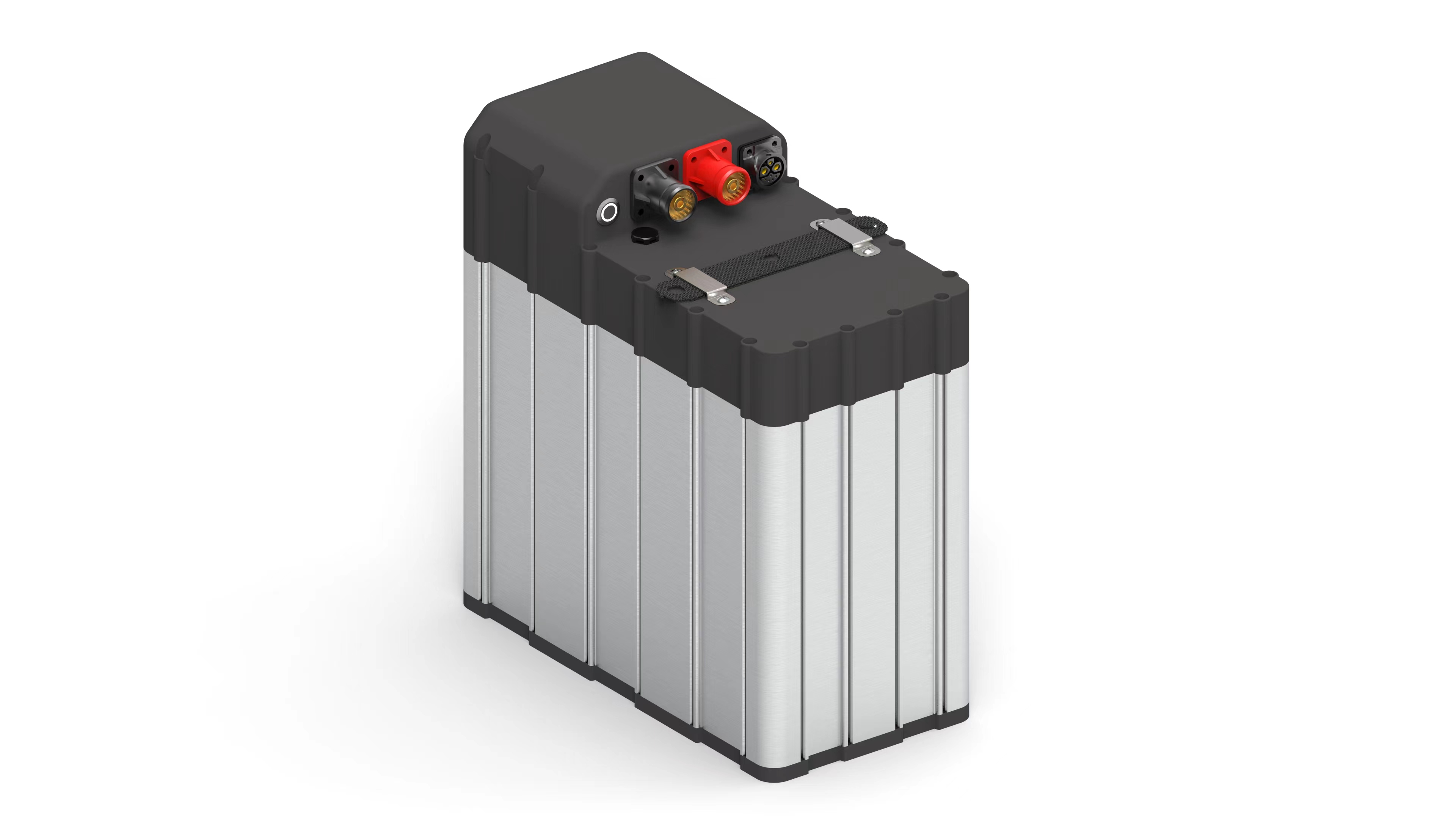
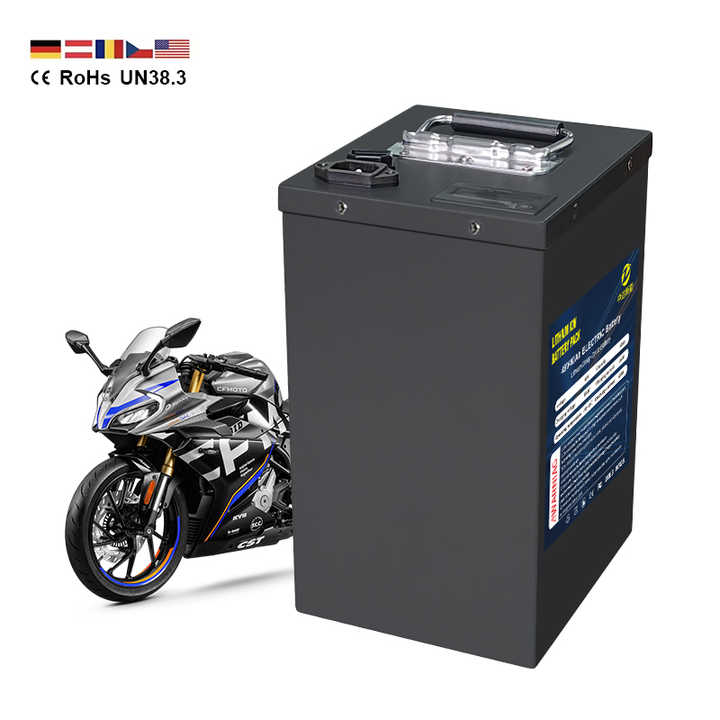
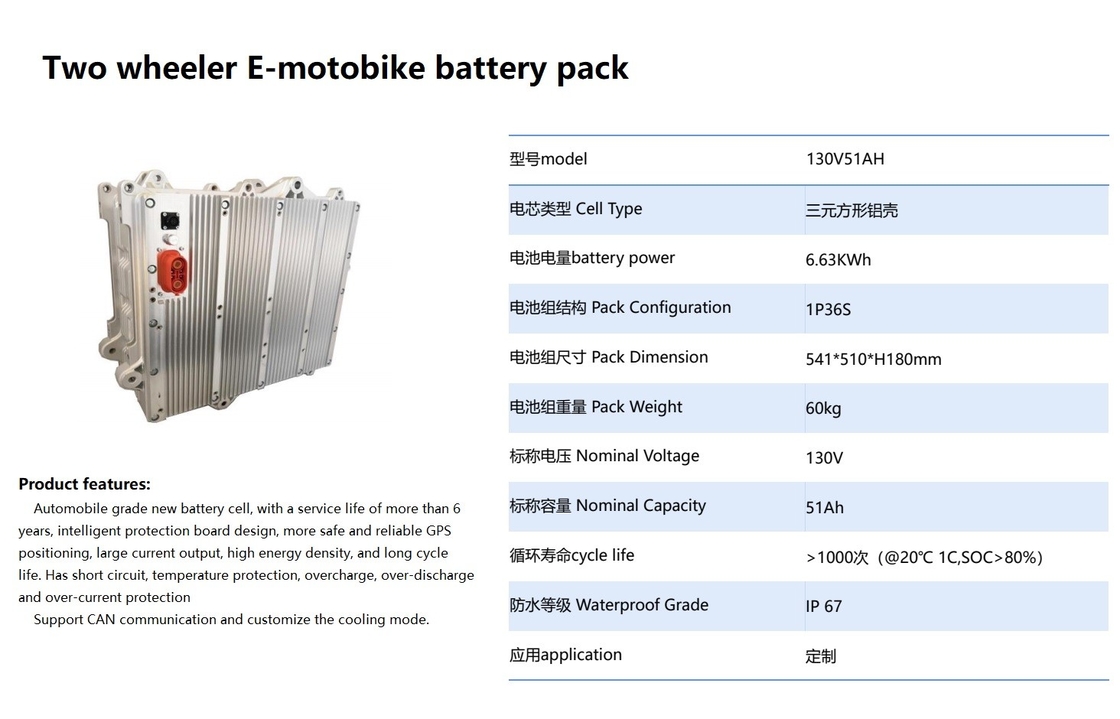
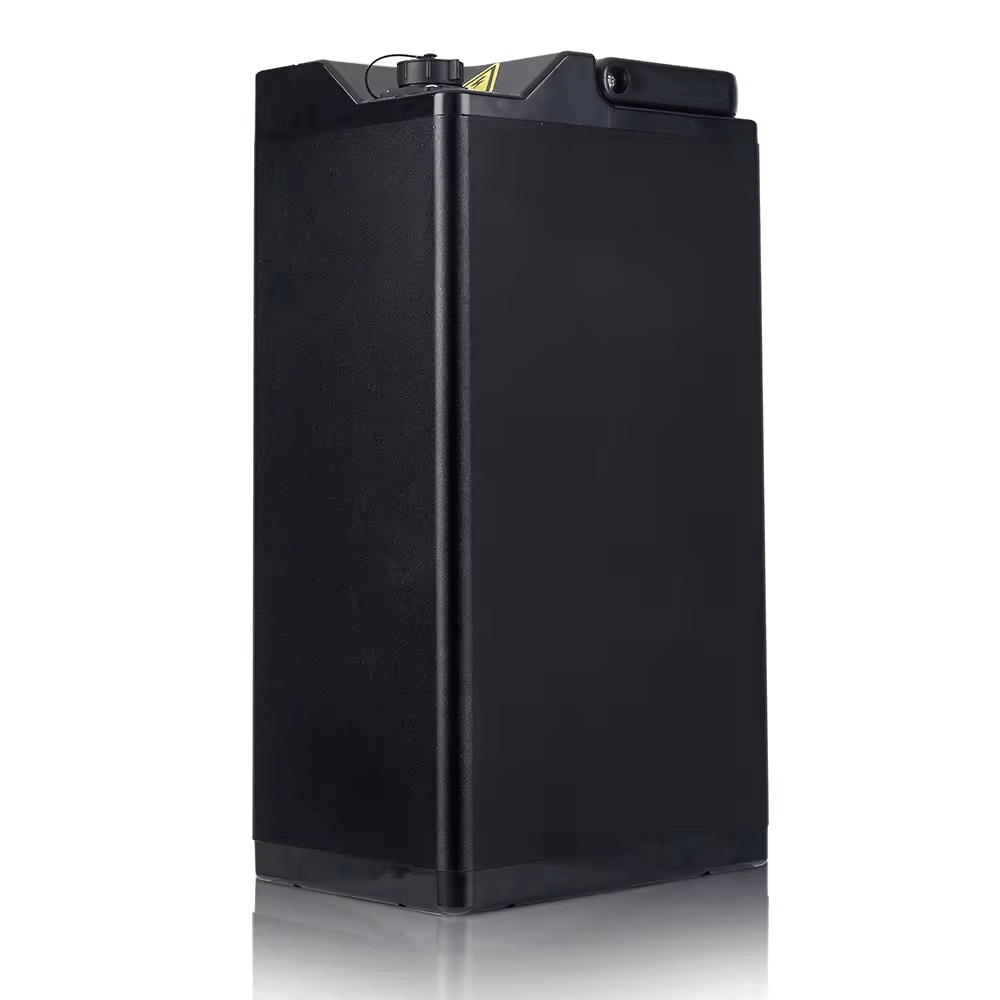
Electric motorcycle batteries are designed to efficiently store energy for electric motorcycles. These batteries are typically made from lithium-ion, lithium-iron phosphate, or other advanced materials, which provide high energy density, fast charging capabilities, and long lifespans.
Types of Electric Motorcycle Batteries
- Lithium-Ion Batteries
- Lithium-Iron Phosphate Batteries
- Lead-Acid Batteries
Lithium-ion batteries are a popular choice for electric motorcycles due to their high energy density, long lifespan, and relatively low weight. They are also known for their fast charging capabilities, making them ideal for riders who need to recharge their batteries quickly.
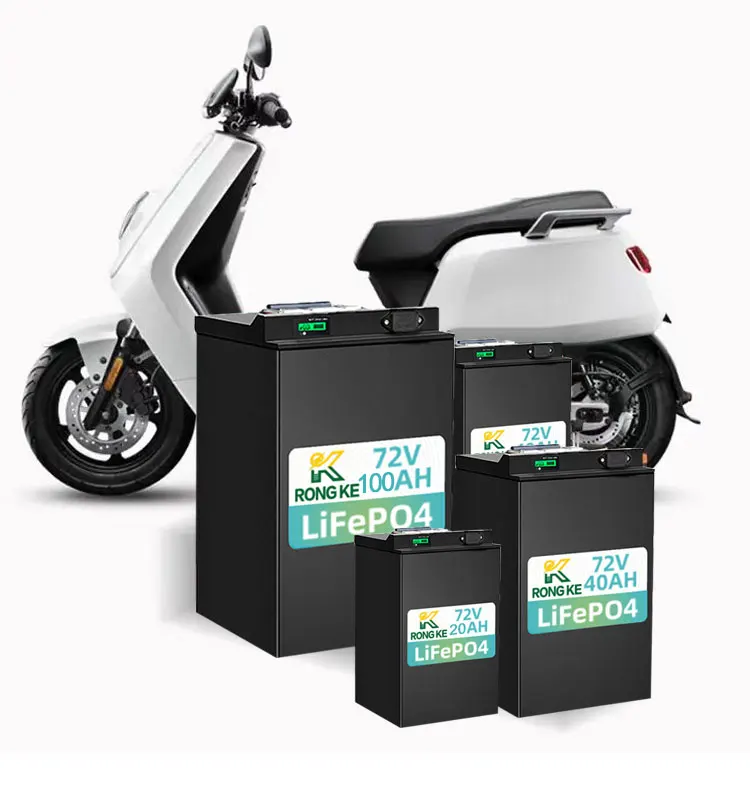
Lithium-iron phosphate batteries are another popular choice for electric motorcycles. They offer improved safety and reliability compared to traditional lithium-ion batteries and are also known for their durability and long lifespan.
Lead-acid batteries are a type of battery that uses lead plates and sulfuric acid to store energy. They are commonly used in traditional motorcycles but are not ideal for electric motorcycles due to their lower energy density and shorter lifespan.
Factors to Consider when Choosing Electric Motorcycle Batteries
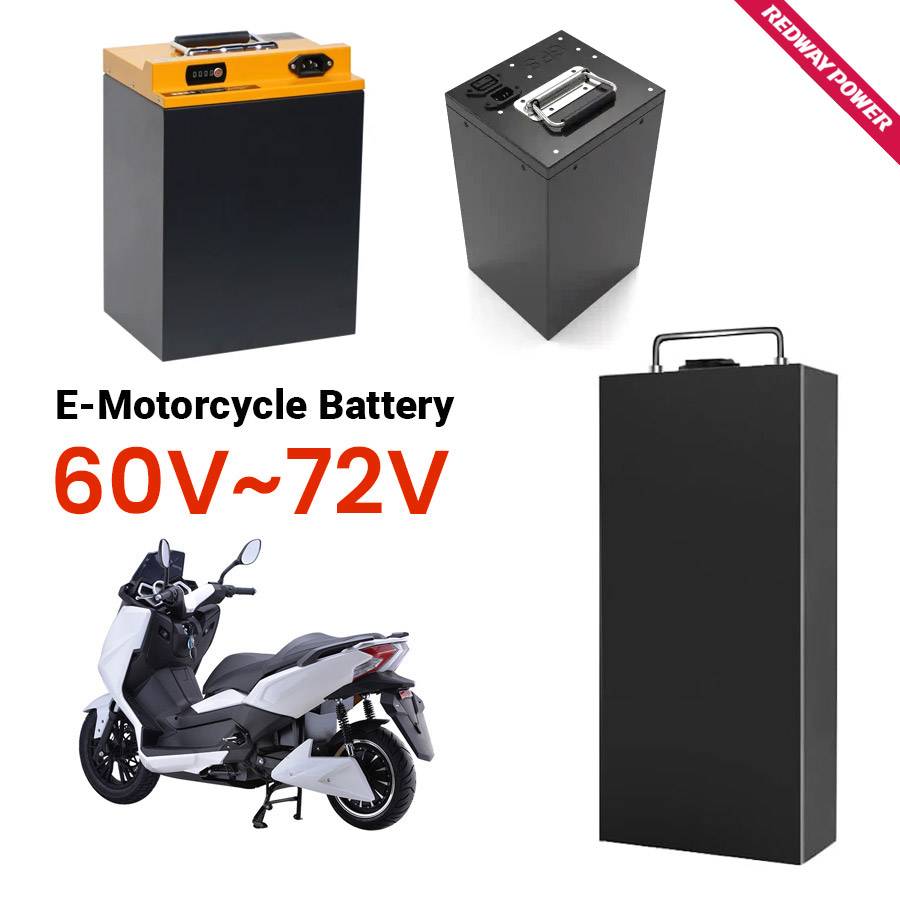
When choosing electric motorcycle batteries, there are several factors to consider, including:
- Capacity
- Charge Time
- Life Cycle
- Weight and Size
- Price
The capacity of a battery refers to its ability to store energy, measured in watt-hours (Wh). A higher capacity battery will provide a longer range, but it will also be heavier and more expensive.
The charge time of a battery refers to how long it takes to fully charge the battery, measured in hours. Faster charge times are typically achieved with more advanced battery technologies.
The life cycle of a battery refers to the number of charge and discharge cycles it can withstand before it starts to degrade. A higher life cycle battery will provide longer durability and a longer lifespan.
The weight and size of a battery can affect the overall performance and handling of an electric motorcycle. A lighter and more compact battery will make the motorcycle more agile and easier to handle.
The price of a battery can range from a few hundred dollars to several thousand dollars, depending on the type and capacity of the battery.
Benefits of Electric Motorcycle Batteries
Electric motorcycle batteries offer several benefits, including:
- Improved Performance
- Lower Emissions
- Lower Operating Costs
- Improved Safety
Electric motorcycle batteries provide instant torque and smooth acceleration, making them ideal for riders who prioritize performance.
Electric motorcycles are a more environmentally friendly option than traditional motorcycles, producing zero emissions and reducing air pollution.
Electric motorcycles require less maintenance than traditional motorcycles and have lower operating costs, making them a more cost-effective option.
Electric motorcycle batteries are designed to be safer than traditional batteries, with improved thermal management and reduced risk of explosion or fire.
Conclusion
In conclusion, electric motorcycle batteries are a crucial component of an electric motorcycle, providing efficient energy storage and propulsion. By considering factors such as capacity, charge time, life cycle, weight and size, and price, riders can choose the best electric motorcycle batteries for their needs. With the benefits of improved performance, lower emissions, lower operating costs, and improved safety, electric motorcycle batteries are a popular choice among riders looking for a reliable and efficient electric motorcycle.