Ways to Get a Job in a Clinical Trial Management Industry
The clinical trial management industry is a rapidly growing field that plays a crucial role in bringing new treatments and therapies to patients. As the demand for skilled professionals in this industry increases, it's essential to understand the ways to get a job in clinical trial management. In this article, we'll explore the various career paths, skills, and requirements to help you land a job in this exciting field.
Gain Relevant Education and Training
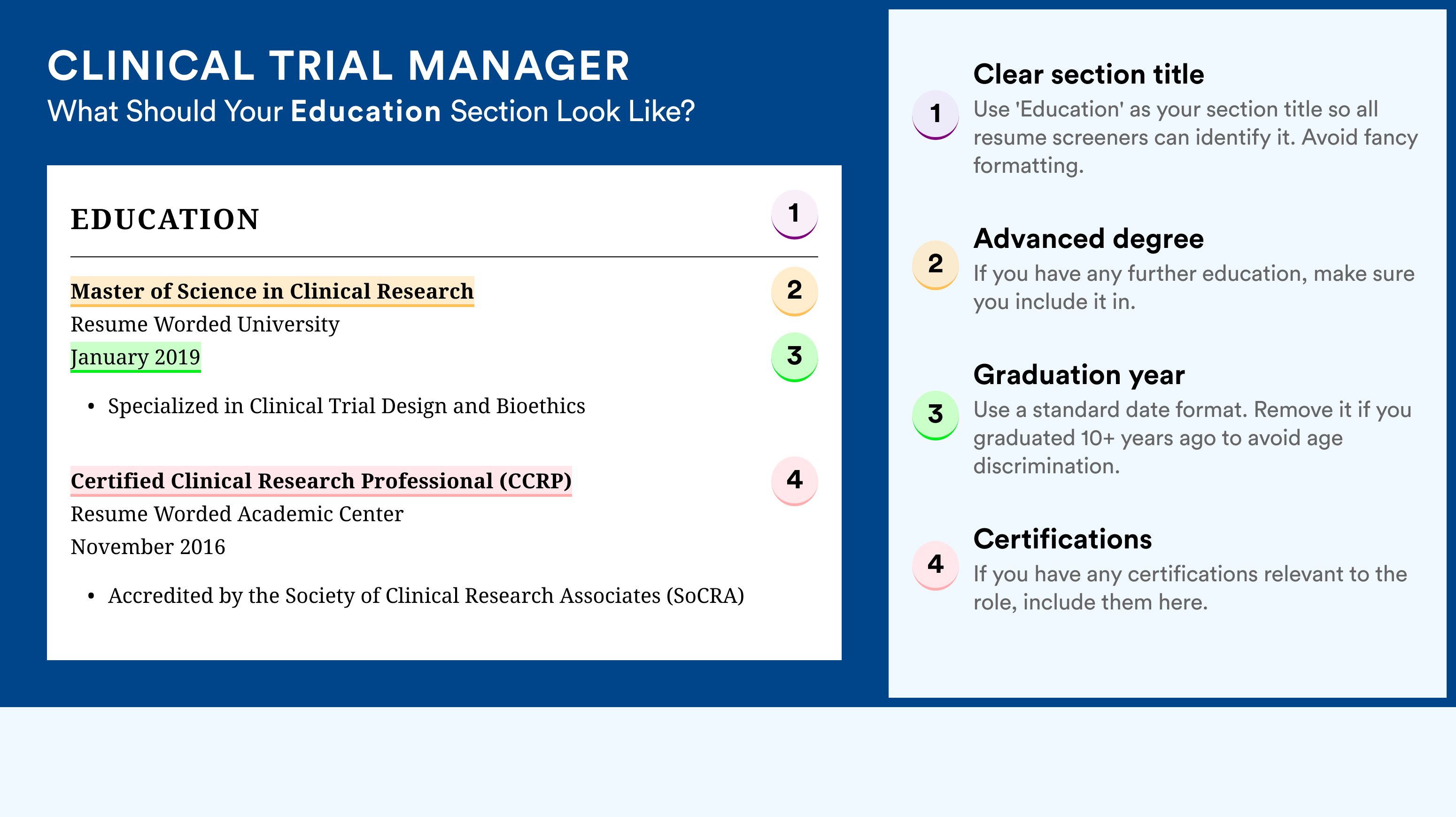
Obtaining a degree in a related field such as medicine, biology, chemistry, or healthcare is a fundamental requirement for a career in clinical trial management. Consider pursuing a certification program, such as the Certified Clinical Research Associate (CCRA) or Certified Clinical Research Coordinator (CCRC), to demonstrate your expertise and commitment to the field.
Build Practical Experience
Hands-on experience is essential for a career in clinical trial management. Volunteer or intern with a reputable organization, participate in clinical trials, or take on a research assistant role to gain a deeper understanding of the clinical trial process. This experience will help you develop the skills and knowledge necessary to succeed in this field.
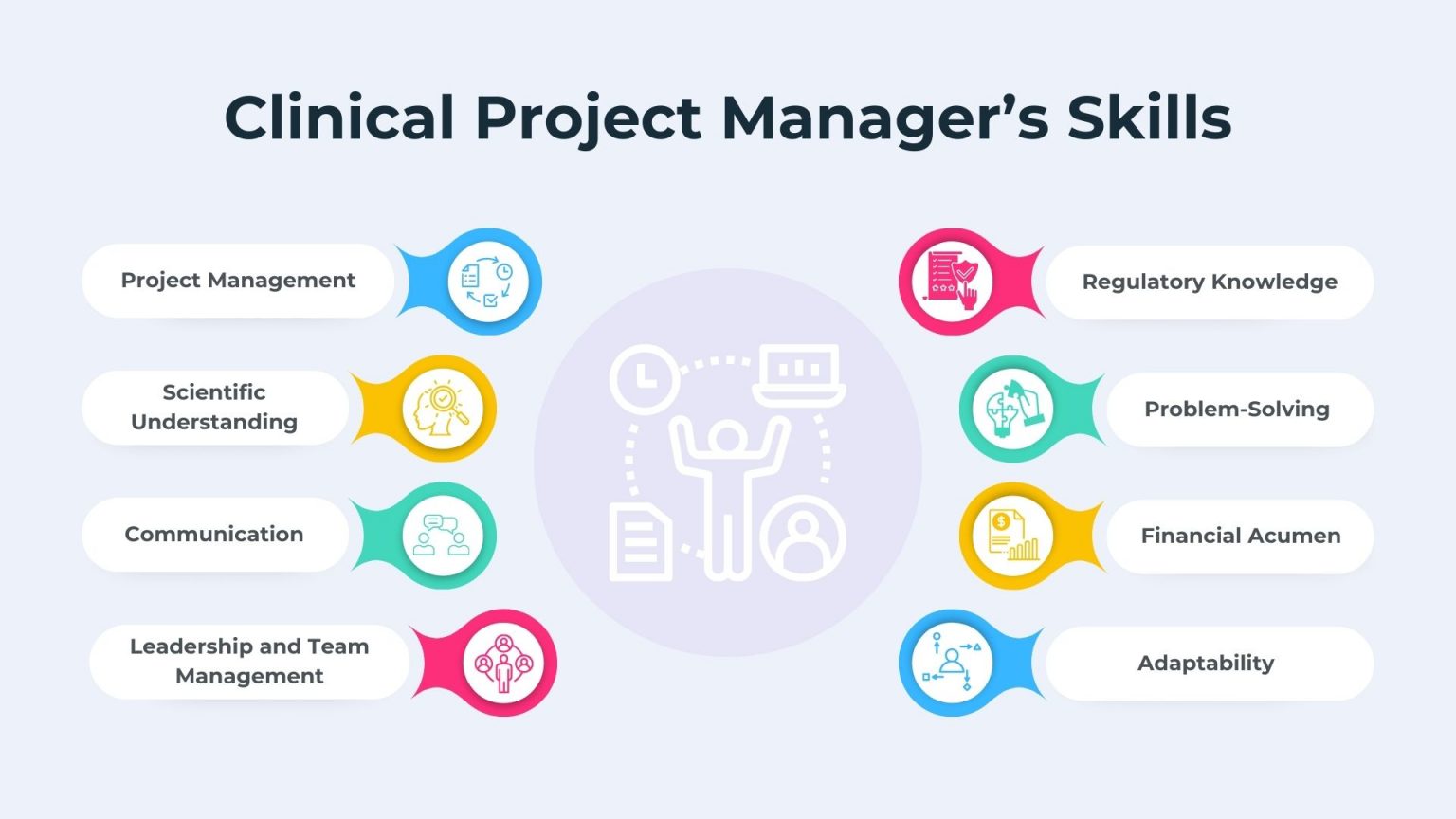
Develop Key Skills
- Communication and Interpersonal Skills**: Effective communication and interpersonal skills are critical for working with diverse stakeholders, including researchers, healthcare professionals, and patients.
- Project Management**: Clinical trial managers must oversee multiple projects, prioritize tasks, and manage timelines to ensure successful trial execution. li>Regulatory Compliance**: Familiarity with regulatory guidelines, such as GCP and ICH, is essential for ensuring trial integrity and compliance.
Network and Join Professional Organizations
Networking with professionals in the field and joining organizations, such as the Association of Clinical Research Professionals (ACRP) or the International Society for Pharmaceutical Engineering (ISPE), can provide valuable connections, training, and job opportunities.
Post Your Resume and Apply for Job Openings
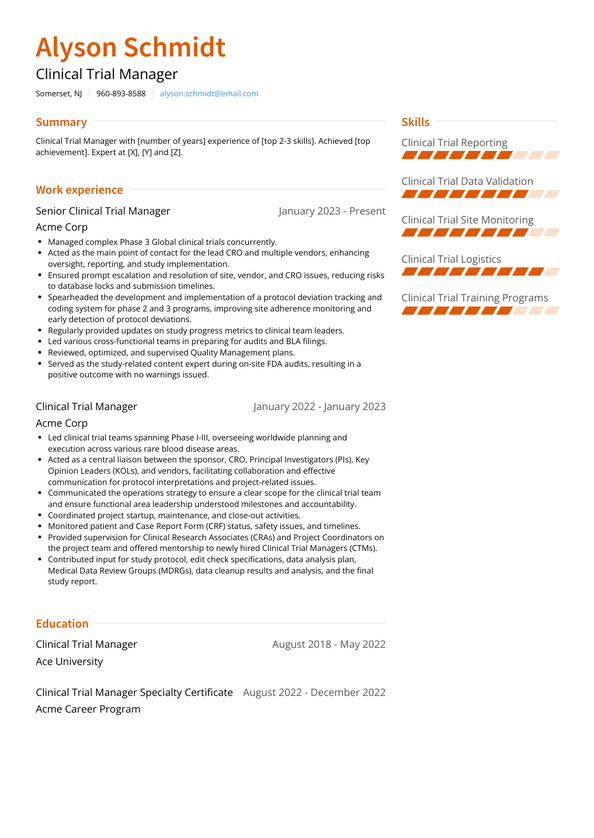
Make sure your resume and online profiles are up-to-date and highlight your relevant skills and experience. Post your resume on job boards, company websites, and professional networking platforms to increase your visibility to potential employers.

Stay Up-to-Date with Industry Trends and Developments
Attend conferences, workshops, and webinars to stay current with industry trends, new technologies, and regulatory updates. Participate in online forums and discussions to expand your knowledge and connect with professionals in the field.
Consider a Career Path in Clinical Trial Management
Here are some common career paths in clinical trial management:
- Clinical Research Associate (CRA)**: CRAs are responsible for monitoring and coordinating clinical trials, ensuring compliance with regulations and study protocols.
- Clinical Research Coordinator (CRC)**: CRCs manage day-to-day activities, such as recruitment and data collection, to support clinical trials.
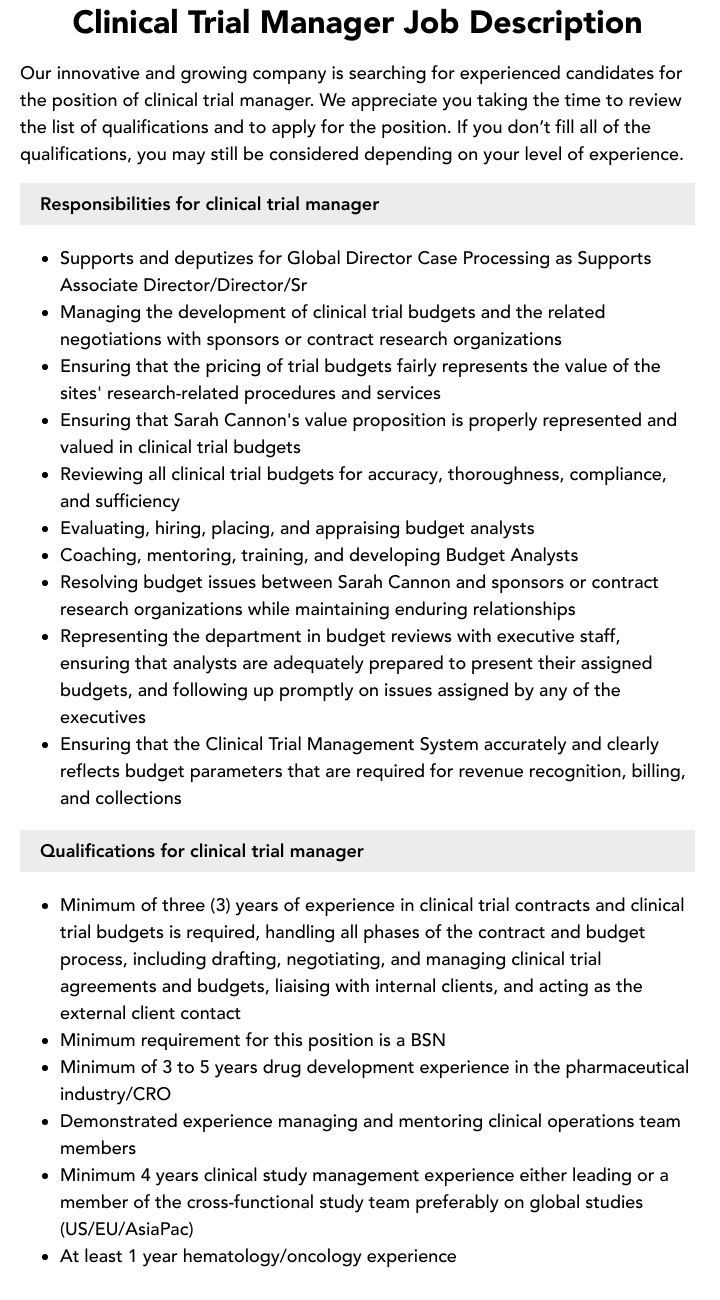
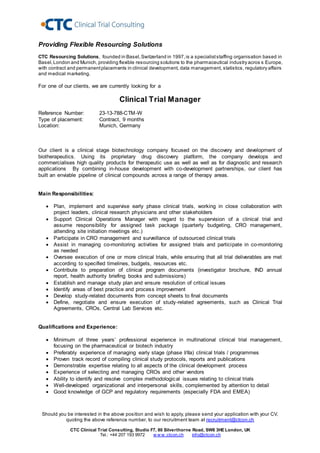
- Clinical Trial Manager (CTM)**: CTMs oversee multiple trials, manage budgets, and coordinate with stakeholders to ensure successful trial execution.
Conclusion
Breaking into the clinical trial management industry requires a combination of education, practical experience, and key skills. By following these ways to get a job in clinical trial management, you'll be well on your way to a rewarding career in this exciting field. Remember to stay up-to-date with industry trends, network with professionals, and continuously develop your skills to succeed in this rapidly growing industry.
Resources
For more information on clinical trial management careers, education, and training, visit the following resources: