Start Up Costs for Small Business: A Comprehensive Guide
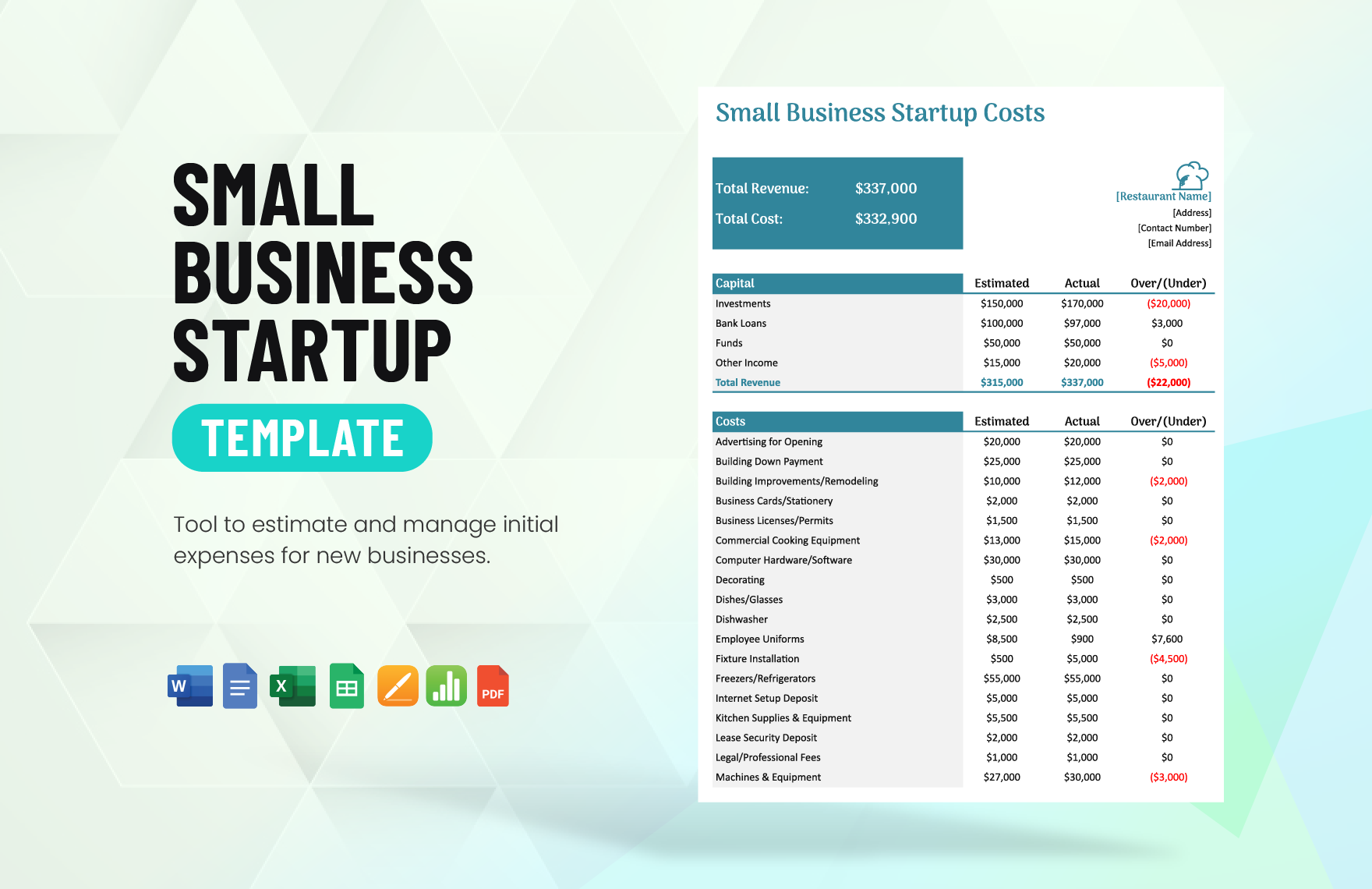
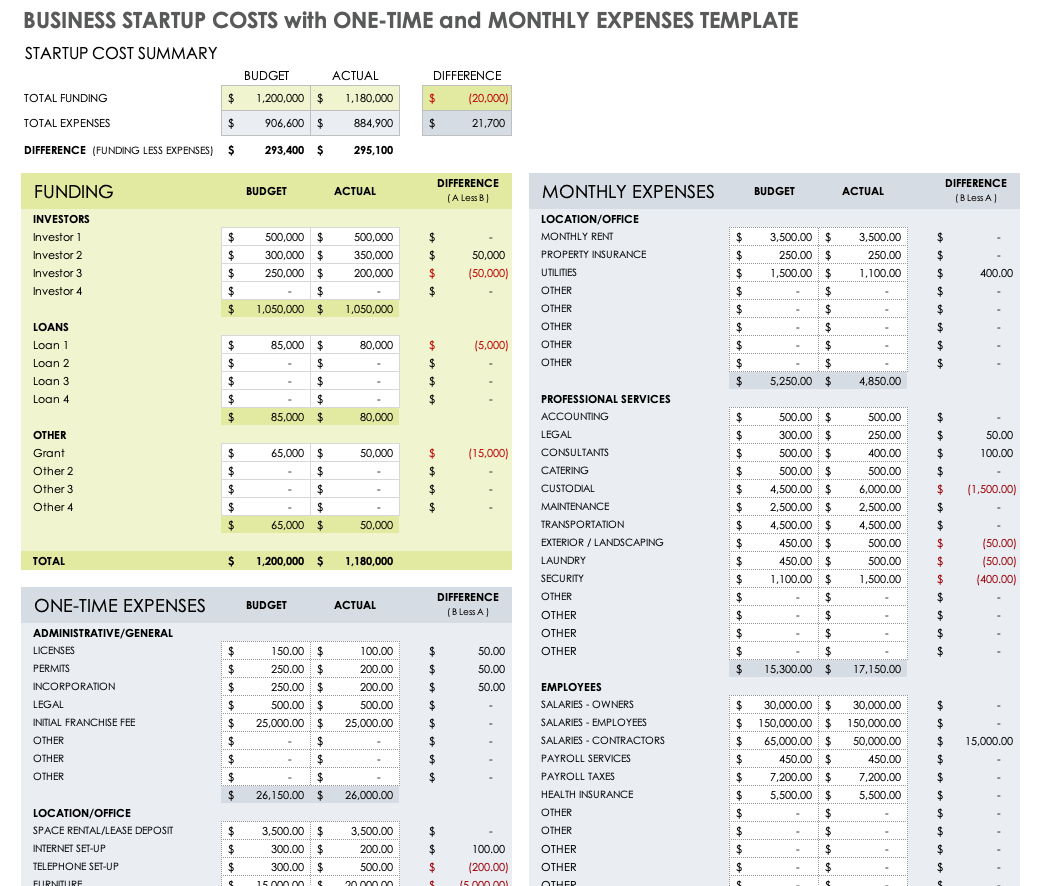
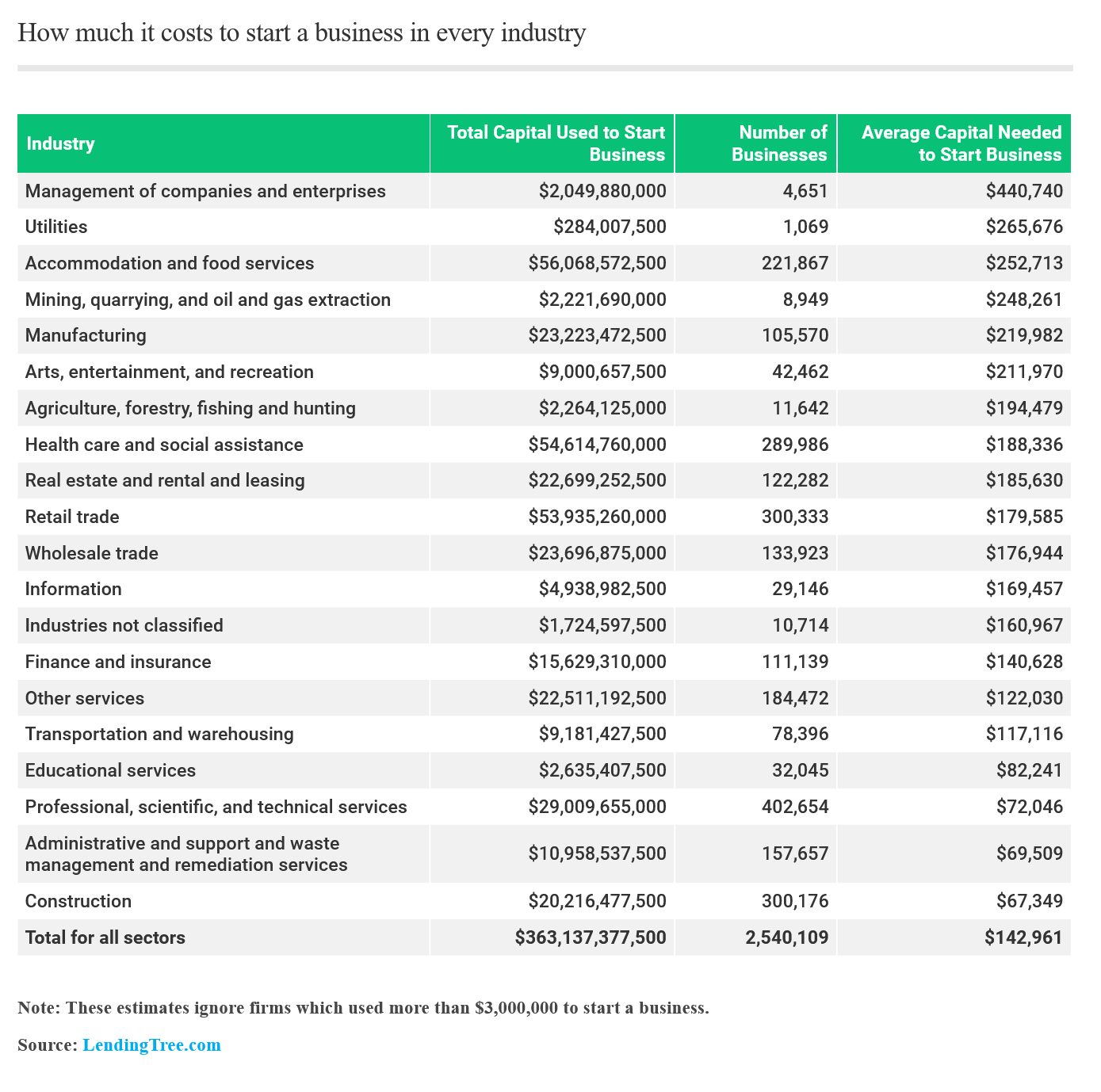
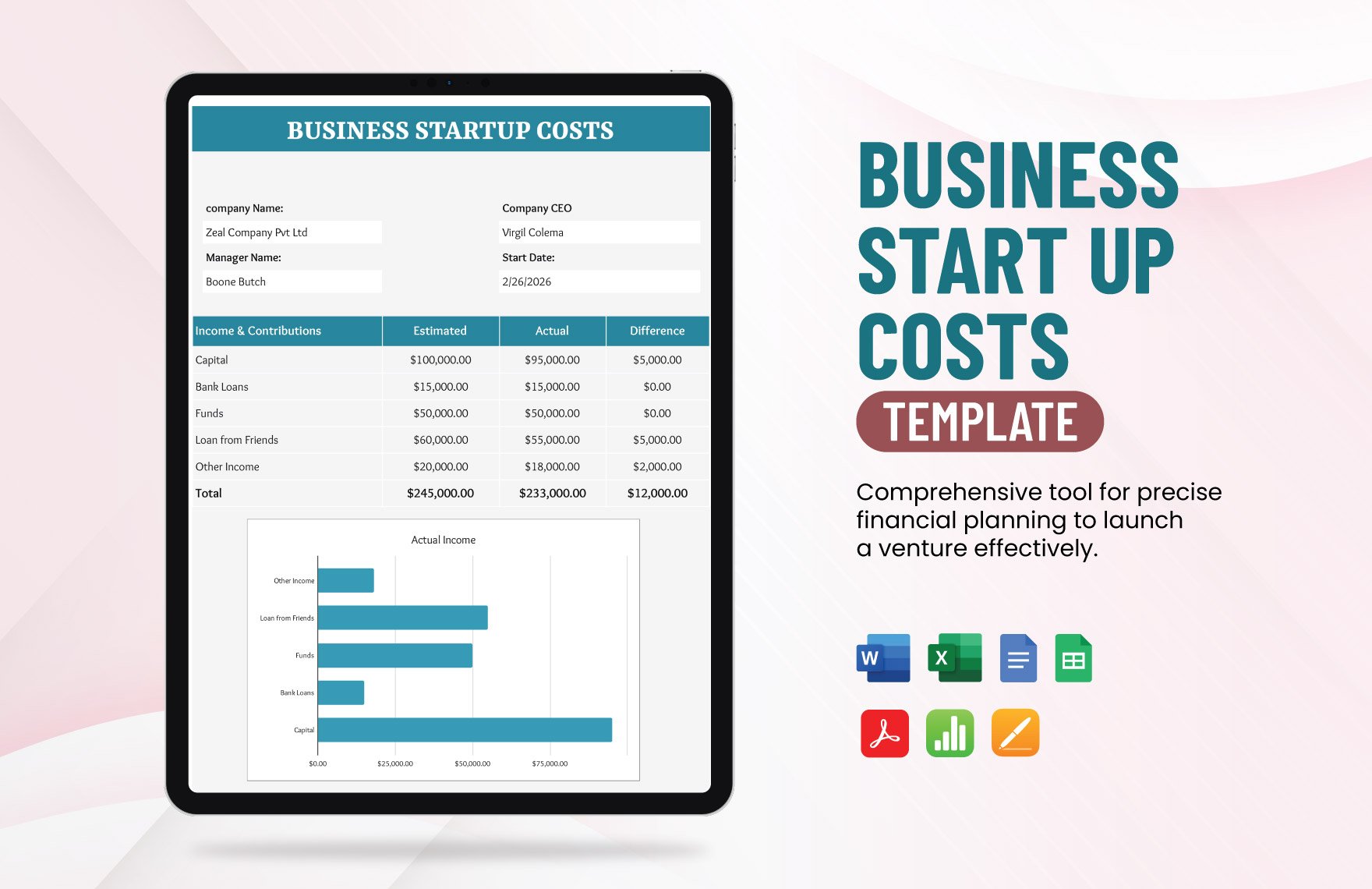
Starting a small business can be an exciting venture, but it requires careful planning and consideration of the start-up costs involved. The amount of money you need to invest in your business can vary greatly depending on your industry, location, and scale of operations. In this article, we will break down the various start-up costs you should consider and provide tips on how to estimate and budget for them.The Estimated Start-Up Costs for Small Businesses
According to Guidant Financial's 2023 survey, the average start-up cost of a small business falls between $50,000 and $1 million. This estimate includes both one-time and recurring expenses that keep your business running day-to-day. It's essential to create a detailed budget and plan your start-up costs carefully to avoid financial surprises and ensure the success of your business.Start-Up Costs Breakdown
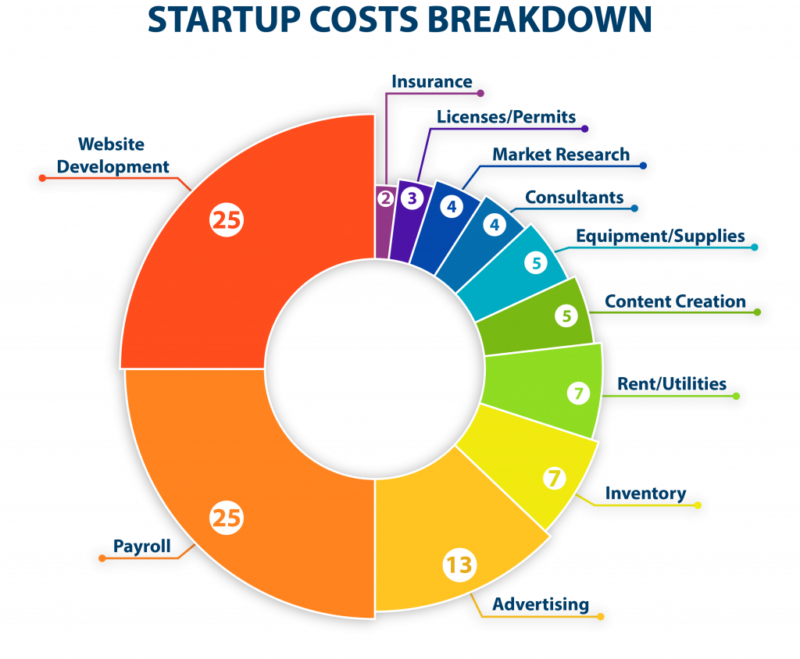
- Licensing and Permits: $1,000 - $10,000
- Business license fees
- Health department permits
- Environmental permits
- Other regulatory permits
- Insurance: $5,000 - $50,000
- General liability insurance
- Business interruption insurance
- Other business insurance
- Equipment and Supplies: $10,000 - $100,000
- Furniture and fixtures
- Computers and technology
- Office equipment
- Inventory and supplies
- Marketing and Advertising: $5,000 - $50,000
- Website design and development
- Branding and logo design
- Advertising and promotions
- Public relations and outreach
- Rent and Utilities: $10,000 - $50,000
- Leasehold improvements
- Security deposits
- Utility setup fees
- Recurring utility costs
- Salaries and Benefits: $20,000 - $100,000
- Employee salaries and wages
- Benefits and bonuses
- Taxes and payroll deductions
Estimating Start-Up Costs
Developing an accurate estimate of your start-up costs is crucial to determine how much money you need to fund your business. Here are some steps to follow:- Research your competitors: Study your industry and analyze your competitors' costs to get an idea of the expenses involved in starting and running your business.
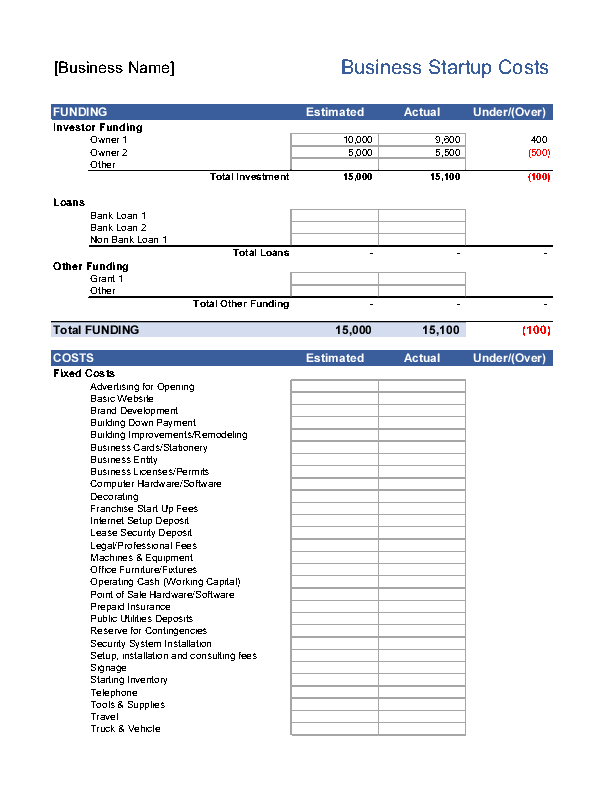
- Make three lists: Create a list of fixed costs, variable costs, and ongoing expenses to help you estimate your start-up costs.
- Get specific: Once you feel your initial estimates are in the ballpark, break down your costs into specific categories and make more detailed estimates.
Calculating Your Breakeven Point