Ways to Secure Your Digital Trail Online
As we navigate the vast expanse of the internet, we leave behind a trail of data that can reveal a surprising amount about us. This trail, known as a digital footprint, can be used to track our online activities, preferences, and even our identities. However, managing our digital footprint is becoming increasingly important in today's digital age. In this article, we will delve into the ways to secure your digital trail online and explore the importance of maintaining your online privacy.
What is a Digital Footprint?
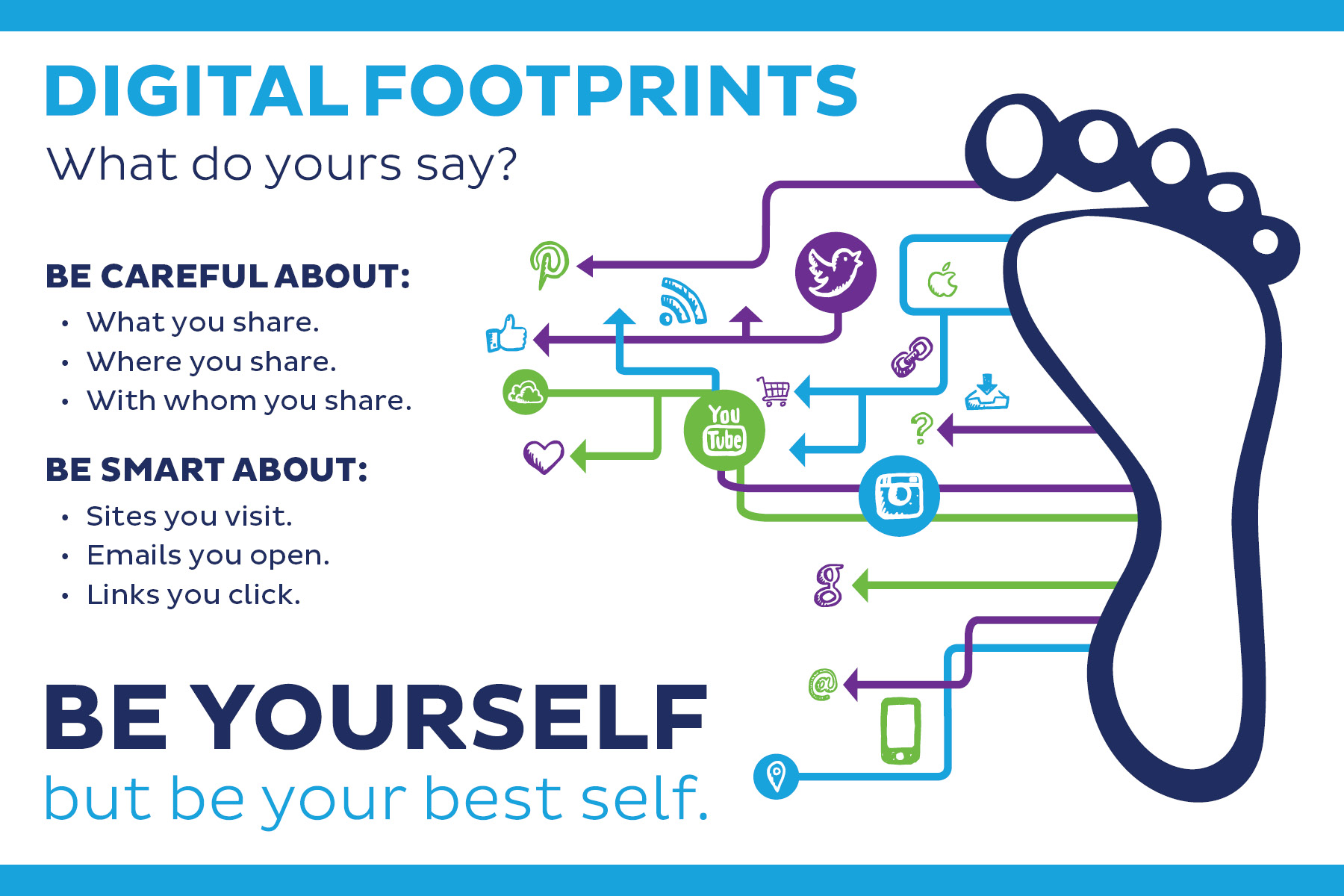
Every click, post, and account sign-up leaves a mark online, forming a digital footprint. This trail of data can include websites visited, emails sent, social media activity, and even background data collected by websites or services. A digital footprint is a unique combination of our online activities, which can be used to identify us and gain a deeper understanding of our interests and preferences.
Why is it Important to Secure Your Digital Trail?
Securing your digital trail is essential to protect your privacy, prevent identity theft, and maintain your online identity. With the rise of social media and online tracking, our digital footprints have become increasingly valuable. Hackers, advertisers, and surveillance agencies can use this data to compromise our personal information, compromising our financial security and even putting us at risk of being targeted by malicious actors.
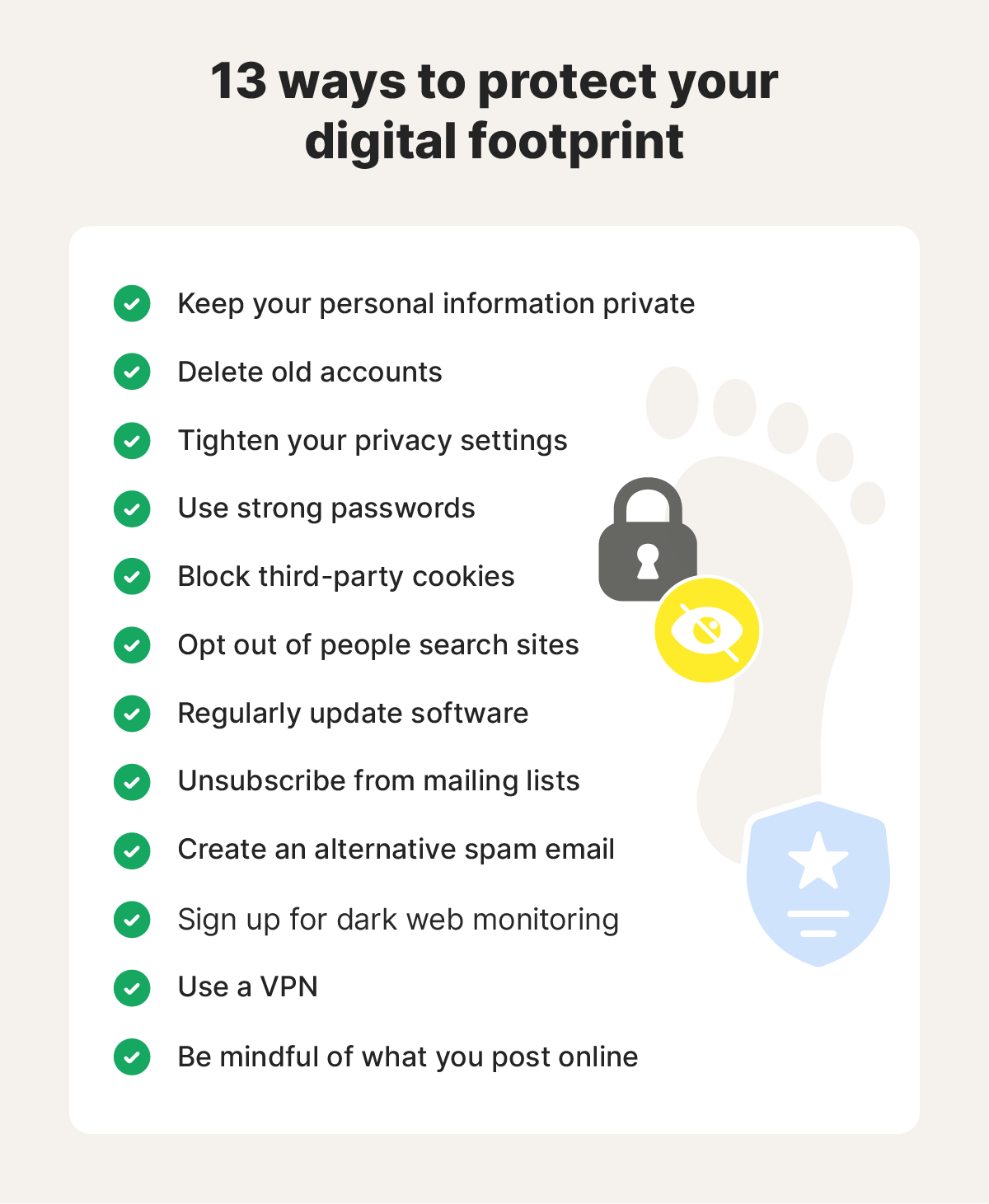
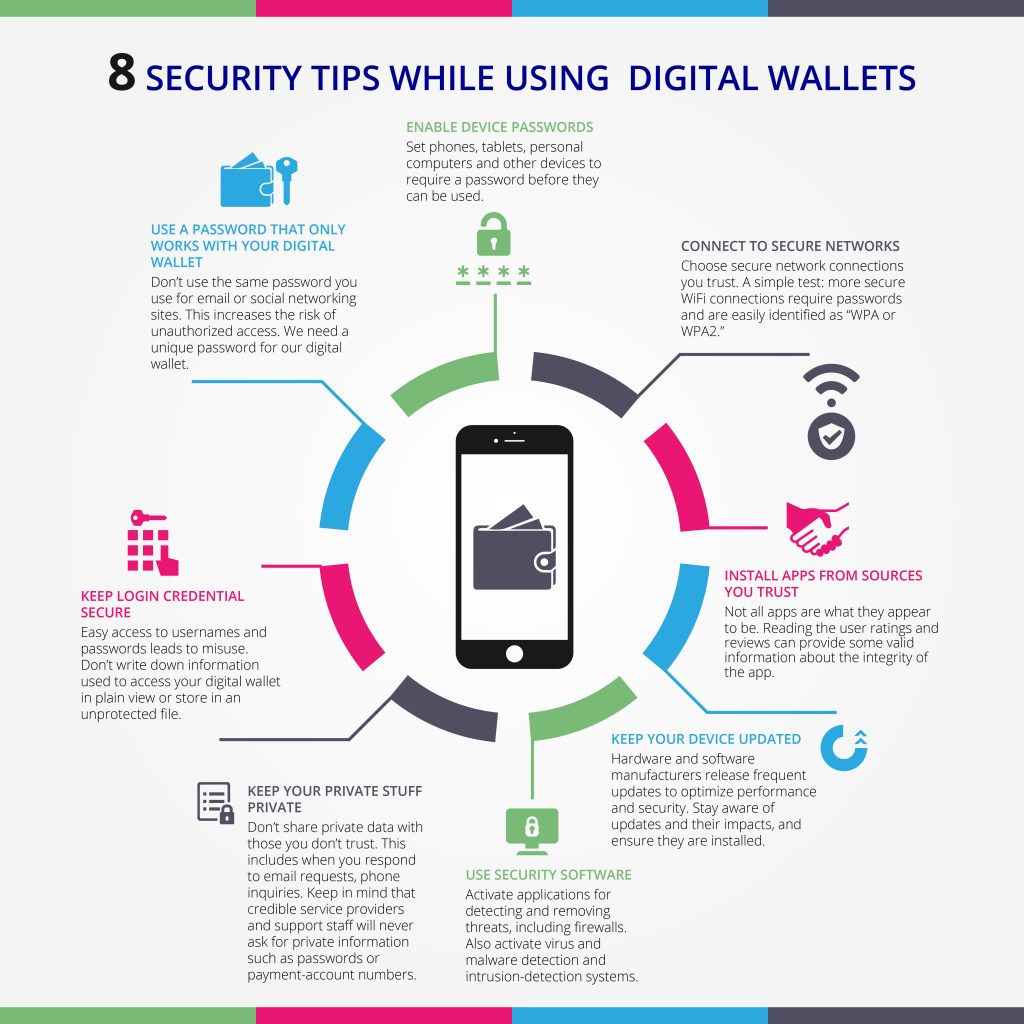
- Protect Your Online Accounts: Use strong passwords, enable two-factor authentication, and keep your accounts up to date with the latest security patches.
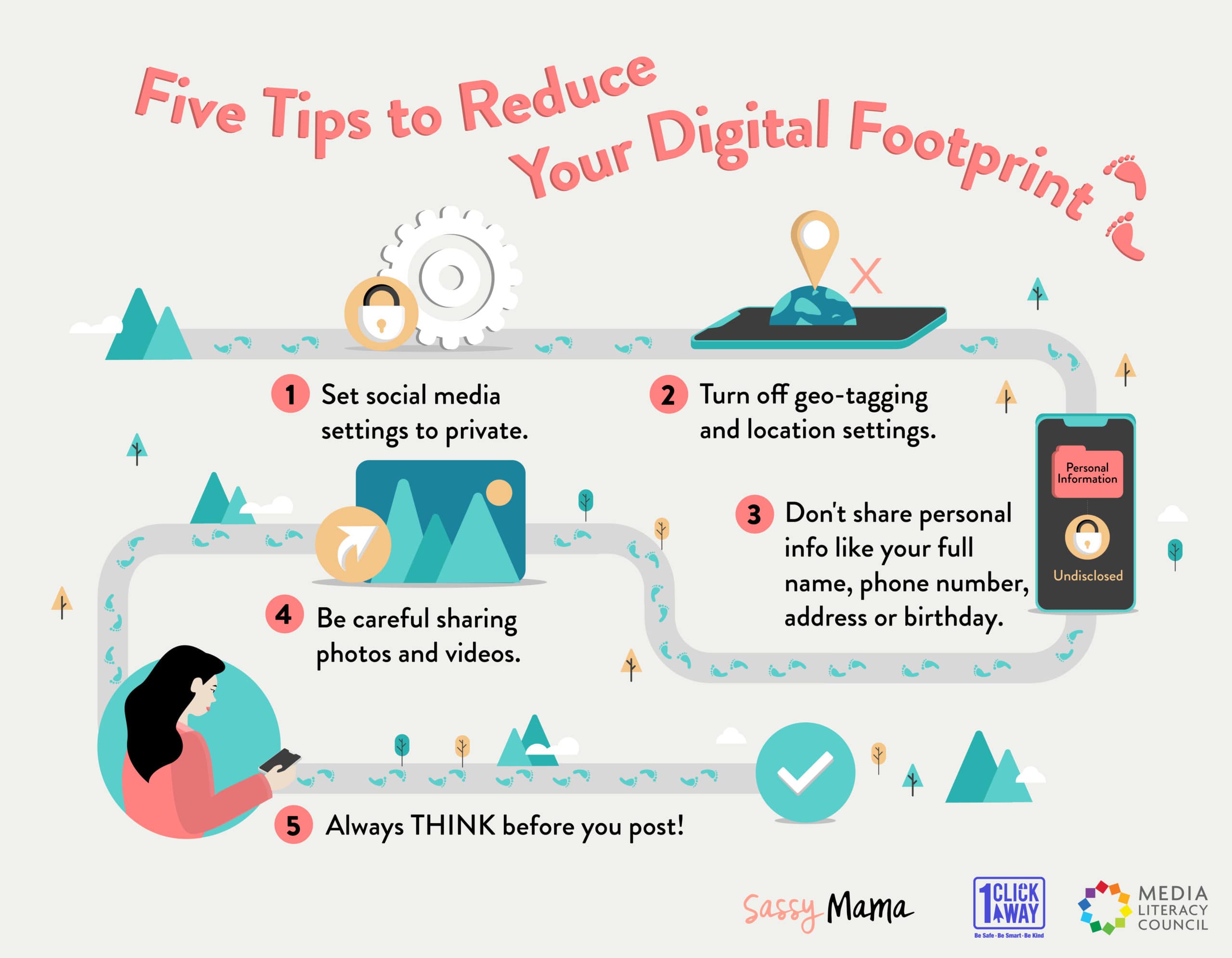
- Limit Personal Data: Be cautious about sharing personal data online, especially sensitive information such as passwords, phone numbers, and addresses.
- Encrypt Data: Use encryption software and secure communication protocols to protect sensitive data from interception and eavesdropping.
- Use a VPN: Virtual Private Networks (VPNs) can help mask your IP address and encrypt your internet connection, making it more difficult for hackers and surveillance agencies to track your online activities.
- Manage Your Digital Presence: Regularly clean up your social media profiles, remove sensitive information, and limit your online presence to prevent unwanted tracking and data collection.
- Regularly Update Your Software: Keep your operating system, browser, and applications up to date with the latest security patches and software updates.
- Be Mindful of Public Wi-Fi: Use public Wi-Fi delicately, and always use a VPN to protect your data when accessing public networks.
- Monitor Your Credit Report: Regularly check your credit report for any suspicious activity or identity theft.
- Use Anti-Tracking Software: Utilize software designed to identify and block tracking cookies and ads, helping to disguise your online identity.

Best Practices for Managing Your Digital Footprint
Managing your digital footprint requires intention, discipline, and a clear understanding of the risks associated with online activities. By following these best practices, you can minimize your digital footprint and protect your online identity:
- User strong passwords and two-factor authentication.
- Limited personal data online.
- Use encryption software and secure communication protocols.
- Utilize a VPN for online activities.
- Regularly clean up social media profiles.
- Remove sensitive information online.
- Use a reliable anti-virus program.
- Use a reputable password manager.
- Implement two-factor authentication for financial accounts.
Conclusion
Securing your digital trail online requires a combination of knowledge, discipline, and proactive measures. By understanding the importance of maintaining your online privacy and following these strategies, you can minimize your digital footprint and protect yourself from the risks associated with online activities. Remember, your digital footprint is a representation of your online activities, and taking control of it is essential to protecting your identity and maintaining your online security.