Safety Guidelines for Mixing Ibuprofen and Tylenol: What You Need to Know
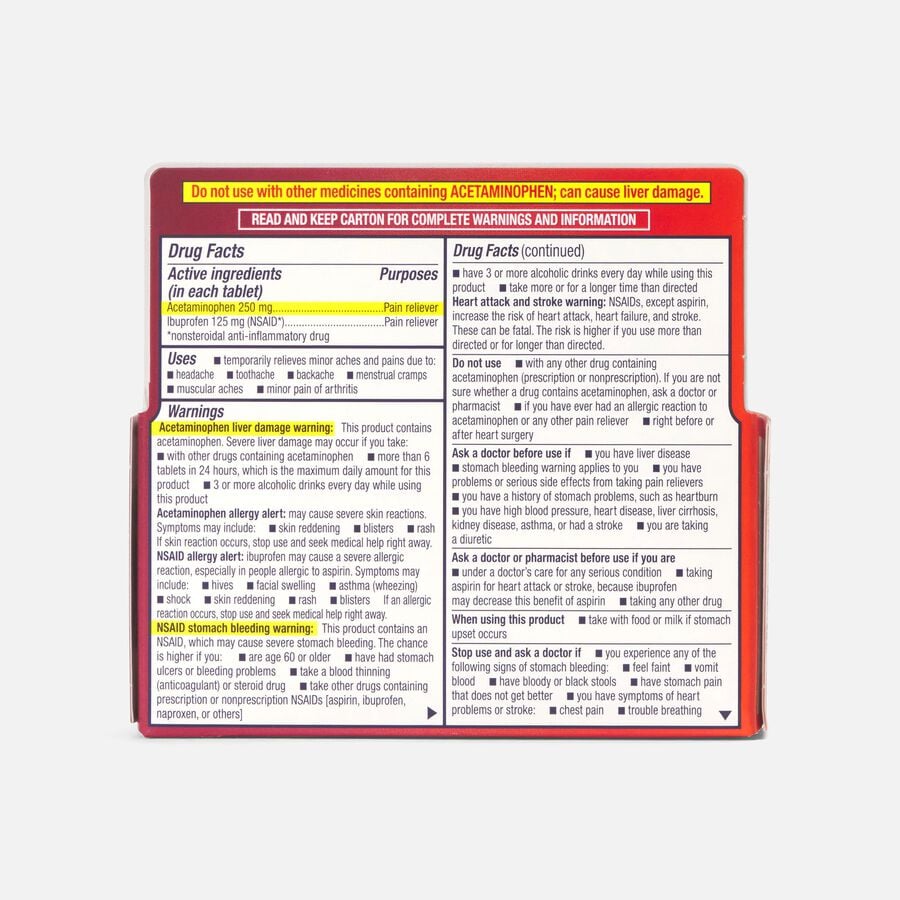
When it comes to managing pain, many people turn to over-the-counter medications like ibuprofen (Advil, Motrin) and acetaminophen (Tylenol) for relief. While both medications are effective on their own, combining them can provide even more effective pain relief. However, it's crucial to follow certain safety guidelines to avoid potential side effects.
How Ibuprofen and Tylenol Work
Ibuprofen is a nonsteroidal anti-inflammatory drug (NSAID) that reduces fever and inflammation, while acetaminophen is a pain reliever that works by blocking the production of prostaglandins, which cause pain and fever. When taken together, they work synergistically to provide more effective pain relief with minimal overlapping of side effects.
Guidelines for Mixing Ibuprofen and Tylenol
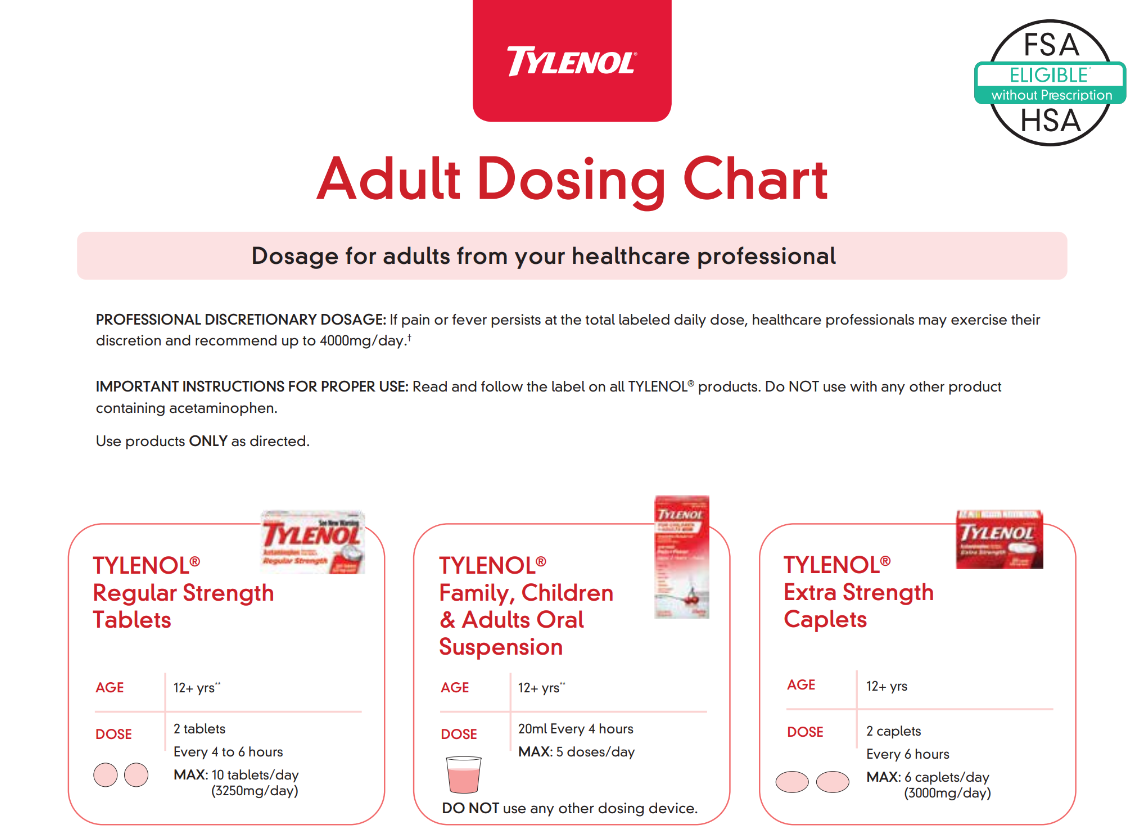
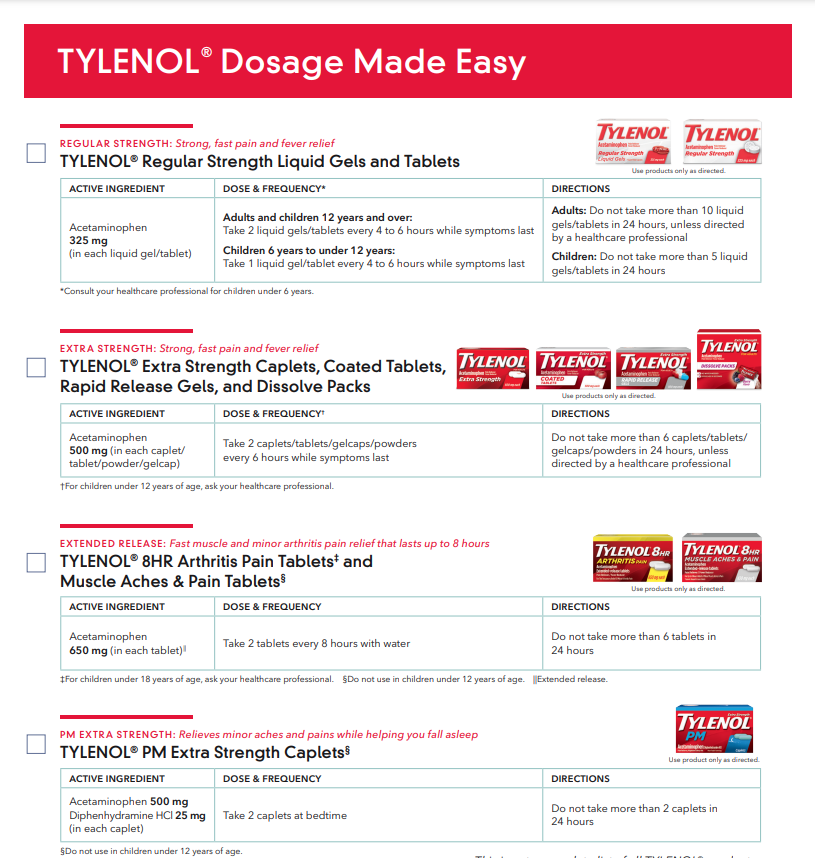
- Follow the recommended dosage: Always follow the instructions on the label and consult with your doctor before taking both medications together.
- Staggered dosing schedule: Take ibuprofen and acetaminophen at different times, usually 3-4 hours apart, to avoid overloading the liver with acetaminophen.
- Check the maximum daily dose: Avoid taking more than the recommended daily dose of either medication to minimize the risk of side effects.
- Monitor liver function: Acetaminophen can cause liver damage if taken in large doses, so monitor your liver function regularly if you're taking both medications together.
- Pregnancy and breastfeeding: Acetaminophen may be associated with developmental risks, so consult with your doctor before taking it during pregnancy or breastfeeding.
- Interactions with other medications: Be aware of potential interactions with other medications, such as blood thinners, and inform your doctor if you're taking any other medications.
- Kidney function: Ibuprofen can increase the risk of kidney damage in people with pre-existing kidney disease, so monitor your kidney function if you're taking both medications.
- Gastrointestinal problems: Ibuprofen can cause stomach ulcers and bleeding, so monitor your digestive health if you're taking both medications.
Risks of Mixing Ibuprofen and Tylenol
While combining ibuprofen and acetaminophen is generally safe for most people, there are potential risks to be aware of:
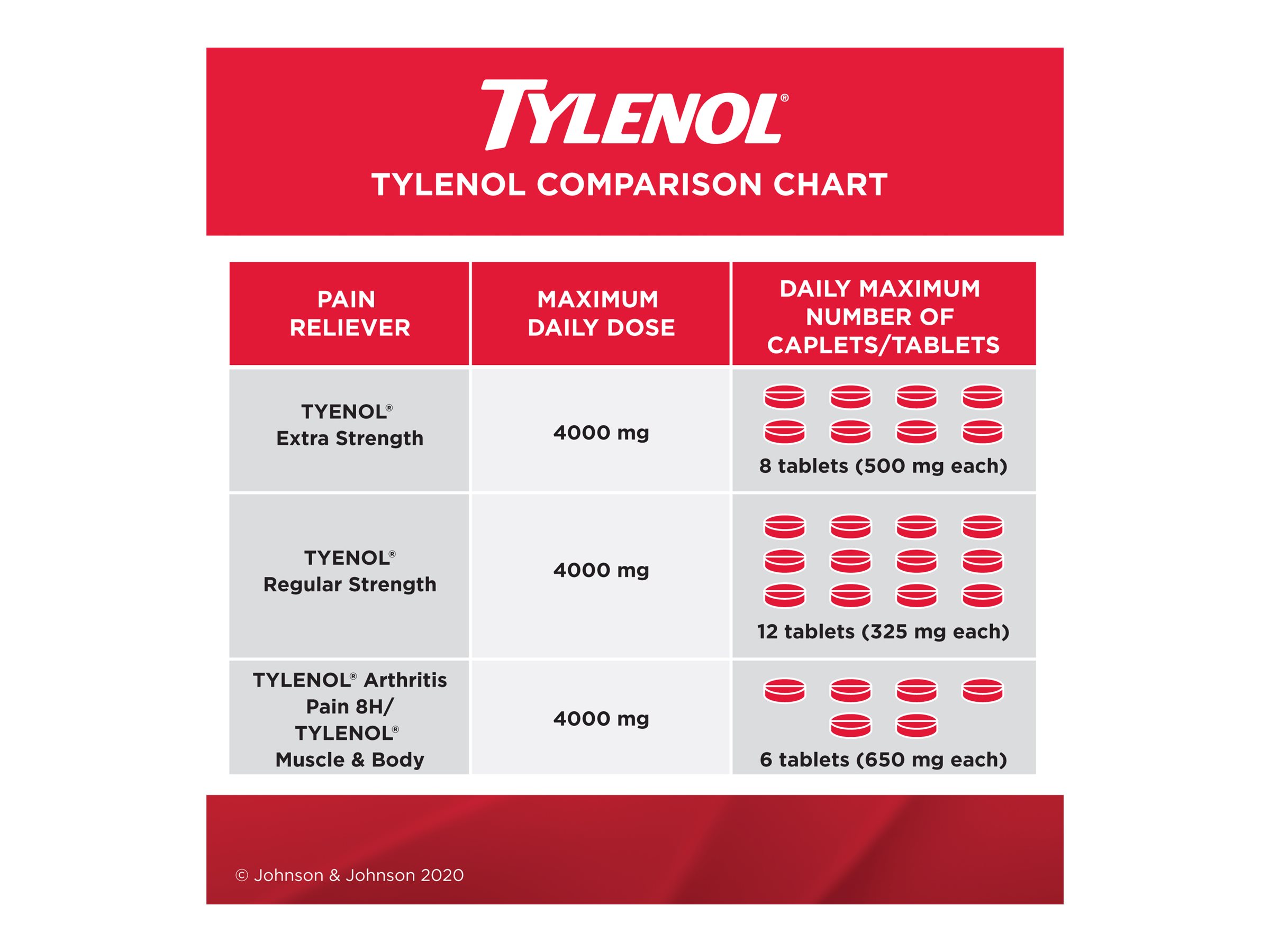
- Overdose: Taking too much of either medication can lead to an overdose, which can cause liver damage, stomach ulcers, or bleeding.
- Increased risk of bleeding: Ibuprofen can increase the risk of bleeding when combined with other medications, such as anticoagulants.
- Liver damage: Taking high doses of acetaminophen can cause liver damage, especially if combined with other liver-damaging substances.
Who Should Avoid Mixing Ibuprofen and Tylenol
While generally safe for most people, there are certain individuals who should avoid mixing ibuprofen and acetaminophen:
- Children under 16 years old: Consult with your doctor before giving both medications to children.
- Pregnant or breastfeeding women: Acetaminophen may be associated with developmental risks, so consult with your doctor before taking it during pregnancy or breastfeeding.
- People with liver or kidney disease: Monitor your liver and kidney function regularly if you're taking both medications.
- People with bleeding disorders: Avoid taking ibuprofen with other medications that increase the risk of bleeding.
Conclusion
Mixing ibuprofen and Tylenol can be an effective way to manage pain and fever, but it's crucial to follow the safety guidelines and monitor potential side effects. Consult with your doctor before taking both medications together, especially if you have pre-existing medical conditions or take other medications. By being aware of the risks and following the guidelines, you can safely combine ibuprofen and Tylenol for effective pain relief.